






Workers in kitchens and the meat industry have always had to pay close attention to the safety of themselves and their environment, because they use sharp, pointed tools every day that can cause accidents like child's play. In this environment, cut-resistant gloves are not just a new fashion trend, but a tool that can be very important to protect physical integrity or to work efficiently and avoid wound infections. In this article, we take a closer look at why you should use cut-resistant gloves as a chef, butcher or en bloc in the kitchen, and why they are so useful even in the meat industry or when butchering pigs, for example.
The essential role of cut-resistant gloves: to protect physical integrity
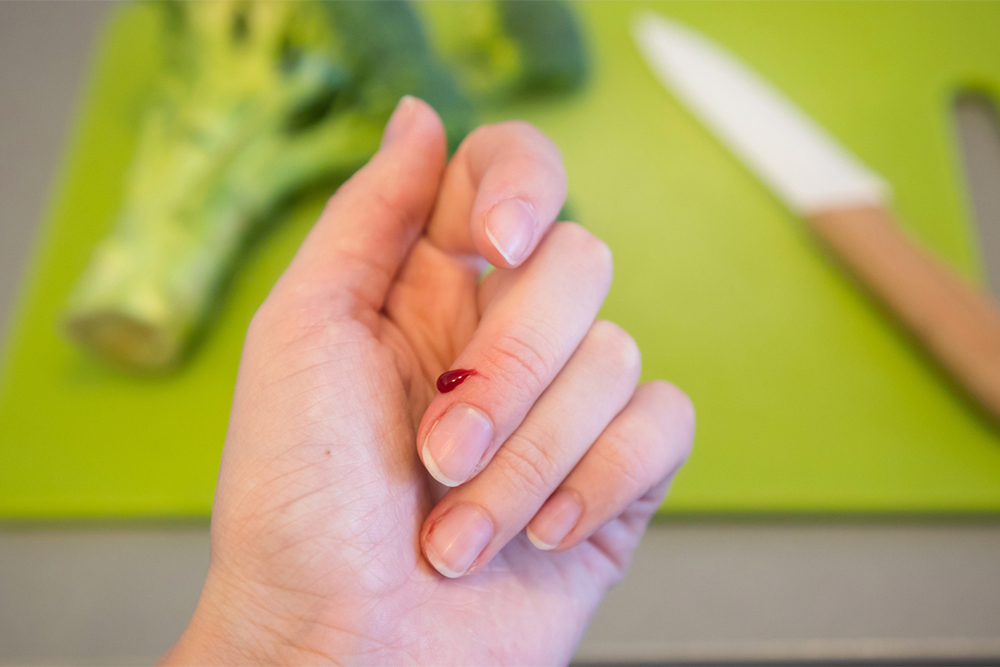
Injuries are a daily risk in kitchens and meat processing workplaces. During cutting, slicing and dicing, cooks and butchers (especially those with less experience) often create near-accident situations and can even hurt their fingers with a bad cut. This is why it is essential to use cut-resistant gloves during such work be worn by professionals. But why else?
One of the most important aspects is the protection of the human body and its value and health. These gloves are are made of durable and resistant materials, which prevent a slipped hand from causing a larger wound on the hand, as the knife is unable to cut the dense metal threads. Thanks to cut-resistant gloves, the chances of injuries and cuts are significantly reduced, making work safer and giving all colleagues more peace of mind.
Saving time
Cooks or butchers who regularly use cut-resistant gloves are often more efficient in their work. Why? Because they don't have to work carefully and slowly to avoid cuts or injuries. With cut-resistant gloves, they can work quickly and easily without worrying about accidents. This also allows you to use your time more efficiently and get your kitchen work done faster.
Avoiding wound infections
Minor cuts and wounds in the kitchen or meat industry can very easily become a source of infection. Especially if they are infected with food or with meat which, let's face it, is almost guaranteed in these jobs. Wearing cut-resistant gloves will help prevent wounds from becoming infected. Because gloves protect you firstly from cuts and secondly from direct contact with food.
Standards for gloves
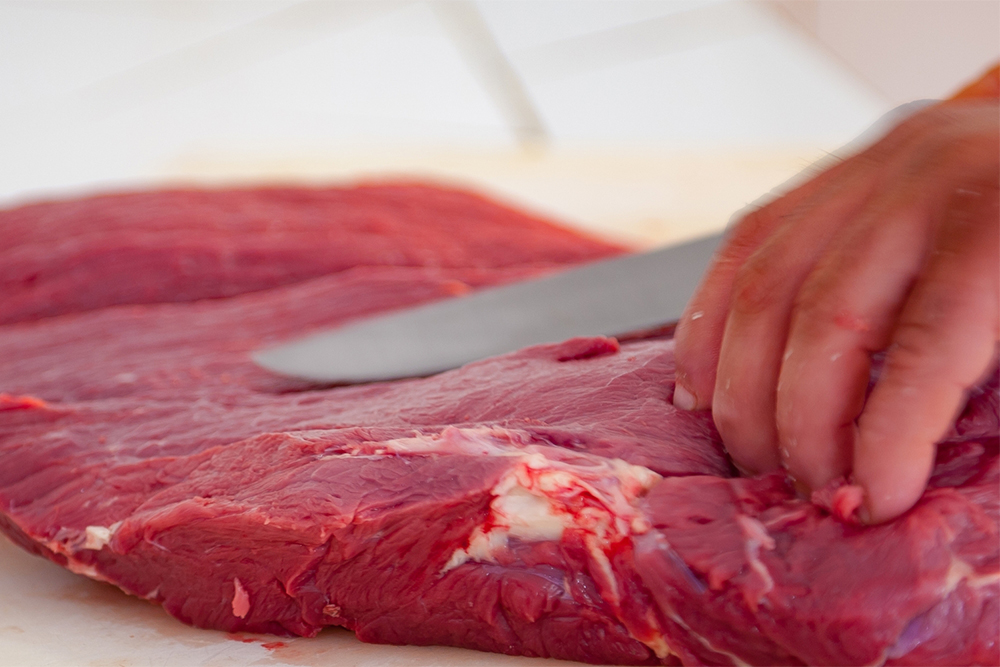
Cut resistant gloves must meet strict standards to provide effective protection. These standards regulate the materials, durability and cut-resistant properties of gloves in different areas. It is important to note that the choice of the right gloves depends on the type of work and the material. For example, workers in the meat industry look for gloves that are resistant to moisture and blood contamination. While kitchen workers prefer to have food safety considerations in addition to cut resistance when making a glove, for example.