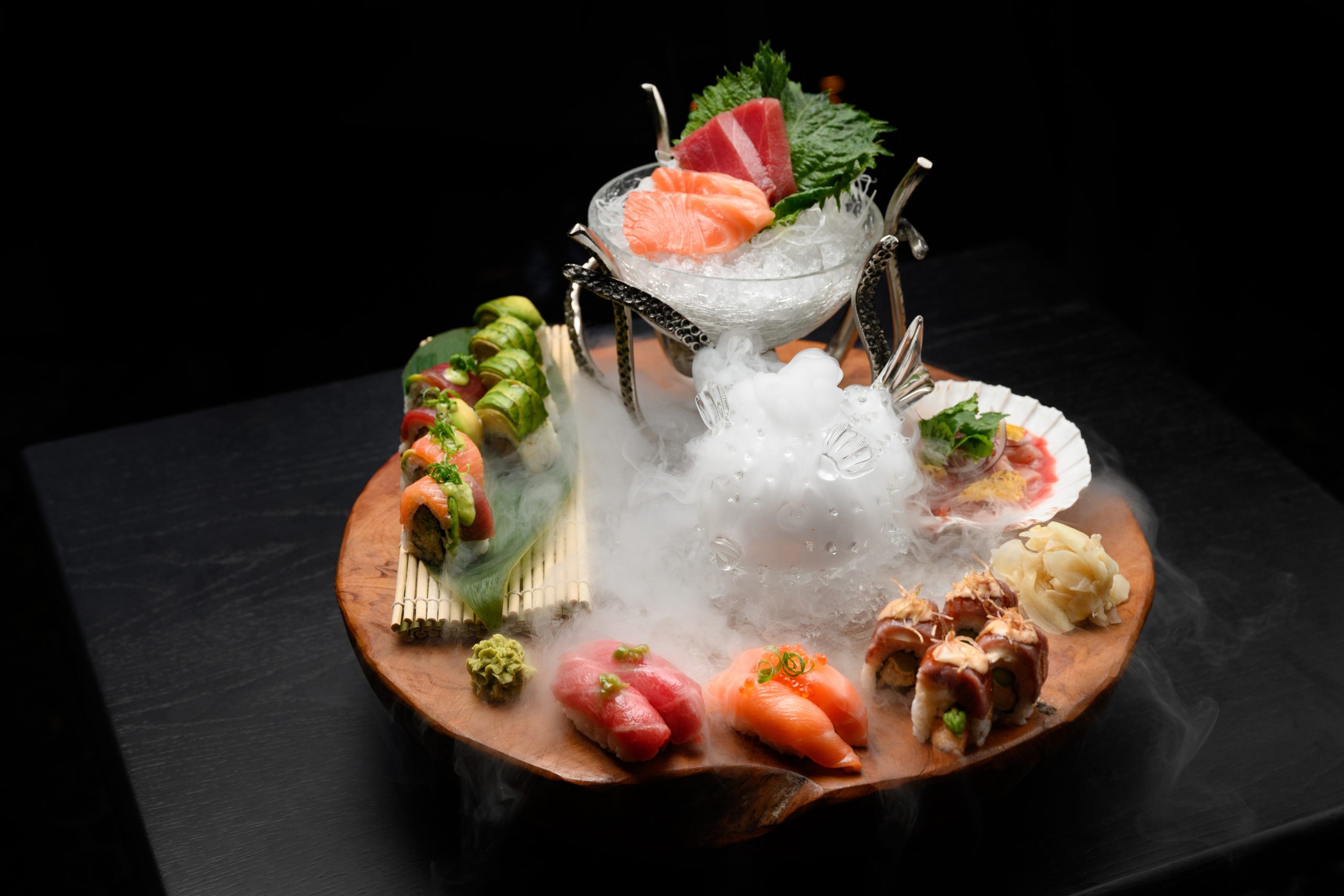






The second Michelin-starred or aspiring partners will be presented at the Golden Caviar in the Castle District. The impressive restaurant was unique in its name when it opened in 1990 and has lost none of its lustre since. We spoke to chef László Kanász about the secret of their success and the difficulties of the business.
You have been a member of the Golden Caviar team for 15 years. To spend so much time in one place is a rarity nowadays. What has kept you loyal for so long?
The restaurant is constantly innovating. Thanks to the owners, we come up with a completely new menu or concept every 2-3 years. We also innovate technically, philosophically and externally - there's never an end to the journey. Certain values are constant, of course, but we also work hard to find out what it is that will appeal to our regulars and a new generation we can also catch. A test kitchen has been set up next to the restaurant, which as a research laboratory serves and approaches raw materials from a chemical point of view. We manufacture our own products, look for new applications of kitchen technology and seek unique solutions that you won't find elsewhere. This means there is a new challenge every day.
What are you seeing in terms of trends on the international or domestic scene? What is disappearing and what is emerging?
A molecular gastronomy e.g. I think it is absolutely like that. I see that a lot of people have started to use it, and now they have filtered out - and kept - the ones that are really useful in the kitchen, but it's on the wane. But what has come very, very much to the fore is awareness, be it energy or raw material use.
How does this manifest itself in the daily life of the Golden Caviar?
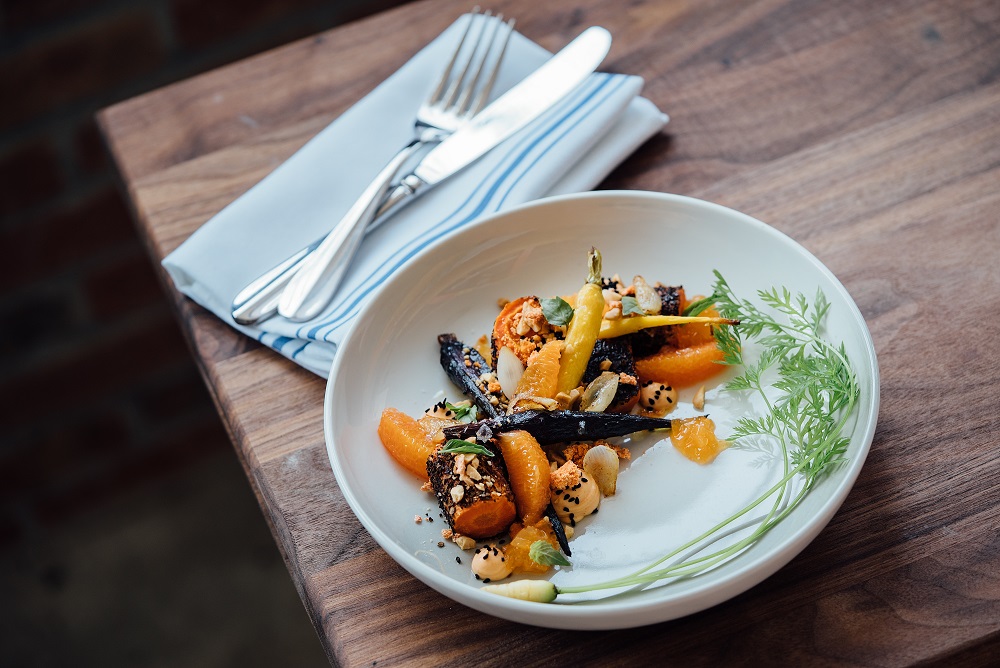
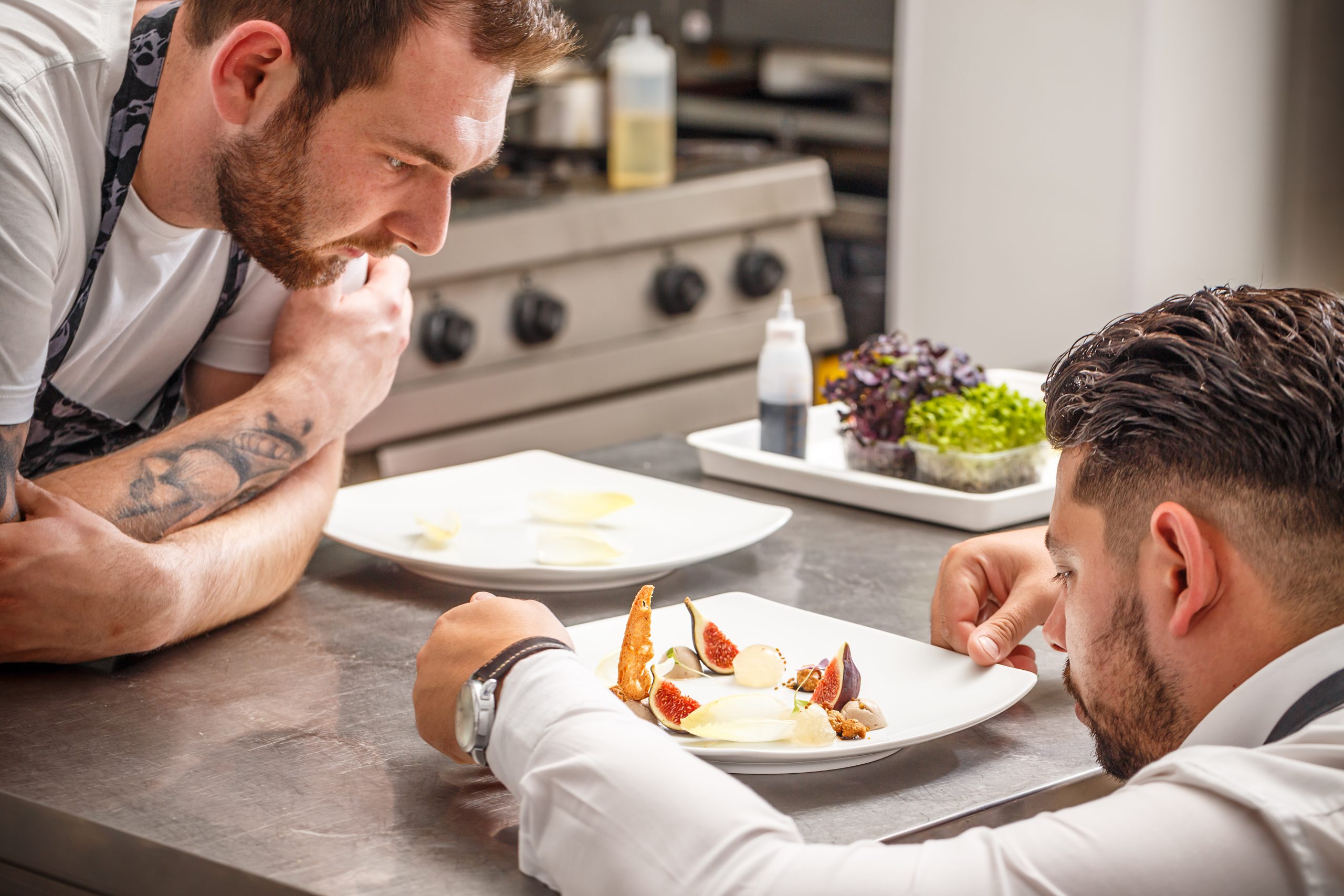
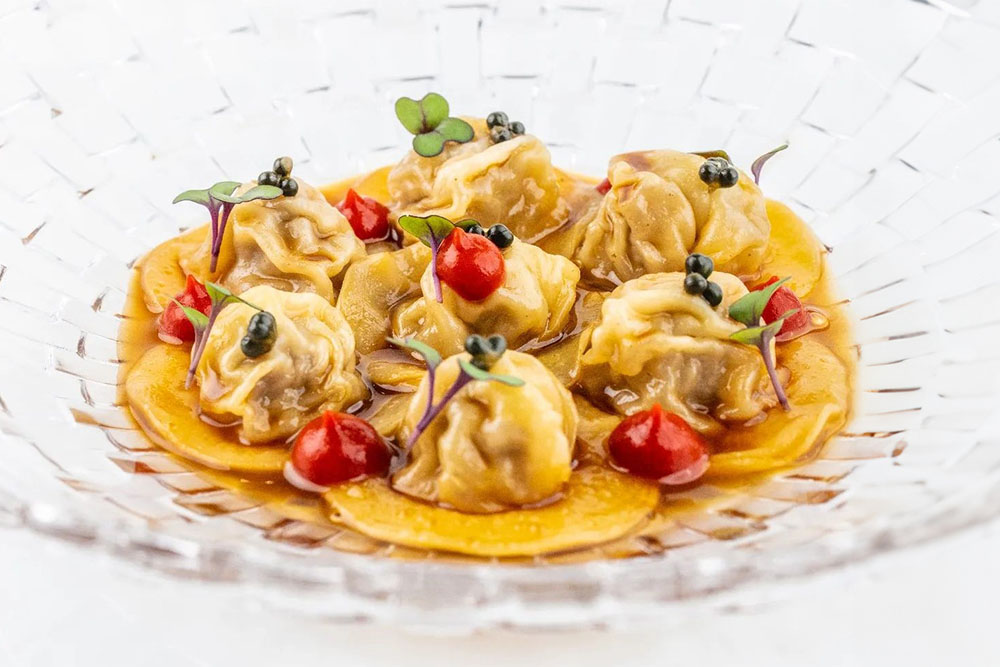
For us, it's mainly in the raw materials used. Not only do we keep an eye on where each ingredient comes from, but we also make sure that you only see what you see on your plate that really adds value to the taste of the dish. No unnecessary item is on any of our plates purely for the sake of visual appeal. Of course, it is very serving is important, but this is not the decisive factor. Having said that, I would by no means say that we are minimalist, but we try to create plates that are immediately understandable to guests.
What's your favourite ingredient to work with now, or often - if any?
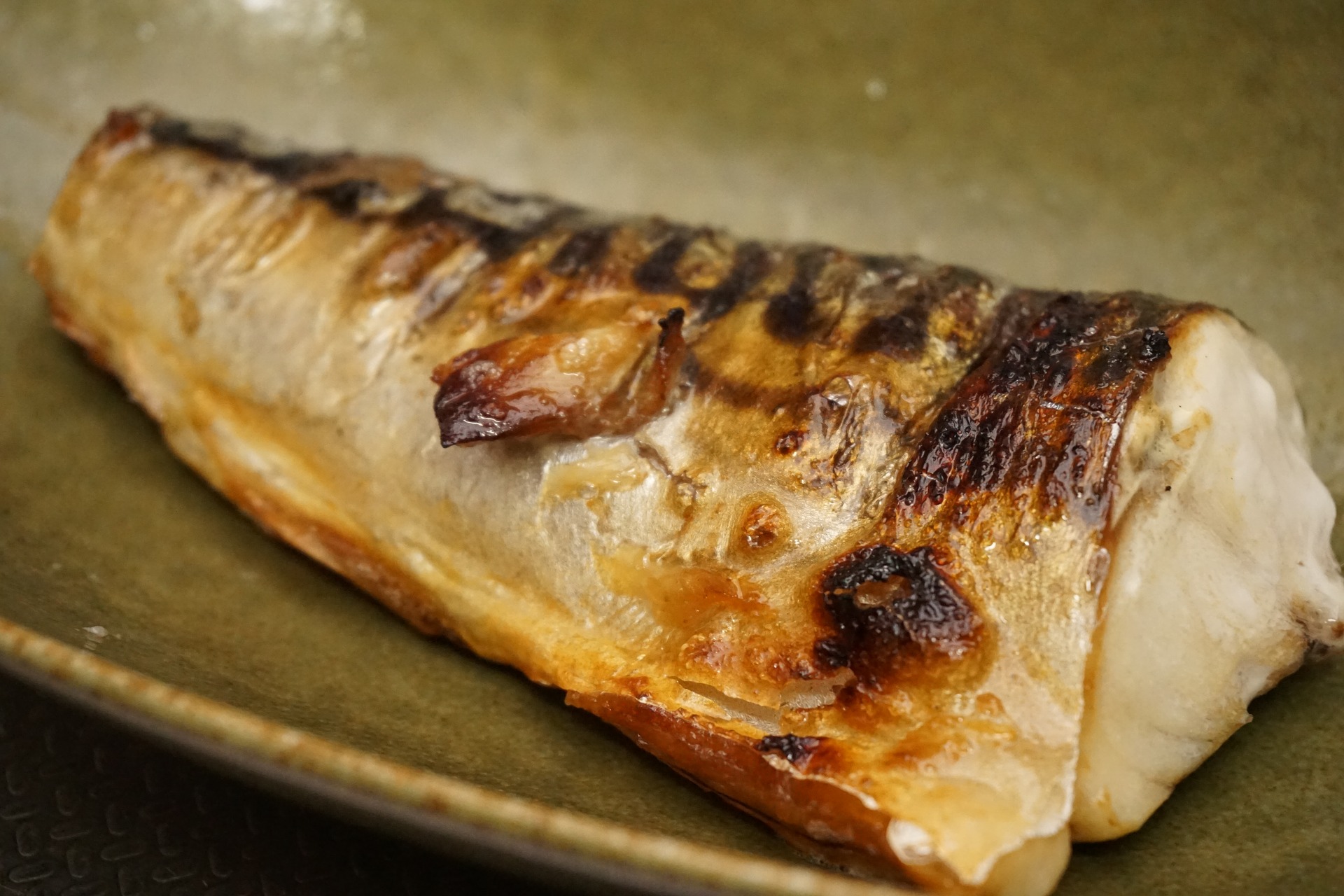
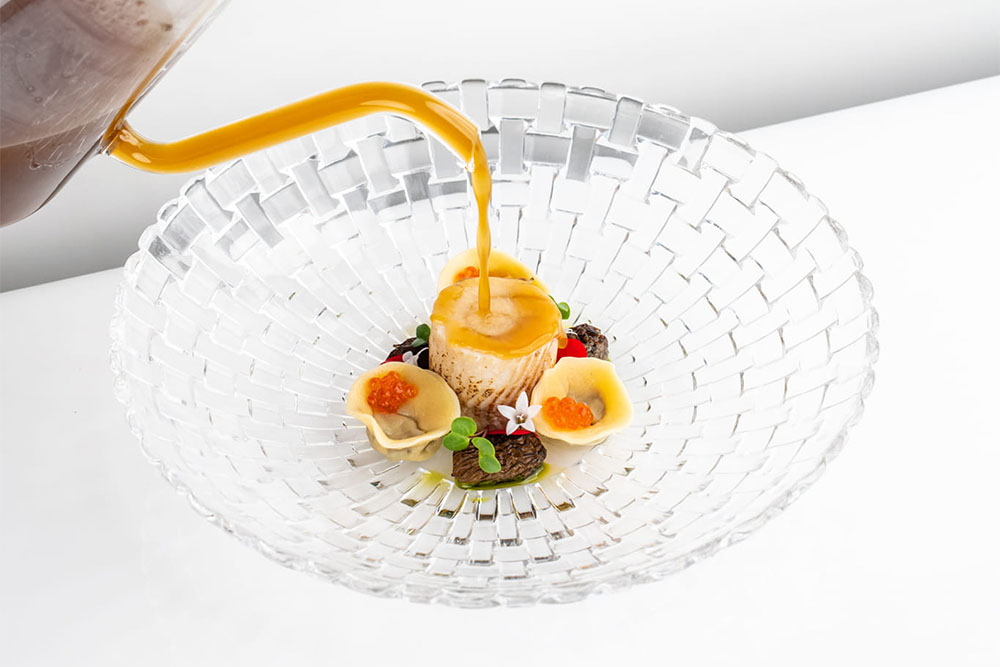
I was born on Lake Balaton, so the freshwater fish are very close to my heart, especially as they are inherently a difficult course, so using them is also a constant challenge for me. Thanks to the rapid development of the fish farm, it is now possible to obtain a constant supply of quality all year round. So restaurants with tasting menus are more confident in incorporating it into their menus and I think Hungarian customers are becoming more open to eating it. I am currently running a degustation menu based on freshwater fish. I have to mention the rainbow trout, which not only makes a really exciting fish sauce, but also uses every last bit of the fish, to go back to the previous question.
How often do you change the menu?
Unlike most places, we only eat three times instead of four, but we do have to swap some dishes on the way if an ingredient is ripe. Right now, there are 3 tasting menus, an à la carte selection and a caviar selection to choose from when you visit, so everyone really can find the experience they're looking for. The caviar is special just because the restaurant has its own brand, the Golden Caviar Gourmet Ltd., who is in charge of the distribution of our caviar. We don't breed and there is no fish farm that breeds exclusively for us, but we look for products in the world that are of outstanding quality and can be integrated into this brand. These are then commercially packaged and resold, and several of our products can be found in the best restaurants in Budapest.
How does Matusz-Vad help your Golden Caviar operation?
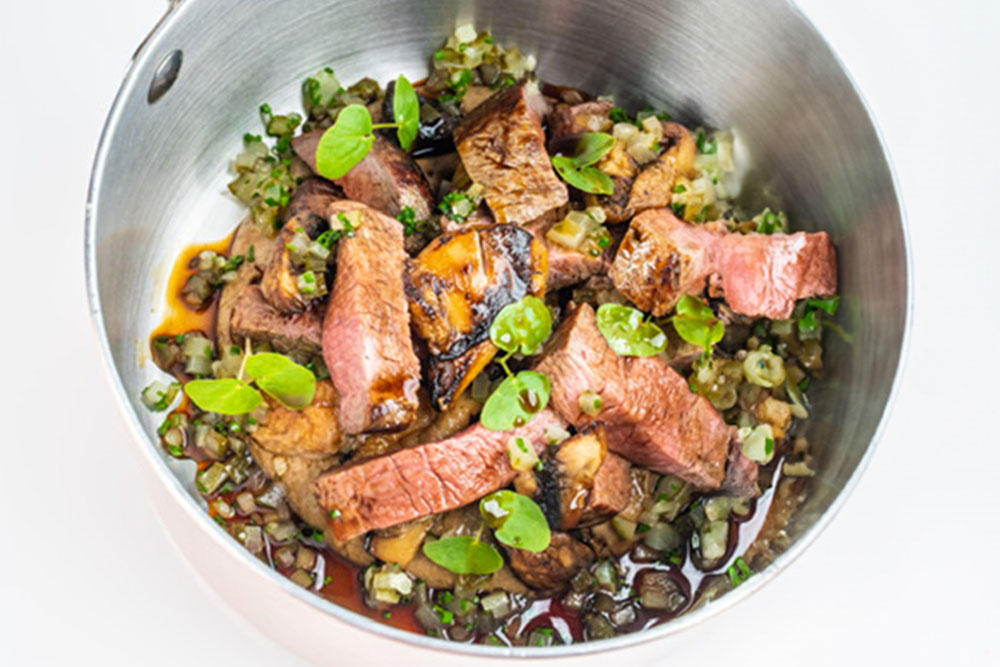
A our regional representative I must definitely mention him, we have been working with him for a long time, he is very helpful and very flexible. I can't remember a problem that has arisen that we haven't found a solution to. It's also important for us to source our materials from as few places as possible, reducing the possibility of mistakes or slips. Matusz is probably the supplier with the broadest portfolio in the market at the moment, so we get a lot of things from you. We order a wide range of fresh lamb and beef, duck liver. Our confectionery department has cream and Belgian butter 82% to help.
Due to the concept of the restaurant, we prefer to order fresh produce, but frozen fox mushrooms, a octopus and the shell is also of high quality. The ordering process itself and the delivery is also fast, even overnight deliveries every day of the week, in case we've miscalculated. This is handy for us because we don't have a lot of storage space, so we have to receive fresh goods several times a week. And what was particularly nice was that when we told our regional representative that we needed a cut of meat that we couldn't find elsewhere in the quality we were looking for, it was soon added to the selection at Matuz.
The restaurant has been operating since 1990, which is a feat few places in Budapest can claim, especially in this genre. What do you see as the secret of your success?
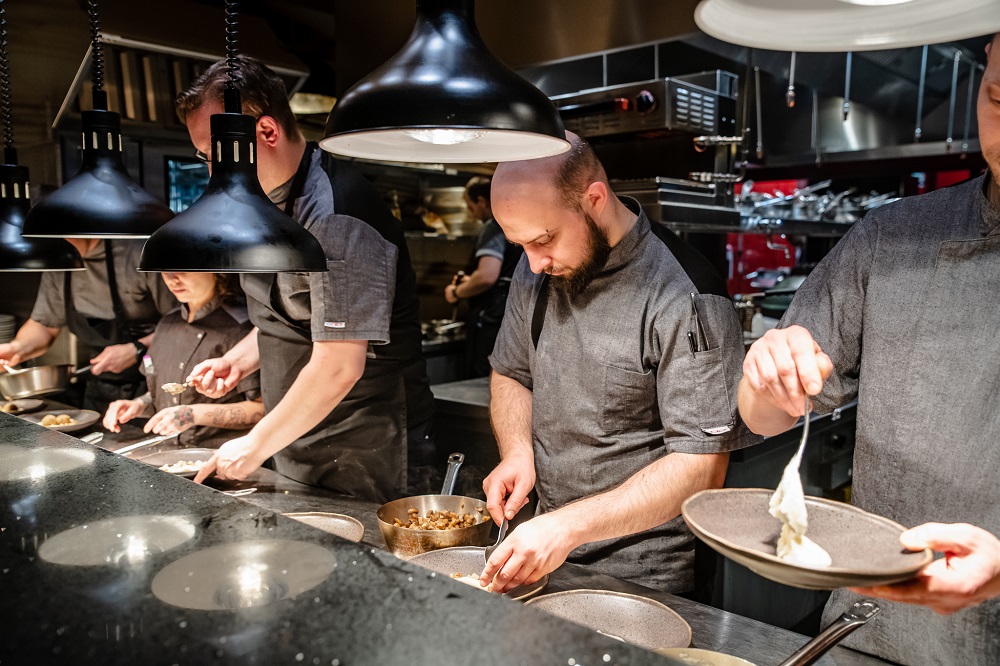
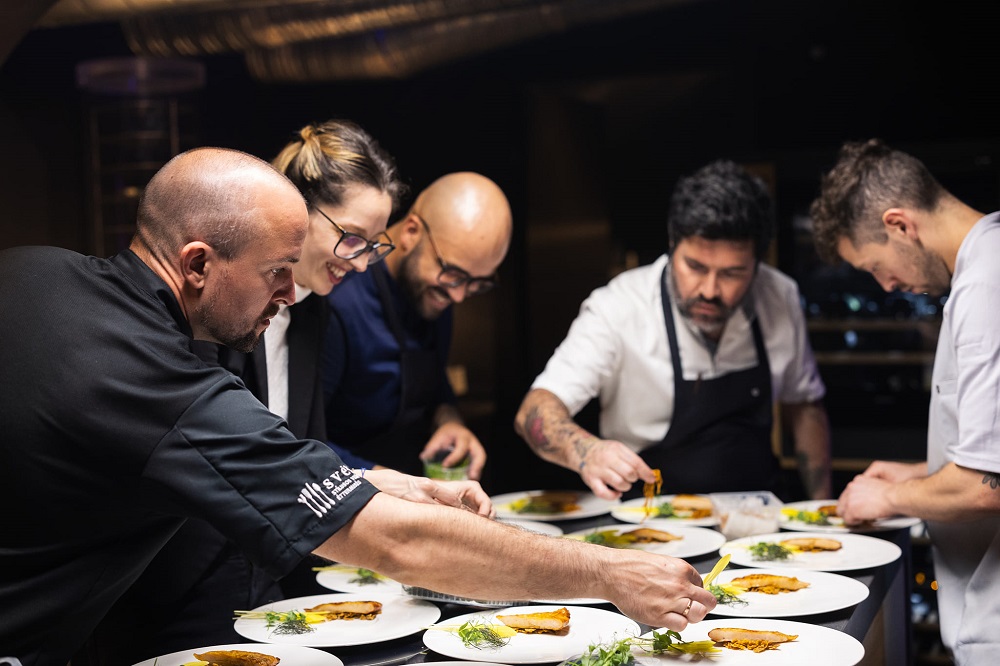
Without that, we certainly wouldn't have survived several economic crises and pandemics, without the fantastic ownership and the highly skilled, reliable kitchen team. We currently seat 35-40 people a night. To do this we have 4 waiters, but we chefs often appear at the tables to talk a little about the dishes. It's part of our concept. We believe that a fine dining no one has to be fussed, we want to have direct contact with our guests. Some dishes are finished at the table to enhance the guest experience.
How do you distribute your guests? It's not news to anyone that middle-class restaurant-going habits have been hit harder by inflation, but the exceptionally high inflation in Hungary has perhaps not left the upper classes, whether Hungarian or foreign, cold.
The Hungarian population has always been our base, before the epidemic there were perhaps more tourists, but not particularly so, now the ratio is about 60-40% in favour of Hungarians. We started to operate at our usual level almost immediately after Covid, but since the war we have indeed seen a slightly slower recovery in the number of guests, but perhaps we are starting to recover from the difficulties - I am thinking of the hospitality sector as a whole. On the other side, I see the lines starting to blur, especially with the emergence of fine bistros. Caviar is a good example here, it has always been expensive and it always will be, but tasting a degustation menu once or twice a year on a festive occasion is no longer, in my opinion, an unaffordable luxury. We also try to think in terms of making it economically worthwhile, but also to get as many people as possible to visit us. That said, we have become more price-sensitive, there's no denying that.
What is a recurring problem everywhere, from the bakery to the starred venues, is finding and retaining staff. And in this type of place, professionalism is essential. How much of a problem is this for you?
Certainly less than the average. The hardest good pastry chef and I hear that many people are struggling with this. There is a minimum turnover, of course, but I can say that the core has been working together for quite some time. I am sure that this is also largely due to the attitude of the owners, because they create an atmosphere and working conditions where it is simply good to come to work after months and years.
Address: 1015 Budapest, Ostrom utca 19.