






The new food trend is driven by experimental farmers and startups growing and cultivating exotic foods in unexpected places. Climate change not only makes it possible - it makes it necessary. Meanwhile, climate-friendly cuisine is attracting a growing following.
Hanni Rützler, an expert on food sovereignty, travels a lot. And during this period, she tries to do so in the most climate-friendly way possible. But it's not just the way we travel that has an impact on our carbon footprint food transport routes, which we cook up in our restaurants and home kitchens. Not so long ago, there were long supply chains and high emissions if you bought exotic fruits or seafood wanted to eat. The other option was to forgo them altogether in favour of the environment and opt for regional products instead.
No contradiction
While this sounds good at first, it's not entirely convincing - until innovative farmers and startups enter the picture. They're the ones who are shaking up the industry by trying bold new things, as tried and tested methods often no longer work because of high temperatures or low water levels. They are redefining the concepts of „regional” and „seasonal”, allowing us to enjoy unique flavours that we have not experienced before. „Local exotica” is the name of this exciting food trend, which is growing stronger every year. The current Food in the Report a list of farms in the D-A-CH region (Germany, Austria and Switzerland) that grow exotic plants or breed exotic animals, contains more than 80 producers and is by no means exhaustive.
SWISS PRAWNS, RHINE QUINOA, AUSTRIAN WASABI
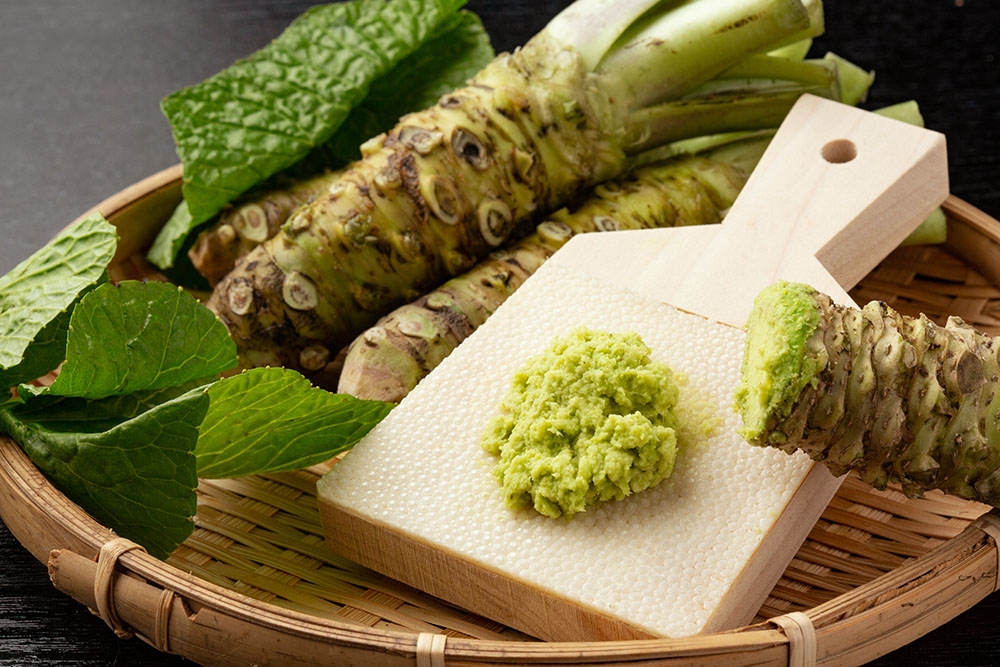
Most of these companies are based in Austria, but the list is being extended to other countries. One of the companies mentioned is the Burgenland PhytonIQ, which has attracted worldwide attention for its indoor wasabi cultivation. Thanks to sophisticated technology, this challenging crop, originally from Japan, can be grown sustainably in containers all year round. The LED technology is powered by renewable energy and the irrigation system saves 95 percent water and 85 percent fertilizer.
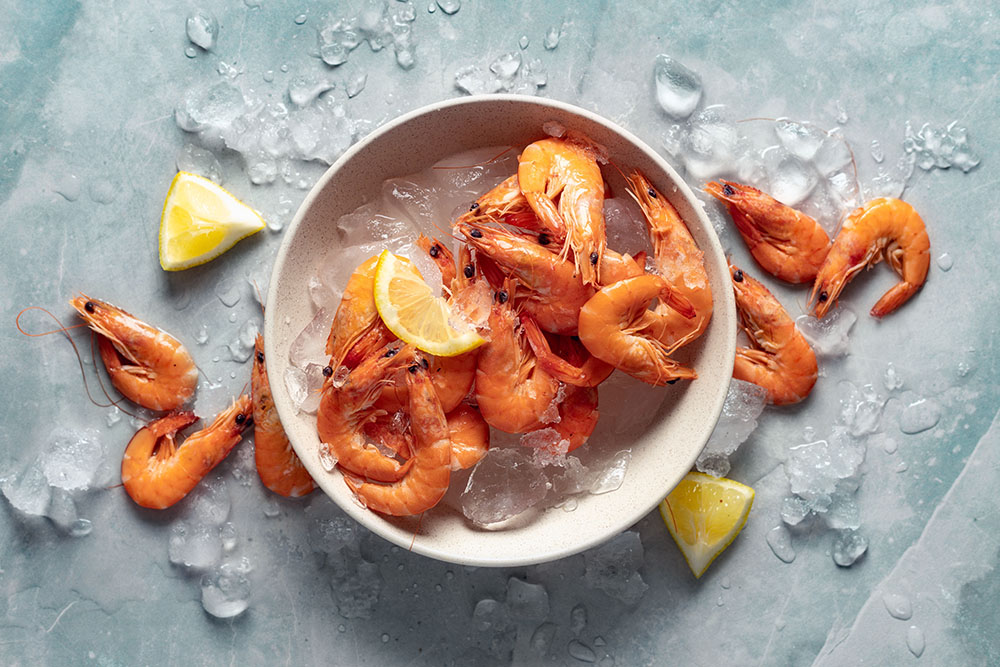
When it comes to neighbouring Germany, it turns out that quinoa is grown on the outskirts of Cologne. The founders call themselves Rheinland are called the heroes of the field and aim to significantly reduce carbon emissions through sustainably grown regional food. And in Switzerland, the Kunz family pioneered the transformation of the almost 300-year-old Eyhof farm piggery into a successful indoor shrimp farm.
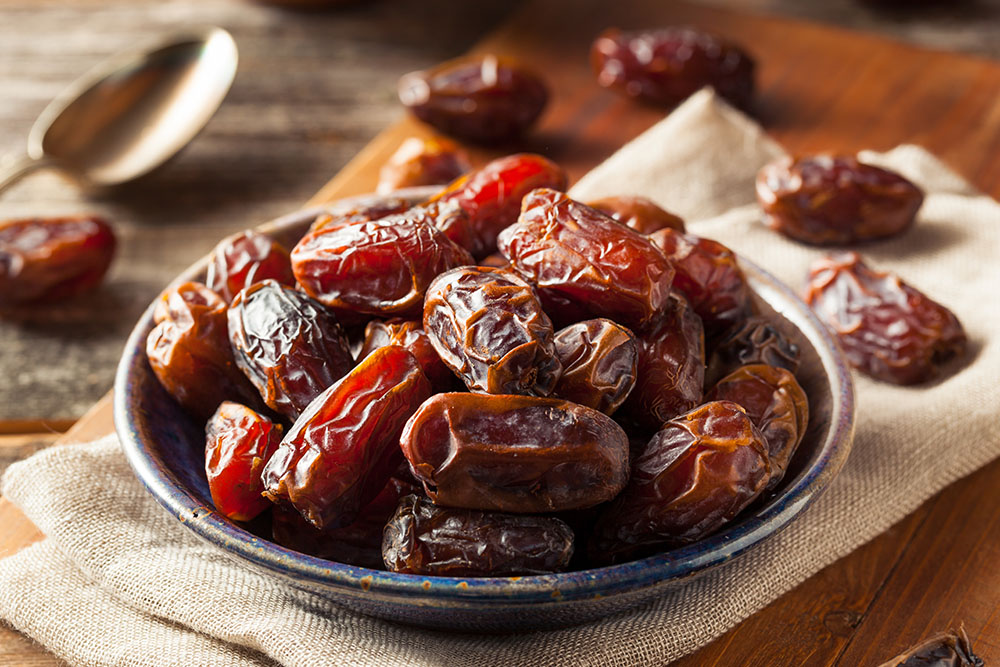
Meanwhile, in the heart of Europe, yaks and bison, zebu or Angus beef, as well as watermelons, pak choi and saffron. Soon papayas and maracuják they are also followed. In our small country there are families who, date plums are grown, different again planted a pistachio tree in the Kali Basin. It would be an exaggeration to say that new farms grow as fast as mushrooms. Nevertheless, the food movement continues to find supporters and forward-thinkers.
EGZOTIC PRODUCTS for a Climate Friendly Kitchen
Two years ago, it was a fragile movement, barely noticed by the outside world. Then the epidemic gave this development a real boost. The reason is that both the desire to migrate and the demand for domestic products have increased dramatically. However, supply was not very extensive and domestic agriculture had to fight hard to survive. climate change, while experiencing large harvest losses. Therefore, some farmers started to grow rice and ginger, artichokes or plant and grow peanuts - unusual foods in unusual places. This met the need for greater regionality and also offered a solution to the problem. More specifically, a solution to several problems. Regional growing ultimately means that exotic foods no longer have to be transported thousands of miles by truck, boat or plane around the world to end up on our plates. As a result, they have a reduced carbon footprint and don't need to be treated with unhealthy chemicals to last longer and survive the long journey. In fact, they taste different to what we're used to: better. On the one hand, they are fresher, and on the other hand, we no longer feel guilty when we enjoy or prepare them without a care in the world.