






This time, it is a topic that should be of interest to all those working in retail and hospitality. EPR, or Extended Producer Responsibility. EPR is an environmental policy that is being introduced in a growing number of places around the world to reduce waste and encourage more sustainable production and packaging methods.
What is EPR and why is it important in hospitality?
EPR, or Extended Producer Responsibility, is a environmental policy. It obliges manufacturers, importers and distributors of products to take responsibility for the entire life cycle of their products. This includes the process from production to consumption and finally to post-waste management. The EPR aims to encourage companies to adopt environmentally friendly production methods, reduce waste, increase recycling and generally minimise the environmental footprint of products. This means it's not just about what you put in your kitchen, but also about the packaging your suppliers use.
What is the difference between a product charge and an EPR?
Both aim to reduce environmental pressures and promote more sustainable production and consumption models, but they operate in different ways. The EPR is a broader policy principle that commits product manufacturers, importers and distributors to take responsibility for the full life-cycle spectrum of their products and packaging. Including the stages of waste generation and disposal. In contrast, a product charge is a more specific financial instrument, levied on certain products to cover the costs of addressing environmental impacts directly.
Why is EPR so expensive?
The composition of the levy in EPR schemes may vary from country to country and from scheme to scheme. It is usually made up of several elements, which have recently increased enormously, and the situation is not helped by the fact that the Mohu monopoly position.
- Weight-based fees: It is one of the most significant parts of the amount to be paid, as EPR schemes often calculate their fees based on the weight of the products packaged. This provides an incentive for companies to minimise the weight and volume of their packaging and to use more environmentally friendly packaging solutions. look for.
- Waste management costs: This may include the costs of waste collection, transport, recycling and disposal. The EPR aims to ensure that these costs are borne by the producers of the product. This encourages them to produce less waste and create products that are easier to recycle.
- Administrative costs: This includes the costs of running, monitoring and controlling the EPR programme. This includes, for example, the operating costs of the organisations responsible for managing the scheme, data collection, reporting and auditing.
- Environmental fees: Some schemes may include extra fees or charges. These are specifically designed to finance environmental projects or mitigate environmental damage.
- Product-specific fees: In some cases, the level of charges may also depend on how difficult the product is to recycle or how harmful it is to the environment.
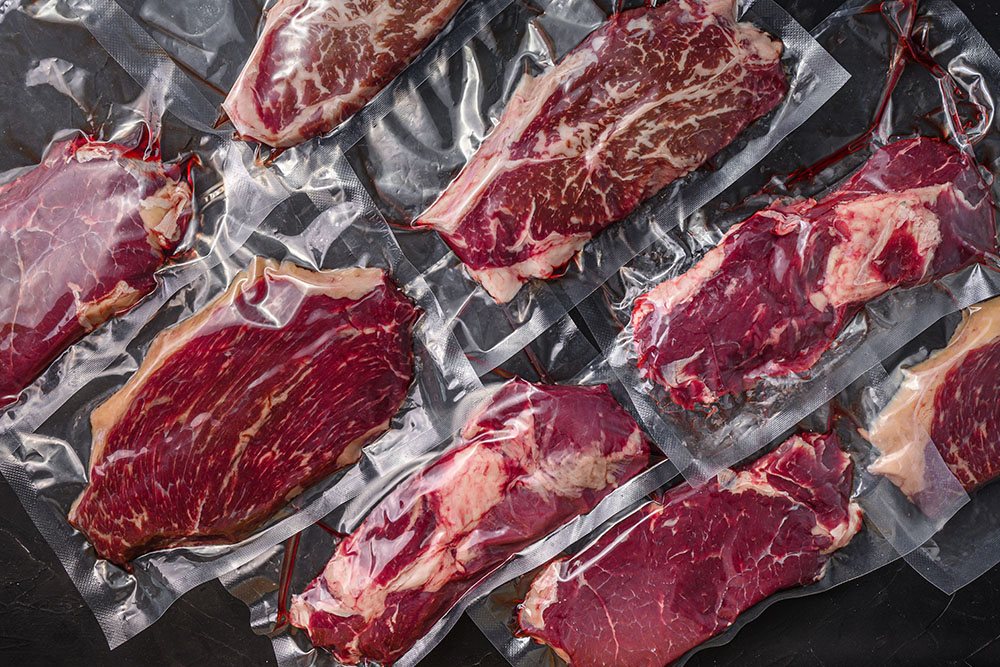
Everyone is trying to pass on the increased prices in their own way. This will ultimately lead to an increase in the price of the product, which therefore runs counter to the fight against inflation. The only thing the manufacturer can save on is the weight of the packaging. Therefore, it will use lower quality packaging material with fewer layers, since the increased prices for the tried and tested packaging used previously will force the producer to pay many times the product charge, which for a wholesaler means tens of millions of euros more per year. In addition, lower quality packaging makes products that have travelled even a short distance much more vulnerable to damage. In the catering industry, home delivery, locally packaged food and drinks packaging are particularly affected.