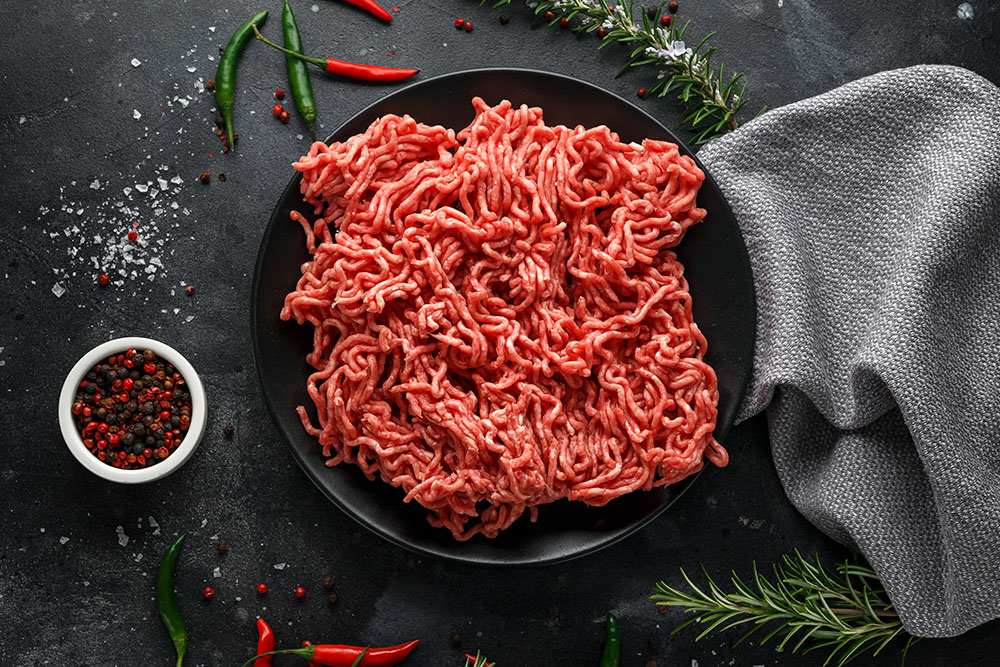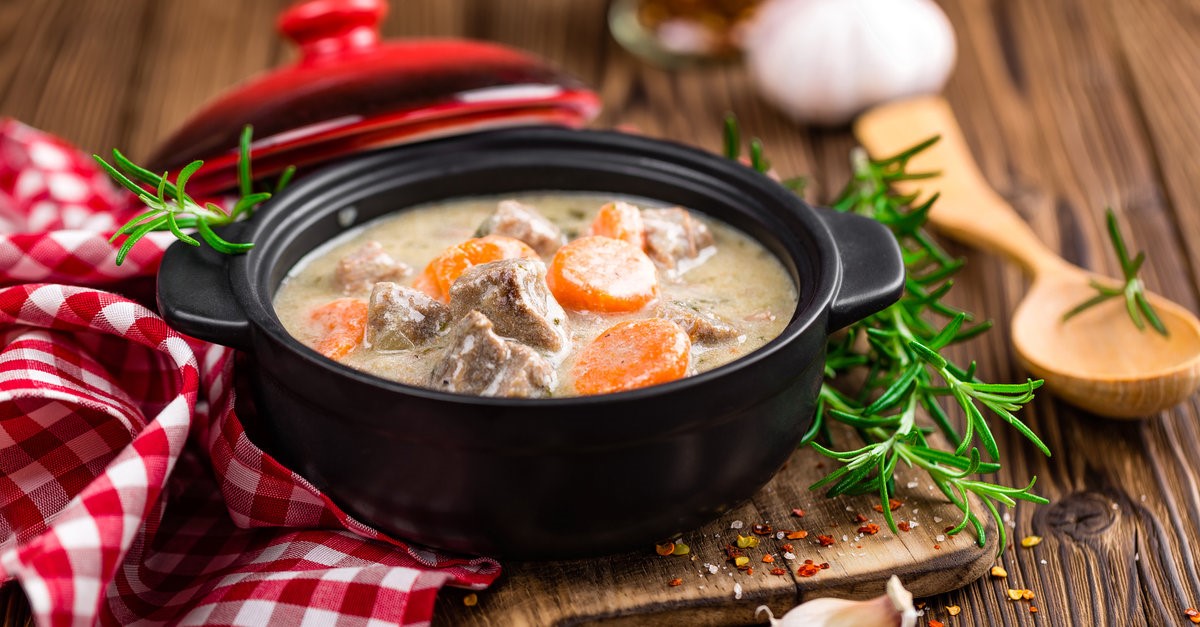







In the previous section, we looked at, among other things, when, what meat-to-fat ratio to use and what to look out for when frying. However, if you really want to become a master of minced beef, there are a few more things to keep in mind.
Safe handling
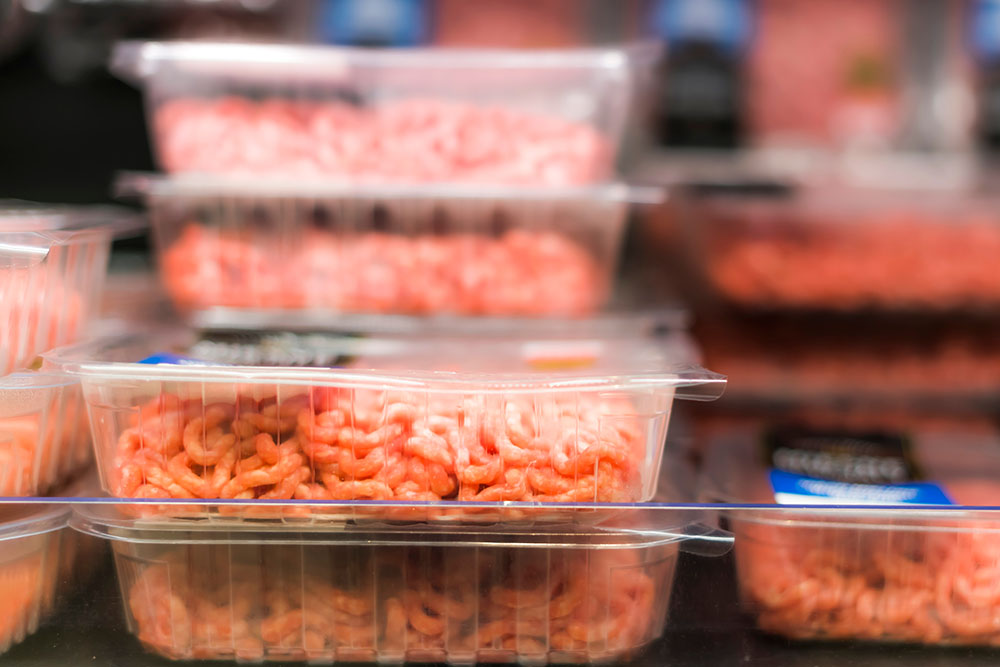
Before you start working with ground beef, there are some basic principles, what you need to know about safe handling to avoid foodborne illness. Because ground beef has a larger surface area than whole cuts of meat, and is sometimes made from different parts of the animal, it has a higher chance of contamination and spoilage.
It may not be necessary to wash the beef before use, but it should be stored in the fridge at 5°C and used within a day or two of purchase. If you can't, be sure to freeze it before cooking. If you notice a slimy texture or a sour, rancid smell, it's definitely rotten. Sometimes beef can turn slightly brown from oxidation, but if it turns greyish brown or shows signs of mould, be sure to discard it.
Drain the fat
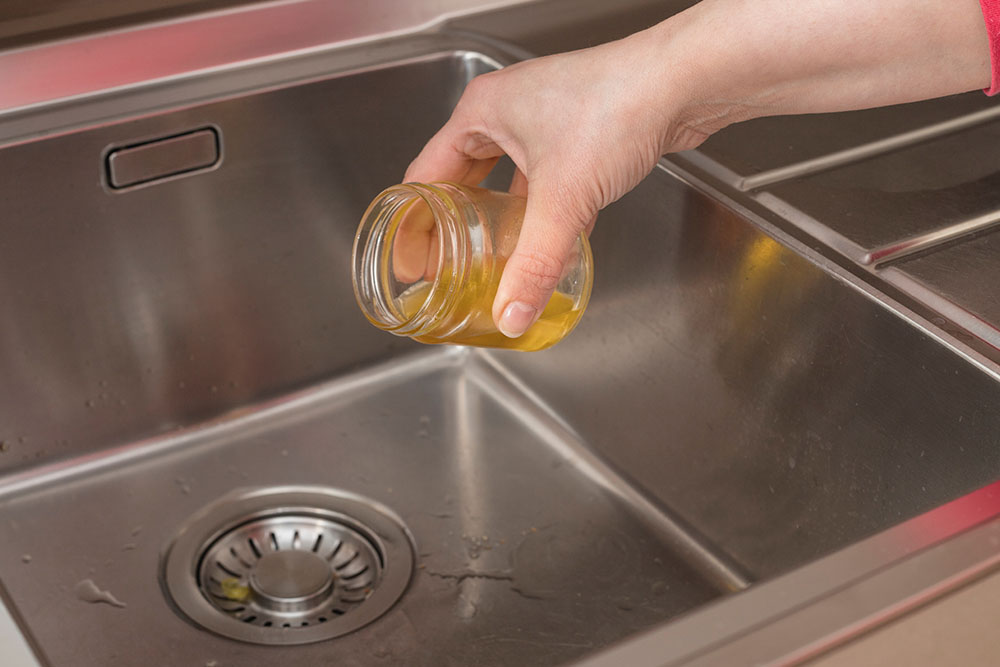
When you fry or roast beef, the fat runs off and becomes runny and it is important to know how to remove it properly when cooking with ground beef. While this may seem like a no-brainer, there is a very important reason to never pour the fat down the kitchen sink (or any household drain). In the same way that Fat becomes liquid when it heats up, solidifies when it cools down. If you pour liquid grease down the drain, it will coat the pipes and cause blockages, which can lead to huge plumbing bills.
Read it correctly
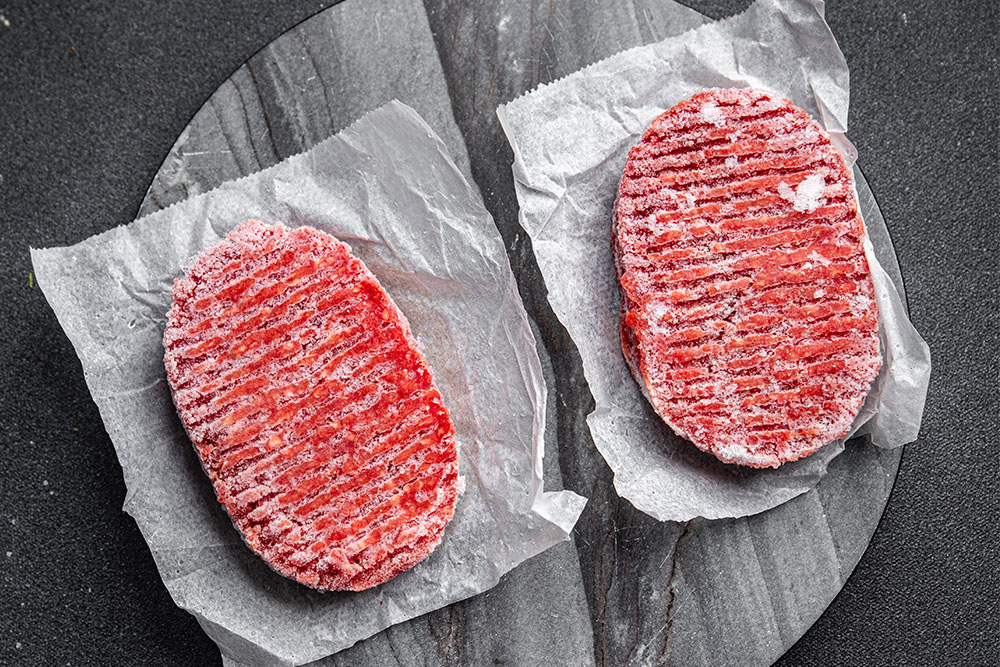
If you're in a hurry, you may be tempted to throw it in the pan and defrost it when you shouldn't. The ice crystals in frozen beef can melt quickly and disrupt the browning process, as well as take away a lot of flavor. The best method is to let it thaw slowly in the refrigerator overnight.
Another way to make this process easier is to freeze it correctly, i.e. make sure that the meat is exposed to as little air as possible. If you have already vacuum packed coming from the store, leave it at that. You can also split it into smaller, more manageable portions before freezing, so you'll have less to wait for when you need it.
Spice up the perfect moment
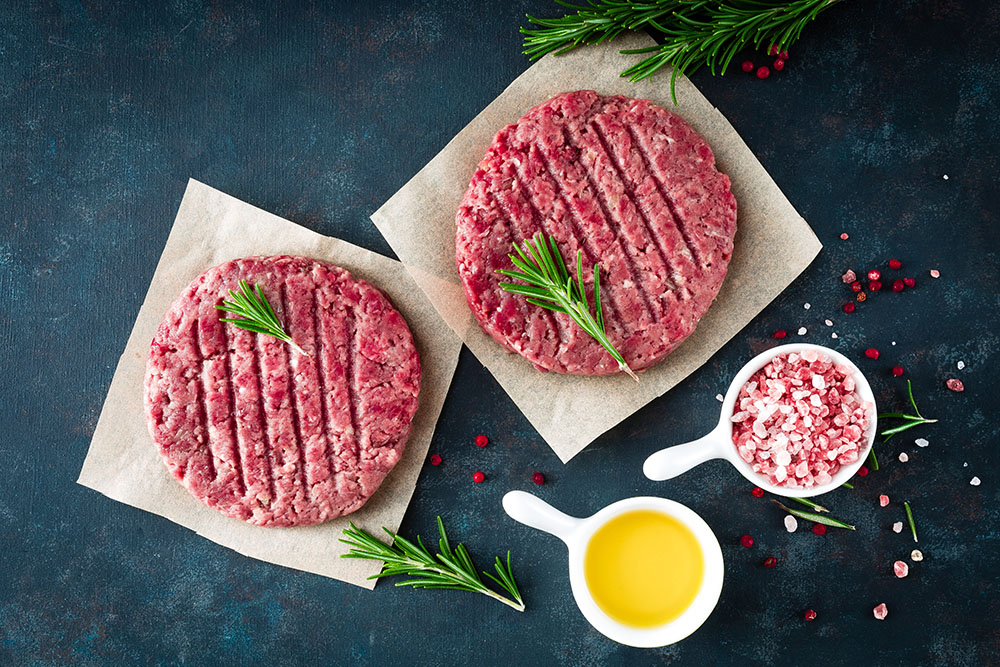
Many people do not realise that the timing of seasoning can play a crucial role in the final result. Salt is more than just a flavour enhancer - it can actually change the chemical structure of the food it is added to. When making a burger, for example, one thing you should never do is salt the ground meat too early. The chemical reaction between the salt and the meat can dry it out, so only salt them right before you put them on the grill.
Dry spices require a different type of treatment. From ground cumin, coriander, Peppers or chilli powder become tastier, if they are heated in oil and are better distributed in the food. For example, when making Texas chili, it is best to add the spices to the hot pan after draining the fat, but before adding any liquid ingredients, so that the spices can properly expand.
Soak the meat in cream
You've probably heard that soaking chicken in sour cream before frying makes it softer and juicier, but did you know that a milk bath can have the same positive effect on beef? It may sound like a TikTok tip that won't work if you try it, but soaking ground beef in cream is a truly proven cooking technique, adopted by the iconic James Beard himself.
When ground beef is soaked in cream, it protects the meat proteins from overcooking, which also helps to keep the meat moist. To incorporate this technique into your own toolbox, use 1-2 tablespoons of cream per kilo of ground beef. Allow the combination of meat and milk to soak overnight in the refrigerator before proceeding with the rest of the recipe.