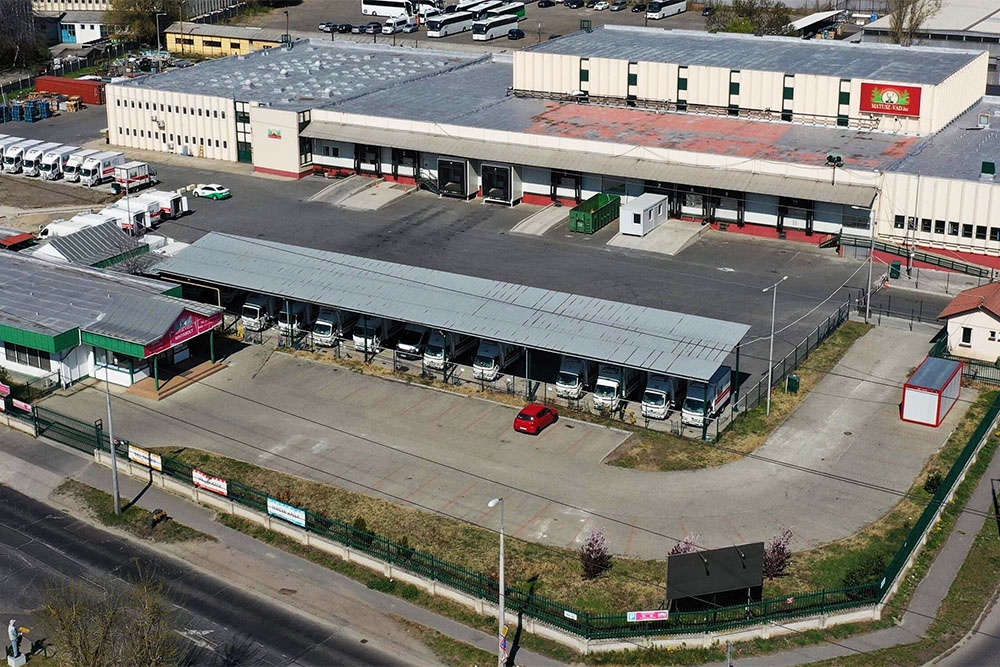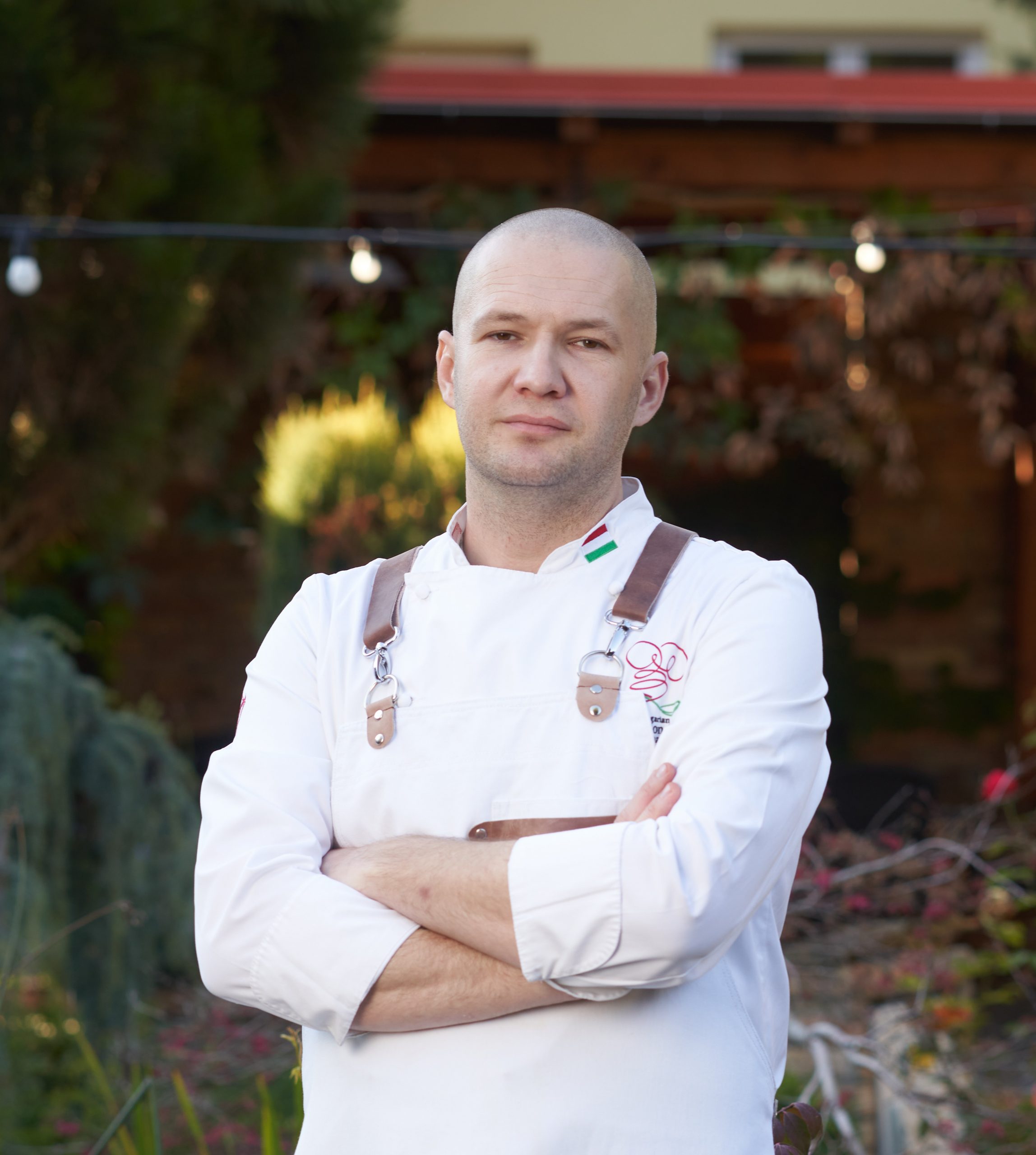





Matusz-Vad Zrt., celebrating its 30th birthday this year, has reached an exciting milestone. Our founder, Balázs Matusz, after numerous awards and business successes, is stepping down as CEO and will in future take part in the life of the company as Chairman of the Board of Directors. We spoke to his successor, Bertold Simon, who has been working as the owner's right-hand man for almost two decades.
Bertold Simon is no stranger to the Matusz team, having worked for the company for 17 years in various roles, during which time he has developed an in-depth knowledge of all aspects of the food industry. This period has given him the opportunity to gain a wide range of knowledge and experience that will now enable him to lead Matusz Wild Zrt. towards new successes. In his position, he faces many challenges, including rapid changes in the industry, the sustainability and continuous innovation. But while addressing these challenges, it also faces new opportunities. In our interview with him, we seek to provide an insight into his management philosophy, his plans at the helm of Matusz Wild Zrt. and find out how he sees the future of the company and the food industry. The conversation will cover personal inspiration, shaping the company culture, the changes taking place in the industry, and what advice he has for the next generation of professionals.
Judit Bercely: What innovations do you plan to introduce in the company to promote the development of food wholesale?
Bertold Simon: I would rather say what I can do to help our partners. A thorough needs assessment always precedes our planning. In the last 3-4 years, we have seen that the needs of our clients are always very high. labour shortages so we are constantly looking for products to address this problem. See souvid, breaded - we force a range of products called convenience products. We need to keep improving this.
BJ: How do you integrate sustainability and ethics into your business model?
SB: It's definitely important to find a balance with our environment so that future generations can continue to use the Earth's resources. Unfortunately, electric trucks are out of the question for us because of the low load capacity and payload weight, but we are thinking about a green passenger car. This is still in the future, but we have already started to explore our options. Packaging is to some extent an industry problem, and as much as we would like it to be, it will not be solved by Matusz, but by the production side itself.
BJ: What role do you see the company playing in shaping and supporting modern gastronomic demands?
The company has always been at the forefront of this and is renowned for its innovation. I think we've gone back to square two and made it stronger. Just think of the To buy fresh fish and a lot of our proprietary product, be it a convenience product or a niche commodity. We are planning to participate in 8-10 world exhibitions, we are constantly researching new trends and we are trying to bring in extra cultures, and we also want to be a leader in premium gastronomy. I think this is what our partners expect from Matusz-Vad.
BJ: What current market trends do you see as key for wholesale and how does the company plan to respond to them?
SB: On the product side, promoting healthy eating can definitely be an objective for the company. Here, I think the vegan/vegan formation has been hitting the peaks for two or three years now, but they keep coming meat or cheese substitutes. I think we are leading the way in this, so we can cover the whole portfolio from meats to desserts. Unfortunately, there is a huge gap between the capital and the countryside in this respect. There, they do not even like to deal with it, and the vegetarian offer is still limited to fried vegetables, saying that there is no demand for them, and they are expensive. As long as the chef or the owner grasps it from an economic point of view, and something is expensive, plus you have to sell a lot of it, it will be ultra expensive. So I think the first breakthrough in the countryside will come when these products are no more expensive than their basic counterparts, or at least not as much as they are now.
BJ: What is the company's strategy to expand in neighbouring markets and increase competitiveness?
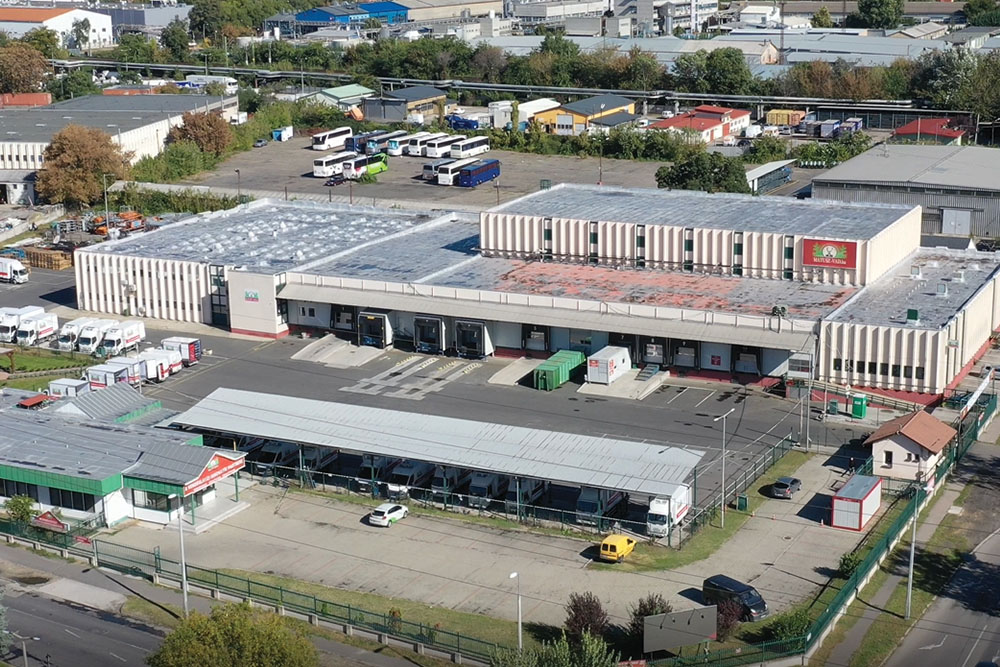
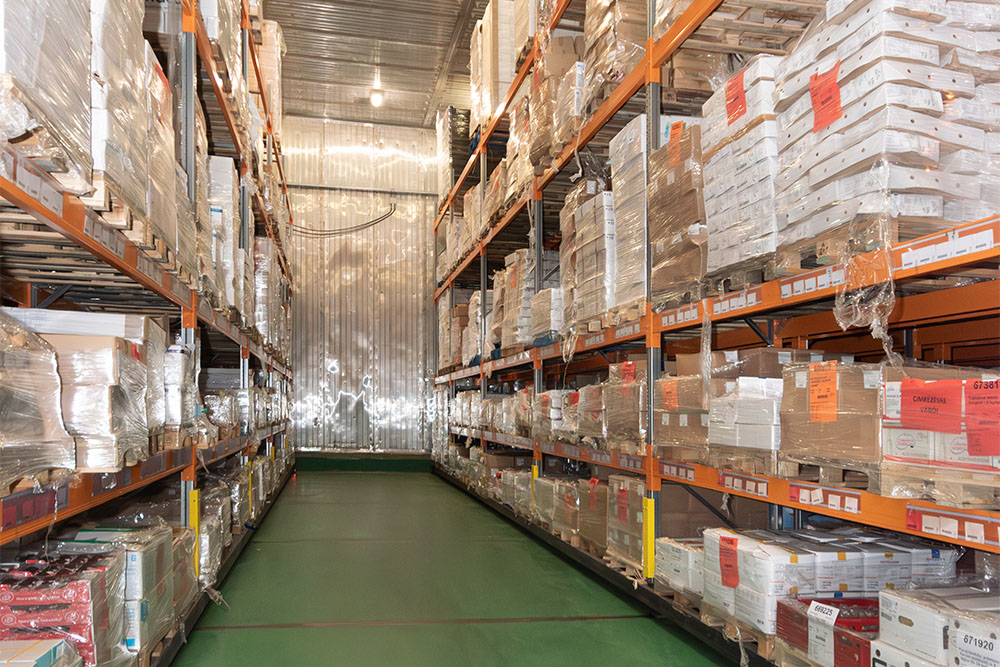
SB: It is absolutely true that we are trying to “re-clone” Hungary, but we have a completely different market mix. We are aiming at quality hospitality, both in Austria and in Slovakia, where we are mainly supported by the two big cities, Bratislava and Vienna. In addition to quality catering in Austria, public catering could also be of interest to Matusz-Vad. Unfortunately, or not unfortunately, there is a completely different expectation of ingredients in public catering outside than in the country. There the basis is to provide a la cart standard in hospitals and both in kindergartens. It would be good if Hungary could reach this level. And in both countries, the company has reflected well strategically on the mix of cultures, especially Muslim compliance. At the moment we have 35% customer mix that is of a different nationality. We are also trying to modernise work processes at both our Győr and Budapest sites, with a strong focus on robotisation to help us work faster and more efficiently.
BJ: How do you plan to shape the company culture as CEO, and what values do you think are important to promote?
SB: First of all, I would like to improve communication. We have an ongoing effort to do that, and I would add that it's probably the management that needs to step up a level. I would like to pay special attention to the employees, and I understand that in all areas. I want them to feel appreciated, and I think a key issue is to encourage employees that they are in a good place. I think I am a living example of that. A even the smallest person has a perspective. I also went from being a regional representative to a CEO, so nothing really matters, just results and attitude. It doesn't matter if there are smiling colleagues in the corridor or sad faces, so I would like to be able to have a dedicated month in the future, even if it's a garden party-kat, or any team builder I can use to make the atmosphere more positive. I also want to put more focus on individual development. I'm thinking of a study contract to support colleagues' language learning, or any online or offline workshops or courses to help colleagues develop their professional skills in their field.
BJ: What are your plans for the future?
SB: We have been defining stakeholder preferences for two or three years. This includes, of course, the customer himself, whose interests are the top one, the owner, the management, the employees and, of course, the authorities. I believe that a good business should pay attention to the win-win. Everybody has expectations, just as much an authority, an employee, the owner or the customer. They have to be maximised and satisfied, and we want to move up a level in the coming years.