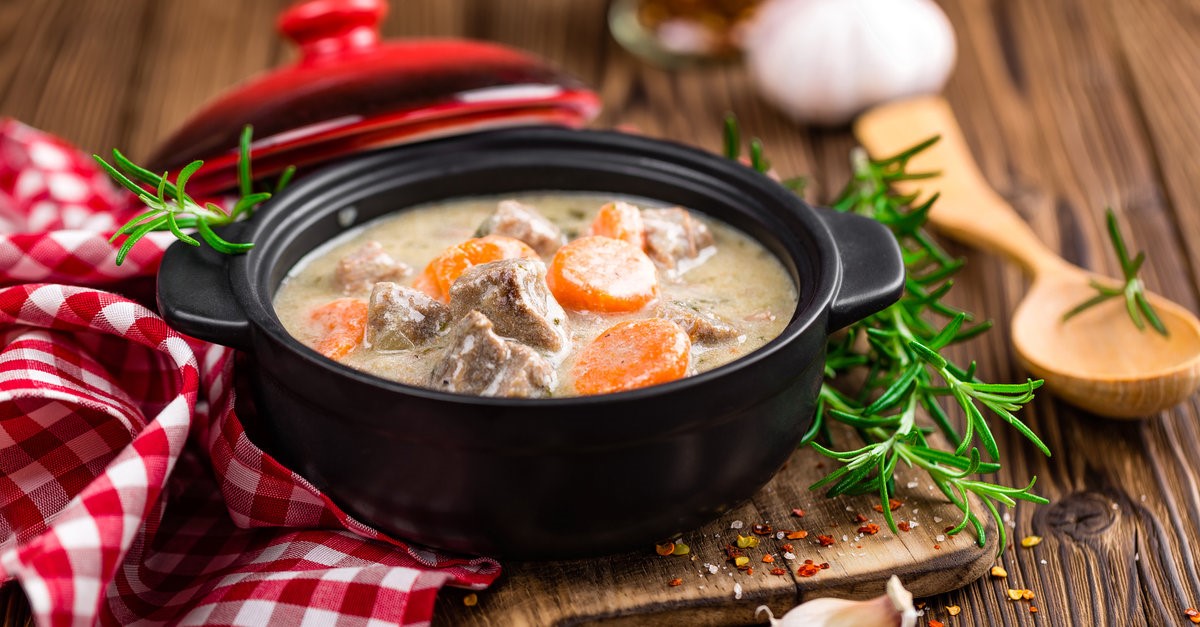






A game meat has been part of Hungarian cuisine for centuries and is now enjoying a renaissance. A wildlife demand is growing, as chefs and consumers alike recognise that the venison, venison or just the wild boar meat offers not only a unique culinary experience, but also a healthy and sustainable alternative to the everyday diet. The Hungarian game gastronomy today both upholds tradition and sets new trends in modern gastronomy.
Gastronomic trends: from traditional game dishes to fine dining
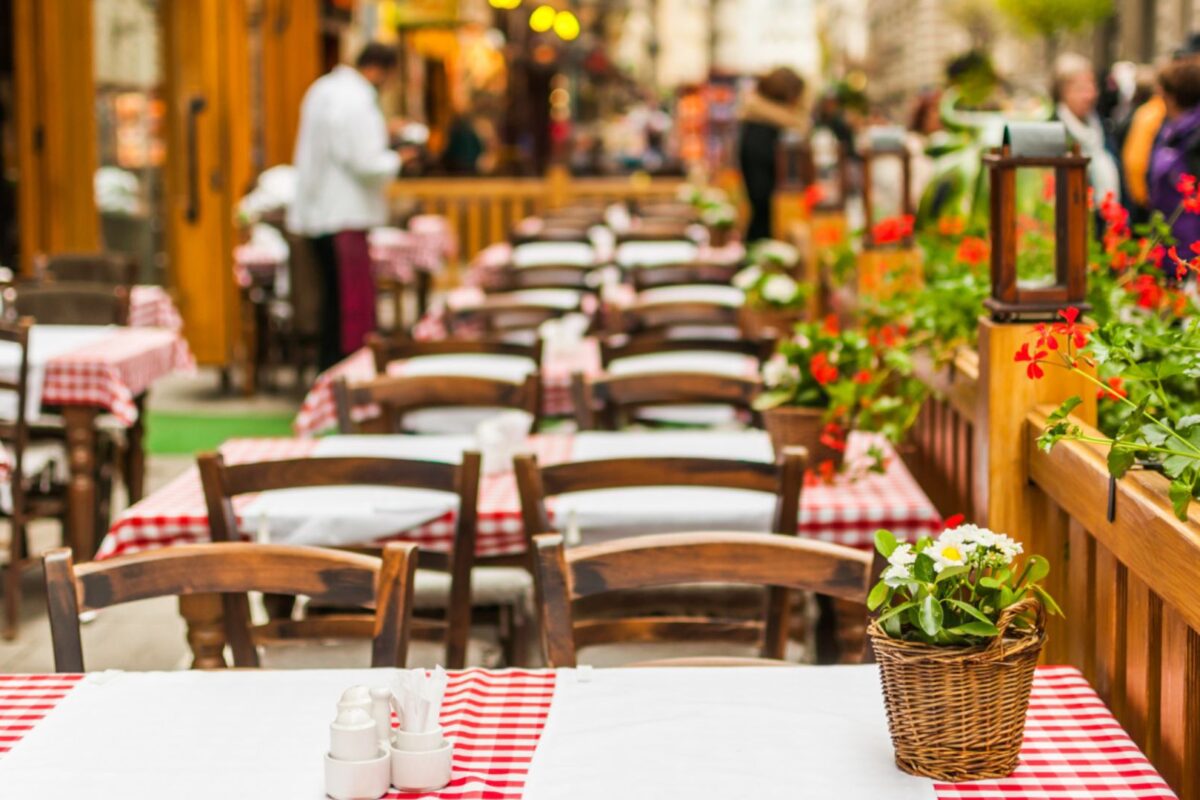
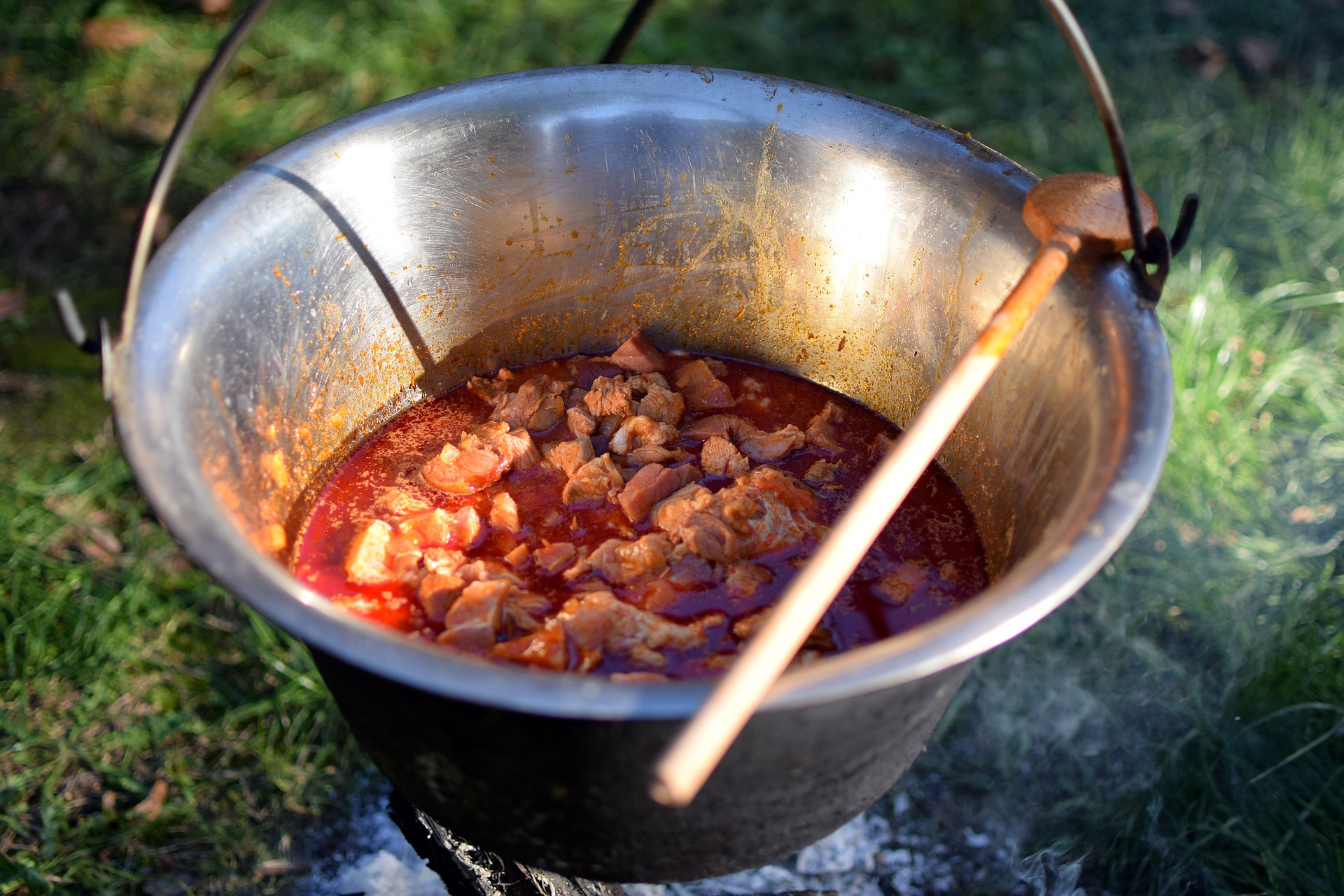
The classic Hungarian wildlife, such as venison stew or venison ragout, remain popular, but chefs are increasingly turning to game meat in modern, creative ways. A game gastronomy is a premium ingredient in the world of fine dining, coming from a natural, pure source. For the farm-to-table and slow food movement, game meat is one of the most valuable ingredients because it is a local, seasonal and environmentally conscious choice. The #vadateszem movement is also gaining momentum on social media, giving a new impetus to the popularity of game dishes.
Types and specialities of game meat
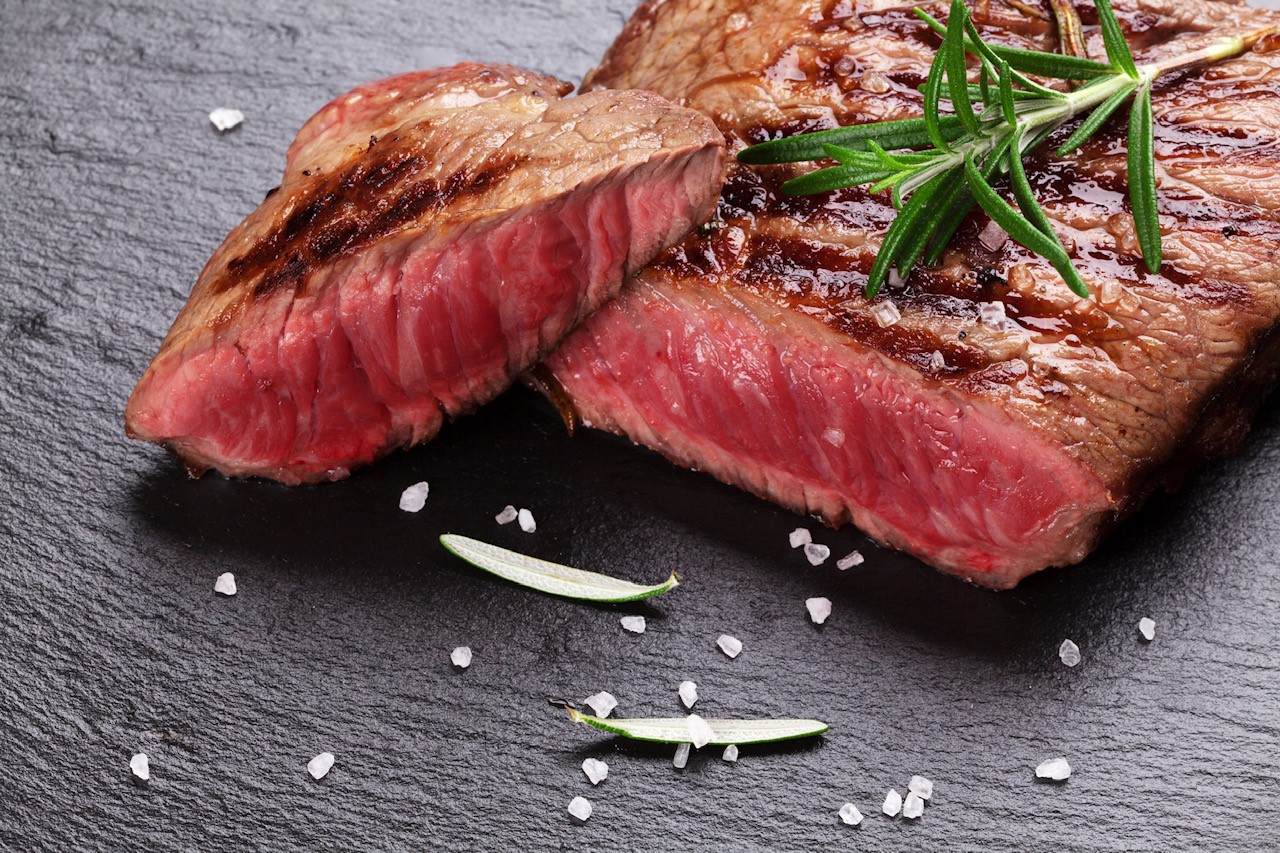
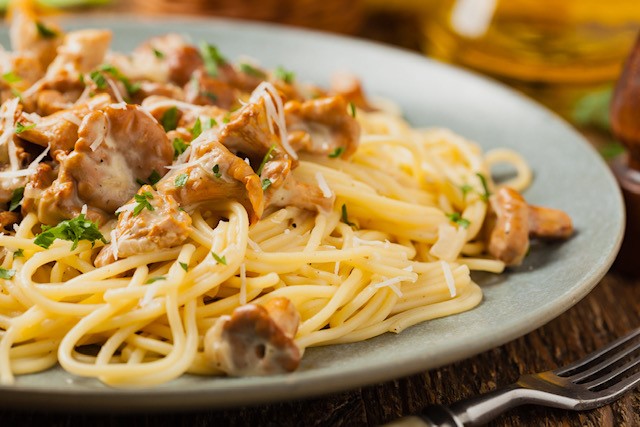
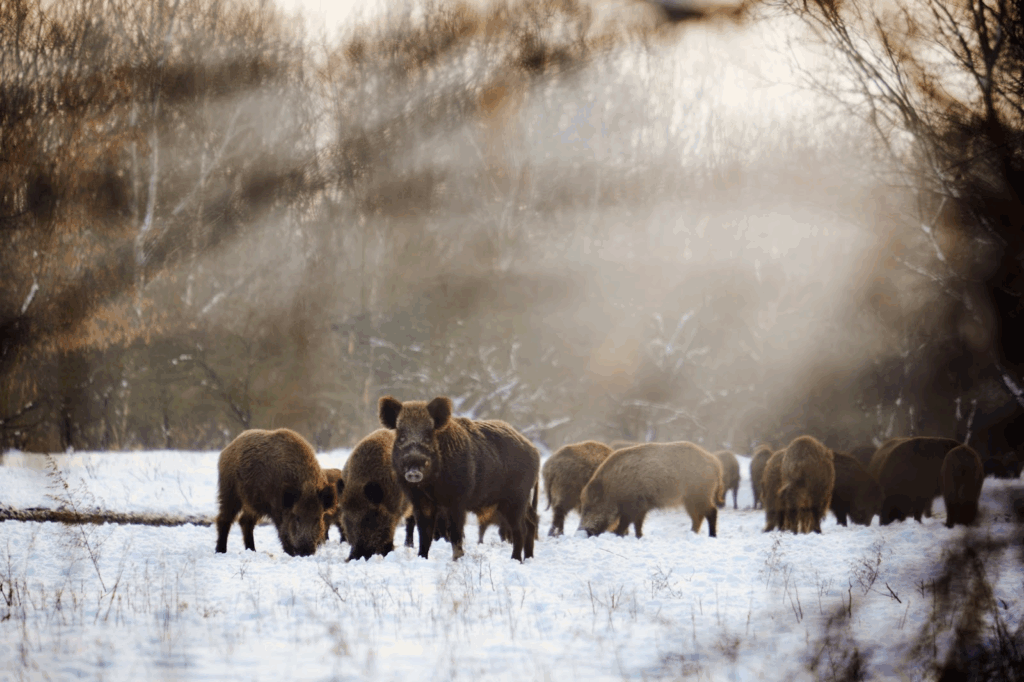
The best-known meats include venison, a venison, a wild boar meat, as well as winged game such as pheasant and the forj. They all have their own special character: venison is soft and lean, deer is full-flavoured, wild boar is rustic and game birds are ideal for lighter, more elegant dishes.
But the gastronomic world does not stop there: the Matusz-Vad also offers exotic specialities such as crocodile tail, a kangaroo or the zebra. Although these are not traditional Hungarian game dishes, they add an exciting colour to the menu and satisfy the curiosity of gastro adventurers.
Nutritional benefits: choosing healthy meat
A consumption of game meat a health-conscious decision. The meat of deer and roe deer contains only 1-2% of fat, while wild boar contains 5-15%, which is still more favourable than that of domestic pigs. In addition to their high protein content, they are rich in B vitamins, vitamins A and E, and important minerals such as iron, zinc and phosphorus. Game meat is therefore not only a culinary delight, but also one of the best choices if you really want to healthy meat would be on the table.
Consumption patterns in Hungary
In Hungary, the consumption of game meat currently low: around 0.1 kg per person per year. By comparison, the average is 1-2 kg in Austria and Germany and nearly 6 kg in France. In our country, game meat is mostly consumed seasonally, during hunting seasons and festive occasions. Specialist shops and restaurants are playing an increasingly active role in moving game meat out of the „special occasion” category and into the mainstream of everyday gastronomy.
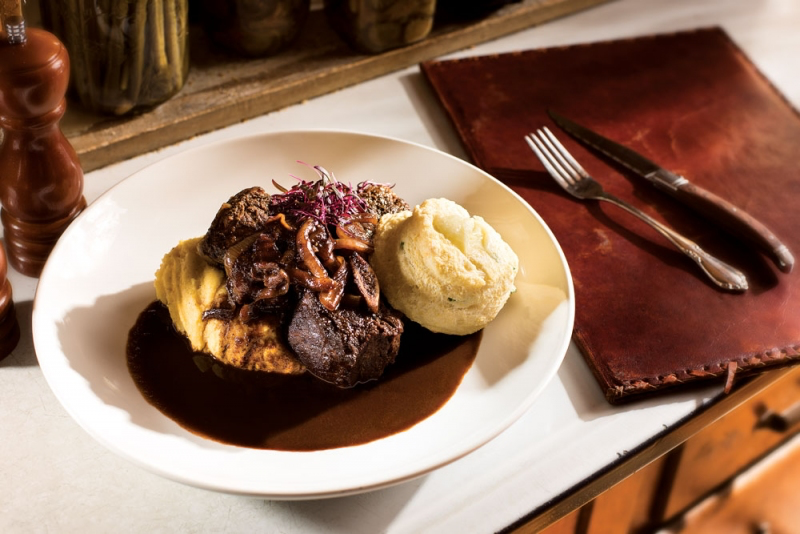
Hungary per year produces 3500-3800 tonnes of game meat, 85-90 percent of which is exported, mainly to Austria, Germany and Italy. This means that there is huge potential in the domestic market. Increasing domestic demand not only enriches the gastronomic offer, but also contributes directly to the development of Hungarian game farming and the sustainable hunting to support.
A hunting and wildlife management aim to regulate game populations and maintain ecological balance. Game meat is therefore not only tasty and healthy, but also a responsible choice for nature conservation. All wild game meat placed on the market is subject to strict controls by NÉBIH, so consumers and restaurants are guaranteed a safe source of raw material.
A Matusz-Vad Zrt. It is one of Hungary's leading companies in the marketing of game meat and has been working for decades to restore game dishes to their rightful place in Hungarian gastronomy. In addition to the classic game species, exotic meats are also available, giving chefs and restaurateurs alike access to a variety of ingredients. The company's aim is to provide wild meat order simple, reliable and always available to all partners.
Why increase your consumption of game meat?
Eating game meat is a healthy, environmentally conscious and culinary exciting choice. It helps the domestic hunting and wildlife management, contributes to the balance of nature and supports the development of Hungarian gastronomy. Every portion of game meat consumed is a step towards making Hungarian cuisine richer, more sustainable and healthier.
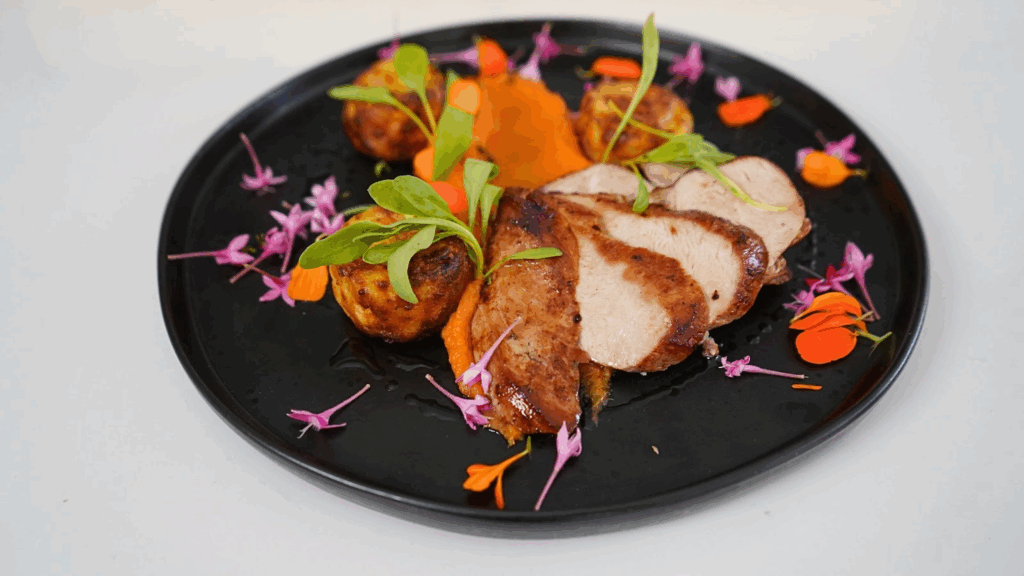
Recipe:
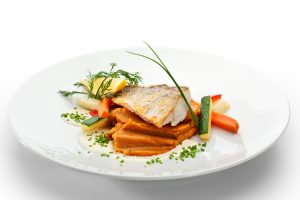
Pheasant breast fillet with sweet potato cream and Jerusalem artichoke-parsnip gratin
Ingredients (for 4 people)
- 4 pieces cleaned pheasant breast fillet
- 50 g vaj
- 2-3 sprigs fresh thyme
- 1 clove garlic
- Olive oil
- Salt, freshly ground pepper
Preparing pheasant
- Season the pheasant breasts lightly with salt and pepper and leave for 5-10 minutes, to allow the salt and pepper to penetrate the meat.
- One pan heat 1 tablespoon of olive oil, and then fry the pheasant breasts on all sides until nice and brown golden brown crust does not develop. It is then pined for a short time.
- Put 50g butter, 1 tablespoon olive oil, garlic and thyme in the pan and let it start to smell.
- Return the pheasant breasts to the pan and, using a spoon constantly baste with the melted, fragrant butter and oil mixture for about 1 minute until fully cooked (juicy but cooked through).
- Let rest for a few minutes before serving, then slice and serve.
Sweet potato cream
Ingredients (4 servings )
- 400 g sweet potato cubes (darta)
- 30 g butter (cold, cubed)
- 60 ml cream (30%)
- 20 ml milk
- salt (fine sea salt)
- white pepper (freshly ground)
- pinch of nutmeg
- (optional) 1 tsp honey or maple syrup
- (optional) a few drops of lemon juice
Preparation
- Cook the sweet potato cubes in lightly salted water until tender (about 10-15 minutes).
- When ready, strain and leave to steam for a few minutes to remove excess moisture.
- Puree while still hot, adding the cold butter (thermomix).
- Heat the cream and milk slightly, then gradually add to the puree in a thin stream until a silky, creamy consistency is obtained.
- Season with salt, white pepper and a little nutmeg.
- You can sweeten it with honey or maple syrup to taste, or freshen it with lemon juice.
- For a perfectly smooth consistency, pass through a fine sieve.
Jerusalem artichoke and parsnip gratin
Ingredients (for 4 servings)
- 12 pieces prepared, individually frozen gratin with Jerusalem artichokes and parsnips
- (optional) 20 g grated Parmesan to the top
- (optional) 1-2 sprigs fresh thyme for decoration
Preparation
In the oven:
- Preheat the oven to 200 °C.
- Place the frozen gratins on a baking tray lined with baking paper.
- Without thawing, Bake for 10-15 minutes, until cooked through and lightly golden brown.
- If you like, you can sprinkle grated parmesan over the top in the last 2-3 minutes of baking.
- Garnish with fresh thyme before serving.
A game meat and the wildlife are opening up new gastronomic opportunities in Hungary today. On healthy meat is both a gourmet experience and a responsible choice. A Matusz-Vad mission is to make game meat not just a seasonal speciality, but part of everyday life - supporting Hungarian hunting, sustainability and the diversity of Hungarian gastronomy.