
We are about to have another long weekend, although for many it has been minimised by working from home during the pandemic. However, I would not pass by the current weekend without saying something, because it will be a holiday in our little country, namely Pentecost. I did a little research on what exactly we celebrate and of course what kind of food we should put on the table.

May is also known as the month of Pentecost, as it is a movable feast, falling on a different day each year. It is linked to Easter, the fortieth day after Easter is Holy Thursday, the fiftieth day of Pentecost, this year 24 May. Like Easter, it's a longer, week-long holiday, but two days are officially observed.
Pentecost is a feast day in the Christian Church, with many traditions and customs, the Christian Church commemorates the descent of the Holy Spirit on the apostles after Jesus' ascension. Pentecost is also the day of the birth of the Church.
There are many places where pilgrimages are held on this day, and one of the most significant and well-known Pentecost traditions is the pilgrimage site of Csíksomlyó, which has become a pilgrimage site not only for Christians but also for Hungarians in recent years.
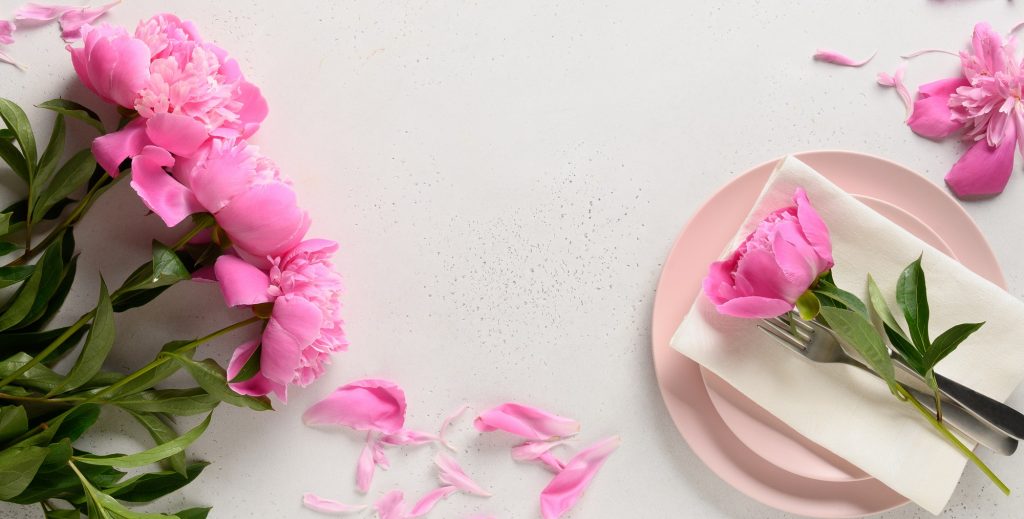
In much of Europe, Pentecost or May Day elections have been held since the Middle Ages. The small domestic, village equivalent of this is the “Pentecostal King” election. A horse race, bowling and fire-pulling to decide who gets to drink for free in the pub for a year as Pentecost King. Regular dances and balls were held, also known as the 'mating feast'. On Pentecost, green branches (elderberries, peony, jasmine) were placed to ward off evil spirits; in some places the maypole was also placed at this time.
But let's get to the most interesting part for me, what's on the table?
Even after much research, I found very little information, there is no gastronomic culture behind Pentecost as there is for Christmas or Easter.
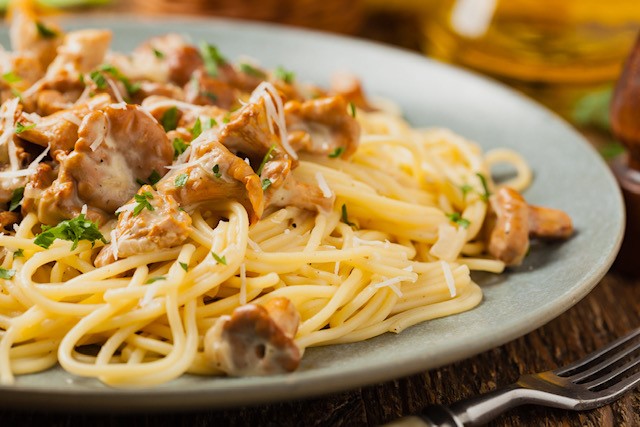
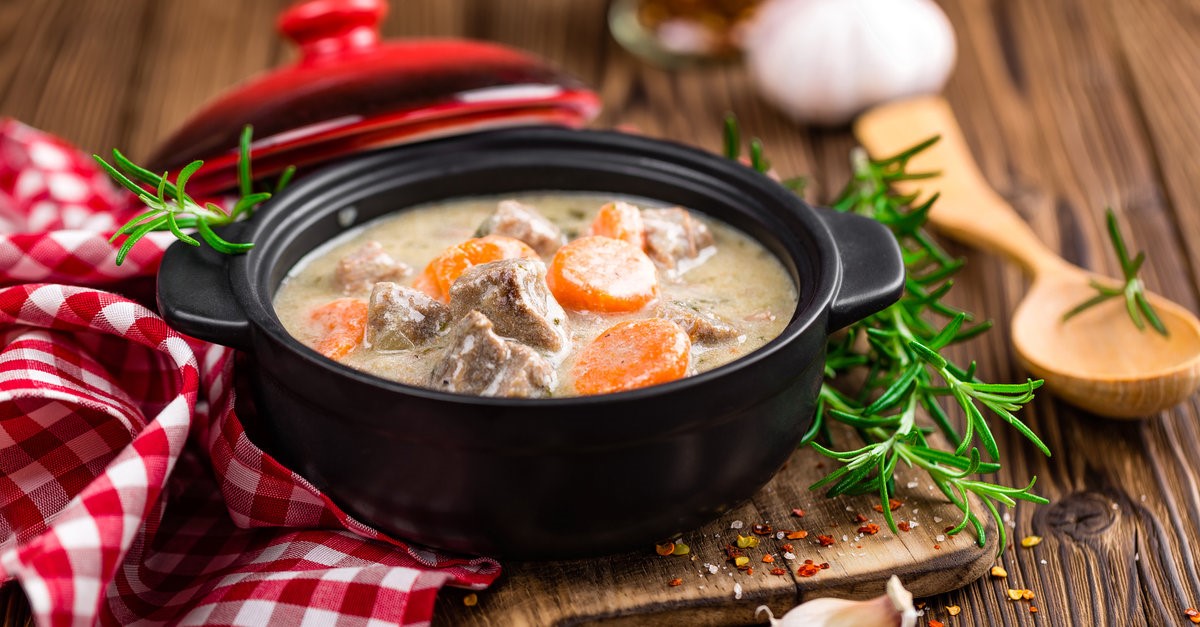
I have collected some crumbs for you. You should definitely think about a menu for a good Sunday lunch.
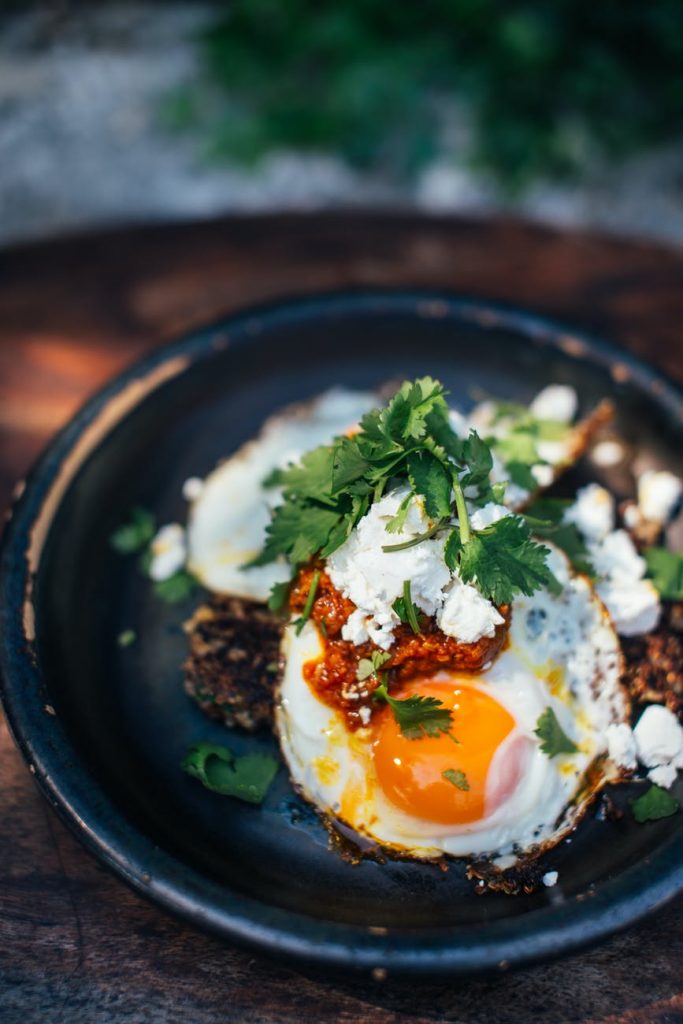
For breakfast we had scrambled eggs, eggs are a symbol of fertility, they have a special effect and as I wrote above, this played a very important role these days.
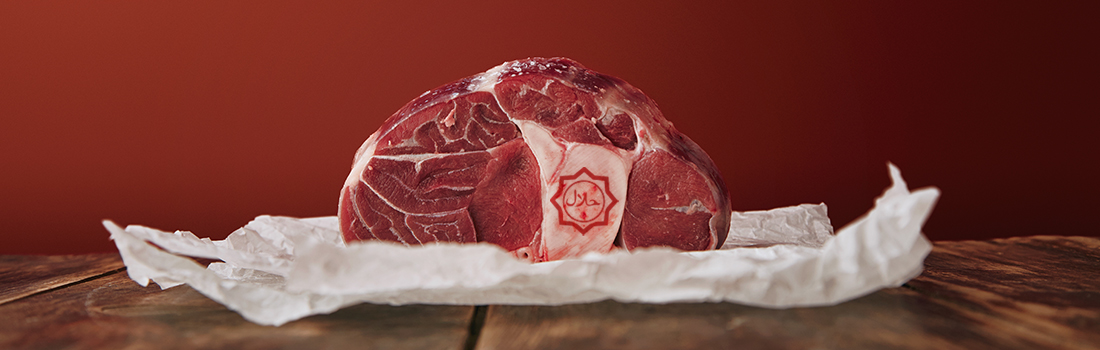
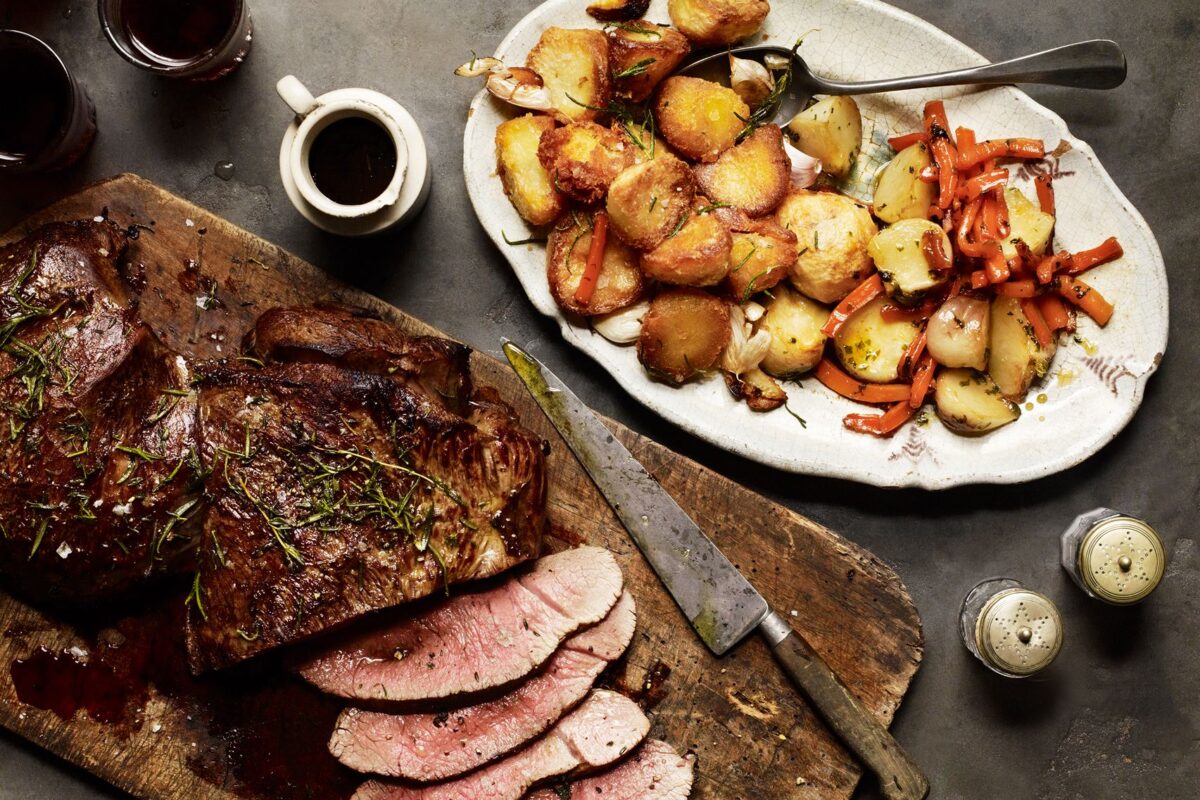
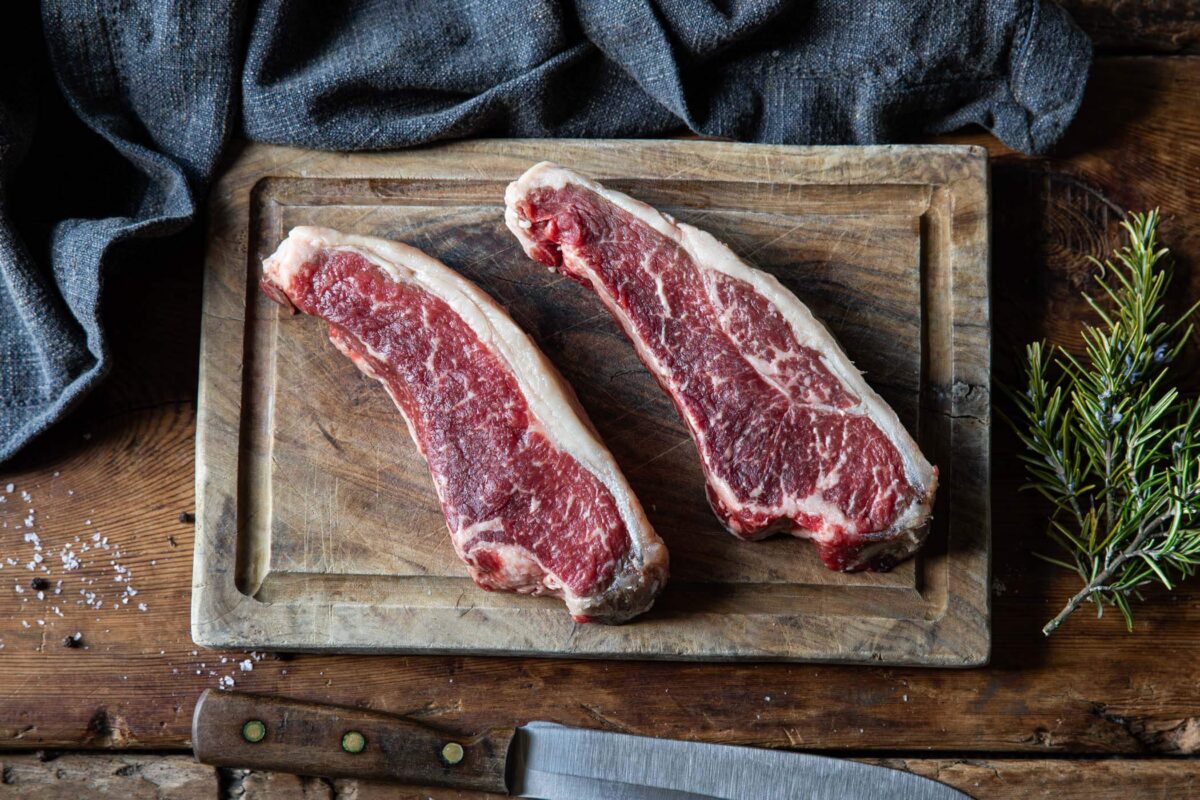
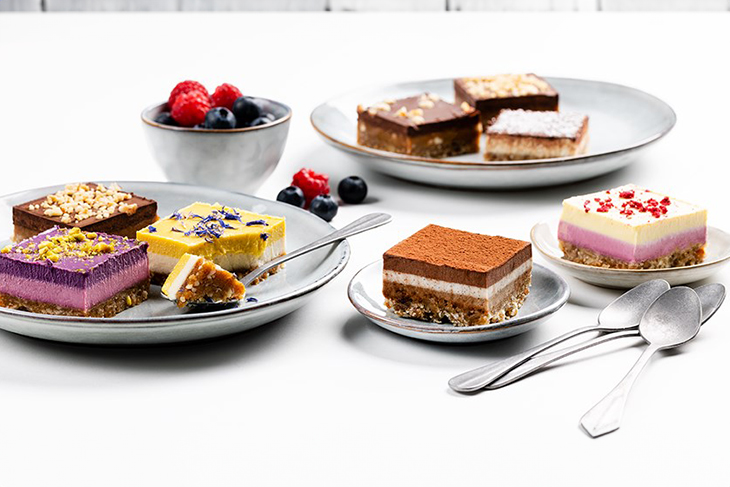
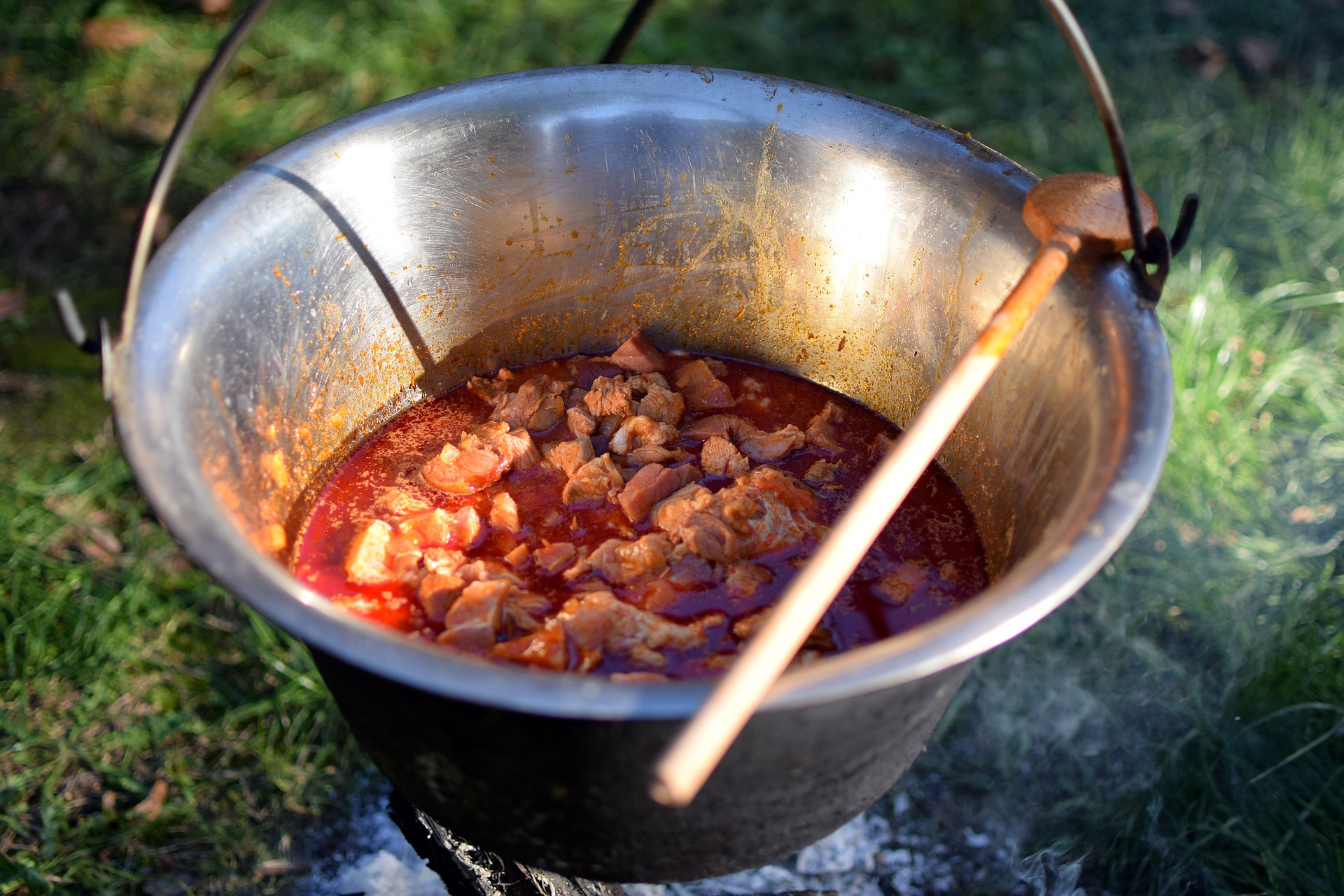
Preference was given to lambdishes made from it, for example I found a recipe for lamb chops with marjoram sauce. A dish made on the open fire casserole, meat dishes also came to the fore. The traditional dish of the feast in non-beef areas is fried eggs chicken and this year's liba was with cucumber salad. Yellow bread was eaten, in a salty or sweet version, depending on the region, to ensure that the cereals were plentiful. Dessertthey made buktas and mixed fruit cakes.
There were records of komatal, which was used to seal the friendship, and also of mátkatál, which was of course part of the courtship ritual. Their significance lay in their power to sanctify friendship or love with delicious food and drink and to return the gesture when appropriate. All in all, it was an atmospheric celebration, where people gathered, ate, drank and had fun, and I wish you a great weekend! Happy holidays!