






Some meats are extremely expensive, up to hundreds of thousands of forints per kilo, but brutally tasty, and few people know how to handle them. This is precisely why they require considerable expertise to handle. It is no coincidence that even the professionals and many people touch them with „shaky hands”. It is undoubtedly necessary to have a professional background and an even more serious practical knowledge to be able to produce top-quality with meat you want to deal with. What does it take to make sure we get the flavours and textures out of Rolls-Royces that make for a heavenly culinary experience? We found out!
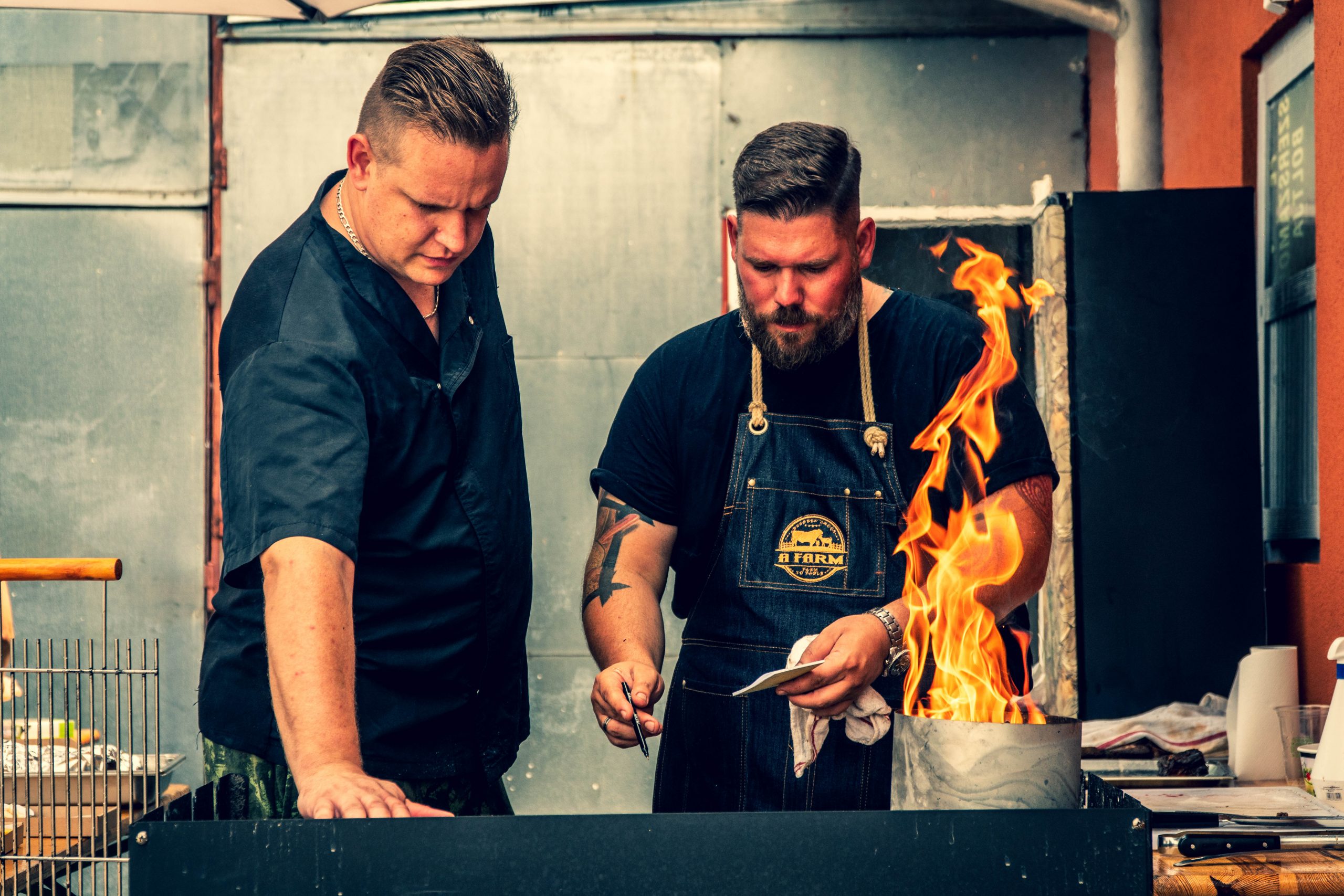
Chef Dániel Tőkés, who works in this field himself, gave us his expertise on the subject. In Székesfehérvár, he and his partner, Betty Tőkés-Békési, run a “gastronomic boutique” called Böllér Boutique, which has recently come up with a completely unique concept. As the name „Böllér” suggests, it is actually a with top meats occupied unit, mixed with a bistro. Not only can you buy the best meat in the world, but if you ask for it, it can be prepared and even eaten on the spot.
- What are the best meats in the world, can you tell us?
- The one everyone knows, the most famous, is the Japanese wagyu. It's the one that you drink beer, listen to classical music and get massaged while you're doing it, and it's really almost like that. It's even graded A on a scale of one to five. Only this type can be called kobe wagyu in the world. They are priced between 80-100 thousand/kg at wholesale prices. They're also more expensive because basically the Japanese leave a pretty thick layer of fat on the meat, almost 1/3 of the weight, which you basically have to trim off when you get it from the supplier. This is to protect the meat, to keep it from oxidizing, to keep it from getting exposed to air, because they're traveling a long distance.
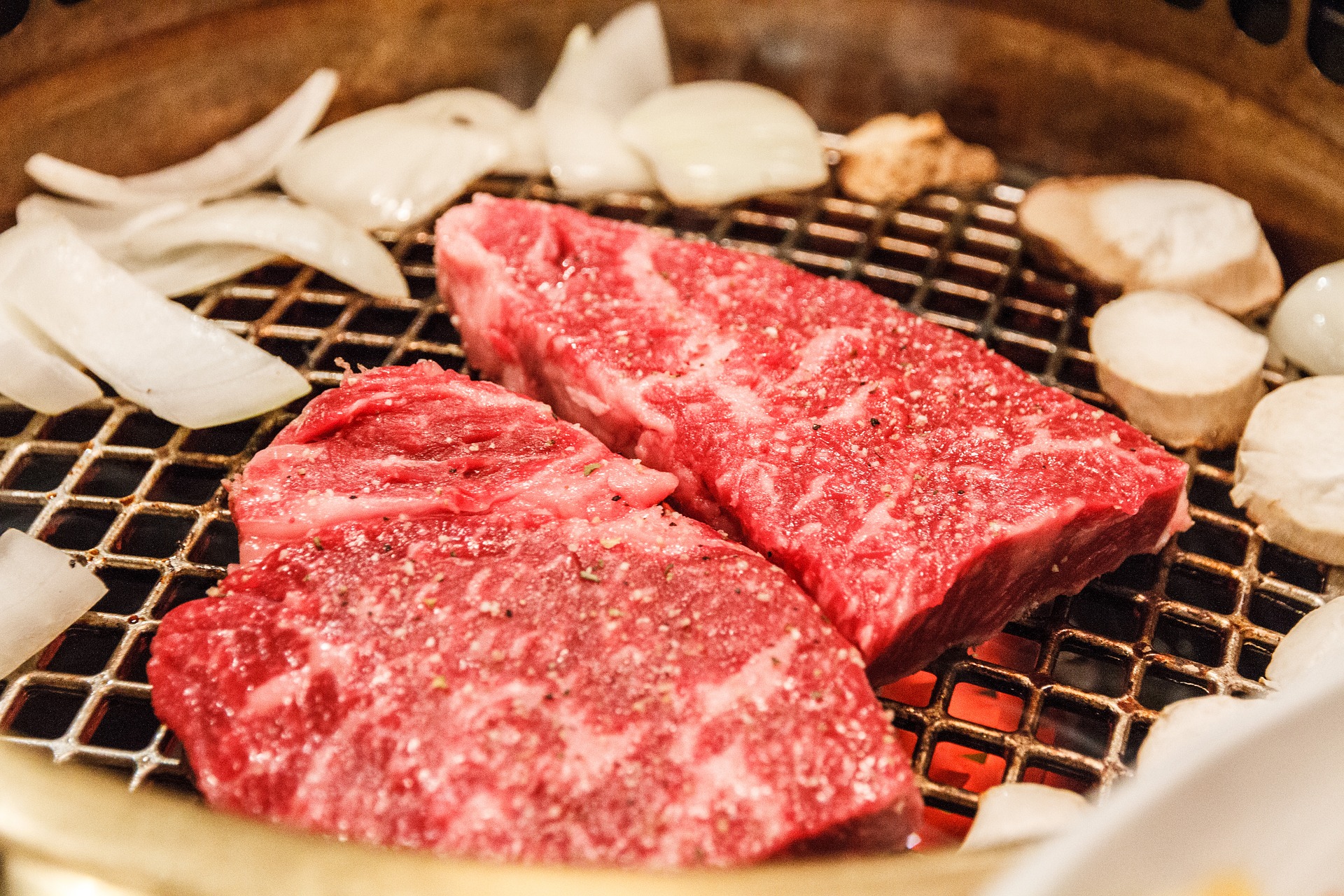
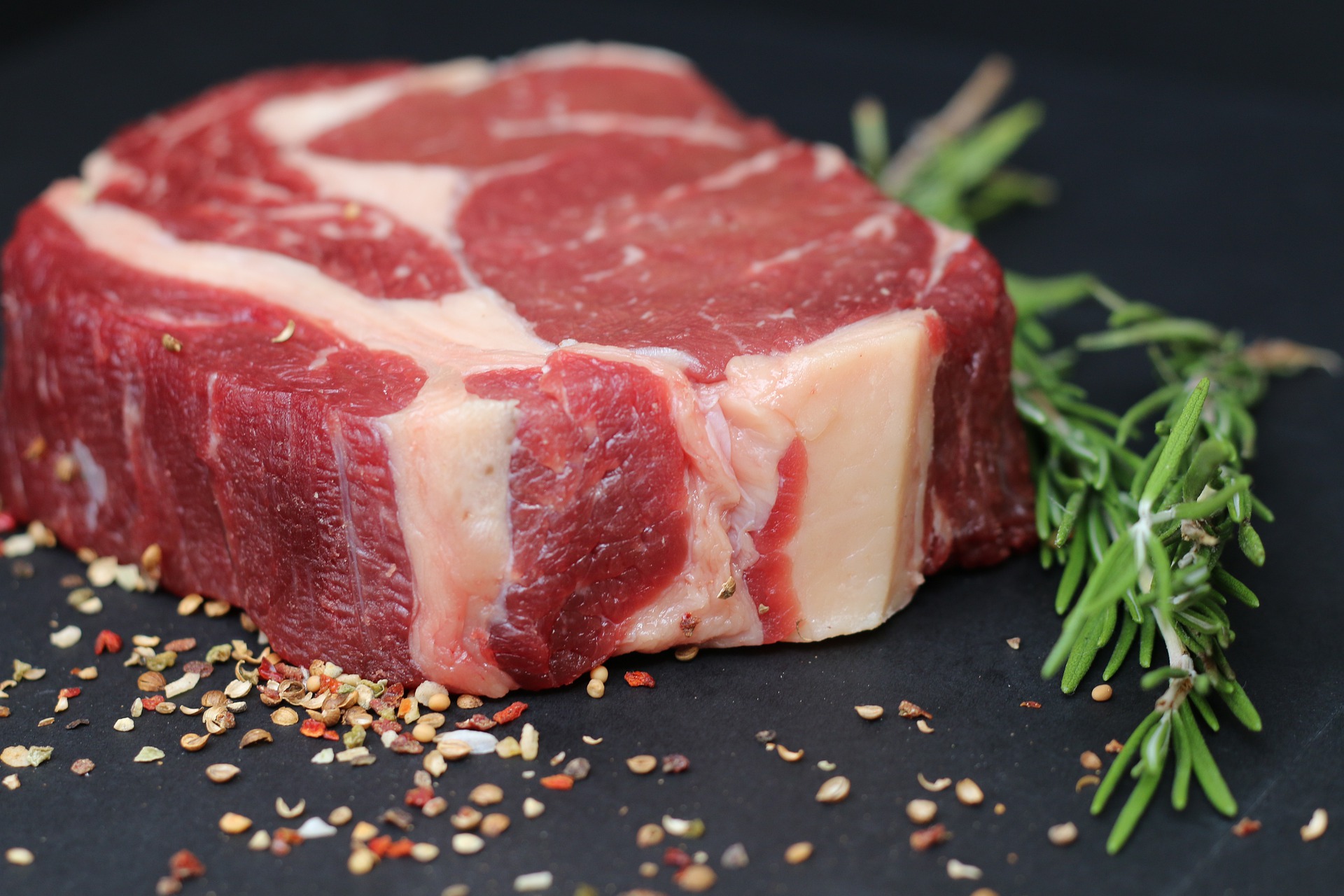
Then there is the Australian version of this, the Australian wagyu. It's not quite pure Japanese, it's mixed. It presents the same fantastic marbled meat, just less fatty than its Japanese sibling. Australian wagyu is graded AA, and this is on a scale of 9, indicating marbling. You could see one of these on the counter here, graded 8 out of 9, they are the most marbled, and it was exactly 110,000 Ft/kg.
After the top two comes the western line, the Americans. Here too, of course, the meats are graded. US Prime is the highest grade of beef, US Choice, this is now widely available, US Select, here again of course the marbling is the measure. Basically, we have Choice or Prime on the counter, for example. Now the prices of these have also gone down quite a bit, of which a rib-eye is currently 35-40 thousand Ft/kg.
- What are the trends in animal husbandry?
- Basically, there are two guidelines. One is to feed the animal grain, which makes the meat very fatty, fatty, marbled. The other is grass feeding. Here you can see much more in the taste of the meat where it came from and what the cattle have eaten. Let me give you an example. If you taste a grass-fed Uruguayan, an Argentinean, an American and a Hungarian, you can totally taste the flavours. The same as with wine. For those who like strong beef flavours, I always recommend the grain fed beef. For those who cultivate a tenderer, softer texture, grass-fed beef.

- How are these high quality meats protected and how can you tell if they are really good?
- Imported meat is protected. They are supplied with a protective gas that performs an enzyme regulation in the vacuum bag. So they are not frozen, but packaged with this solution. Not only that, but the meat itself is matured, which further enhances its quality. This is very important, because even within a country they can travel for weeks. But I like it because, precisely for this reason, the shelf life is much longer, up to two or three months. It is no coincidence that dry ageing is also in fashion here, and we use the right equipment. Light, air and humidity can be controlled and ripened. In the past, this was actually done in cellars where the conditions were right.
I would like to add an interesting fact. Heston Blumenthal had a book called In Search of Perfection. According to him, the best steak house in New York is in a strip club, because the cellar of that place is still the aging chamber. It has such a special microclimate and bacterial culture that gives the steaks a special flavor. The curing is very important, because it makes the meat very crumbly and tender. Fresh cuts are not suitable for steaks, the meat should be matured for at least four weeks. The ones I really like to work with are the 6-8 week cured batches.
- These meats - as you mentioned - have a very high price tag. How should a chef touch them?
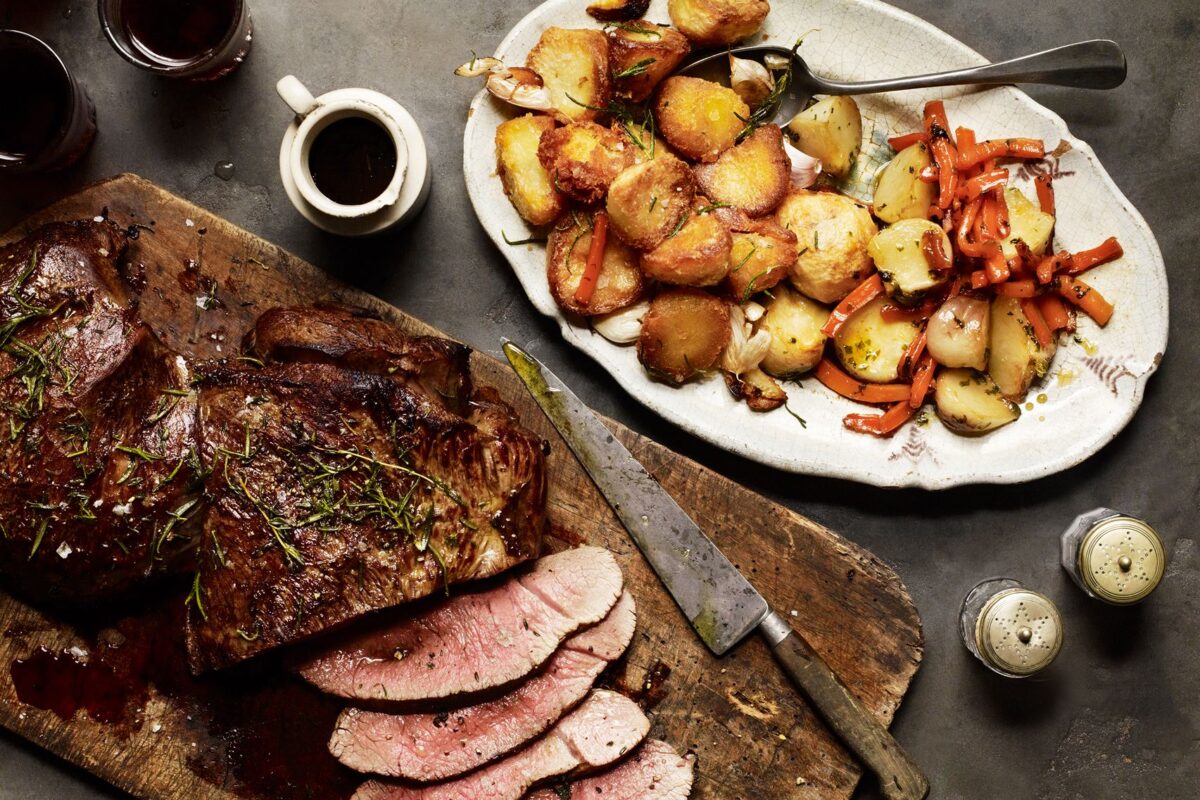
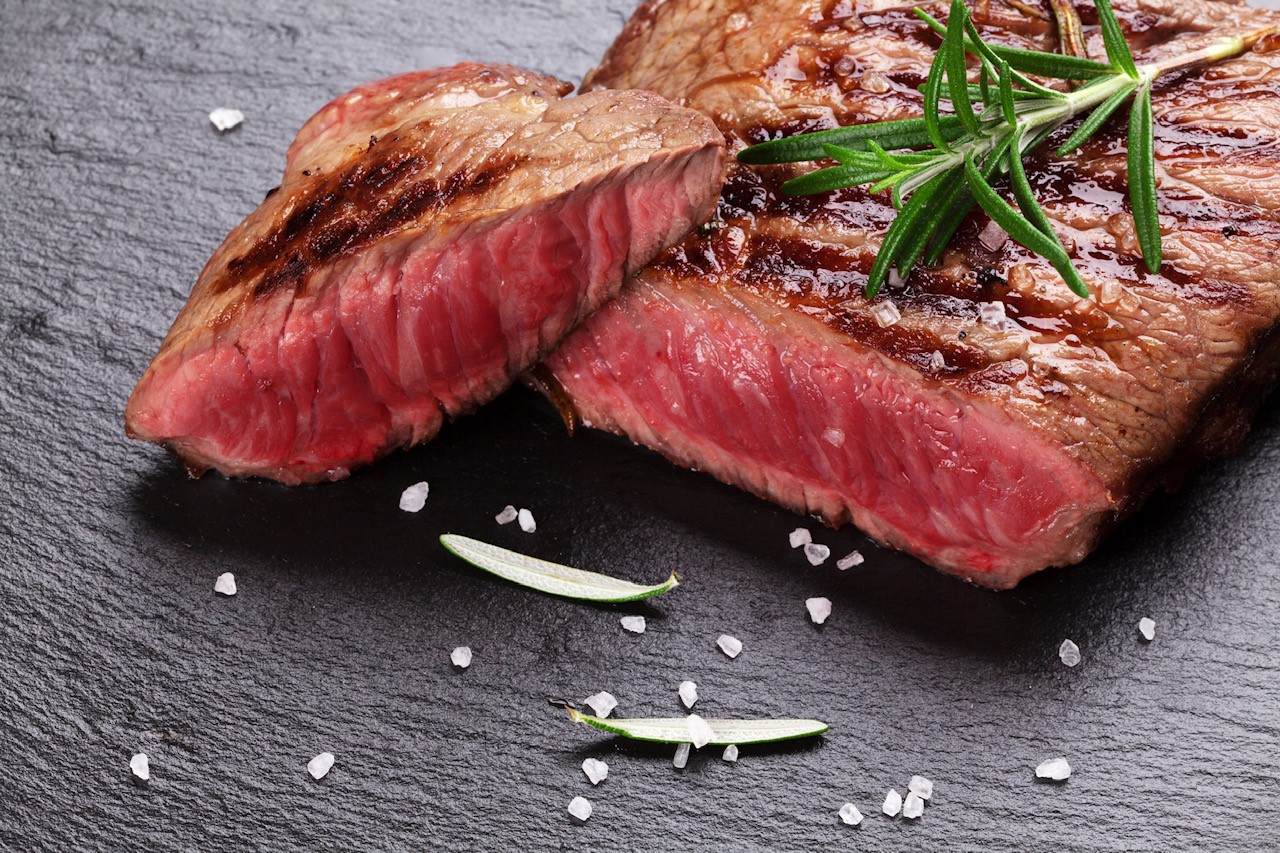
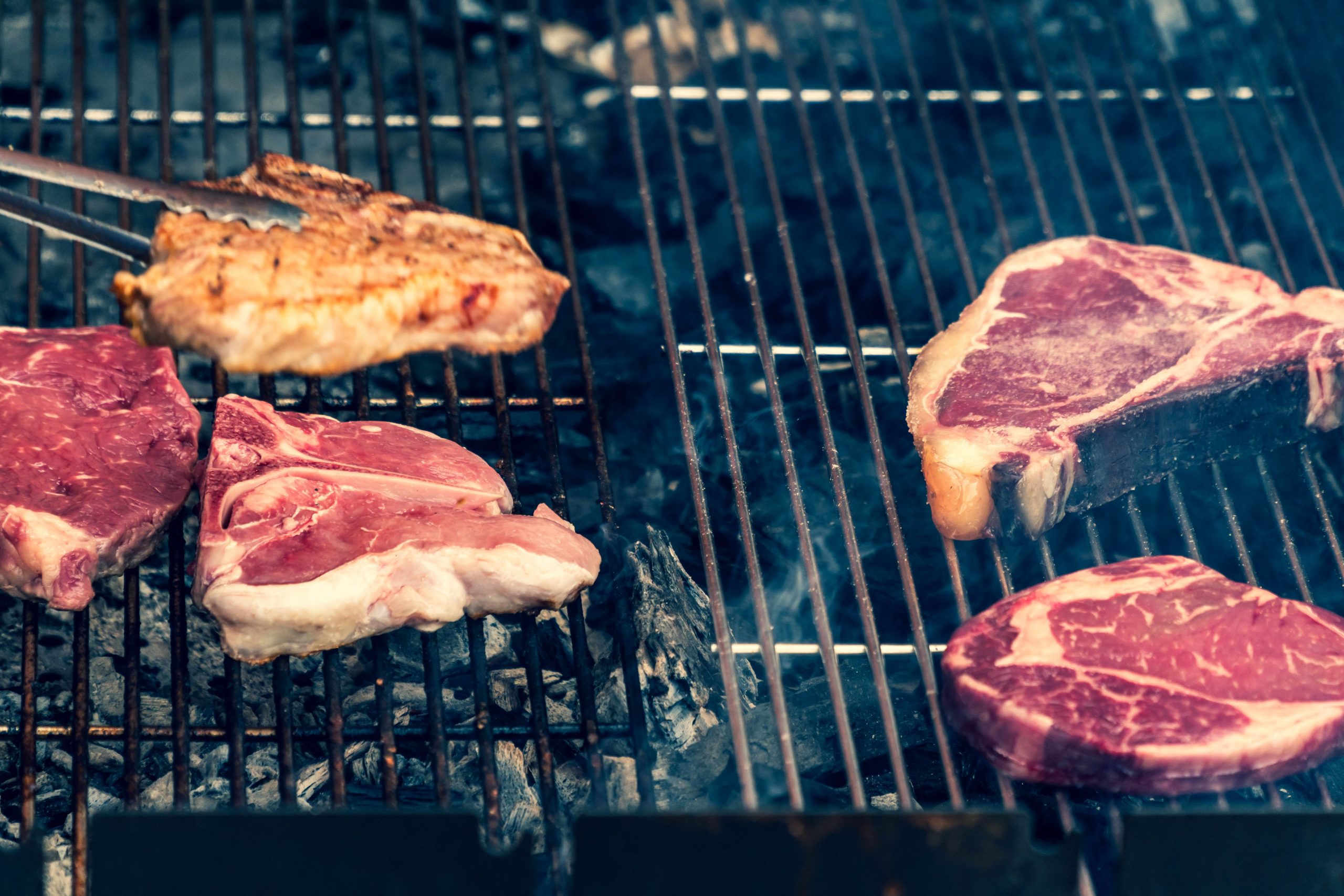
- What I'm about to say will be strange. These batches are so good now that even if you're not that good at it, they'll taste good. Obviously you should not burn it! You have to fry one side, then the other, and that's it. Of course, it all depends on which cut of meat we are talking about, as each has its own technique. For beginners, I always recommend rib eye, because if you cook both sides the same amount of time, it's just right, you rest it a bit and it's done. And within that, the bigger the cut of meat you start with, the more time you'll have to cook and rehearse.
The next level up, when you're cooking, say, a sirloin, it's got a little layer of fat on top, so you have to cook it a little bit like, to give you an example, like duck breast. The fat layer is slightly rendered, nice and golden brown, crispy and you cook the two sides in the rendered fat, evenly for the same amount of time.
You cook a bone-in steak completely differently, but you also cook a T-bone steak and a tomahawk differently. It's worth looking into this very seriously, because there are so many different cuts of meat, so many techniques and so many solutions. One thing is for sure, no one should start cooking a serious steak until it has been thoroughly prepared. Instead, you should ask a specialist, who is not a virgin and has been through many, many serious baking sessions. As a rule of thumb, the lighter and thinner the cut of meat, the easier it is to ruin it in the frying process.
- Can you give some more examples for beginners who want to work with meat like this?
- To start the cooking, there are the first cuts (sirloin, sirloin, rib-eye), which I recommend for domestic use, but don't go any further. Second cuts (flat steak, flat iron, chuck roll, denver steak) these are not so much primary cuts, but you have to pay close attention. For example, a flat iron is a cut of meat that if you send it over a medium, it will burn. This takes some practice. So even the professionals are scared if they mess up a 30-50k piece of meat! I still say you have to do your research. What I would recommend to everyone, but very much at the beginning when you have no experience at all, is to use a core thermometer because it never lies! What is an important rule is to always measure core temperature after resting. I see that as a problem in a lot of restaurants, and it may be a contributing factor to the fact that they are not selling high-end meat as high-end.#
Author: Tamás Budafoki
Photo by Pixabay, Bells Boutique