





By creating an ideal gut flora, we can reduce the risk of cardiovascular disease, cancer, dementia, diabetes and food intolerances. Of course, the question is always how to achieve the ideal. In addition, with the arrival of snuff and Advent chocolate calendars in the shops, we are increasingly worried: what will happen to us this holiday season? How will we be able to stop eating stuffed cabbage, fried fish, bread rolls and bejgli, poppy seed dumplings, chowders... If we now get stuck into the Christmas and New Year's tray, the pounds won't creep up, will they? This was one of the questions I asked Adrienn Balogh, dietician and creator of the Nourish Well website.
I really hope that the trick that if I go on a diet from now on, I can eat the deficit calories I've accumulated up to Christmas without guilt from the festive table, will be confirmed, can work.
Unfortunately, this is not the case, and I don't recommend it, because it is not healthy at all, neither to squeeze, nor to eat uncontrollably. And it's not good to think of it as a diet, because diets are restrictive and you only have to stick to them for a certain period of time, so psychologically it's a negative experience that you have to get over and then you get the reward. Instead, let's strive to achieve a balanced, varied diet and lifestyle, which, if we develop it now, we can easily stick to at Christmas, thus avoiding the end-of-year blackout and New Year's resolutions of desperate over-expectation.
I'm a little depressed, but I'm going to see if you can recommend an attractive diet.
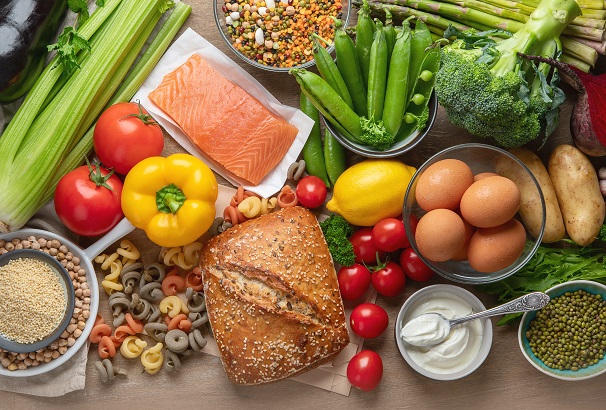
What I also recommend in my consultations is the Mediterranean diet, which is high in fibre, vitamins, minerals and omega-3, and has a positive physiological effect. Emphasis is placed on the consumption of plant foods through the use of whole grains, vegetables, fruits, legumes, oilseeds, olive oil, and the presence of animal proteins through the use of low-fat milk/dairy products and omega-3 content, as unsaturated fat, fish and seafood, as well as oilseeds. As in the Mediterranean, vegetables and fruit are very important, we should try to eat half a kilo a day, with as much variety as possible, and with every meal. Of this half a kilo, half should be raw and the other half grilled or steamed to avoid bloating. Also, reduce saturated fats by aiming for low-fat cuts and types of meat and reducing intake, especially of red meats.
That sounds good! And if you're talking about a Mediterranean diet, then I guess you can go for the pizza and gnocchi?
Yes, because it is a misconception that pasta and potatoes will make you fat. Of course, if you only ate these two and didn't exercise, you'd gain weight quickly, but it can be included in a balanced diet. And of course there are tricks to make pizza healthy. For example, make it with wholemeal flour and eat a big portion of arugula salad with tomatoes on the side. If you look at an Italian dinner, you won't find just pizza and tiramisu. They eat plenty of vegetables, fruit, fish and seafood. In Mediterranean countries, diabetes and cardiovascular diseases are also only known by reputation. There, too, they prefer the more valuable alternative to fat consumption, olive oil containing monounsaturated fatty acids, and do not know about frying, nor do they blanch and fry fish in deep frying oil.
And they have the sea and the afternoon siesta...
Yes and sure, they are all good for your health, but even if they are not, many other good eating habits can be copied from them. At home, when we say protein, everyone thinks of chicken, but then there are vegetable proteins, which are low in fat and high in fibre, and oilseeds are an exception in terms of low fat, but are a rich source of good quality unsaturated fats, which are beneficial for the cardiovascular system and even brain function! I would also highlight fish and seafood as a rich source of Omega-3 fatty acids, which are quick and easy to prepare. Matusz has a varied fish range: there is a huge selection of freshwater and marine fish, and everything from budget to luxury. And if you want to get your protein from dairy products, make sure you go for the low-fat ones. Live-flour yoghurt or kefir, among other things, are responsible for good gut flora. By developing an ideal gut flora, we can reduce the risk of cardiovascular problems, cancer, dementia, diabetes and food intolerances.
We have now come to one of the factors that make it difficult for Hungarians to eat healthily: fish and especially seafood not a cheap item.
It is true that healthy ingredients are more expensive, but if you think of your health as an investment, you will see how quickly it pays off. If we can cut out the chocolate, crisps, pastries and sugary drinks from our meals, we've already made room in our budget for a fruit and vegetable or two. Not to mention spending less on medicines. But, the thing that really goes against our health, I think - and I understand, of course, because in our fast-paced world it's easy to be seduced - is processed foods. They may be convenient and even tasty, and often cheaper than if we were to do it ourselves, but they are low in nutrients and contain a lot of unhealthy additives, preservatives and flavour enhancers. You can make your own cream cheese, fruit yoghurt and pâtés, but homemade sourdough bread made from wholemeal flour is also a good choice if you experience bloating from shop bread.
Let's paddle back to the fish. I understand that twice a week is recommended.
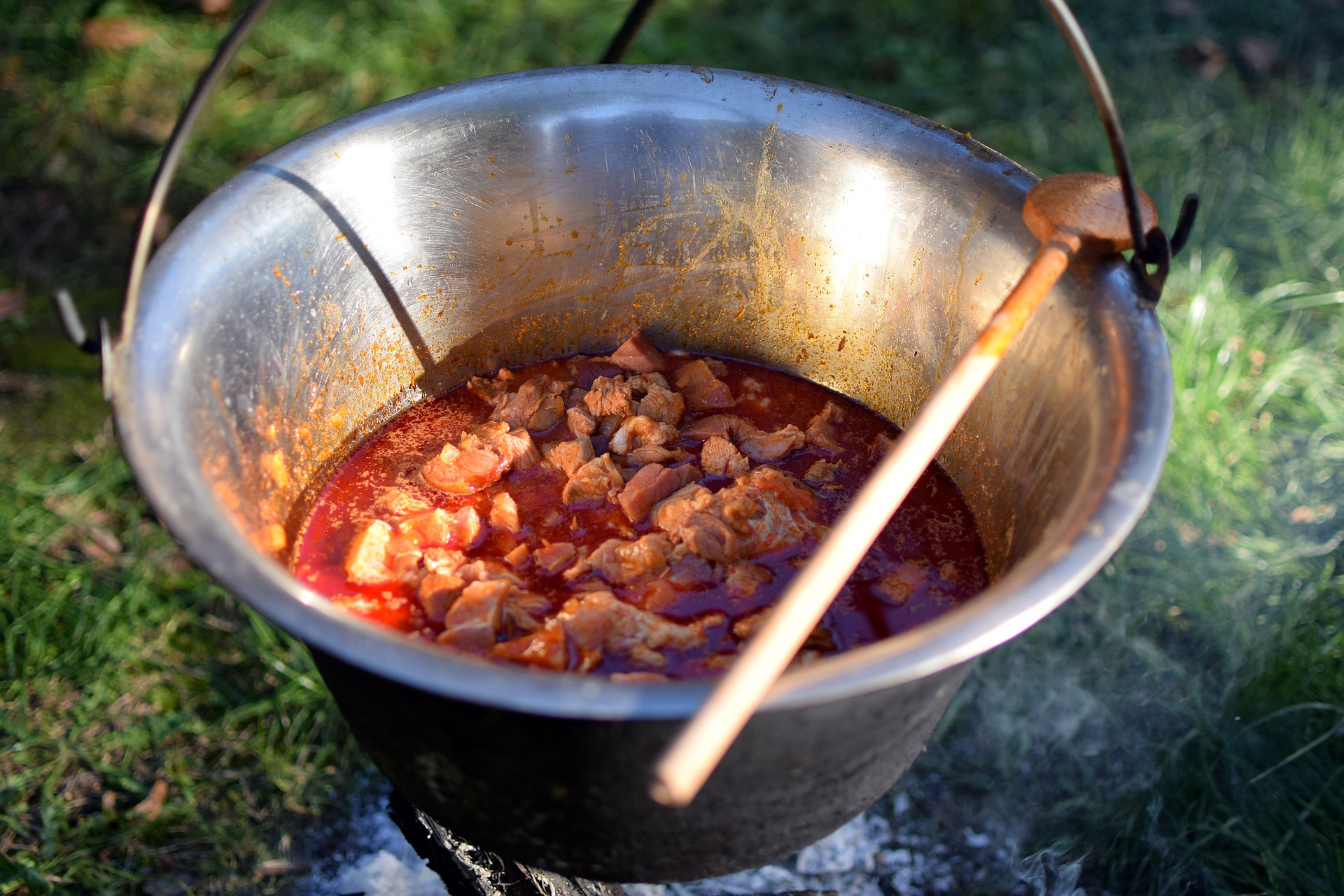
Yes, that would be the recommendation, but we are still a long way from that, with the average Hungarian eating 6.7 kg a year, when we should be eating twice a week. Mediterranean people, on the other hand, consume up to 40-50 kg. We are not a maritime nation, so in a way it is understandable that this is more difficult for us, although there are many positive arguments in its favour. As well as Omega-3, it is an excellent source of vitamins A and D, and is also high in B12 and selenium. Its high water content makes it quick to prepare and easy to digest. Still, we only eat it at Christmas. Even then, we wrap it up and fry it in plenty of oil, or make a catfish stew with a nice fat choux on the side.
These are our traditional dishes, and many people are particularly fond of them at the holidays.
You don't have to give them up, you can just make them more sparingly. You can also bake the battered fish on baking paper, and the crust can be made of durum flour with Greek yoghurt and low-fat cottage cheese instead of sour cream. And you can also put a salad on the table, and rice bisque, where the rice can be made from brown rice. For the poppy seed dumplings, try the kornspitz.
Should we insist on fresh fish or frozen could be a good choice?
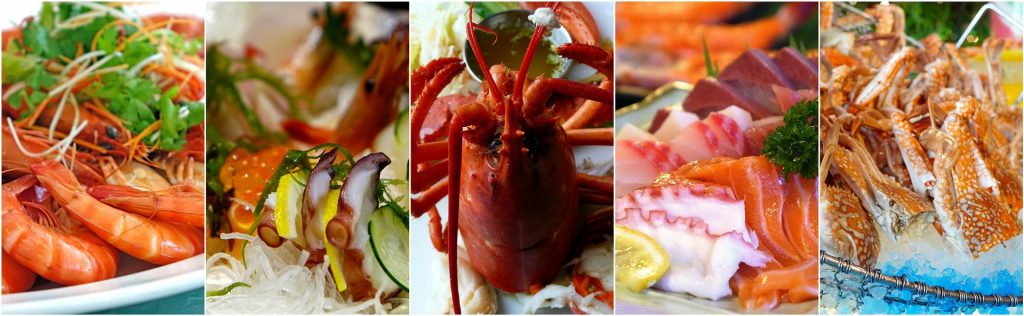
Freezing is done by quick-freezing, so the mineral and vitamin content cannot deteriorate and is preserved in the same way as fresh. What you need to make sure is that it does not contain additives. Fish fingers are a favourite food for the little ones, so try to buy fish fingers that do not contain unnecessary additives. In addition, try to introduce fish into the diet of your little ones from an early age, if possible during pregnancy, because Omega-3 has a positive effect on brain development, retina, cognitive functions and the nervous system. Recent research has also shown that it helps to reduce the symptoms of ADHD, is an excellent weapon against blood clots, is good for the cardiovascular system and lowers cholesterol. This is true not only for fish, but also for seafood, so crab, or octopus, or even squid, could be a good choice. Salmon is particularly rich in Omega-3, but our Hungarian fish the busa is also abundant. Nevertheless, feel free to try other fish, as they also meet the nutrient richness described above. #