






We love to stop at a street food stall while walking down the street, be seduced by the smells, grab a hot sandwich, take a big bite and, as if forbidden, indulge in the flavours. And we don't even mind queuing, which only whips our appetite! But why are we so attracted to street food?
Street food is food prepared on the street, originally for quick consumption on the street. It is ready-to-eat food or drink that can be bought on the street or in other public places such as markets. In the early days, it was often sold from portable food stalls, stationary or rolling buffets. It is characterised by covering food for immediate consumption. Some street foods are essentially local or regional in nature. They may be linked to a particular culture or part of the world are specific in nature, which is perhaps why they have become so popular.

Photo by Flickr
Most street food is classified as snacks and fast food and is typically cheaper than restaurant food. Types of street food by region and vary from culture to culture in countries around the world. A 2007 study found that 2.5 billion people eat street food every single day. This is an astonishing scale and a huge market opportunity. The majority of middle-income consumers rely on the rapid availability and low-cost delivery of street food for their daily nutrition and employment. This type of eating is most prevalent in developing countries, as it is entirely lifestyle dependent on who eats when and how.
A career in street food
Street food meets three essential criteria. Time saving, simplicity and, last but not least, value for money.
Saving time: Clearly as a local dish, a style that is quick, easy to get to and reflects familiar flavours. It can be a perfectly good everyday option for nutrition. Especially because locally available food saves time, an important criterion in the modern, fast-paced world. In many cases we don't like to spend a lot of time eating out or buying food and the answer to this social need is street food. This kind of spreading food so the answer is to save time.
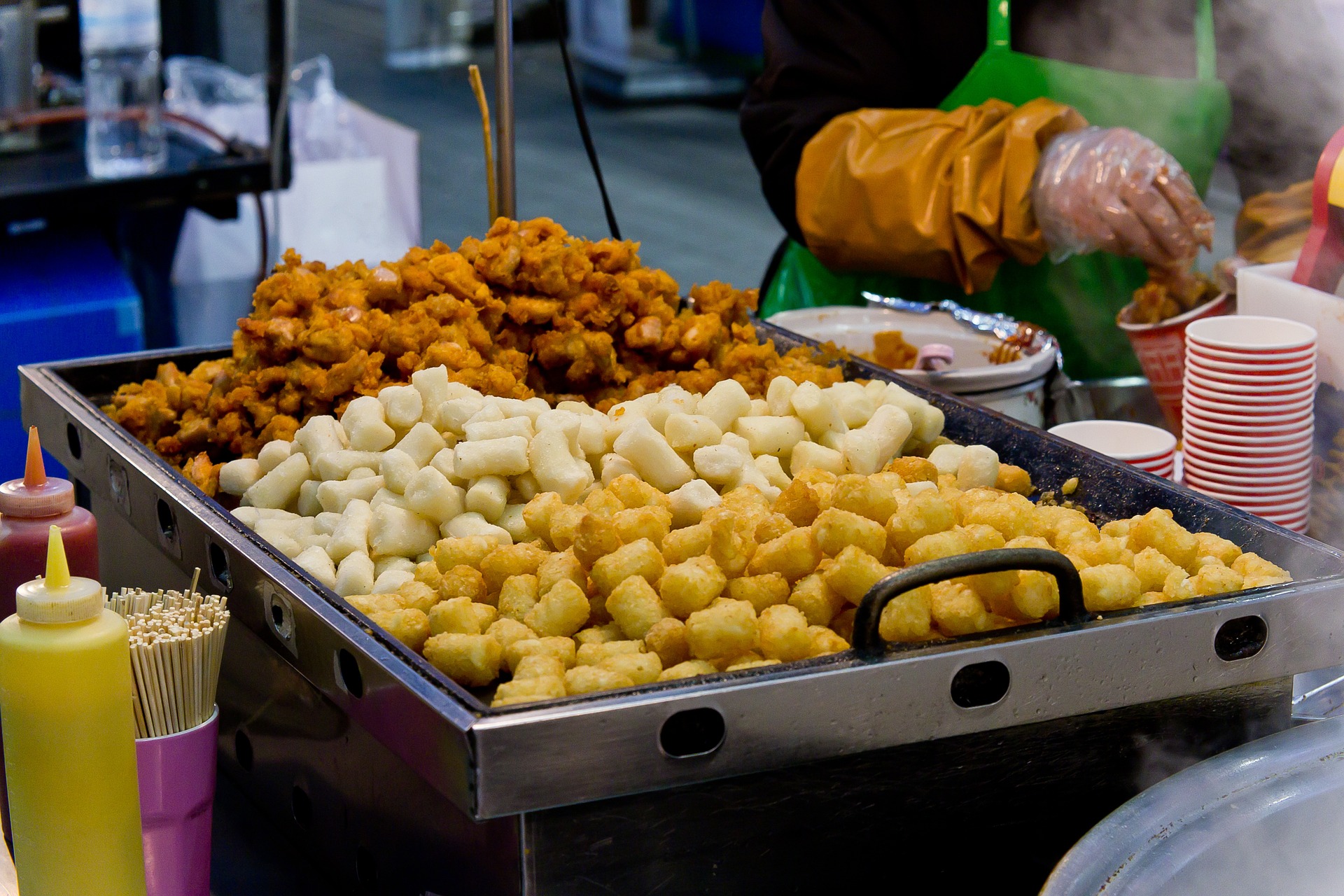
Photo by Flickr
Simplicity: The other secret to street food's success is simplicity. No need to bother with home-made snacks, no need to think, shop and prepare the food. We don't have to worry about thinking about where and what we're going to eat every day. We simply go to the street, choose what we like and eat it almost immediately.
Value for money: In addition to speed and simplicity, finding a budget-friendly way to eat is an extremely important criterion in everyday life. Of course, the simplest solution is the „canteen”, also known as the factory kitchen. However, the use of these solutions has clearly shifted to street food since we can now live comfortably on the „street”. Of course, prices are important and everyone has a different psychological limit on what they spend on food on a daily basis, but the variety of street food options is also, in many cases, a cheap, wallet-friendly solution.

Many varieties are spread beyond their regions of origin
Because street food is essentially a food, a type of food based on local characteristics - it is very specific to where you are in the world. Nevertheless, it has become so much a part of the culture that some of its varieties have transcended locality, crossed borders and are now consumed almost everywhere in the world. They include hamburgers, gyros, falafel, pizza, fish & chips, hot dogs, French fries, hot sandwiches, waffles, pancakes. We can also include pho and ramen soups. In addition to these street-food basics, there are now many different kinds of options. Mixing them up, the latest trend is street bbq, for example.
The history of streetfood
In Ancient Greece, small fried fish were street food, and excavations have uncovered evidence of a large number of street food vendors. But such street food was also widely consumed in ancient Rome, where tenement houses had no ovens or fireplaces. Chickpea soup with bread and cereal was common. In ancient China, street food usually served the poor, although wealthy residents often sent servants to the streets for food. In late 14th-century Cairo, for example, people brought picnic cloths made of rawhide into the streets to spread out and sit on while they ate lamb, rice and scrambled eggs bought from street vendors. In Renaissance Turkey, “fragrant bites of hot meat”, including spit-roasted chicken and lamb, were sold at many crossroads, and in 1502 Ottoman Turkey became the first country to legislate and standardise street food.
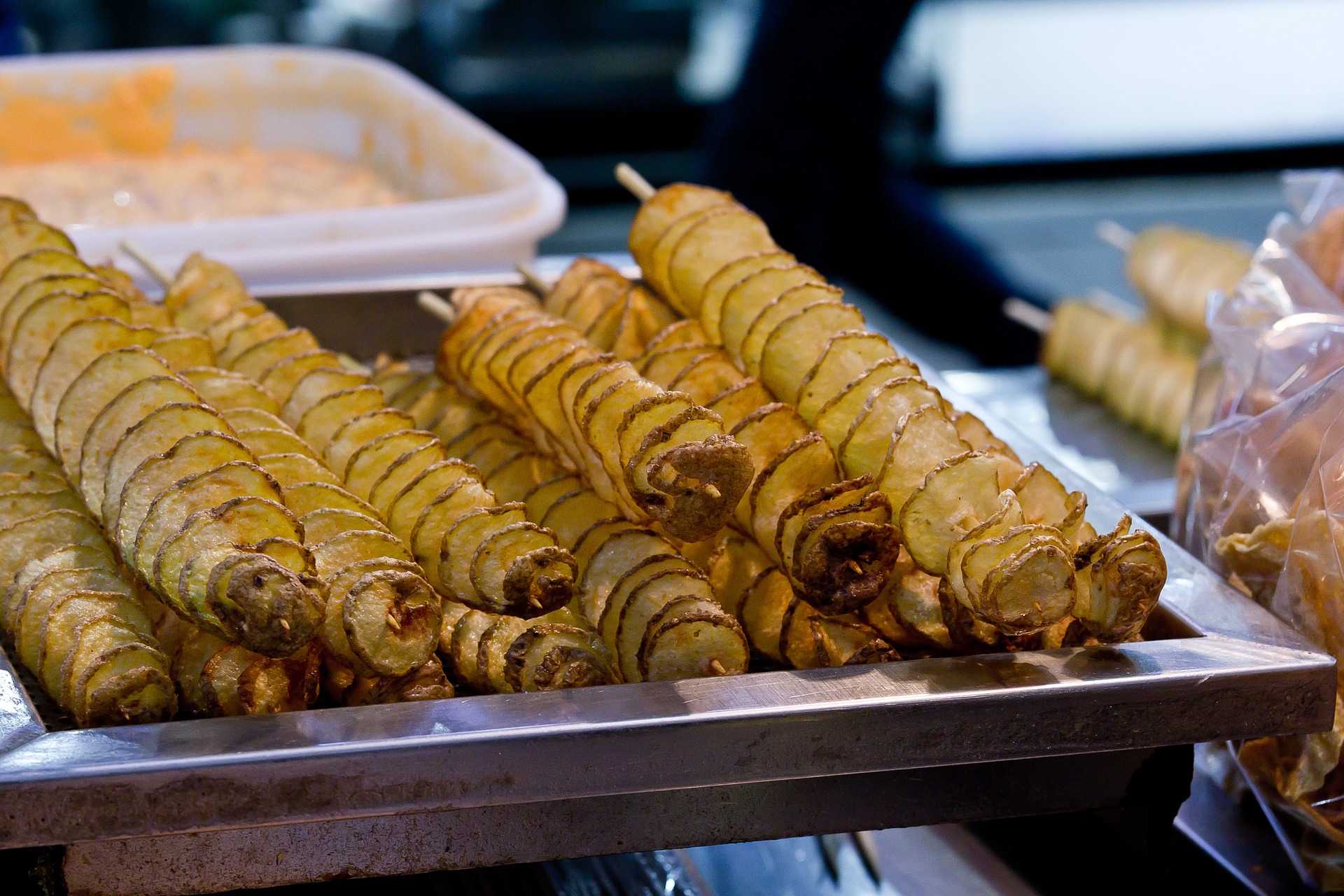
Photo by Flickr
Aztecs
Aztec market stalls sold drinks, corn noodles stuffed with turkey, rabbit, frog and fish meat. They also packed fruit, eggs and even edible flowers. The frying and roasting of insects was and still is a common street food in many parts of the world, which is basically very healthy - and is nowadays becoming more and more common in terms of sustainability.
China
Street food culture in China first emerged during the Tang Dynasty and has evolved over thousands of years. Street food continues to play a significant role in Chinese cuisine, and regional street food in particular is attracting strong interest from those interested in culinary tourism. Ramen, for example, was originally brought to Japan by Chinese immigrants about 100 years ago, starting as street food for workers and students.

Photo by Flickr
America
In the days of American colonialism, street vendors sold oysters, roasted corn, fruit and sweets at low prices to all classes. Oysters in particular were cheap and popular street food. By 1707, street food vendors were completely banned in New York City, as many immigrant and African-American women made their living selling street food in America in the 18th and 19th centuries.
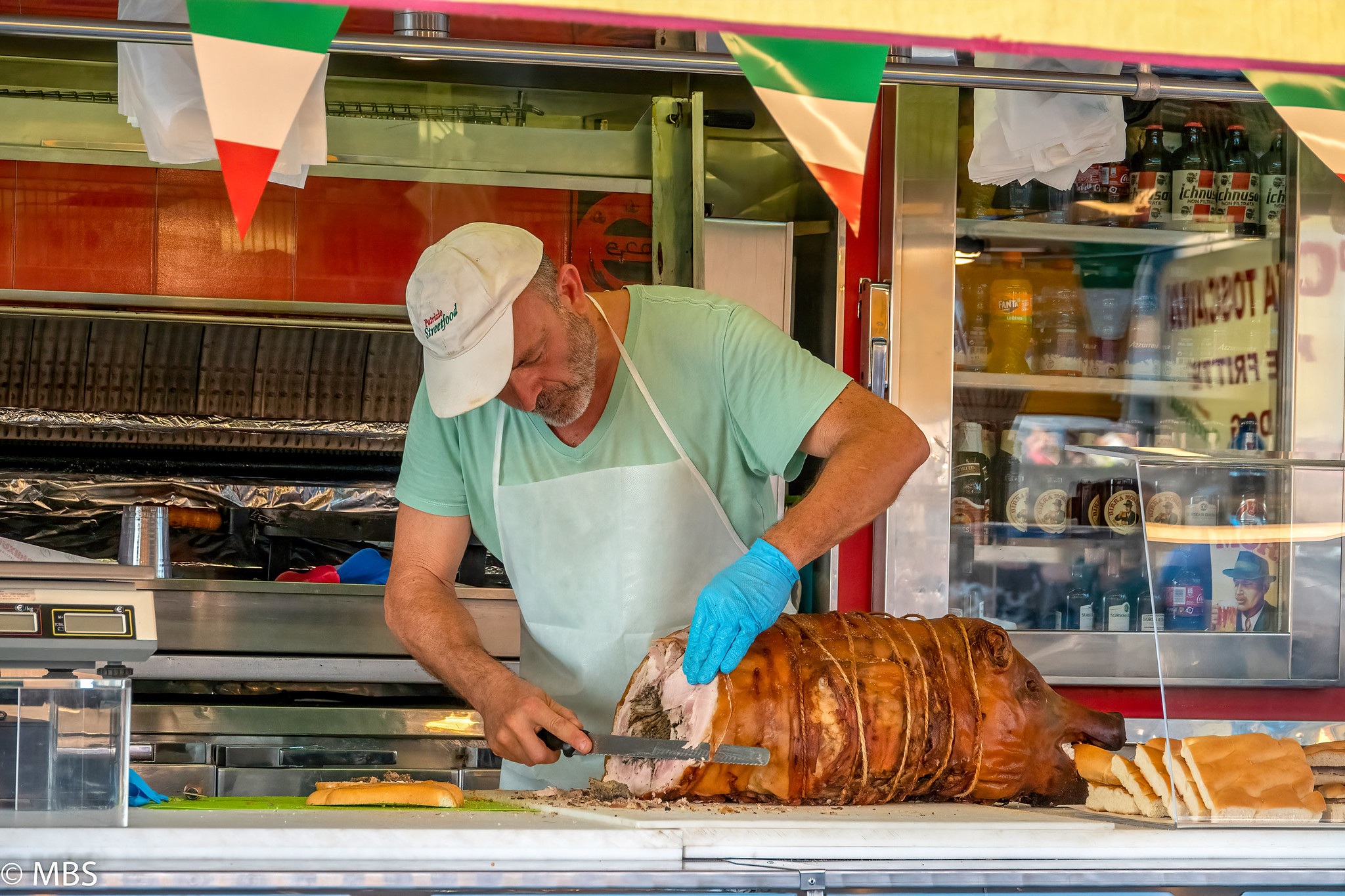
Photo by Flickr
Hungary
Street food has a history in our country too, in case you think it's just a modern-day invention. Already in the early 19th century, Transylvanian street food vendors sold gingerbread, nuts, cream mixed with corn, bacon and other meats baked on ceramic pots. Fries made of strips of baked potatoes were typical.
So street food has been part of our culture for a long time, and it's evolving like everything else. We know of countless forms and trends around the world. It's a way of eating that will never go out of fashion.
Author: Tamás Budafoki
Photo by Flickr
Why are restaurants going, or not...
A place where chefs literally cook in a shop window
What is a real doughnut and why do we eat it at Carnival?