






It comes from very far away, yet we can get it anytime, but few people know how to use it and even fewer dare to touch it when cooking. But reading this article can change all that.
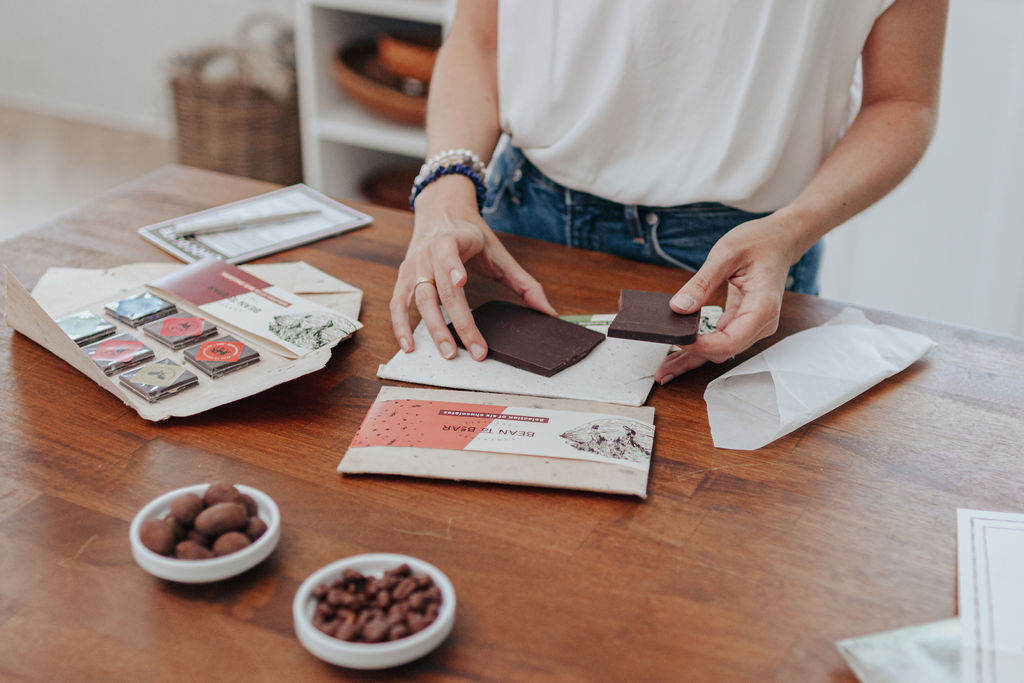
Lilla Tóth-Tatai Cocoa Ambassador and chocolate expert Lilla Tóth-Tatai, who is adamant that Chocolate more than we have come to know it for. Here's a look at some of the aspects of this superfood that will make you feel guilty about reaching for chocolate.
Chocolate is healthy, it can be used as a condiment and a little goes a long way if you use good quality chocolate.
What chocolates do we know in hospitality?
About 10 years ago, there was a big ’boom’ in the consumption of better quality chocolate. This means that a reliable Belgian chocolate started to be used as a quality chocolate, which is easy to obtain, can be reordered, has a relatively high cocoa content and comes in a variety of flavours. I think that's where it stops, although if you knew how much potential there is in this, you'd be surprised. Chocolate works just like wine: there is a huge playground of cocoa beans, cocoa and chocolate in terms of taste, colour and aroma. It is important how it was grown, in what area, how it was roasted. This is interesting because it is not just desserts that can be played with in the chocolate area, but also savoury dishes where cocoa and cocoa beans are a good choice.
How does cocoa work as a spice?
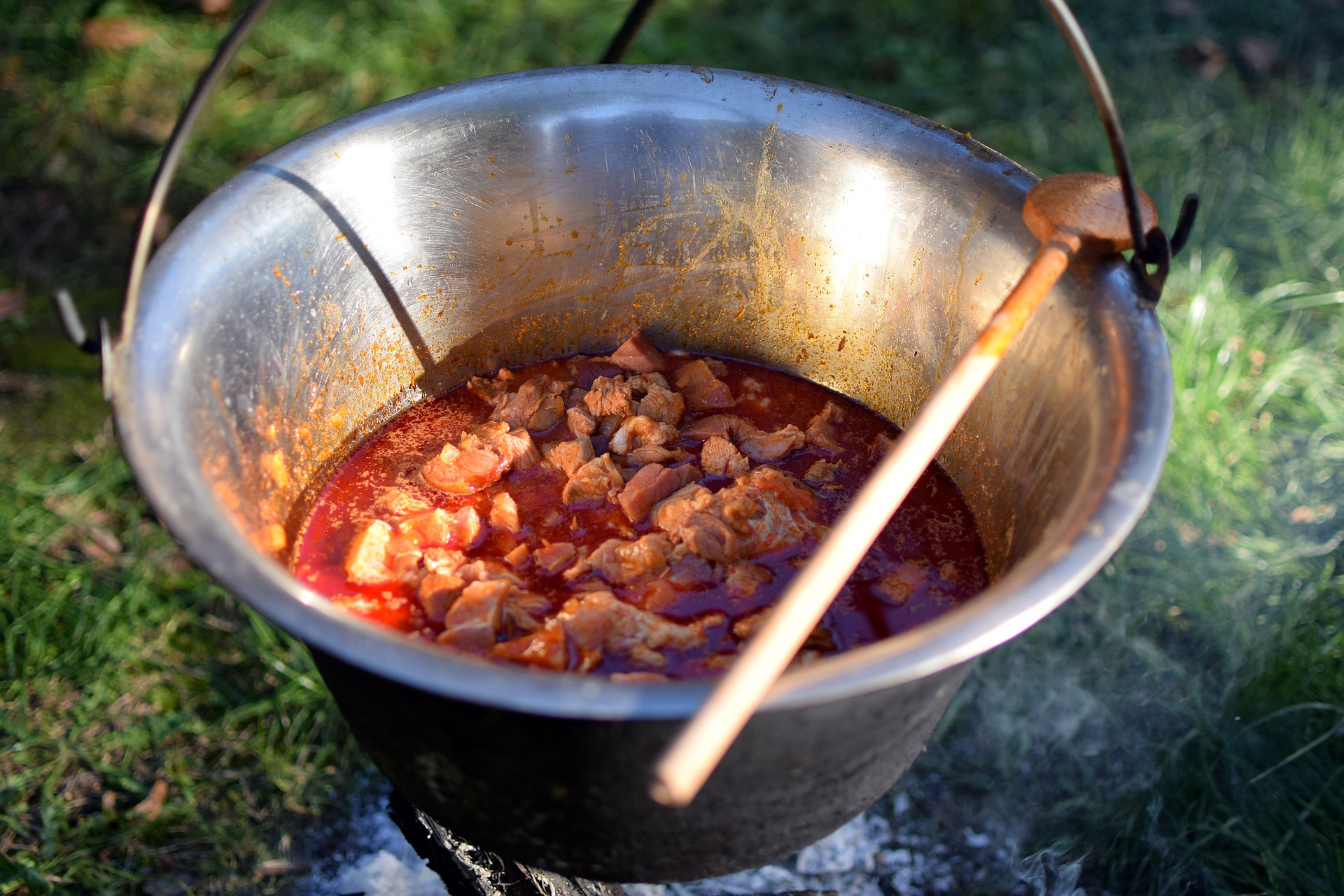
In many places, it is also a tradition to add some cocoa powder, dark chocolate or cocoa powder to the recipe. For example, a Mexican tomato and meat stew (Mole) that basically has chocolate in it. Not as a speciality, but to deepen, round out and spice up the dish. It gives an extra flavour, much like umami (*the 5th flavour) I can most simply describe it as a splash of wine in that sauce or dish. It's perfect for mushroom dishes, brown sauces, casseroles and of course game meats. The main thing is to always add it at the end of cooking, because it can burn off, making the flavour bitter.
Where do cocoa beans come from?
The cocoa plantations are very far away, in the tropical zone (the so-called cocoa belt), the biggest producing countries are Ivory Coast and Ghana (about 60%), Central and South America, parts of Asia, so maybe that's why it's a bit foreign to us. But the shocking thing is that these farmers and growers often never see chocolate in their lives, and many don't even know what is made from these beans, they just grow them. The weather is very good for growing, but not at all good for making chocolate. So after harvesting, fermenting and drying, they immediately send the consignment on to be roasted elsewhere and perhaps to be used in a subsequent place to make cocoa powder and eventually chocolate. There is a culture of cocoa bean cultivation there and chocolate making here. Many people do not buy chocolate in order to live a more sustainable lifestyle, when in fact they would be supporting these farmers.
Where to buy and how to try cocoa for the first time?
In the first place, you should buy cocoa nibs rather than the cocoa beans themselves, and of course only from a reliable source. Cocoa beans have shells, which I often remove, but natural, unroasted cocoa beans are not always safe. Farmers pick them, ferment them, dry them, but the conditions are not always right to ensure good hygiene. It is worth ordering lightly roasted cocoa beans or high cocoa solids (85-100%) from bean-to-bar manufacturers, as only a small amount is needed for each dish. For example, in a bolognese casserole, a spoonful of dark chocolate blends perfectly, and it will have a silky and deep flavour when paired with a little red wine.

How do you know so much about cocoa beans?
I've loved chocolate for as long as I can remember and have a sweet tooth, but my chocolate career really took off in the early 2010s. I first worked as a bonbon maker in the UK, later in Brussels, and after making thousands of bonbons, I realised I was more interested in the ingredient itself and where to find the best sources. I researched everything and tried to absorb all the knowledge from the world at large and from chocolate and cocoa experts. Fortunately, I am now a member of several very valuable professional communities and I try to introduce the Hungarian public to real, quality cocoa and chocolates and their incredibly colourful world. I am committed to the ’bean to bar’ movement, so I organise chocolate tastings and try to promote all the bean to bar chocolate makers. Through my presentations, my social media presence and my youtube informative tutorials, I want to spread the word about the true face and value of chocolate.
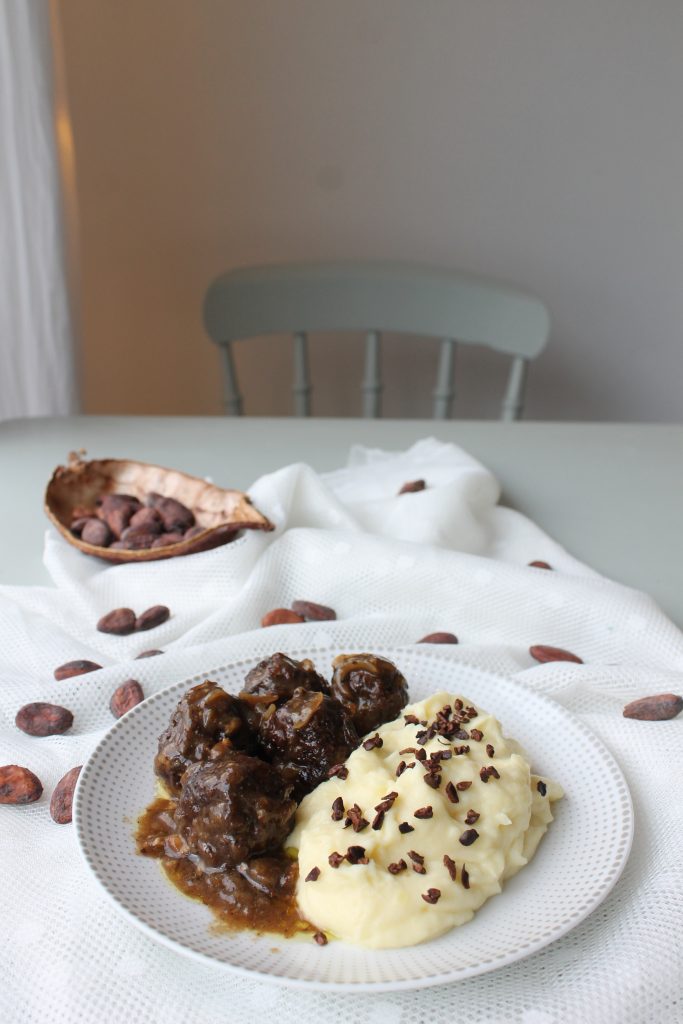
Photo by Lilla Tóth-Tatai
What's the hottest chocolate speciality you've tasted in your life?
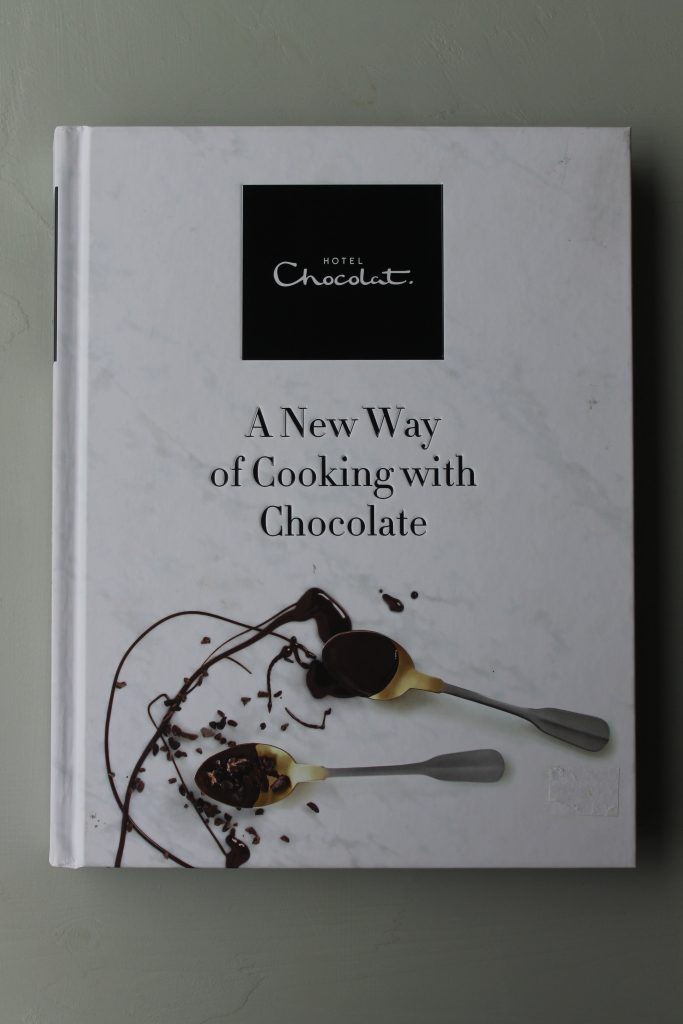
In London, for example, Paul A.Young, the famous bonbon maker, created his Marmite truffle - a taste reminiscent of pork gravy, a distinctively salty, umami flavour (high in glutamate), yet vegan, and then I tried the famous The Chocolatier (Aneesh Popat), Heinz's truffle filled with white chocolate ganache with canned tomato beans and rolled in breadcrumbs. The truth is, it was delicious. Tomatoes can be sweet, beans can be neutral, so these experts really know their stuff. But what I'm still very excited about is spicing our food with cocoa at home. I often try this in our own kitchen, and it's a great success. What I really liked, for example, was the meatballs with beer and cocoa - mashed potatoes with white chocolate, I think it's worth trying what you can lose, at most you're eating another treat.( The recipe is from the cookbook Hotel Chocolat: A New Way of Cooking with Chocolate. )