






It's actually nothing more than a moulded dough ball. For this reason, it is a world-famous dish, as there are as many varieties as there are countries. The reason we call it effective gyoza is because it originated in Japan. The names and recipes of dumplings, and even the ways of filling them, are as varied as nature itself.
What is a gyoza?
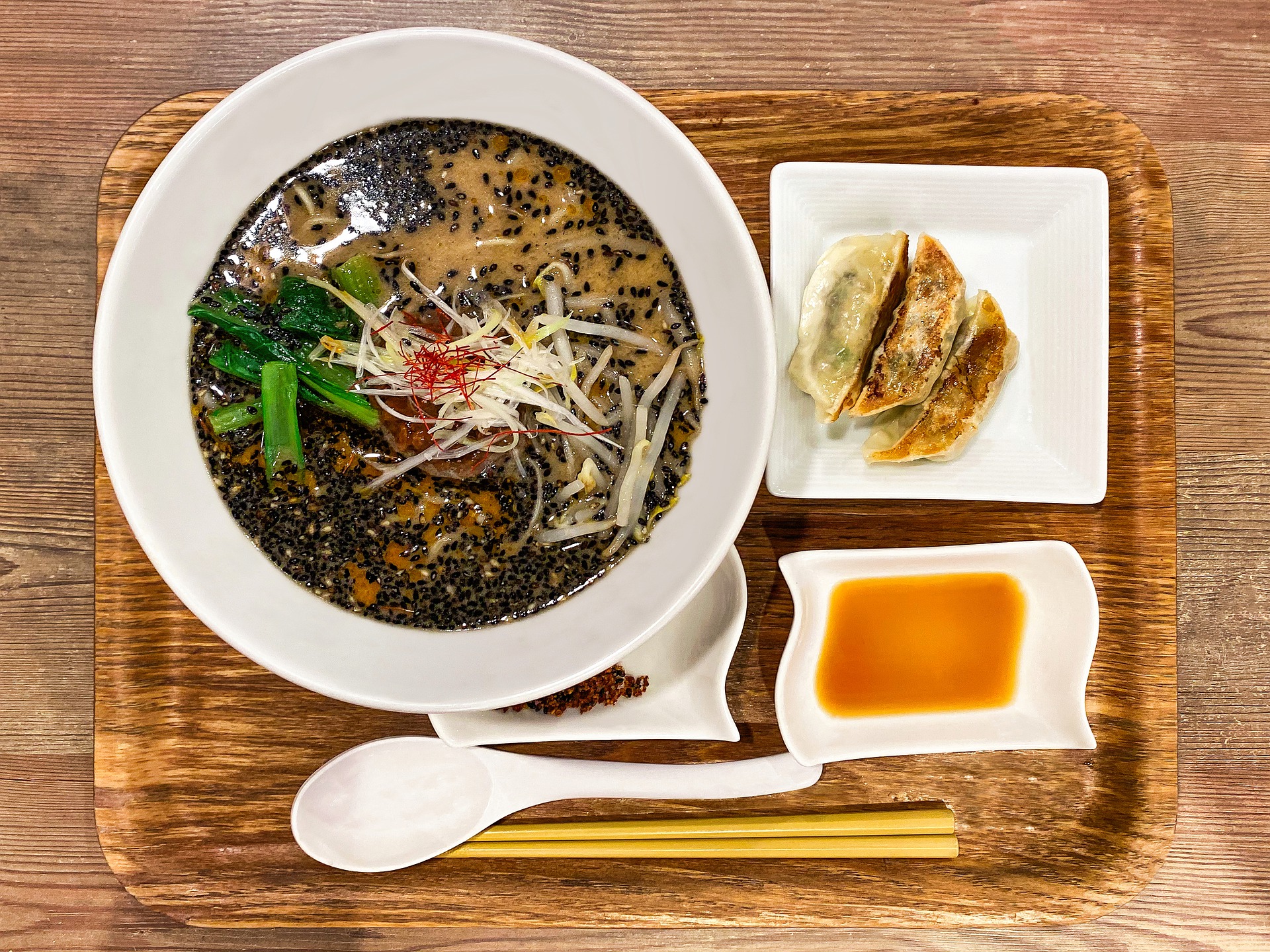
A gyoza definition: a dumpling filled with ground, shredded meat and/or vegetables, not necessarily in the shape of a dumpling. It is a traditional Japanese dish that has been popularly eaten for centuries. It has always been found in both folk cuisine and street food. In fact, gyoza is not really linked to a specific meal, as it is eaten at all times of the day. Whether it is breakfast, lunch or dinner, it has its place on the plate. However, it can also be consumed during the day as a hunger-relieving food, and is also eaten on the road while travelling. It could also be said to be a universal food.
Japanese cuisine is characterised by simple, clean. To our taste buds, which are used to Hungarian spicy flavours, it is almost a „tasteless, colourless” dish. They value simplicity and harmony, which is also the result of serving dishes in separate small bowls. It is essential to have dishes that are quick to prepare but healthy, and whose tradition is unbreakable. These include gyoza, but also traditional sushi with raw fish flavours. In addition to ramen as a main course, gyoza - a dish made from noodles and hidden delicacy - is an essential ingredient in Japanese cuisine.
The history of gyoza
According to some sources, gyoza is actually a copy of a Chinese dish called potstickere. The Japanese spent a long time in China during the war, and although their culture is very similar, it is based on completely different foundations. The same is true for the food and ingredients. The potstickers won their favour and, returning home with a bit of Japanese culture, they started making these dumplings. That's how they became gyoza.
The story of the soldier and the girl (fairy tale)
According to a legend, the gyoza is an accident. It happened once, that a Japanese soldier, who had been driven into Chinese territory by the war, spent many years outside his homeland. During the battles and struggles, he travelled almost all over China. However, while stationed in a small Chinese village, he fell in love with a girl who was the daughter of a farmer. Their „forbidden” love was hard to bear, and it was only in the evenings, hiding in plain sight, that they could meet and cuddle. To make matters worse, the troops stationed in the village received orders and had to move on. The soldier then made a big decision and, defying orders, stayed in the village with his lover. When it was safe to leave, she wanted to give her lover a sumptuous feast, but with few ingredients at her disposal, she simply baked pasta. To give the soldier a variety of flavours, she made different fillings. There was meat, but mostly vegetables. They liked it so much that they made it regularly from then on. From the village it spread to the neighbouring villages and even further afield...
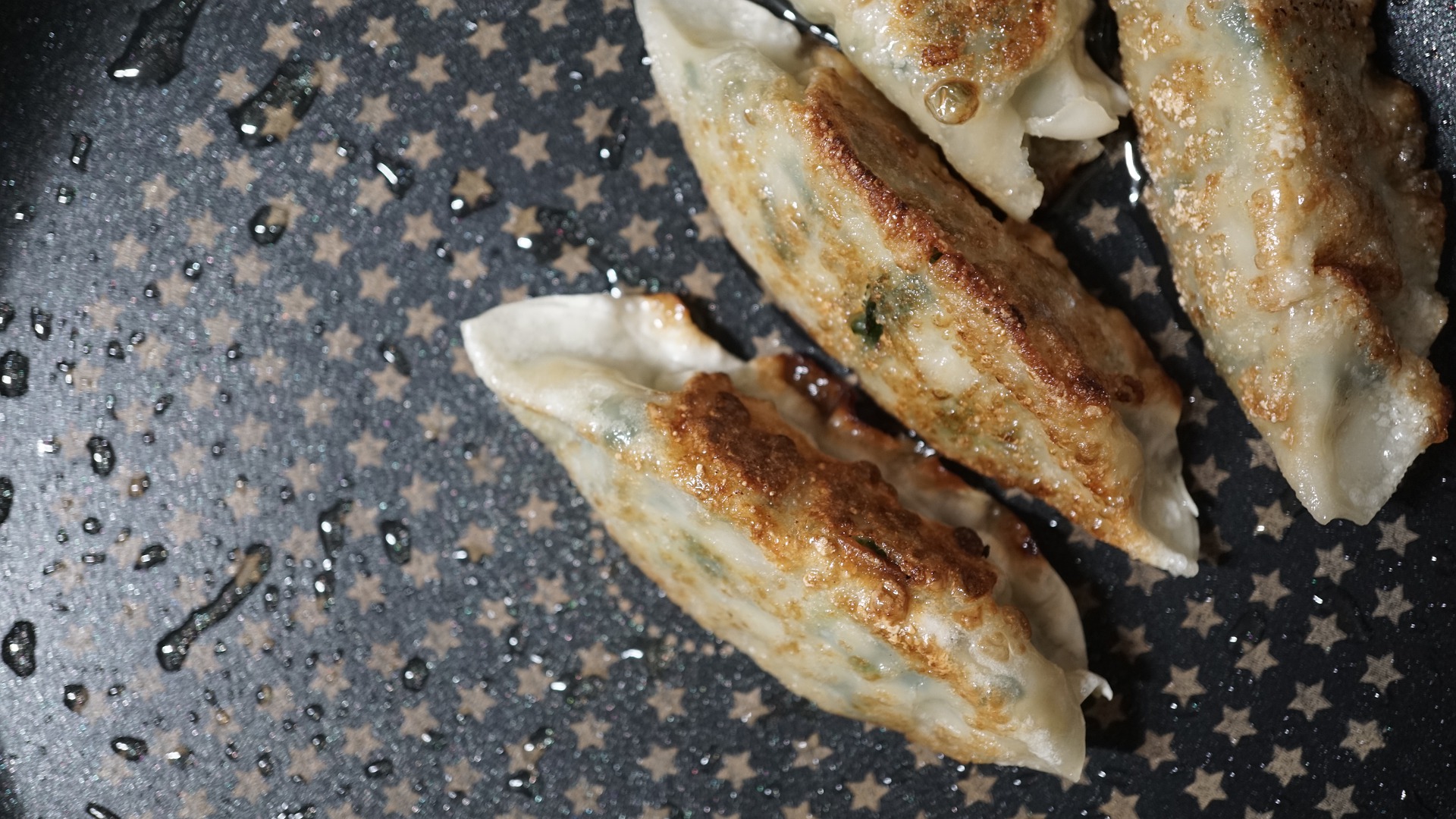
The gyoza can be of all kinds
The reason why gyoza can be „all kinds” is that it can be made from different types of dough. It can be savoury or sweet, and there are many ways of doing it. The cooked „dough balls” themselves are used not only as a main course but also as a side dish. It can be added to soups or meat sauces, but it is also an excellent accompaniment to sauces and roasts. It is also a good main course. In these cases, we are talking mainly about stuffed pasta, stuffed dumplings. Stuffed gyoza is often served with other dishes, according to the „Japanese way of serving food”. These can be boiled, steamed vegetables, meat and, most importantly, various dipping accessories.
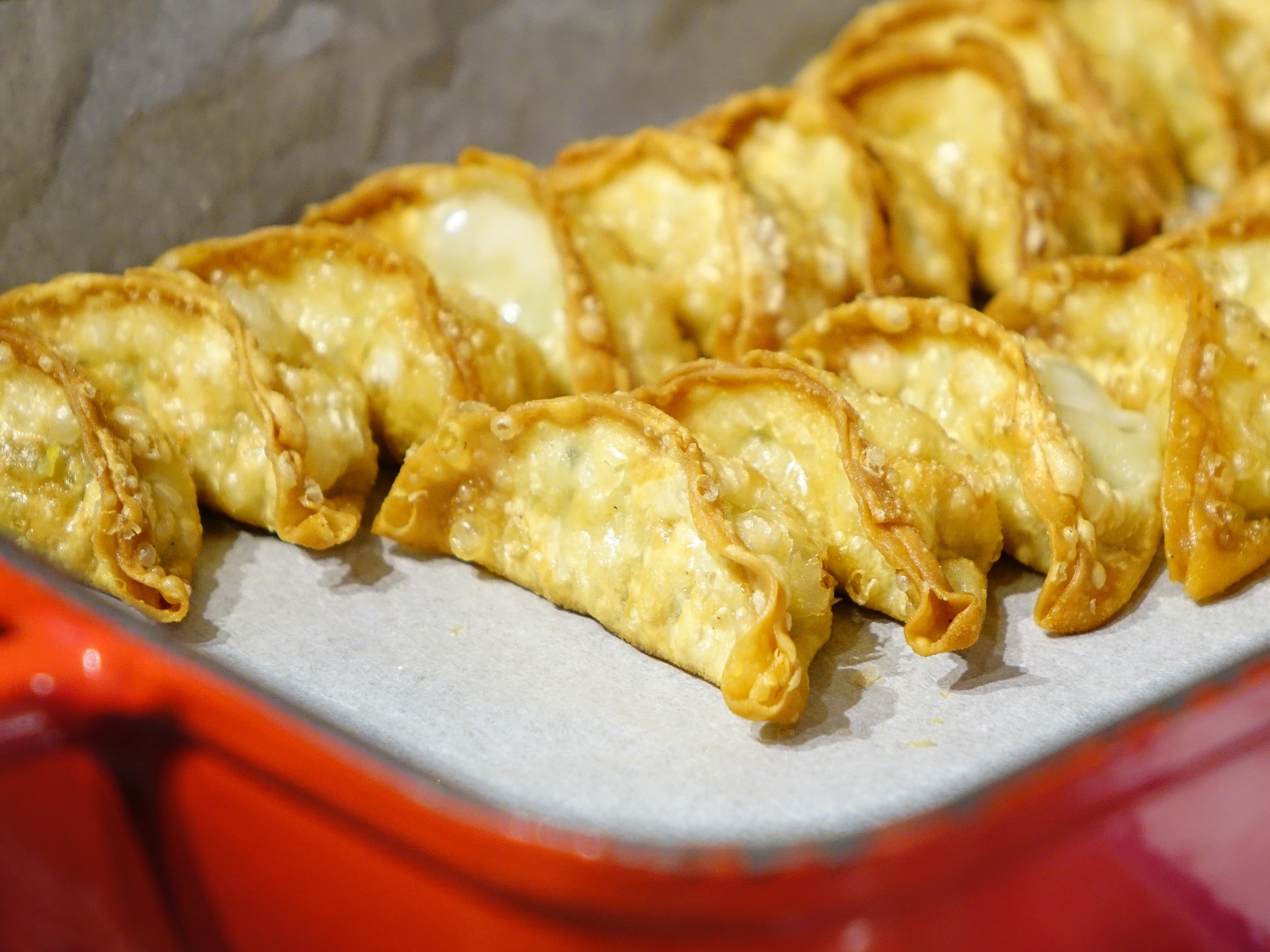
Forms of preparation
If you are making a gyoza, you can do it in a very simple way, the way we do it in our kitchen, by cooking the dumplings. All you need is water, salt and some oil. But it can typically be presented using any cooking technique. There is a long tradition of steaming, especially in Japan, which is slower, but produces a nice textured gyoza. Cooking is of course the quickest method, but sometimes cooking is only used as a „pre-cooking” method, and the already pre-cooked noodles are quickly cooked. This is most common in street vendors, who prefer to serve a quick meal.
Charging and types of gyoza
In fact, the wreath is made in many different ways, and filled in at least as many different ways. After all, it is filled with everything from meat to vegetables and even fruit. It is particularly good for a vegetarian diet, mostly stuffed with cabbage, mushrooms and fresh vegetables.
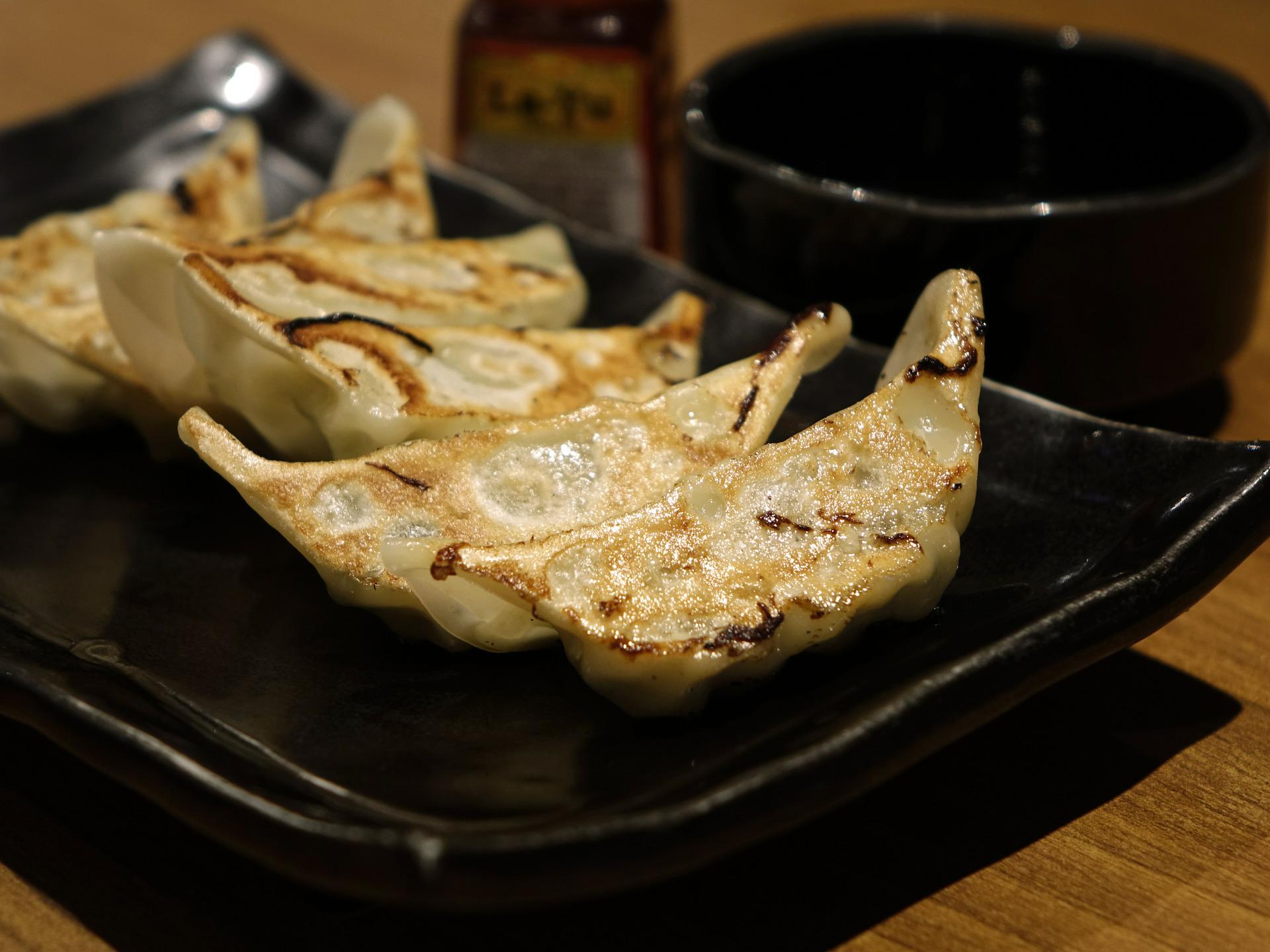
Types of gyoza: spring rolls, sweet dough, dumplings, bread gyoza, savoury gyoza. The cooked gyoza are mostly made for soups, while the fried gyoza are fried to crisp. Real traditional gyoza can only be found in real Chinese restaurants.
An essential accompaniment to gyoza is gyoza sauce! Actually, it is fish sauce, soy sauce. The best known is ponzu, a classic soy-based addition with a citrusy flavour. The „umami flavour” is very important in these sauces!#
Photo by Pixabay