





The star ingredient of French bistros, the perfect topping for sandwiches, the butcher's staple, once a leftover? Read about the fascinating life of the beef cheek and how it was made to perfection here.
Real luck today good quality to get a beef cheek, or even a beef cheek at all. You have to order from the butcher, and that too from under the counter, or come to the shops only on certain days, in good weather, to get the few pieces that have arrived. In any case, it's rare that you're hungry for beef cheeks and you can cook with them, unless you have a well-established stash.
Beef cheeks as a leftover meal?
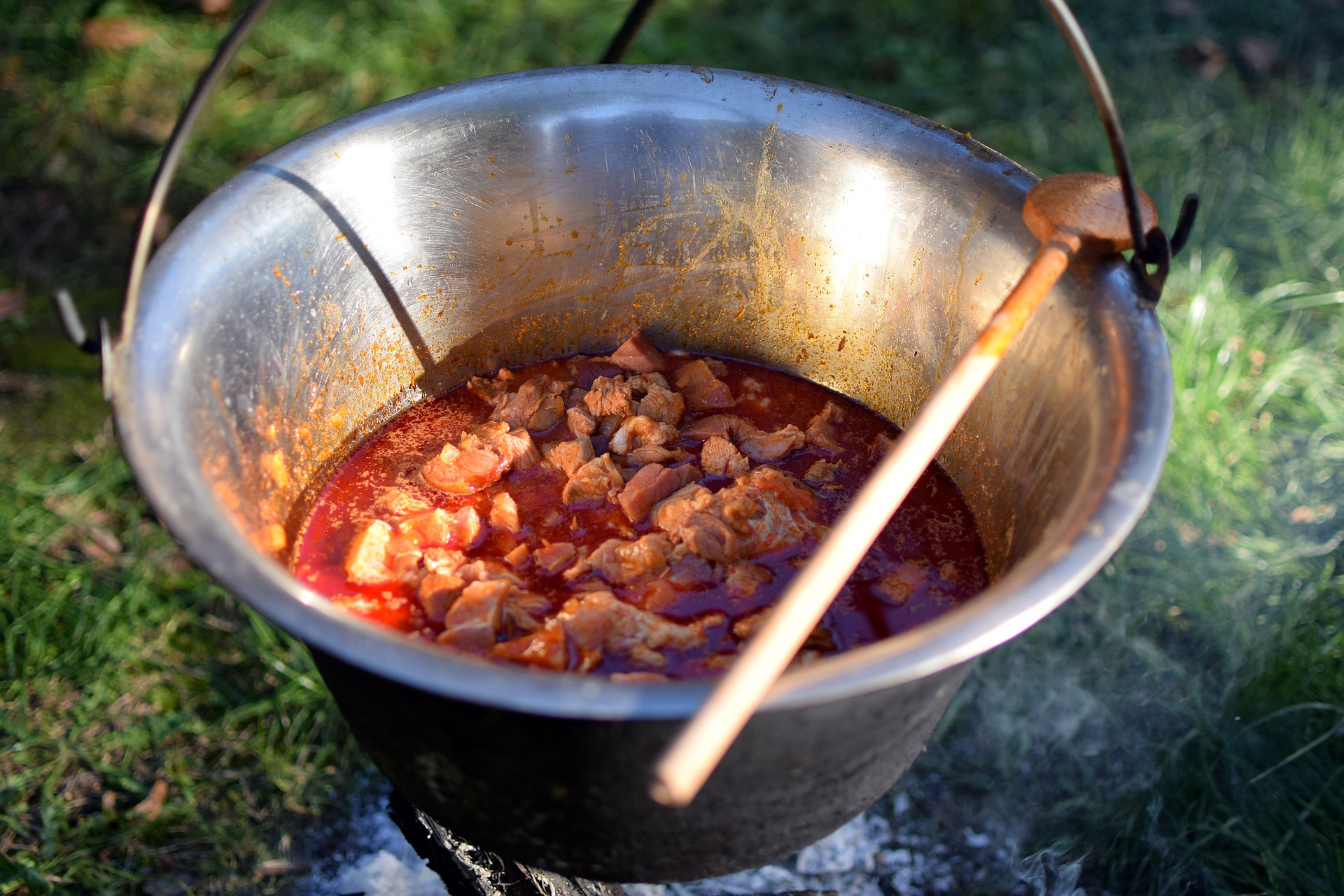
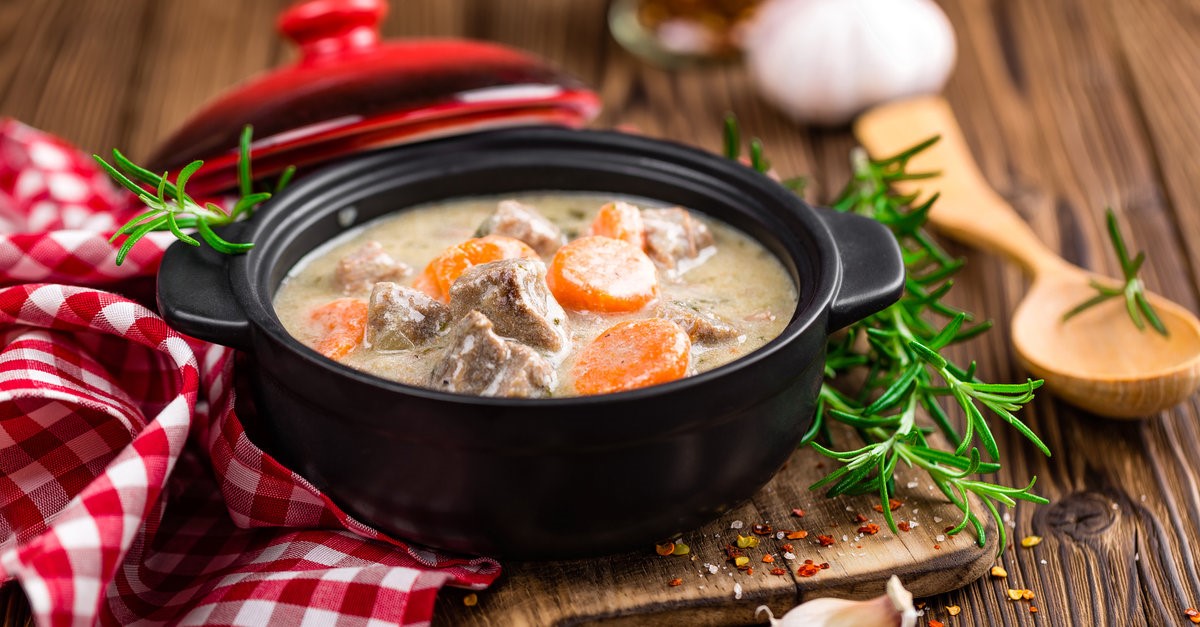
Even this was done in the famous French cuisine, not recently of course, but rather in the 20th century, when this lean, muscular part of the beef was all that was left, with a few onions and vegetables from the kitchen thrown in, and then topped up with house wine. It was cooked long and slow to soften, often eaten with just bread, the gravy was dunked in. This process has since become known as the Burgundy method and has been transformed into a world-famous princely meal of leftover home cooking.
The secret of boeuf bourguignon, the perfect Burgundy beef
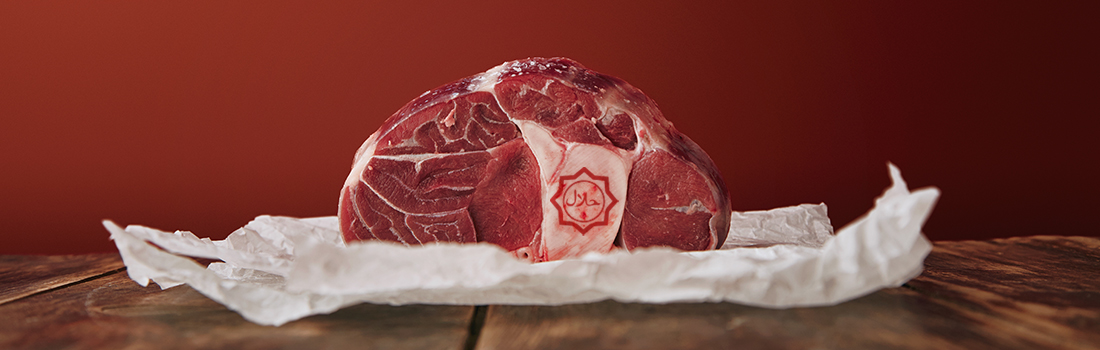
Cooking from the cheeks of beef was not as popular in the past, but today it is the number one favourite ingredient in many people's kitchens and on the table. It's the part of the beef animal that gets the most use in its life, so it's packed with muscle, fibre and even more collagen. When roasted, this means you get a sticky, cupcakey, succulent meat that melts in your mouth almost creamy when cooked slowly. Every recipe starts like this: for boeuf bourguignon, 2 things are essential: the perfect meat and the right high-quality wine to go with it. The French insisted on Charolais beef, now priced in gold, but you'll find high quality beef still on the palette. It's one of those rare dishes that can be made with little work and anyone can make it, just follow the procedure.
Guests are welcomevencei
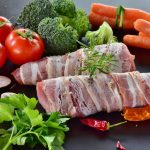
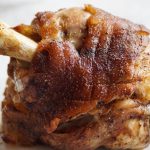
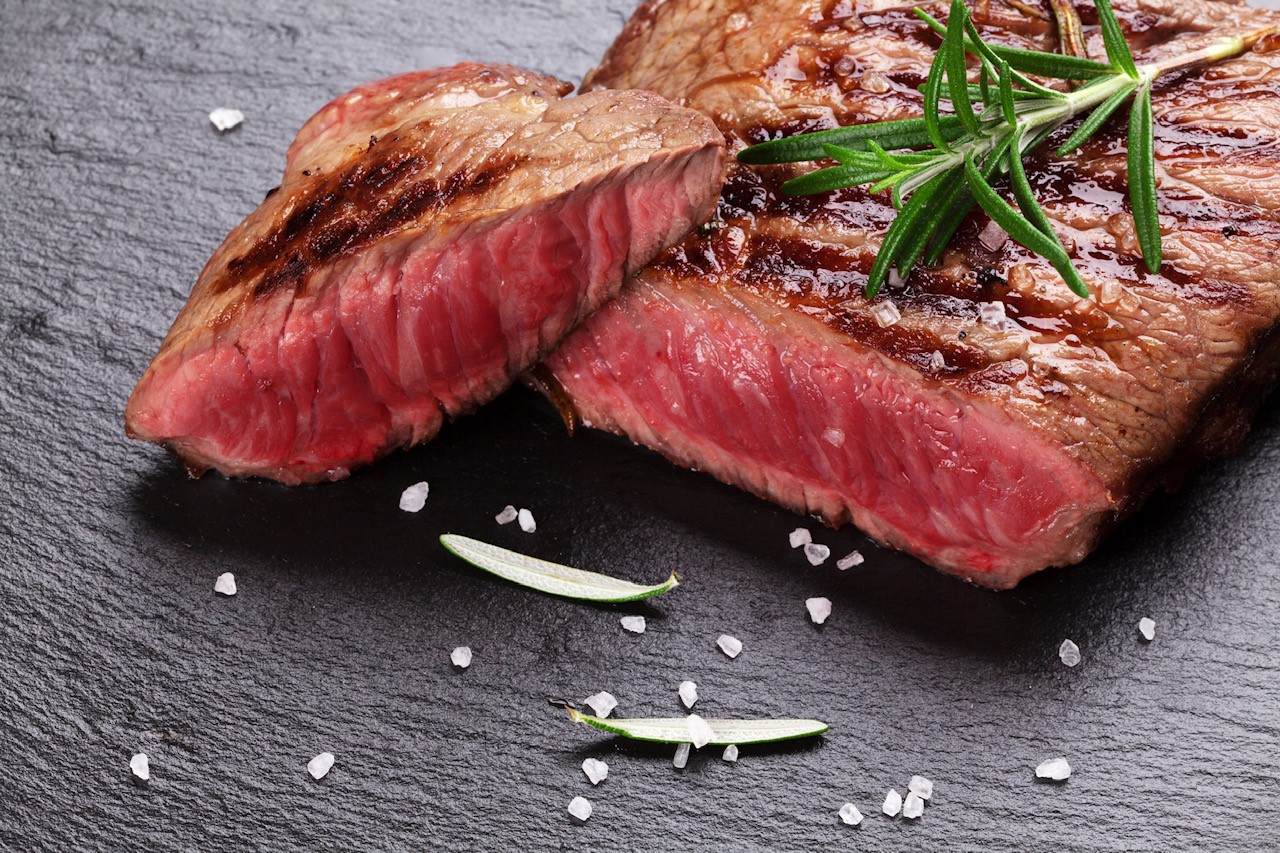
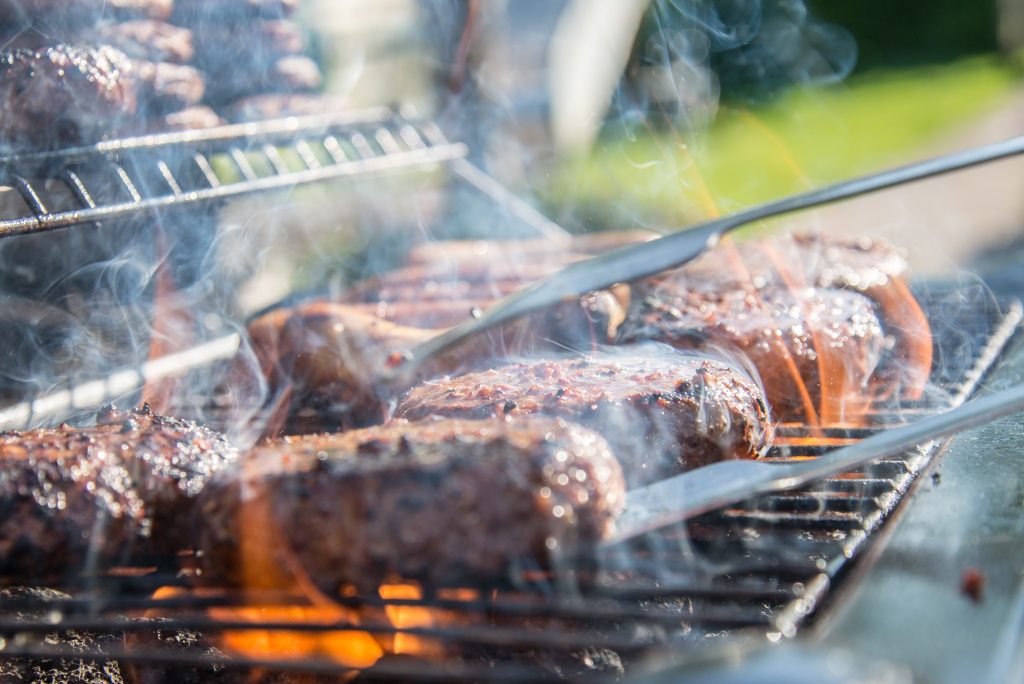
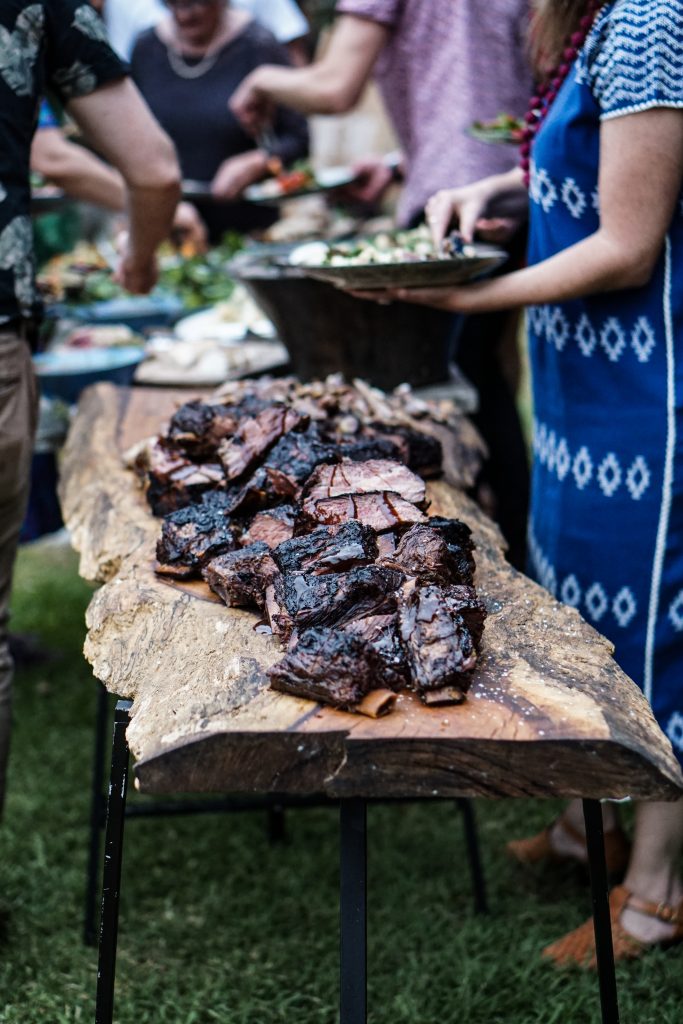
Two perfect but different recipes, yet with something in common. One is braising and the other is smoking (BBQ). Braising is still found in 19th century Hungarian cookbooks, where pieces of meat were wrapped in bacon fat, boiled and then covered with vegetables and cooked for a long time. In BBQ, on the other hand, a single crust (rub) is placed on the meat, shaped, rolled up and tied and then placed on the grill at 120 degrees. When a nice crust is cooked, it goes onto the grill and is only limited by your imagination whether you baste it with apple juice or whisky while cooking. When the meat reaches 92 degrees core temperature, take it out, let it rest and put it on any kind of focaccia, artisan burger bun, sourdough bread or just a big fresh salad, because it's heavenly either way.
The 5 most important things when making beef cheeks
It's worth choosing the best quality, because everything is revealed on the plate anyway! It's important to have the right cooking utensils, as you'll need a long, slow fire for the beef cheeks. It is much tastier if you always cook or serve it with vegetables for its intense texture and flavour. Last but not least, choose a good type of alcohol to use as a seasoning and add flavour to the beef at some stage of cooking.