





Fine dining in this country means „We wash this plate”. At least among those with terrible public taste, the mohicans of the Kádár catering industry and burnt-out chefs. At the same time, it can be said that Hungarian fine dining has put Hungarian cuisine, hitherto world-famous only in Hungary, on the world map. The MÁK Bistro is a worthy representative of top gastronomy. MÁK's sister restaurant, SHO BEACH, has recently hosted a Michelin dinner experience. I write about fine dining in this context.
About fine dining
The general perception of fine dining in Hungary is also wrong because little is known about it, even in culinary circles. And experience is expensive. If fine dining is so expensive, why push it? Fine dining is a style of cuisine not tailored to everyday dining. We don't even fiddle with the outfits on the runway at fashion shows, but when it comes to everyday pieces, they are, without exception, based on catwalk trends. To add to the example, fine dining menus are very much edible, enjoyable and even good to live with. Any chef who is not aware of the latest trends in high-end gastronomy, the changing range of ingredients and the new technological processes that necessarily follow, will not only be left behind, but will also make his or her old dishes increasingly shoddy. I have had many discussions in restaurant backyards about this; about separate ingredient handling, the use of green spices, new processes, the „no more on the plate” catering dilemma. The final counter-argument was a reference to public taste. All I can say to that is that it should be shaped by the catering industry. It is the only way to say the culinary profession, catering as a vocation. Otherwise, we are talking about the badly remembered soup „catering”.
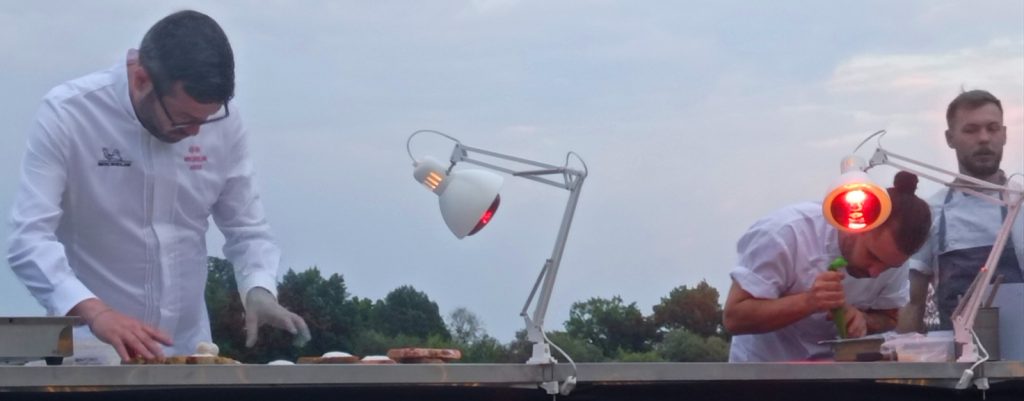
Yes, I was talking about the catering chef from two sides. Of course, we need more than just restaurants with stars and international accolades, but until we change the attitude of the profession to high gastronomy, adapt and open up to what is good and affordable, the overall quality will fall far short of good and healthy dining.
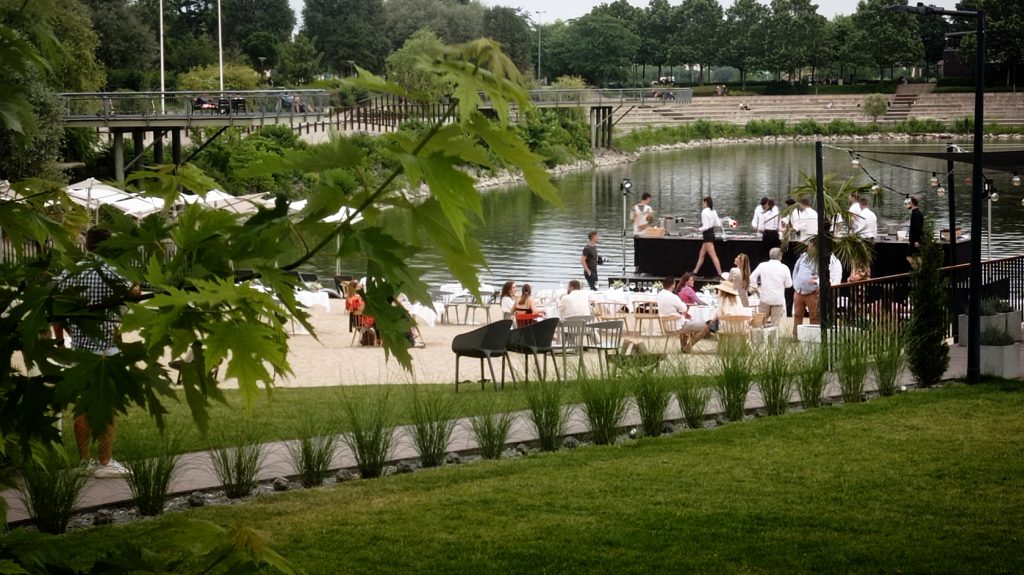
Off to the Kopaszi!
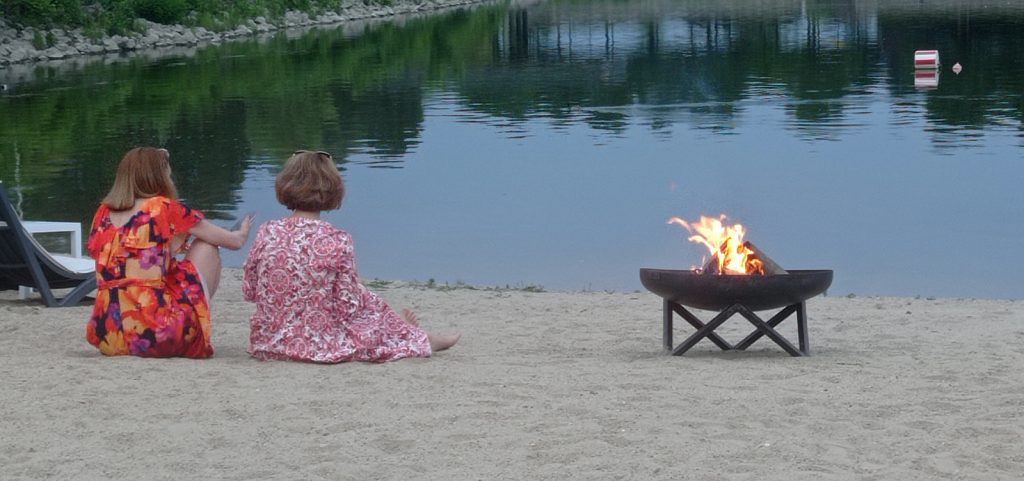
We ran into wine expert Zalán Szittnyai (with welcome champagne in hand) and his colleagues at the gate. From there, it was a foregone conclusion that the drinks paired with the food would be the best. On the “beach”, tables set up casually towards the water faced the stage, where two-star Italian chef Giuseppe Iannotti (Krésios) and Jani Mizsei, a chef who has just been awarded a Michelin star, were hard at work.
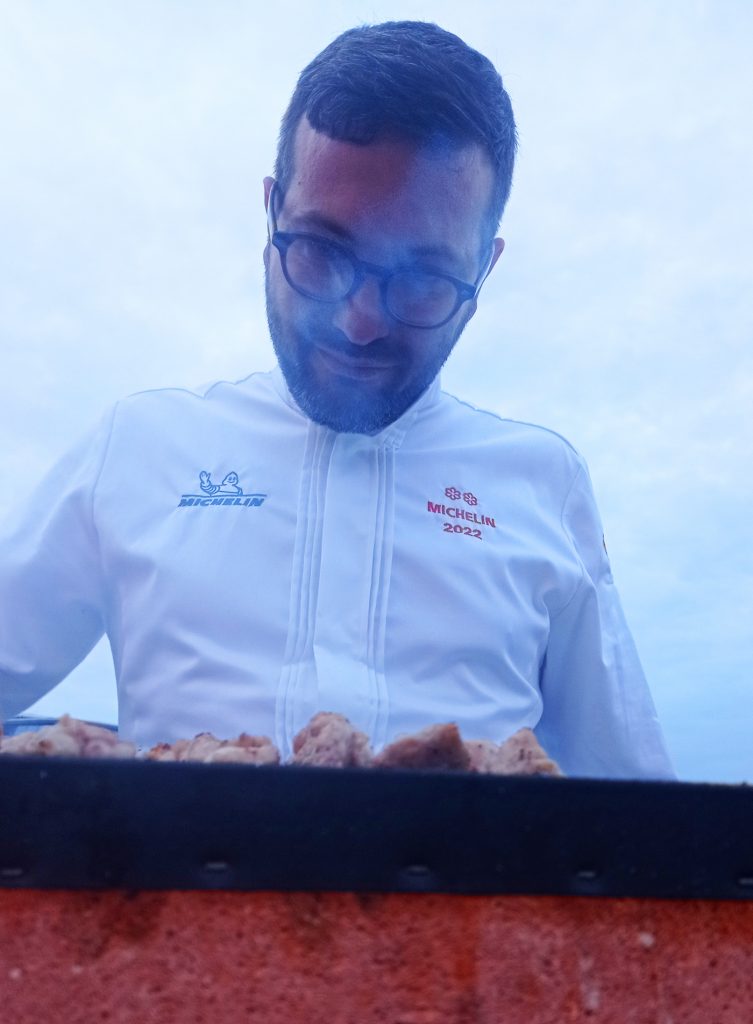
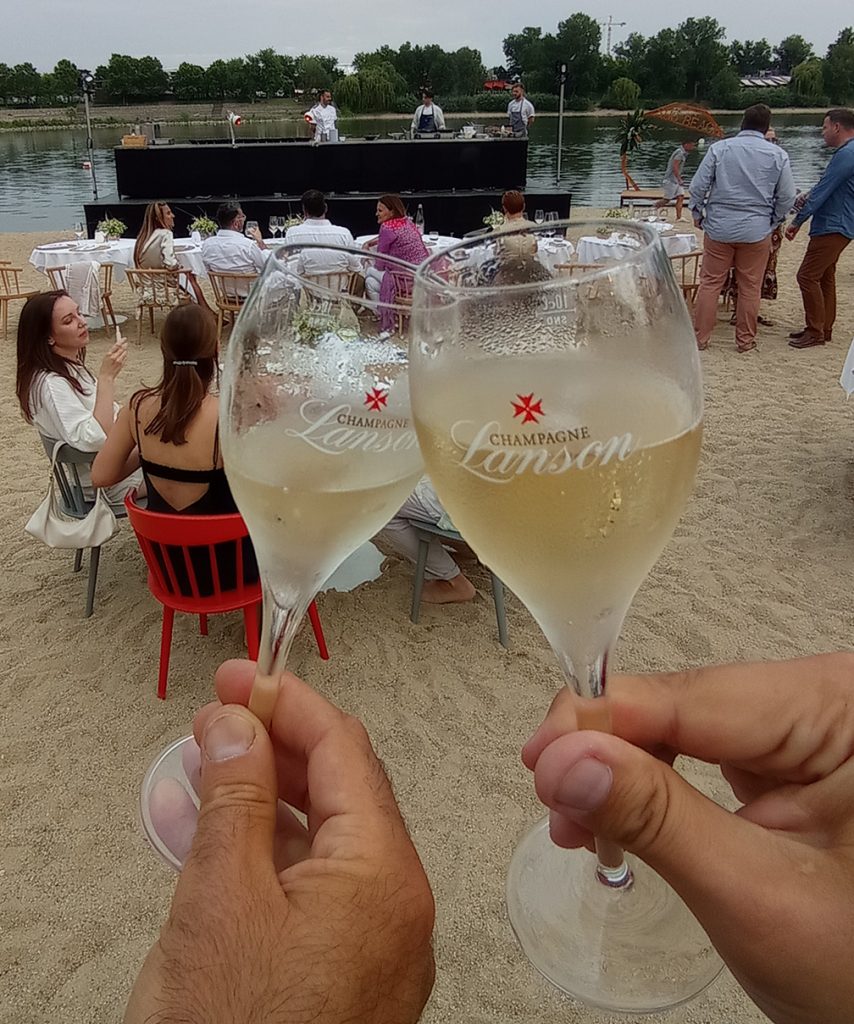
I admit I was afraid of some kind of snobbery, but it turned out to be a false premonition. Balázs, the sommelier, brought the ice bucket to our table with the most natural kindness and nonchalance, with white (and Lanson) for a snack.
Act One
In a menu of more than ten courses, the starters, main courses and even dessert were not really separated. There was a clear effort to avoid a strong sense of transition. It was possible to compose a continuous symphony, harmonious and clearly changing.
Champagne is a strong start, but I'd say it's a perfect tuning for the overture. The snack was overwhelming and blew everyone away. The chefs made it known from the first minute that they were masters of their craft. The raffaello balls are coconut, of course, but made with duck liver. The other ball, a doughnut, with herring cakes and strawberries on top. The surprise is the inside: smoked toothpaste.
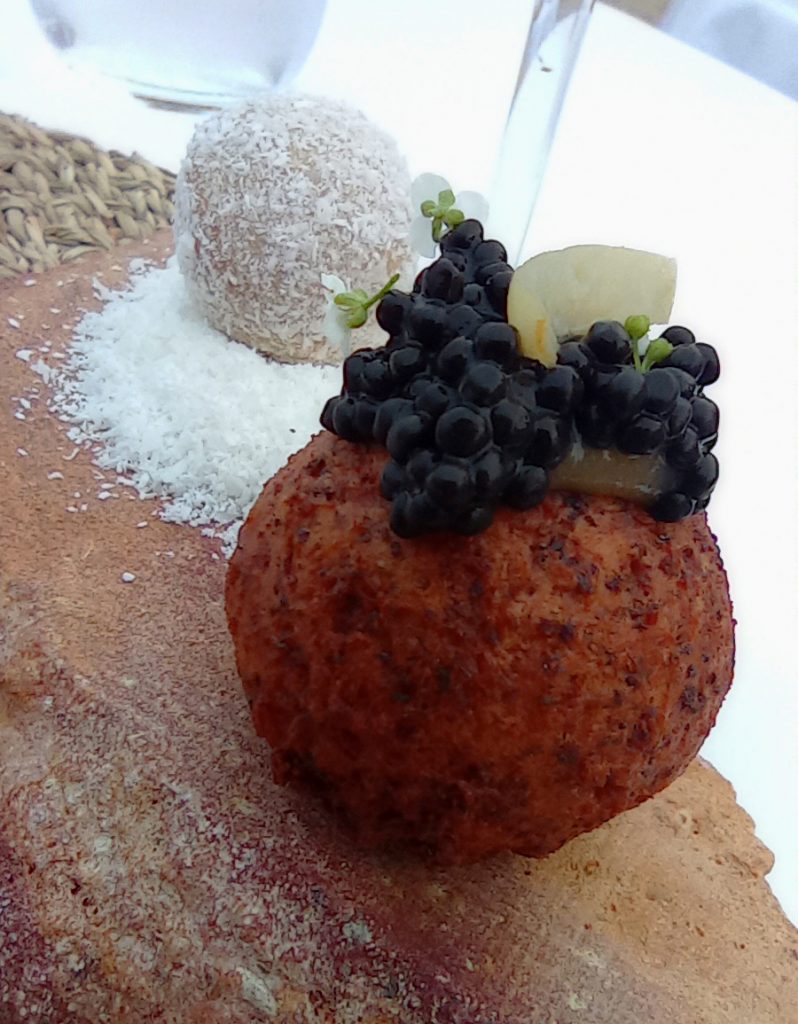
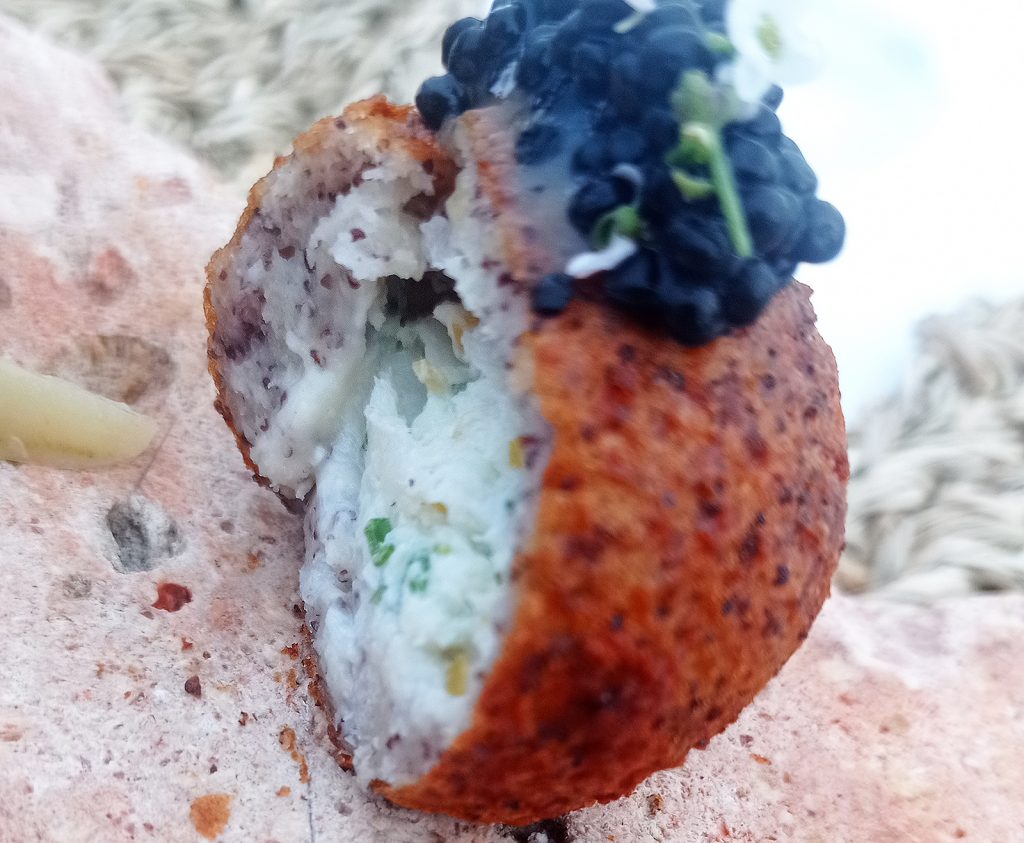
I can't say much about the flavours, except that they are heavenly. The texture is vibrant. After the outer and cooler crust, we move through the softer, lukewarm dough to the warm magma inside.
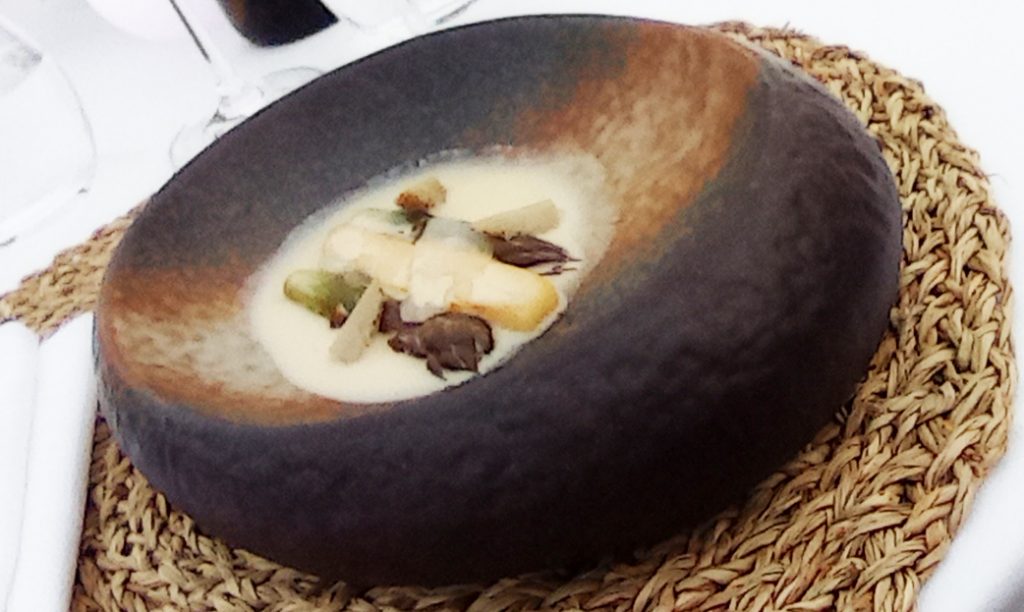
The asparagus, mangalica with lardo and marinated strawberries arrived in a beautifully polished stone (respect to the waiters!). The purely „just” well-treated ingredients were given life by the Dutchman with his sumptuous acidity. So much so that it definitely boosted my appetite - the white wines were decently smooth to the previous ones, which I mention only because the hunger pangs were not achieved with some silly sour wine.
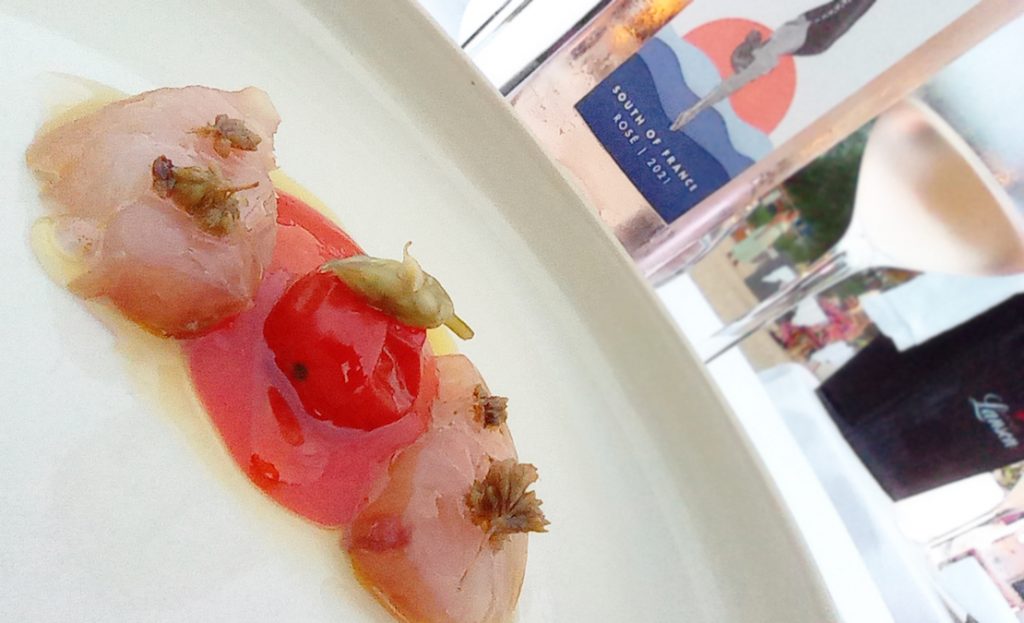
And then came Zalán's latest favourite, the Provence rosé, which is not so much a rosé and not so much a fruit wine as a wine that we sip with soda and nod our heads in satisfaction as wine experts. This is different! This is rosé. ...as if the next course was invented to go with the wine; yellowfin mackerel with Italian tomatoes and pickled oregano buds. I was surprised that I didn't detect any marine flavours in the raw fish. Even fish food haters would eat this one for two cheeks.
Main scene
There, it didn't even occur to me that the next item was a shift in the menu. The veal brisket comes with scampi and brunello (Italian red wine). It's a great pleasure, we chat, try to taste the wine and criticise the food - a difficult task for someone with a vitriolic pen like me.
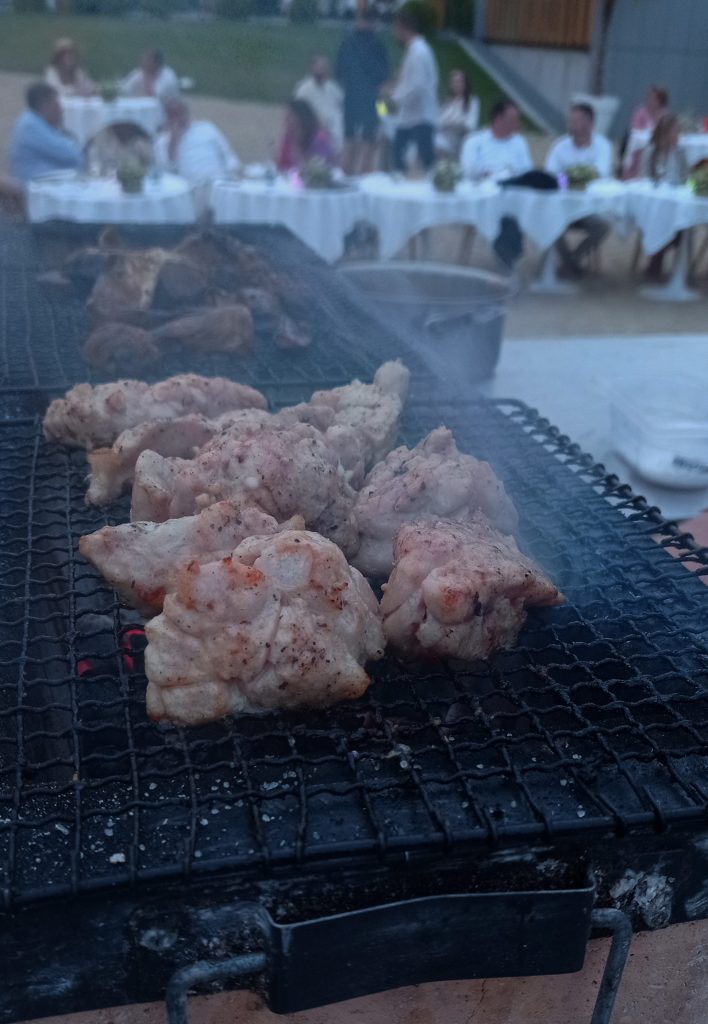
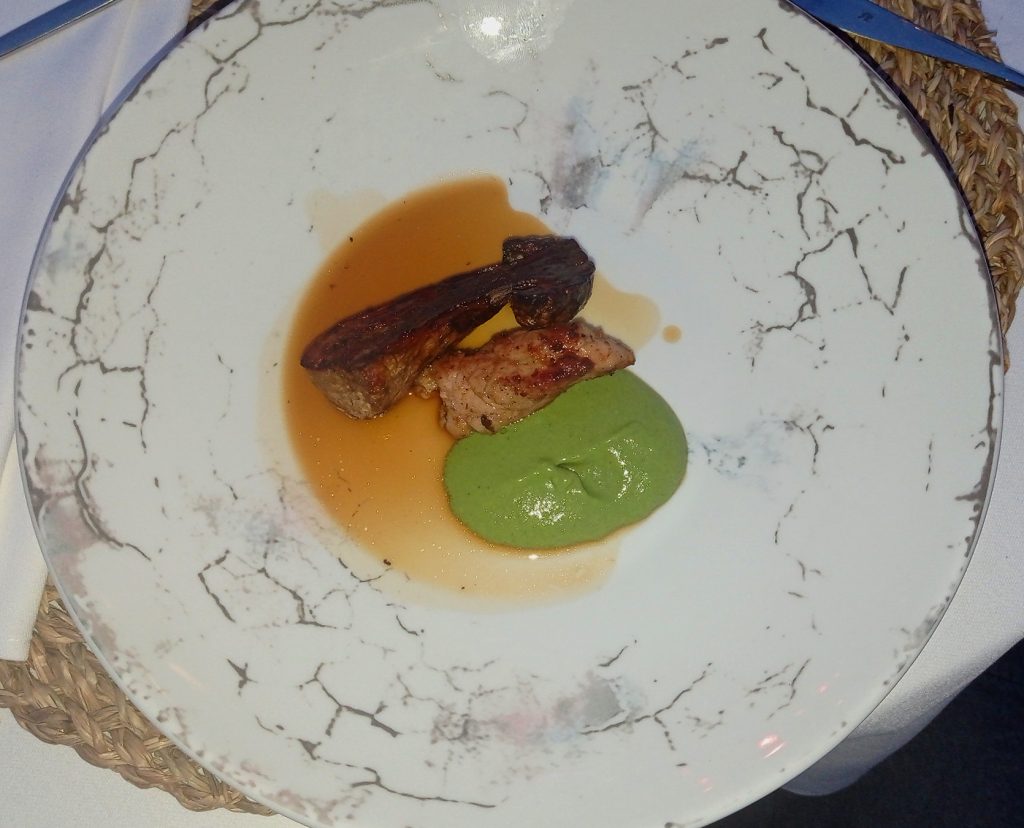
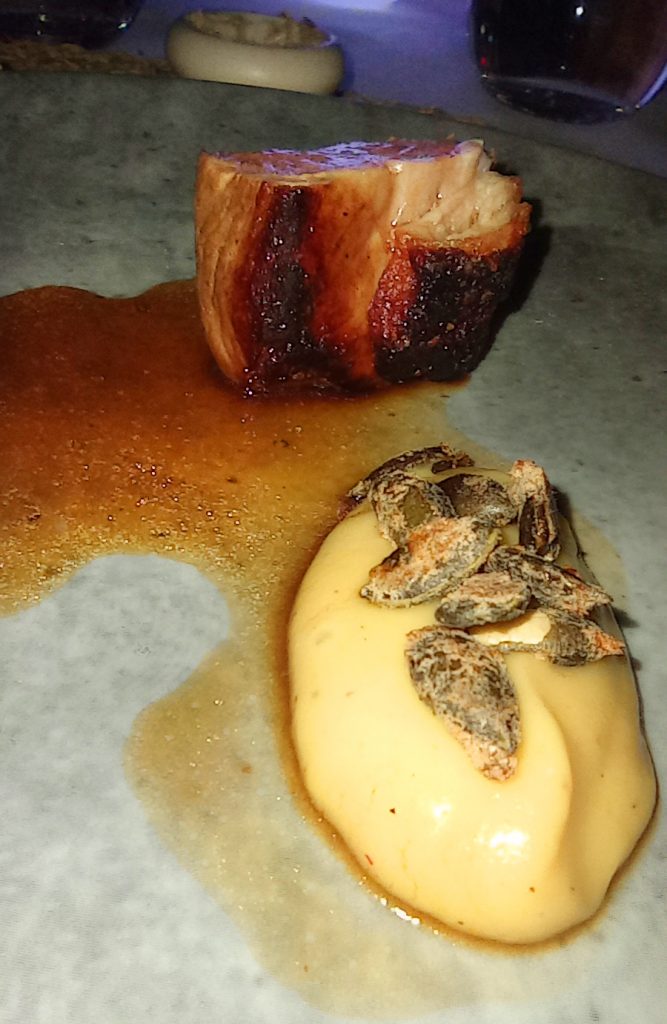
Although the lamb, pumpkin and saffron with a little character from the brunello. I enjoy the perfect charcoal roast in this dish. The flavour of the lamb is essential, the ingredient itself dominates, no spices overwhelm, the smoke is only nasally, the tongue is given everything. I managed to roast the epitome of lamb. The slicing, the texture is also exemplary. The dish, a vibrant play of toasted, roasted and crumbly textures. A classic fine dining dish.
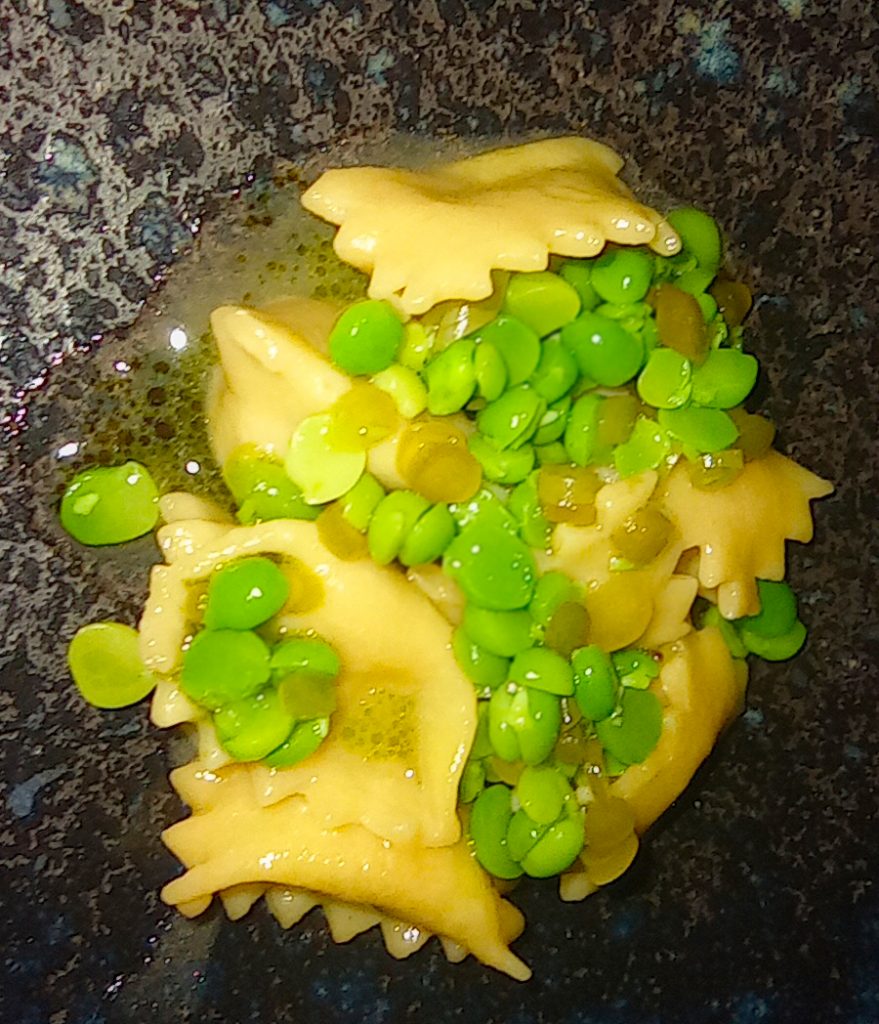
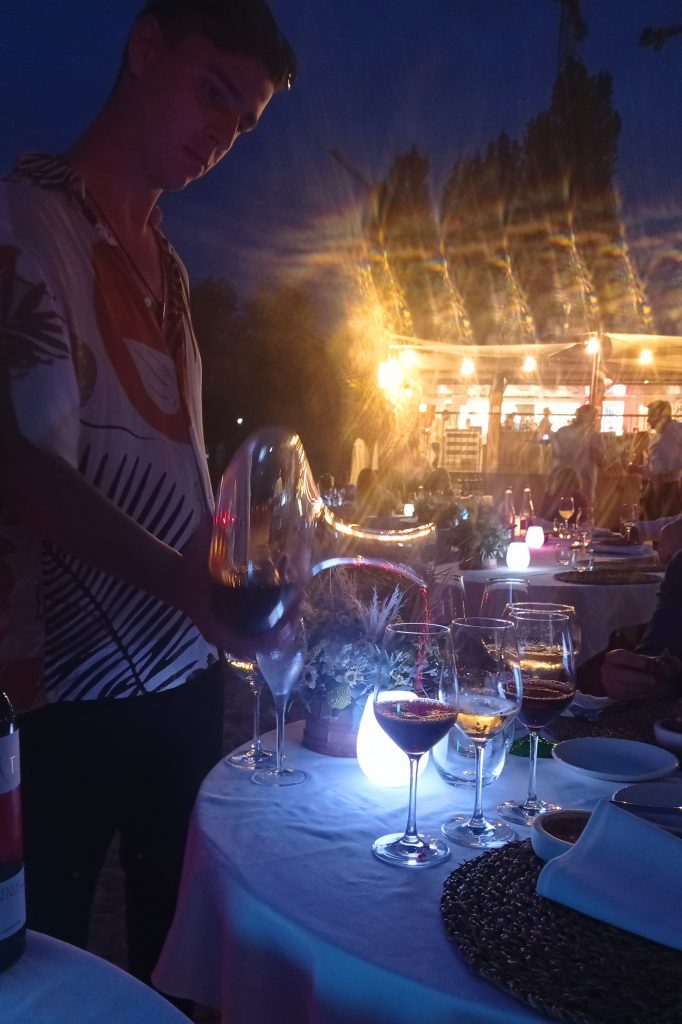
Balázs is a tolerance statue of the Somelians, listening to our cleverness, a cool, good-natured guy, joining us for a drink (no snobbery, he welcomes us with the most natural grace). He turns around and brings out a new white for the roast guinea fowl ravioli. I've made a good few stuffed pastas, but I'd need to make a few hundred more to fill a nice little bag like the one on the plate. Balázs's wine, on the other hand, is more than suspect. I say to him, „I've never had such a fine wine in my life, but at least it would be carbonated”! At a distant table the owner raises his glass to us (old friend). Zalán and the others smile. „Now bring us some of this excellent white, one that hasn't been watered down!” There's a big laugh from everyone, a cool but tasteful joke.
Act Two
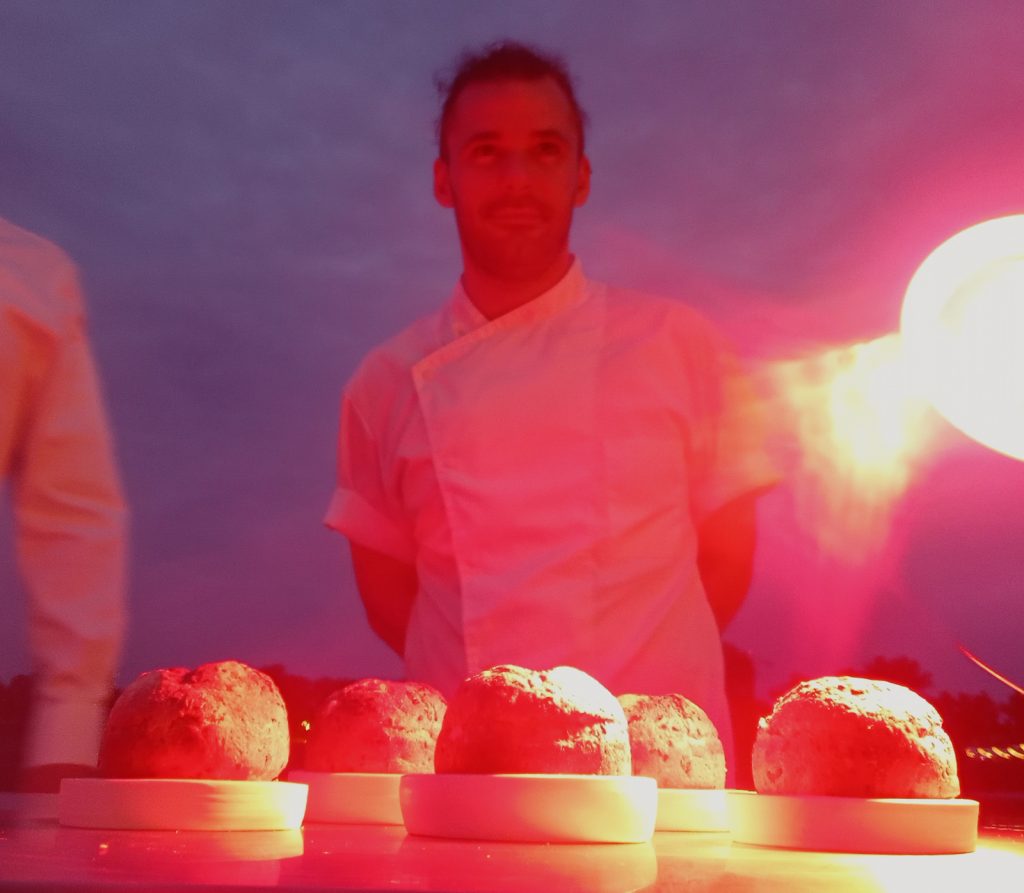
The „orchestra” rearranges, the second act follows, the table is enlarged during the interval, the wine is consumed and the bread arrives (I wrote about these subtle transitions above). We now know we're heading for desserts -the menu was not made public.
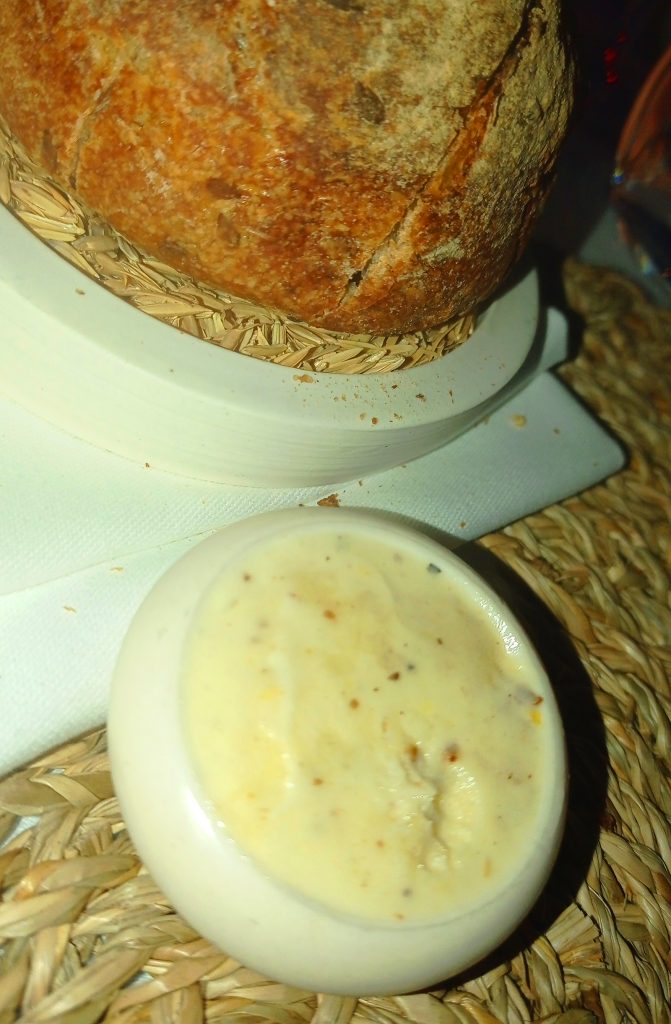
The small house onion is flawless, thin-skinned, not too loose or chunky, and very tasty. The slight saltiness is wonderfully balanced by the sweet vanilla butter, all of which is a perfect match for the wine. Tasting diligently, so much so that my picture-taking skills are faltering. So no matter how much I mine my phone for the sweet pastine served in a myckey-mouse plastic bowl with buffalo mozzarella, I can't show you. It's Giuseppe's childhood favourite, by the way, which gives you a sweet, salty nostalgic warm feeling - I didn't ask for hot cocoa with it, though, that would be too progressive fine dining.
I wasn't hungry at this point, but curiosity drove me to the dish of roasted crème fraiche with rhubarb. You can't call this an old-fashioned sweet, either, which is powdered down to „soften” the already pungently concentrated refined sugar...so there were flavours and textures aplenty. A truly modern, harmonious and not unhealthy dessert. That was the end of the menu.
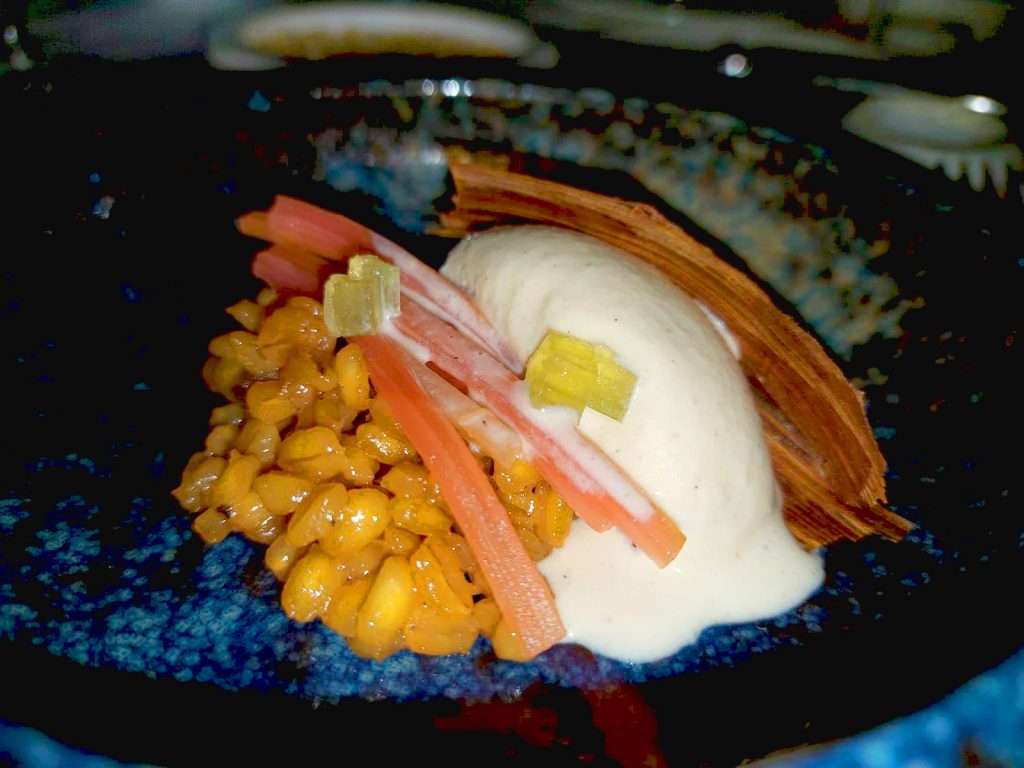
Fireworks at the end?
I likened the Beach Dining evening to a performance, where the two conductors showed what contemporary and progressive fine dining is all about. In a „beach environment”, in a homey headwind, with confidence. Of course, there were no fireworks at the end of the evening, but a closing dessert that was worthy of a firework display. The MÁK line did not lie to itself. The last item was a huge bang (unfortunately no picture of that either), a little too much, as if everything had been ordered for it. The lychhe-is violet-flower ice cream flavour practically haunted me into the next day.
-Pupa-