






There's no question that this pasta also has something to do with Italy. As a „pasta nation”, they have quite a lot of food, especially pasta, associated with them, which then spread around the world. They are the ones who have a deep-rooted tradition of pasta making and who stick strictly to the original methods. Fusilli is not without its traditions, as it is undoubtedly ancient and has its own function, which derives from its twisted shape.
What is a fusilli
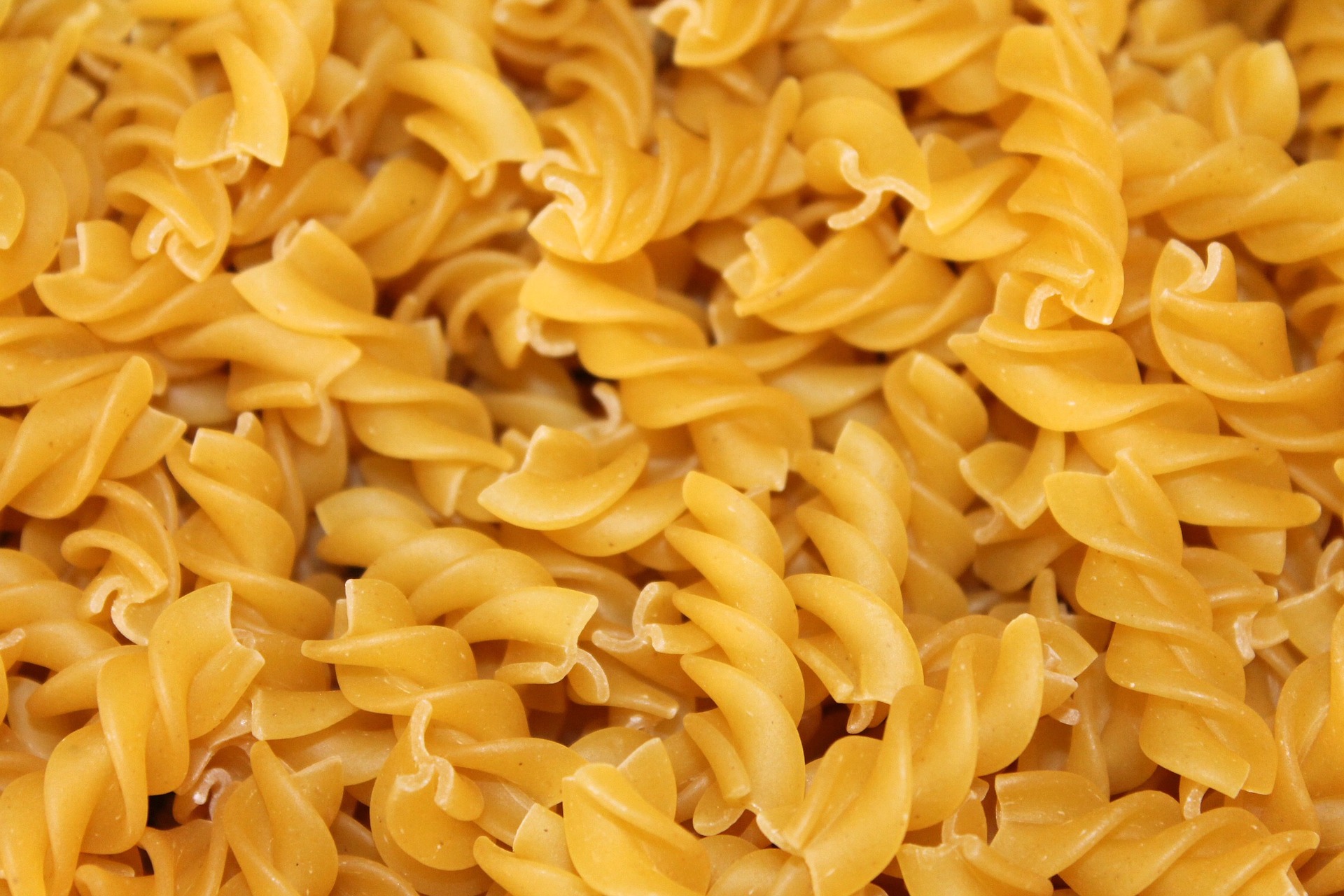
In fact, it is nothing more than a twisted pasta. It is most often compared to the corkscrew shape. This is only due to its shape, but it is not at all the origin of the shape. As everything has legends and stories, which may or may not be true, but they do cover reality. Thanks to the most twisted form of fusilli practicality, as it is mostly used for various sauces. It is the shape that can easily hold liquid or semi-liquid foods. This makes it an excellent accompaniment to any sauce. In Italian cuisine actually traditions There are also some rules about what type of pasta to use for what type of dish, what type of casserole or sauce. They are also naturally very particular about this. If all is true, the history of this pasta goes back almost a century.
The benefits of fusilli
Fusilli is native to central southern Italy. The name comes from the word „fuso”, meaning spindle. It has three spiral shapes in line with each other a tiny wing twisted in the air. The Italians say that it can be paired perfectly with virtually any sauce or casserole. Thanks to the grooved shape of its twists, it keeps the pasta together much longer with the sauce. As it is relatively thin, it cooks relatively quickly. And its spiral shape makes it very flexible, enjoyable to consume. It can also be used in sweet dishes, for example in jams and cottage cheese.
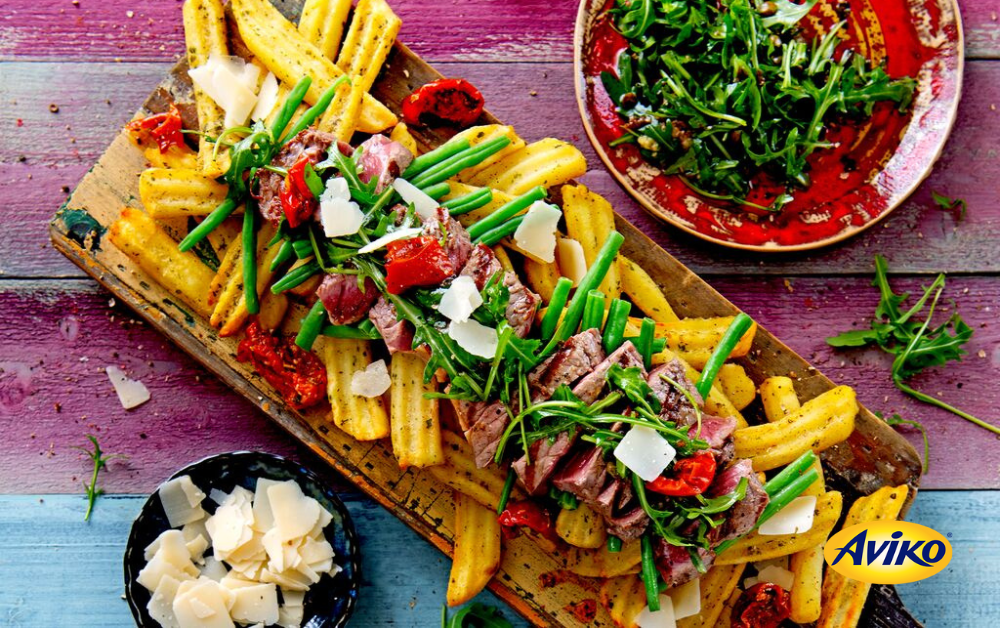
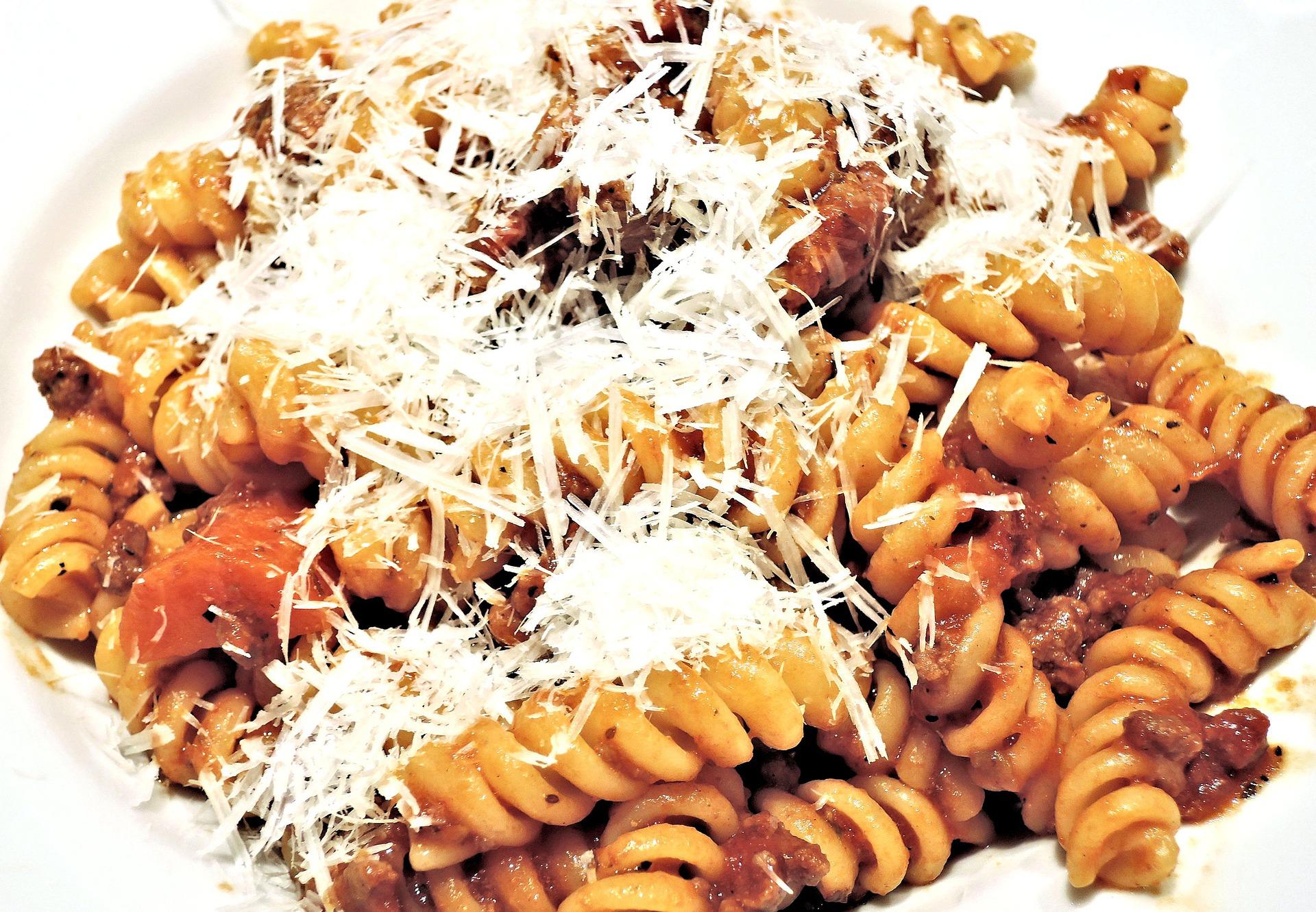
Perfect to serve with salads or simply with tomatoes in a cocktail. You can also grate cheese on top, drizzle with olive oil and top with vegetables. So versatile that you can eat it cold just as an appetizer, or serve warm as a side dish.
The stories of fusilli
The story of the baker's assistant
Like everything, there are several stories. One of the most common is that fusilli is inspired by the leaning tower of Pisa. It is not known whether it was still leaning at the time, but it is certain that a jewel of the architecture of the time, accessible only by a spiral staircase. According to surviving records, it was 1284 when the owner of the Peciolo bakery in Pisa sent his assistant up to the tower to see how busy the town was and how many people were heading their way. The assistant, Salvius, obeyed his master and climbed to the top of the tower and looked around the town. He found that there were hardly any people coming towards them, and with this bad news he was in no great hurry to return to his master. He admired the majestic view, and the seven bells of the tower, and only their shrill ringing warned him that he must go. Sebtiben set off down the steep spiral staircases, almost two at a time, and by the time he reached the bottom he was dizzy with the rush. He was forced to sit down in the grass at the base of the tower, and while he waited for his head to clear, he had an epiphany.
That's when he had the idea to make a pasta that resembled a spiral staircase, a bit funny and silly. It was in this way that the Tuscan town's baker's apprentice came across the unique solution for fusilli. He made it as soon as he had time, and even his master was amazed.
The sailor and the baker
Once upon a time, a battered transport ship arrived at what is now known as Marina di Pisa, a quiet seaside holiday resort that served as a port many years ago. There were sailors who passed the time in the harbour pubs, but there were also those who sailed in small boats up the Amo river to the city of Pisa. There too, of course, they were mainly looking for taverns and single girls after a long sea voyage. There was a sailor called Enizzo, who went into the first bar and ordered a jug of wine from a battered ace. As time went by, a local baker somehow managed to join him for an evening drink and they got to talking. As usual, they talked about everything, and both extolled their respective professions. The sailor's mate talked about masts, the sea and the storms, and the baker's mate talked about the nights he spent by the oven. When the mood was at its height, they began to brag.
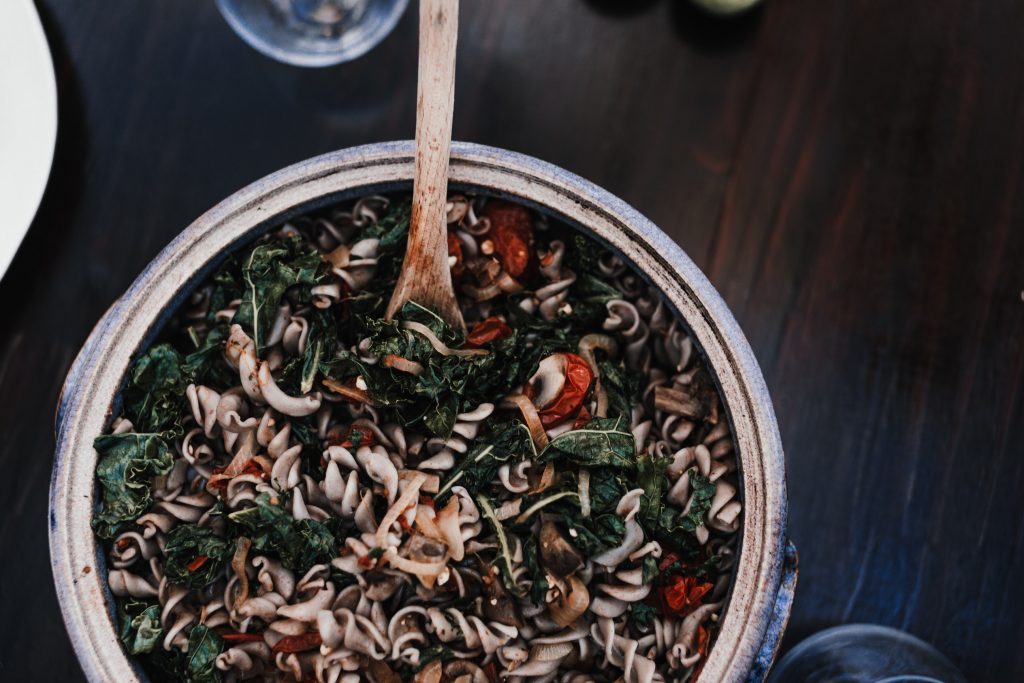
The sailor said that one of the things that has saved his life on several occasions is the strong braided twisted rope. It is what makes him feel safe when he climbs to the highest point of the mast. The baker's boy then said to him, “if it makes you feel safe, I'll show you that it will make your stomach full.” They arranged to meet the next day at the same pub. When the baker's boy arrived with this bowl of twisted pasta (fusilli) and poured an excellent tomato sauce over it, the sailor looked at it dreamily. „That's real sailor food,” he exclaimed, and shovelled it all in. From then on they became good friends, and the sailor always took some of his friend's fusilli with him on his long months of voyages. Needless to say, the pasta quickly became popular, and not only did it spread, but it was a success for both of them.