






The guinea fowl is slowly becoming one of our forgotten birds, even though it has been around for thousands of years and is incredibly healthy. Read about its benefits, preparation and storage in our article!
We touch unfamiliar meat timidly, just like the guinea fowl. We prefer pork thighs, chops and loin, poultry like chicken and turkey, and finally beef on occasion. We are not the typical experimental nation who would like to try a new fish recipe for a big Sunday lunch or cook that day's broth with guinea fowl. An old mistake, for these are indeed our tried and tested recipes going back hundreds of years, only they have slipped out of our recipe books.
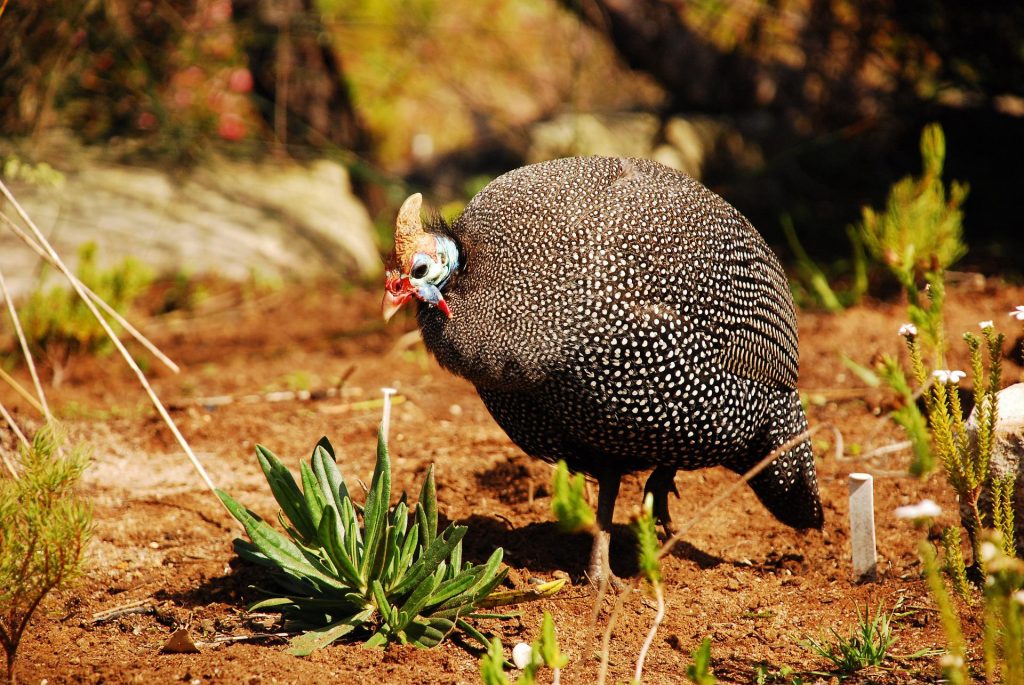
What is the difference between a guinea fowl and a hen?
The guinea fowl is basically a wild bird that has been domesticated. Not much change after that, but even in the Roman Empire there were traces of them being kept. It was introduced to Hungary in the 13th century, first as an ornamental animal because of its beautiful plumage and ornate head. Later it was used for cooking by the peasantry in the 19th century. Their colour and meat also differ slightly from that of the more familiar poultry, the hens. In terms of protein composition, guinea fowl meat is much more saturated than that of other domesticated birds, which means that it contains about 95% amino acids. Smaller than our usual domestic hens, the majority of guinea fowl are only is around 1 kilogram. The taste and colour are similar to pheasant. It contains less fat and water. And many people are alarmed by the brownish colour under the skin, but this is just a sign that there is actually less fat.
Guinea fowl meat is a vitamin for mothers, the elderly and children
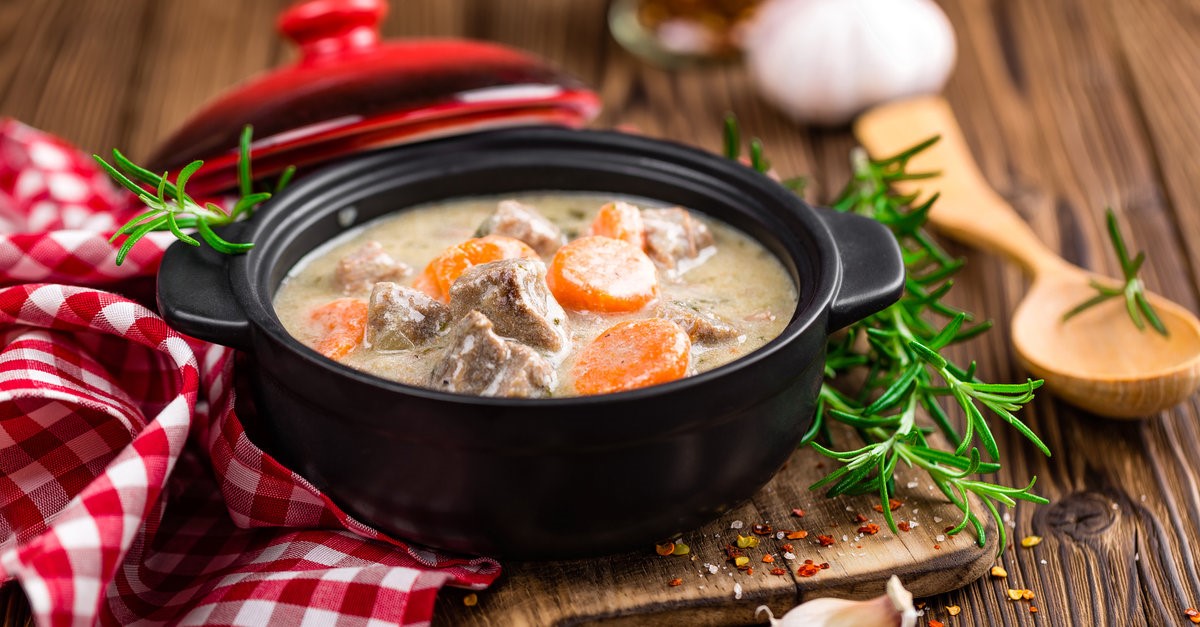
Guinea fowl has a very high amino acid content due to its structure, as mentioned above. In the past, it was also called “Caesar meat” because it nourished and healed the body. Nowadays, it is used in soups and, for the more adventurous, in stews, as a daily diet for pregnant women, growing children and the elderly. Its minerals and water-soluble vitamins make it easier for our digestive system to work, so proteins can be absorbed more easily.
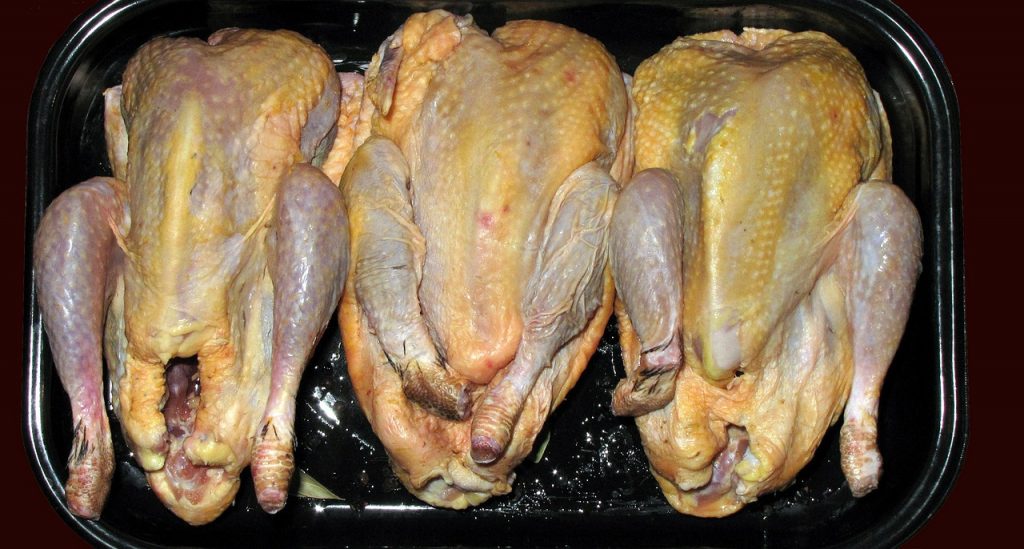
Guinea fowl in fine dining
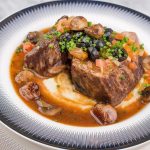
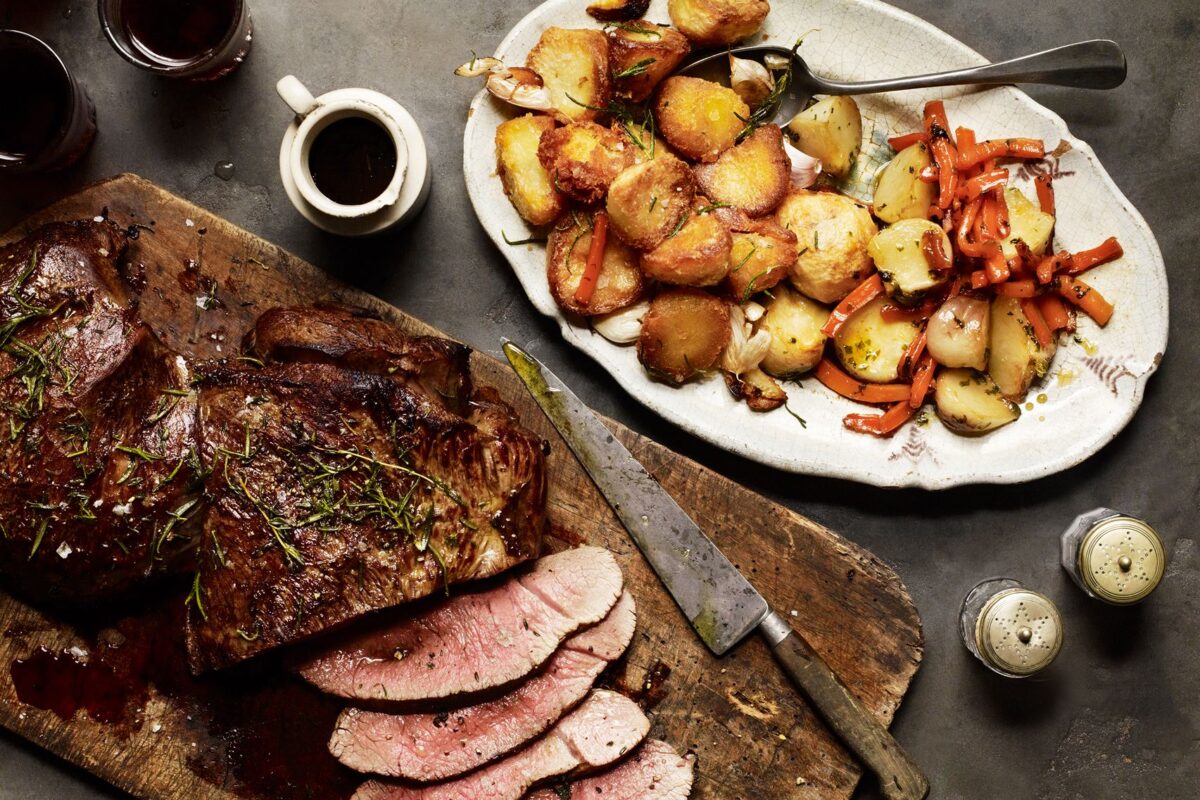
Chickens and roosters don't differ much, maybe a little in weight, but that's negligible, so both are used. One of the defining features of rural life poultry, because it picks up every bug in the yard, so it's very useful. But it is also very noisy, so it's not exactly neighbour-friendly. But they do like their meat, so they put some in the soup and cook it for a long time, usually at the holidays. A fine dining you may also see it in the kitchen from time to time, preferably as a fillet, taken off the bone and pressed to really get a taste of its pure flavour. Last year, the chefs of a Michelin-starred restaurant created a premium-class menu for Air France flights, which included guinea fowl in the “business class” menu. Alongside veal, cod, perch and beefsteak, the guinea fowl dish was: coffee-roasted guinea fowl with steamed autumn vegetables and confit celery.
So, ladies and gentlemen, the guinea fowl is back in season!