






If we had to describe humanity in terms of food or raw materials, meat would be the most common. Hence the existence of the meat planet. We created it and live on it. Most of our basic food is made from some kind of meat. One of the best known ways of preparing it is meatballs.
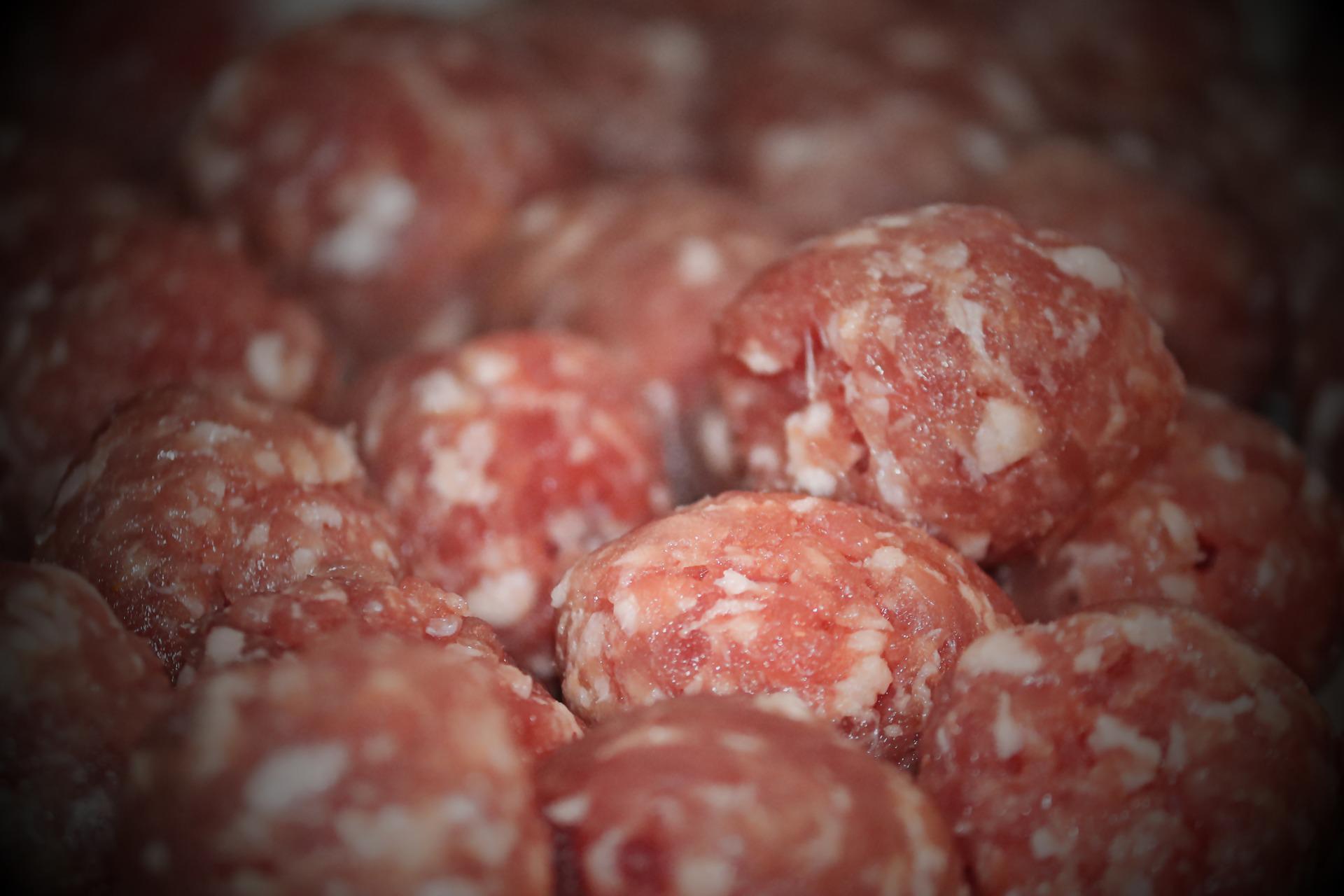
Photo by Pixabay
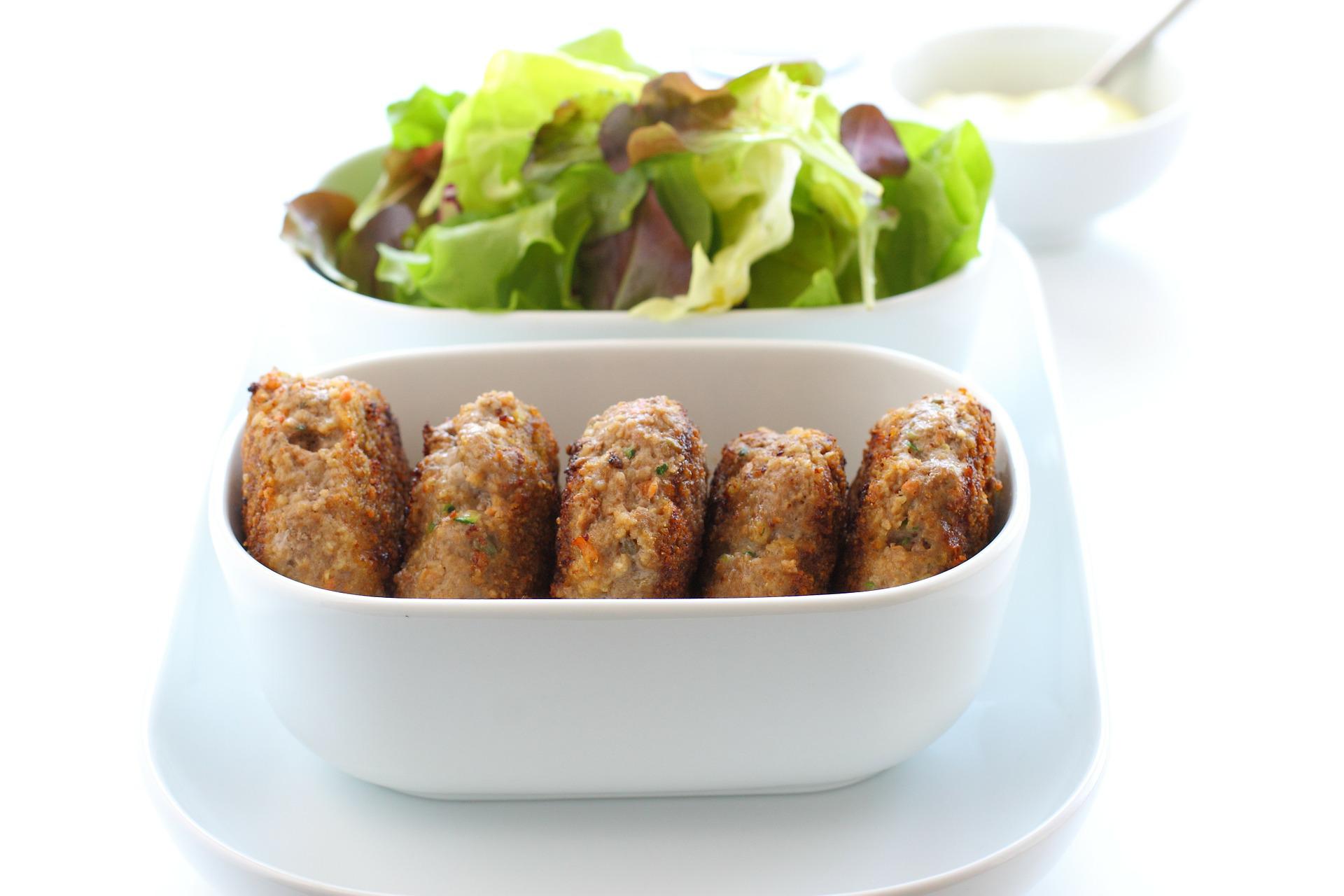
Photo by Pixabay
Origin of the meatball
One thing is certain, they are made all over the world balls of meat. This is not surprising, since it is one of the most used for thousands of years. we are talking about raw material. Even prehistoric people hunted, fished and gathered. So meat is inherent! Since when do we form balls from it? That's a mystery. Assuming that it is indeed made everywhere, it could come from almost anywhere, the original, the first. But presumably there is no such thing, because the origin of the meatball has not yet been discovered.
No one disputes the origin of meatballs. There is only one theory about it, and it's in The Oxford Companion to Food, the gastronomic encyclopaedia. According to this, the first meatball was made by the Persians under the name of Kofta.
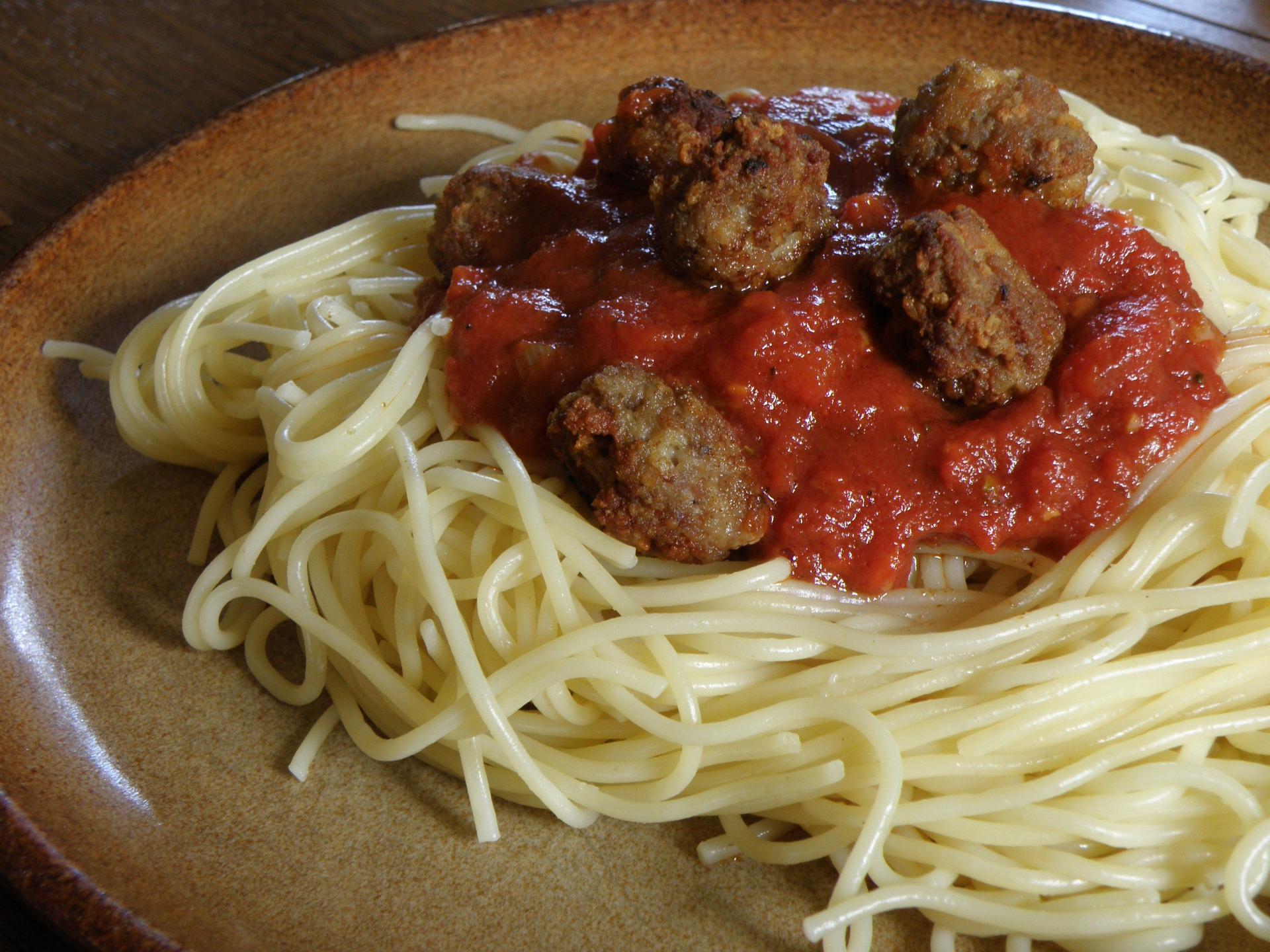
Photo by Pixabay
We love meatballs
Every place, every nation, every name. At least so many forms of preparation, and seasoning. In addition, meatballs are used in many dishes around the world. There are almost endless variations. The secret of its success its simplicity and the fact that it can be prepared quickly. In Western societies, it is typically made from minced meat. Sometimes we add some additives, cereals or breadcrumbs. In the Asian part of the world, it is more often made from minced meat, which is quite laborious because it is minced with a knife until it is almost homogeneous. Whichever method is used, the point is to get the meat to a „soft” consistency, so that it is as easy as possible to knead into dumplings. Almost any kind of meat can be used as a base for meatballs.
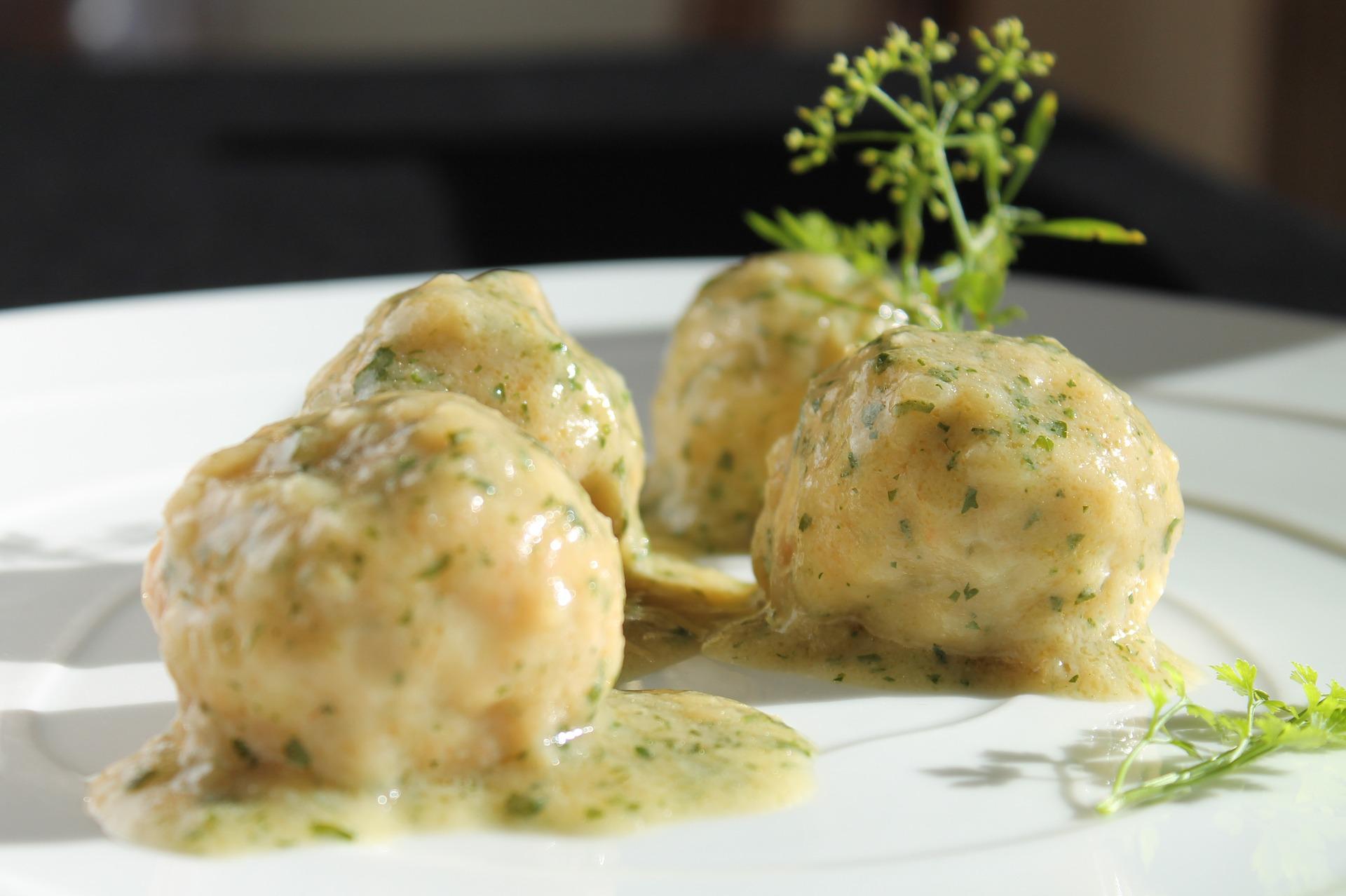
Photo by Pixabay
Meatballs: Kofta (Middle East, Greece, Mediterranean, South Asia), Albondigas (Spain and Spanish-speaking countries), Faggots (England), Skilpadjies (South Africa), Polpette (Italy), Frikadeller (Denmark), Köttbullar (Sweden), Königsberg meatballs (Germany), Pulpety (Poland), Bitterballen (Netherlands), Chiftele (Romania), Meatball (USA), Lion's Head (China), Bakso (Indonesia), Bò Viên (Vietnam), Tsukune (Japan)... Fibreglass ?
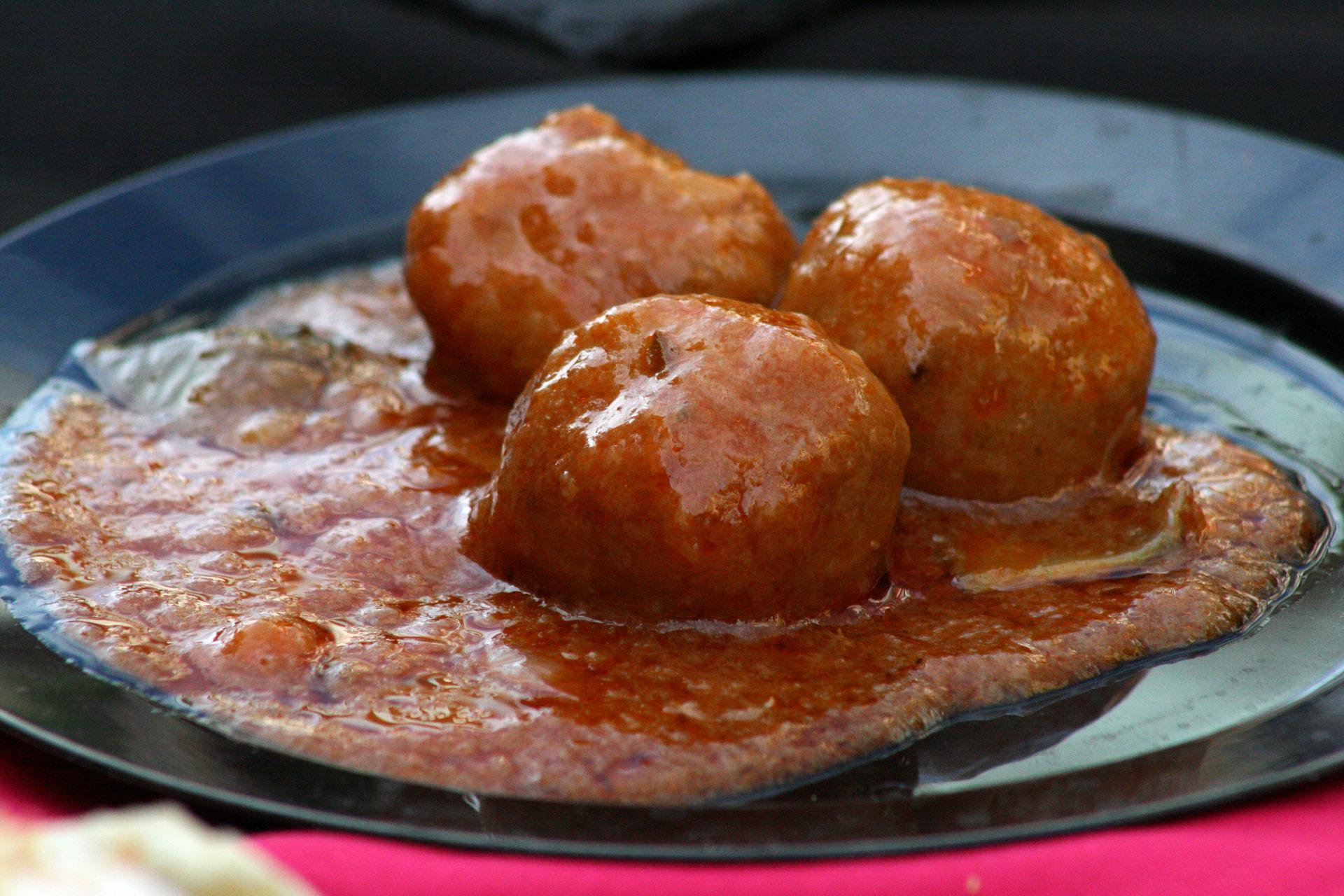
Photo by Pixabay
The greatest career of the meatball
The meatball's worldwide success - known as Meatball - came in America. It was certainly brought to them by Italian immigrants. This is no coincidence, of course, as it was a very simple, quick, filling and inexpensive dish. Its early success was due precisely to its cheapness, as it could be made from even the worst cuts of meat or fish. It required no special kitchen skills, no meat-grilling-dicing-dumpling-frying. Of course, Americans liked that. Seasoning was really left to the imagination and could be served with anything. These advantages made it an American favourite. It is made and eaten regularly and everywhere. Perhaps, if it has to be compared to anything, it is to them what fried meat is to us. It is found at almost every weekend lunch. Proof of how popular it is is that meatball day exists! Of course, this world day, which is celebrated on 9 March, originated in America.#