






The world of spices - and the spices of the world - undoubtedly has an impact on our lives. Their physiological effects have been known in the past. And herbalists have played a rightly respected role in society. But spices are not only known for their health benefits, they are also natural flavour enhancers that no kitchen should be without.
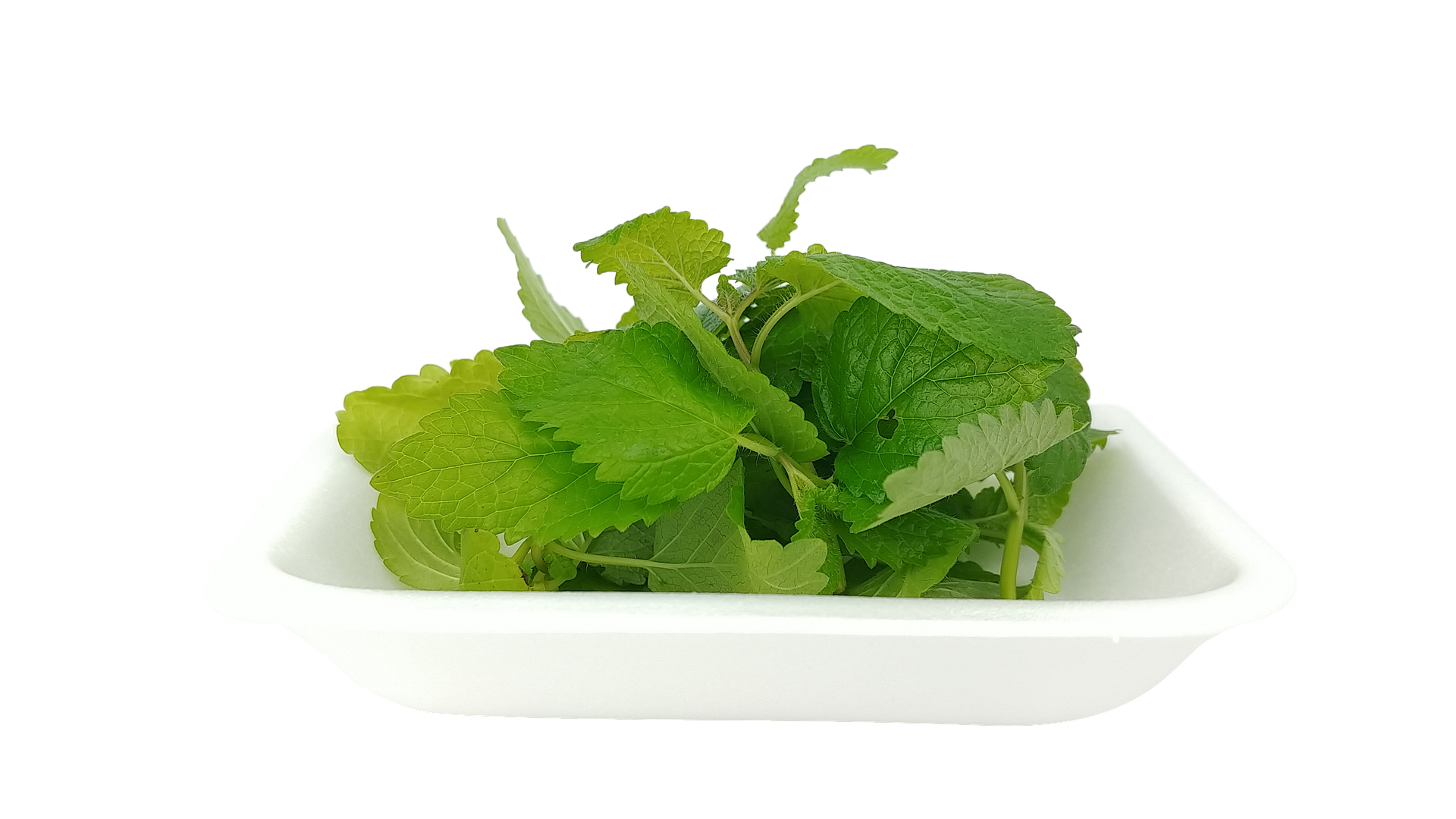
Photo by Pixabay
The king of spices
A lemongrass (Melissa officinalis) is a perennial plant of the orris family with a pleasant, lemon-like fragrance and white flowers. It prefers Mediterranean climates. It is rarely found in the wild, but is a favourite plant in herb gardens. It is widely cultivated and planted in the home, as lemongrass, also known as honeysuckle (popularly known as reed canary grass), is very important in folk medicine. Its Latin name is Melissa, a female name of Greek origin, meaning honey bee. The flowers of this plant are particularly rich in nectar, which is why bees love it. It resembles nettles in appearance but does not sting at all. As it is a relatively undemanding plant, it can be found anywhere without planting, and if you wander through woods and fields and find it, it has a very pleasant smell.
As herbs are extremely popular these days and healthy living has become fashionable, we have rediscovered the magical properties of lemongrass. It boosts the immune system, calms the nerves, is made into teas, dried and powdered.
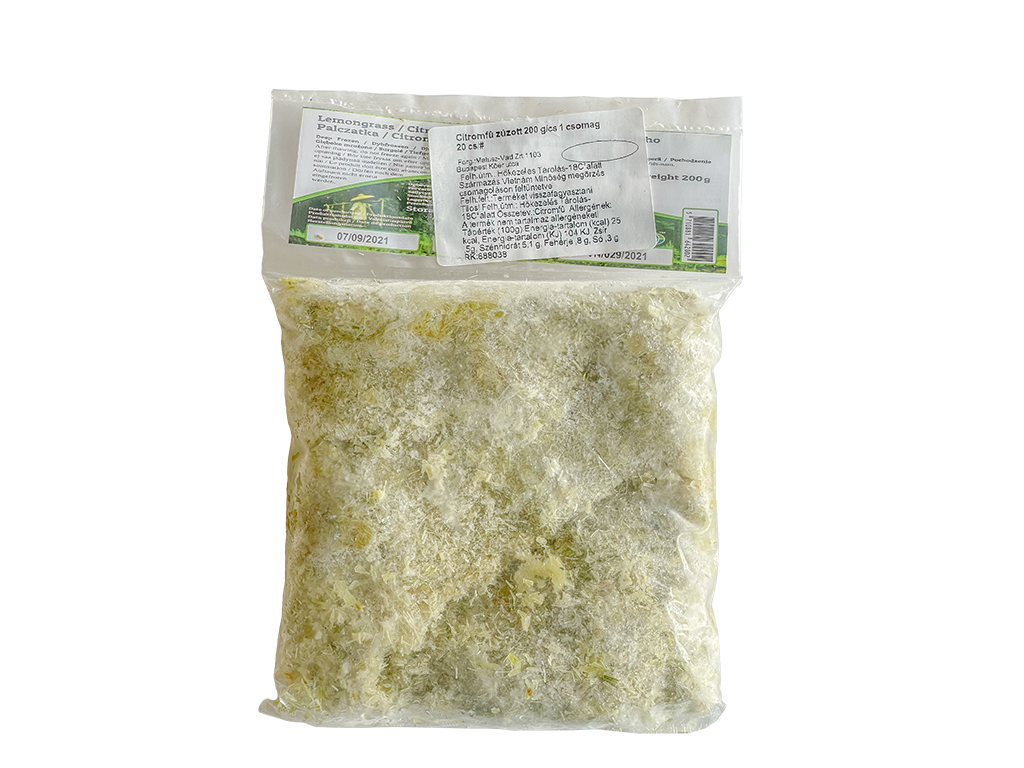
Photo by Matusz-Vad
Lemongrass and the world
Its first written mention dates back to 1775, when József Csapó, the chief physician of Debrecen, in his herbal book, New Hungarian Garden with Grass and Flowers, which was mainly for medicinal purposes, refers to it as lemon-grass. The suffix „grass” in the word 'lemongrass' can be regarded as more explanatory. The basis for the name is first mentioned in István Barra's Botany: 'its raw grass smells of lemon, which smell is stronger when dry'. This is indeed true, because when the leaves of lemongrass are torn and crushed, the smell of fresh lemon is clearly present. However, in addition to the smell, it also tastes similar to lemon, which is why it is preferable for use in the kitchen, either fresh or dried.
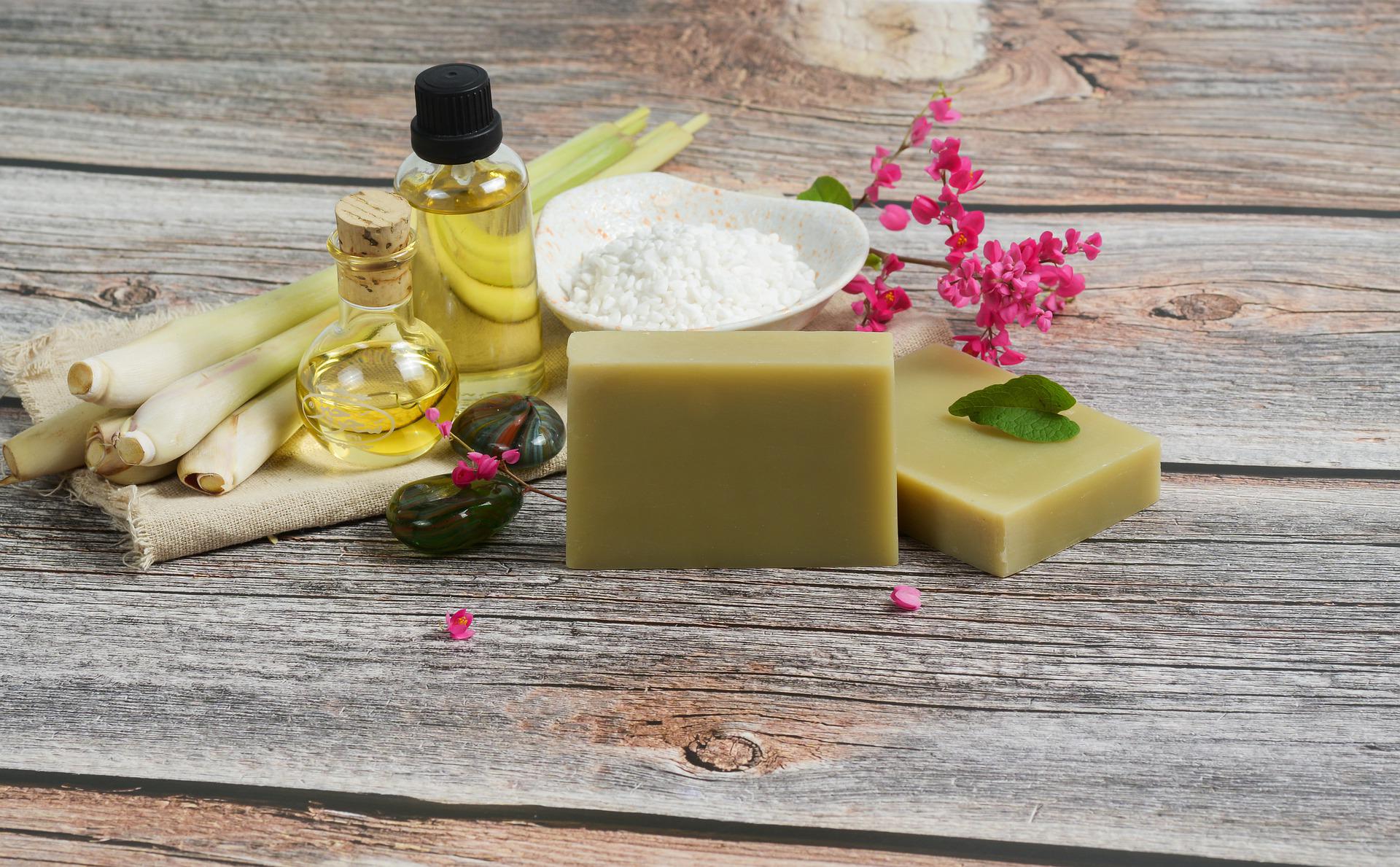
Photo by Pixabay
The use of lemongrass is not an invention of recent decades. Its beneficial effects were already known in the Persian Empire. At that time it was of great help to people in medicine. It was mostly used to cure inflammations and wounds, mainly in the form of compresses. One of the most important accessories of ancient medicine, it was used against „viruses” because of its antibacterial properties, and was even consumed boiled in water as a sedative.
It is still known and used today as a herb to relieve stress and as a calming tea. Lemongrass is a staple that should always be kept at home in the medicine cabinet and is also used as an ingredient in many natural remedies. If you want to achieve general well-being, it is worth a try.
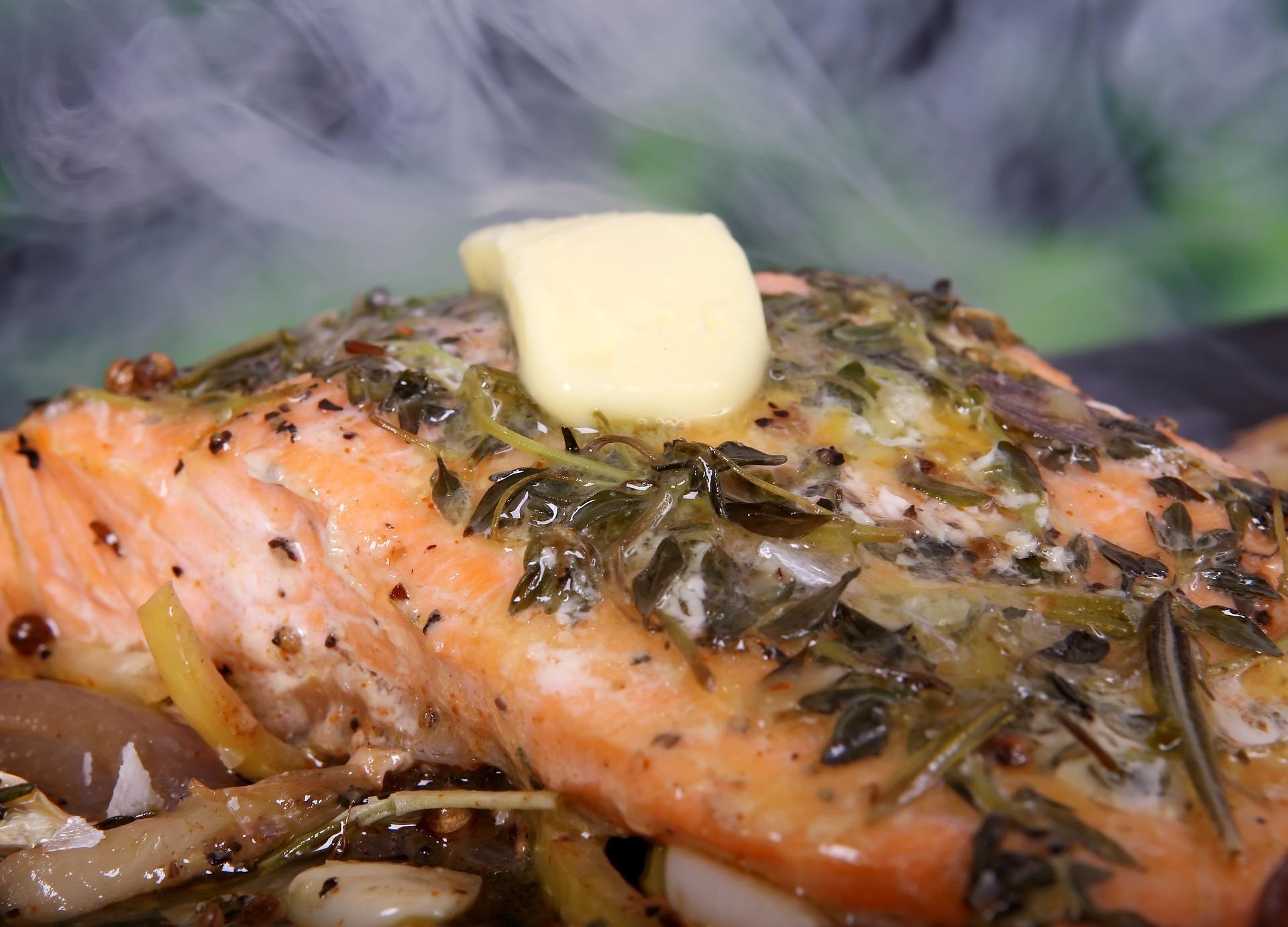
Photo by Pixabay
Lemongrass is not only consumed for its sedative properties
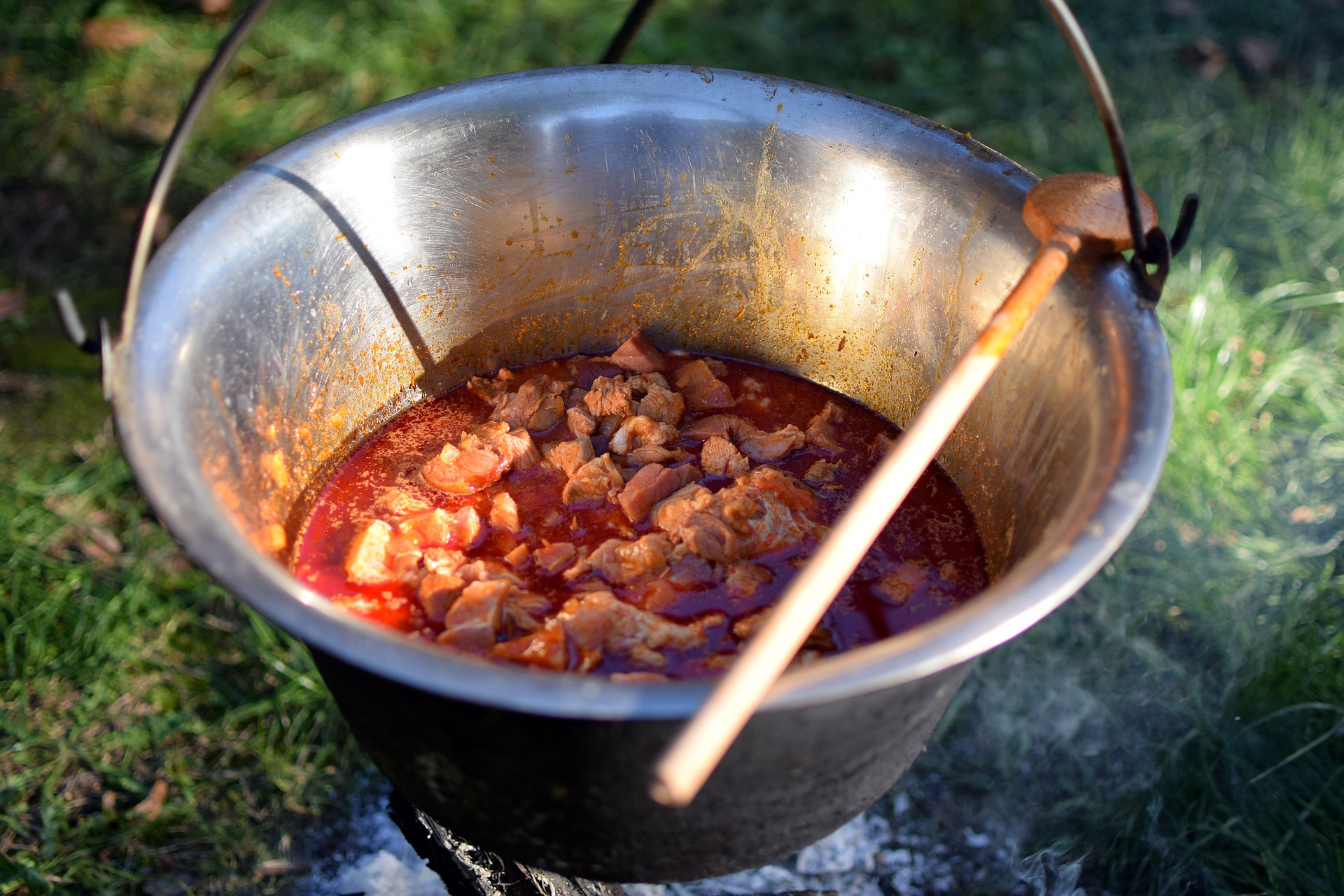
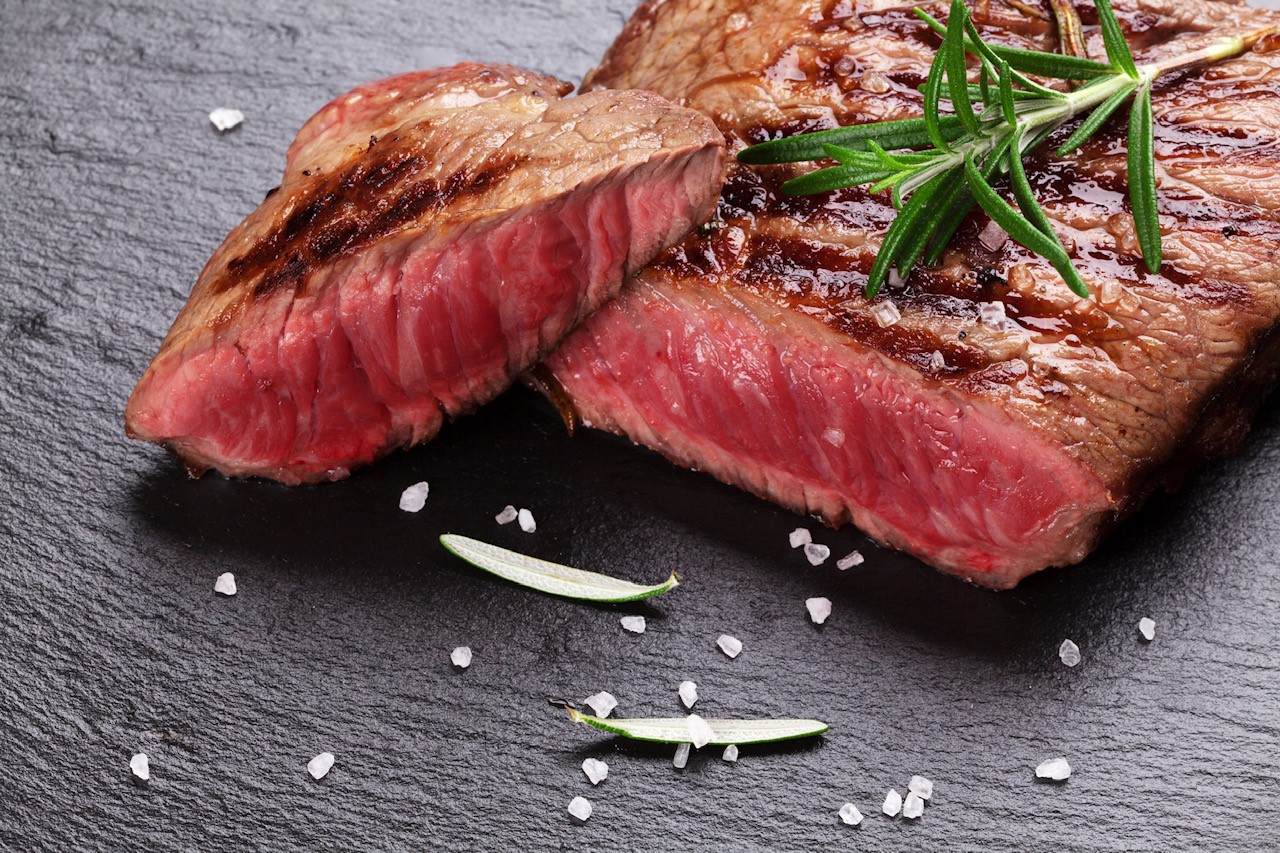
Lemongrass is excellent for cooking. It is highly recommended as an essential accessory in any kitchen. As a flavour enhancer spice, it has a super effect and can add a fresh, grassy, lively flavour to food. It can be a spicy addition to meats and side dishes. Serve with fresh lemongrass can crown that meal, for which it is really suitable.
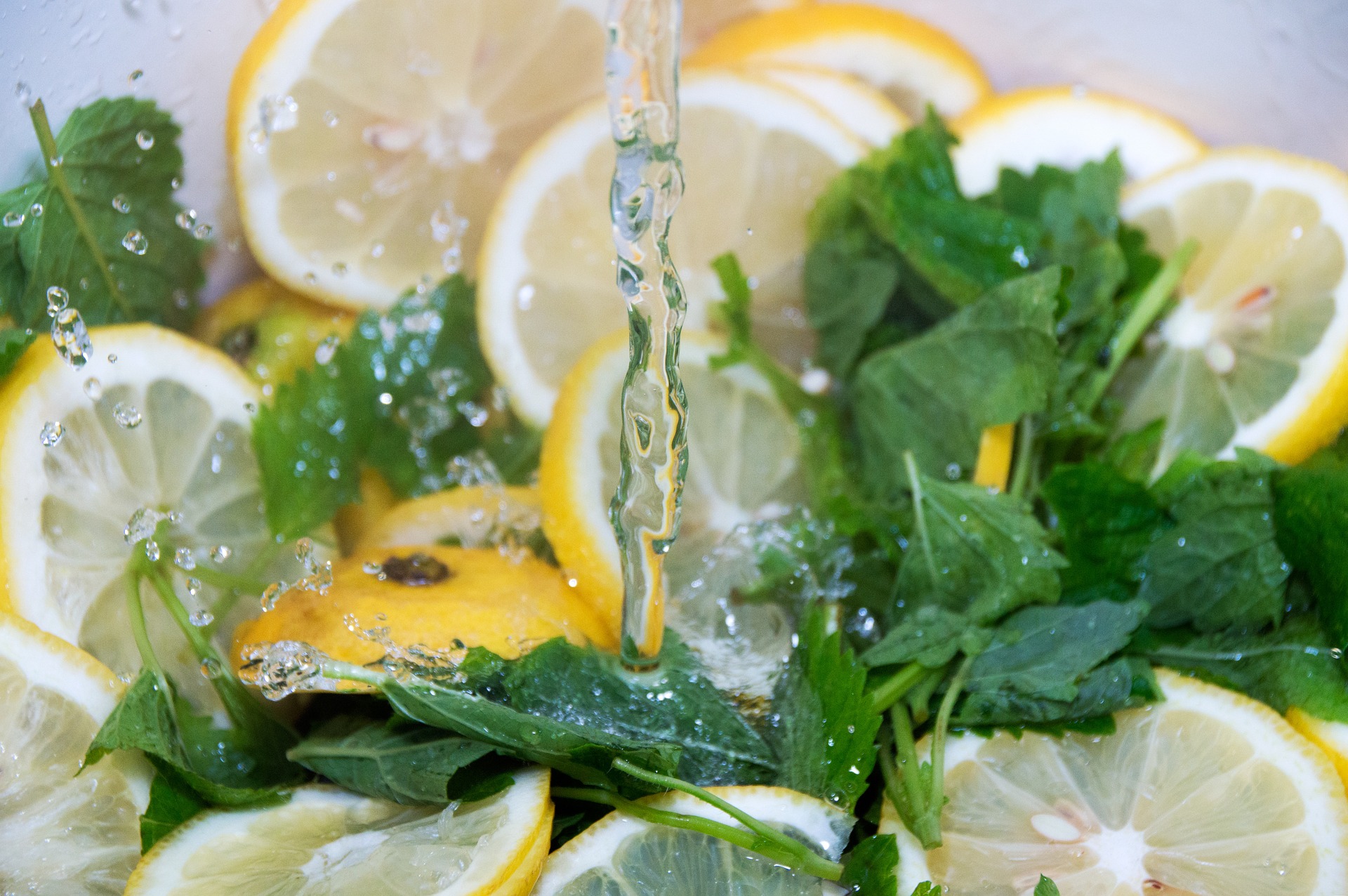
Photo by Pixabay
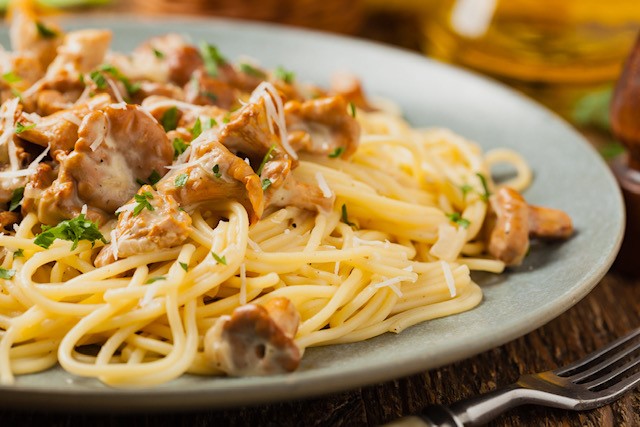
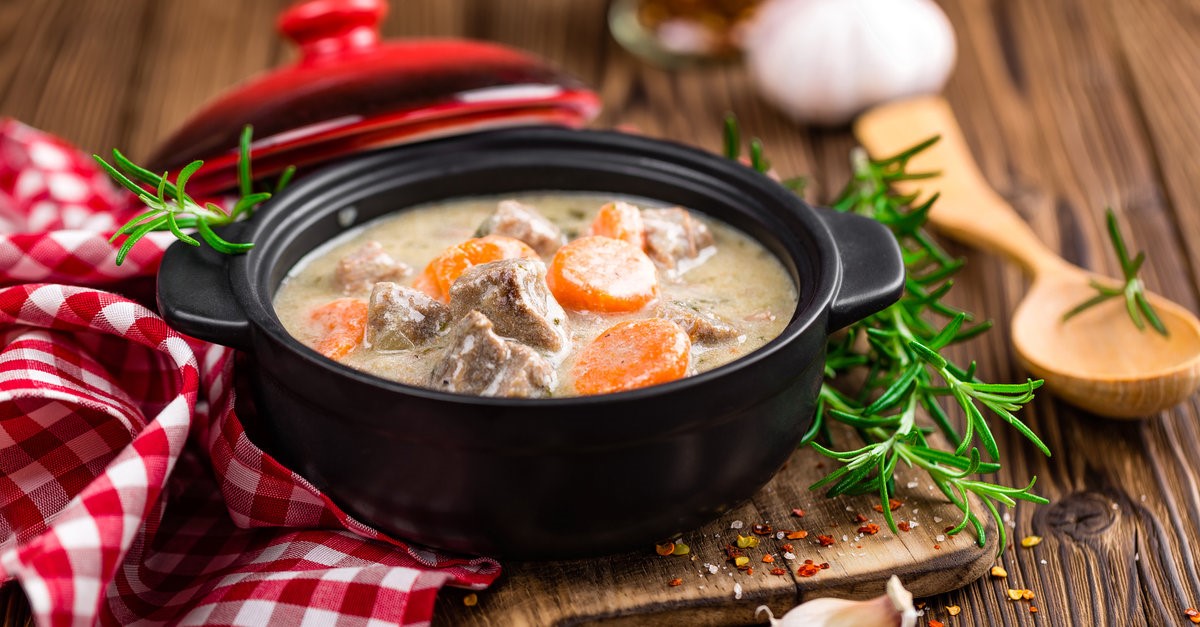
As it has fresh aromas reminiscent of lemon, either fresh or as a base herb, its leaves are suitable for adding to salads, especially in the summer season. It can also be used to make unique sauces, stews and even stuffings for meat. It is an essential ingredient in fruit soups, fruit salads and also goes well with mushroom and fish dishes.
In addition to food, it's a special addition to desserts, perfect for lemonade, cocktails and even fruit beers. #