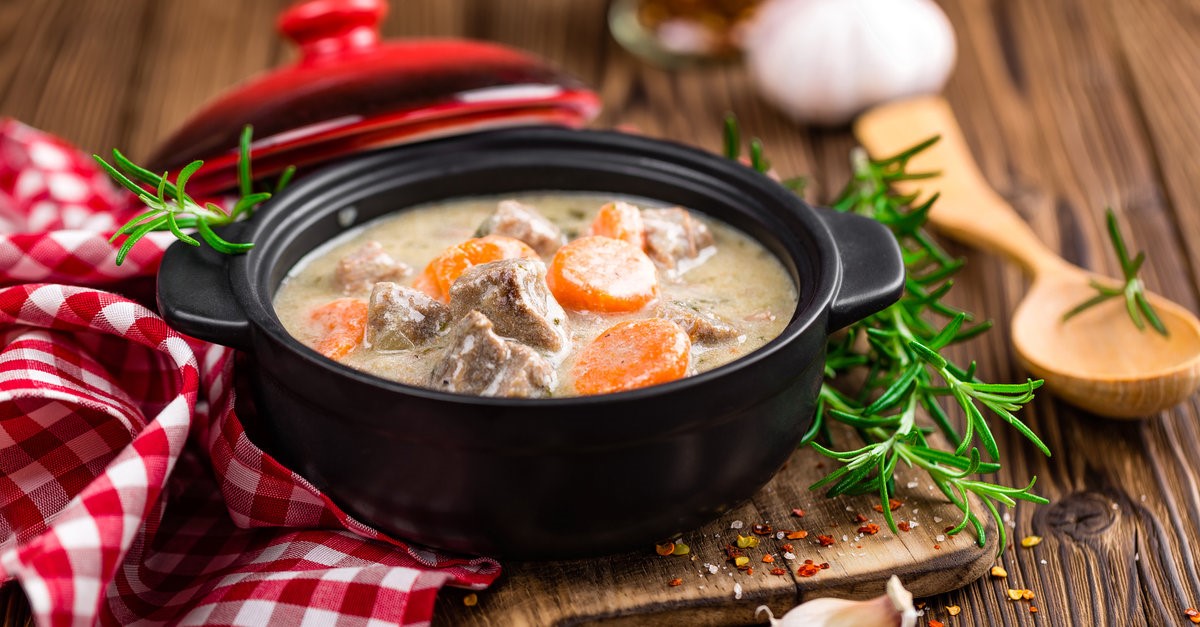







Even Richard the Lionhearted ate ravioli, and the famous recipe has since been shared around the world. The stuffing, the sauce, the light pasta and a glass of wine with it - it's a feast. The only problem is that it's a lot of work, but I'll show you how to make it perfect.
A popular pasta delicacy all over the world, the ravioli is native Sicily, or at least that is something that is not disputed by gastronomic researchers. Nevertheless, it is made in different flavours and forms almost all over the world, which makes its history really interesting.
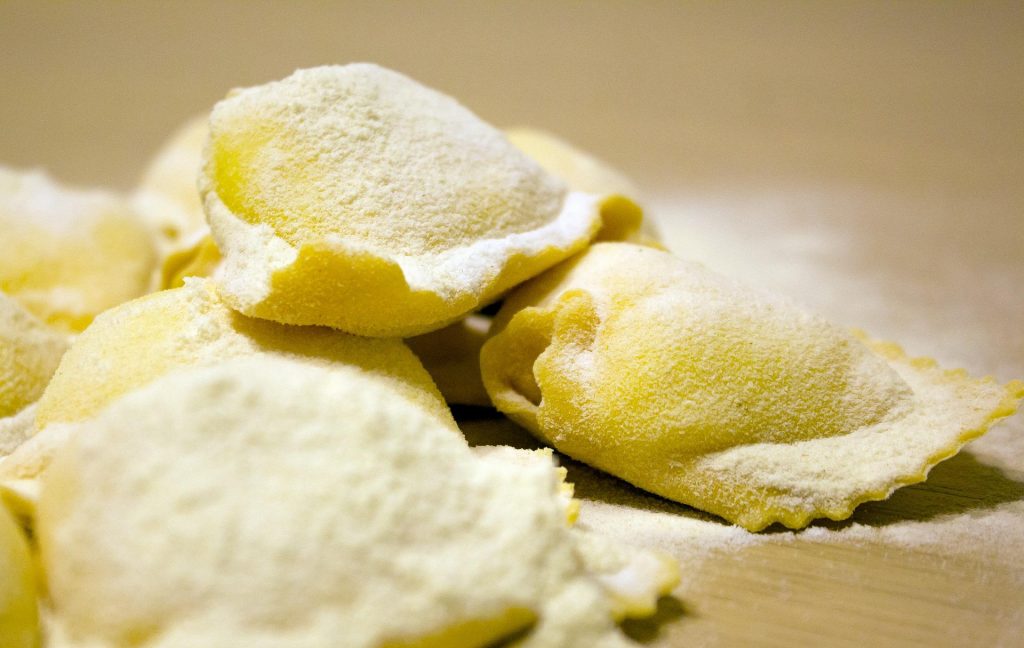
A ravioli is one of those dishes that has its Slovak, French, Japanese, Spanish and Hungarian equivalents. Mostly old ladies or professional cooks spend long hours in the kitchen kneading, stretching, folding and filling tiny bags of dough. It is extremely “frenetic” - that is how they describe the dishes that are eaten very quickly and you don't really want to stop. Of course, not everyone can be a cooking enthusiast, so we've got a solution for them too, so they can eat real ravioli. But you always have to make a bed under the stuffed little pillows, but only so decently. This means nothing more than making a sauce to go with it, which can be tomato, cream, but also oily, vinegary and even crunchy crumbly. I have a perfect example of the latter.
Did you know that there is Hungarian ravioli?
It's fun and surprising to find the Hungarian equivalent of all this. In many cases, it has been proven that Hungarian cuisine has long been a bravura. In cookery books from centuries ago, we can find the Hungarian equivalent of Spanish churros, or even the ravioli the Hungarian version, the friendly ear.
Although there are potatoes in the dough, the technology is the same: you knead the dough, stretch it to a thin dough and then fill it with any filling you like. The Hungarian version is crumbly, the Italian is saucy, but the point is to make the dough perfectly thin and to add lots of filling.
What is the secret?
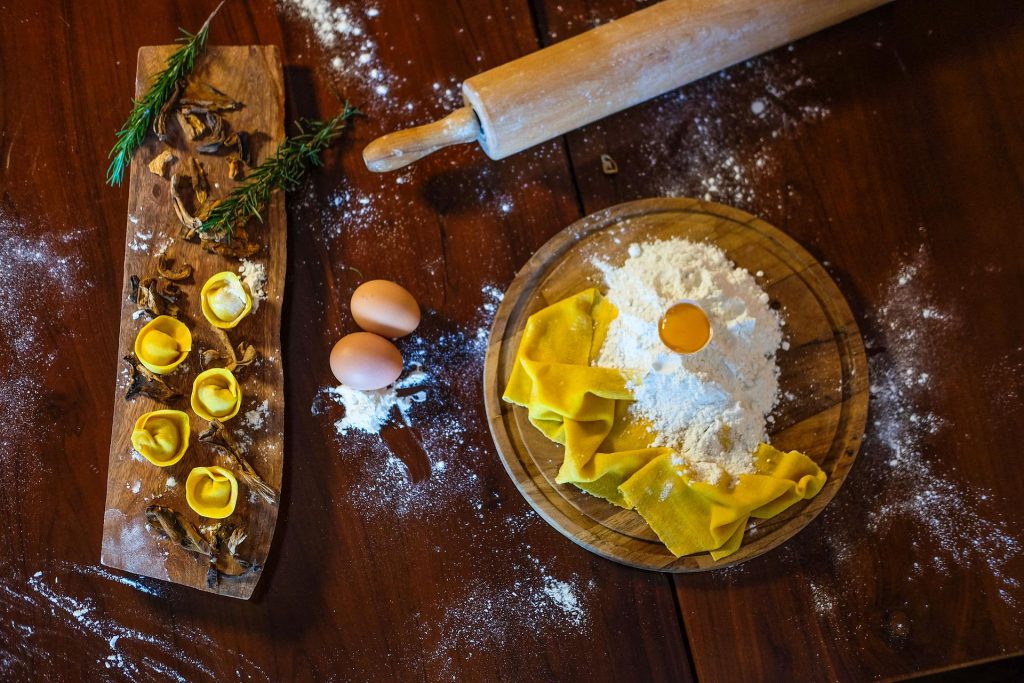
Often, the ravioli is spoiled by being bathed in a sauce that is too spicy and flavourful, but that's not the point. The stuffing is the highlight of the dish, easily emerging from under the transparent layer of pasta with a knife cut and mixing with the sauces. As early as the 14th century, a recipe similar to ravioli could be found in Italian cookery books, where cheeses were used in most cases. In fact, it was the cheeses themselves that invented the dish. Mostly soft, creamy cheeses made from calf's and goat's milk, ricotta and herbs were added. That's why it was very intense, mixed with chopped fresh herbs. There were several occasions when they didn't have the opportunity to cook with meat, so these pasta dishes were a good choice. The dairy products were nutritious and the flour and egg pasta was filling. Last but not least, they made a very tasty meal.
They also serve their pasta with smoked meat, minced beef and even fish. What they all have in common is that they make a pulp or pâté, and then they can stuff it nicely into the pasta. The most popular, however, is still spinach and ricotta or goat's cheese.
So the secret is to let the flavour of the pasta, the filling, prevail, only to be spoiled by a little olive oil or a light tomato sauce.
Did you know? A ravioli can be round or rectangular, but the edges must be carefully sealed to prevent the filling from spilling out. The edges are usually covered with beaten egg whites, which act as a glue in hot water rather than causing the pastry bag to fall apart.#