






Every nation's cuisine has its own specific dishes. One of the most typical ingredients is meat, including minced meat, which can be used to create a wide variety of gourmet dishes. Even in ancient times, seasoned meat was a popular ingredient in dishes, and this has not changed. Some have shaped, seasoned and prepared it this way and that, and of course everyone prefers their own. Yet there are some that are eaten all over the world, including mics.
Let's clear up a misunderstanding
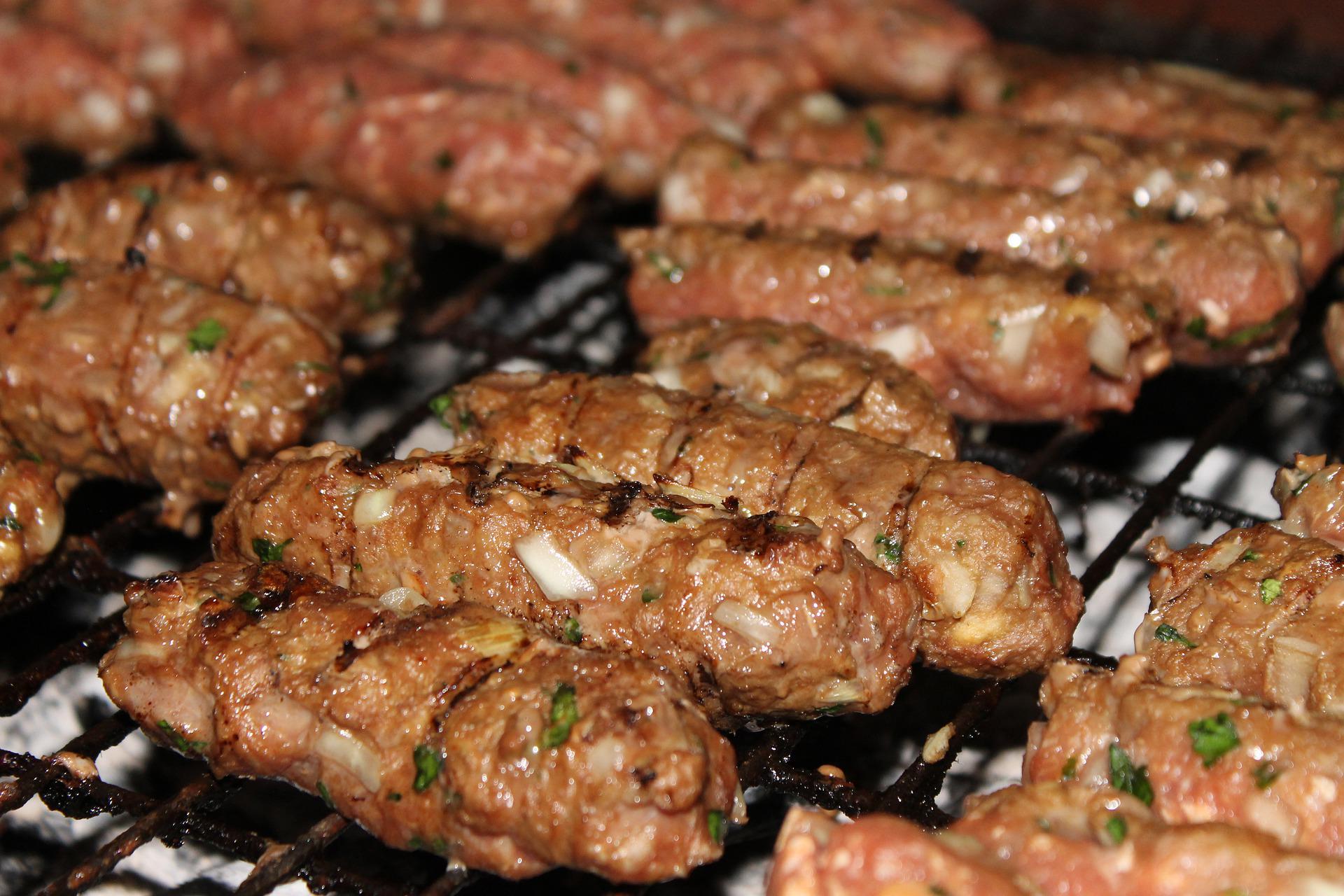
When we say mics, we think of a moulded, seasoned meat that is almost exactly like a csevap. What's the difference? Simply the place of origin. Mics (mititei) is of Romanian origin, while csevap is of southern Slavic origin, but both date back to the Turkish occupation. A great many dishes were also established in our country during this period. Traditionally, meat was not minced but chopped, then kneaded and seasoned. This type of dish is part of a large family, which includes our meatloaf. In the Turks it is kebab, in Bulgaria it is kebabcse, in the Slavs it is cevap. A catering your favourite.
The origin of mics
Mics, also known as mititei, means „tiny”. They are a speciality of Romanian cuisine, which became established 400-500 years ago. It can be based on beef-, pig-, birkahús, or a mixture of these. Mics made from mutton are more to the taste of southerners, as they have a special flavour.
In Romania, there is also a special tradition of making mics. On the occasion of the May Day Mitite bake-off, families and friends gather and have a garden party. It is usually served with bread and mustard, accompanied by a good glass of beer.
The chopped meat is seasoned with garlic, pepper, salt and a little bicarbonate of soda at the very end. It is good for the meat if the mixture is left to rest for a while to allow the flavours to blend better. It is best if it is kept covered in the fridge for a day. The mixed mixture is then shaped into cylindrical pieces.
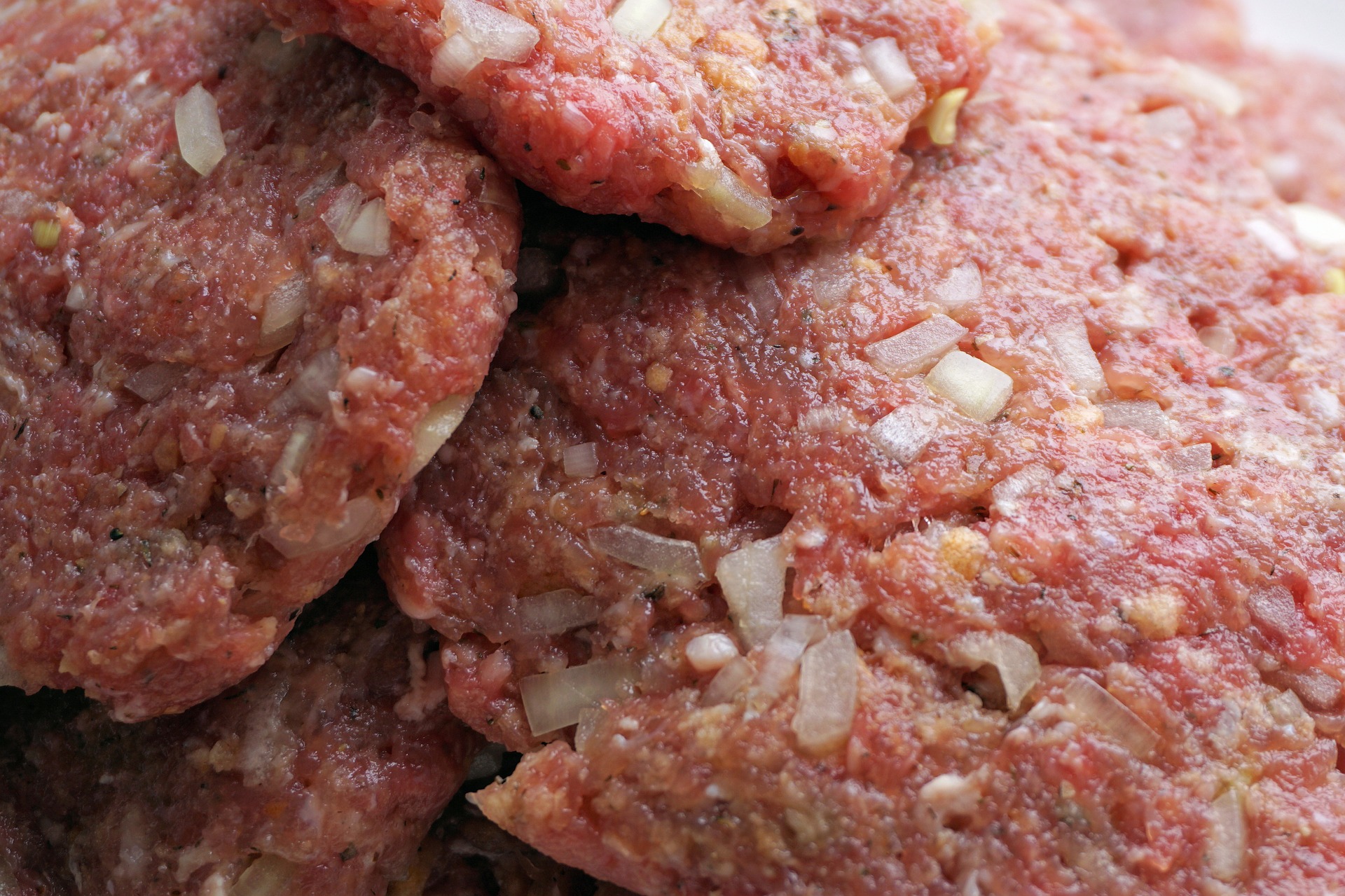
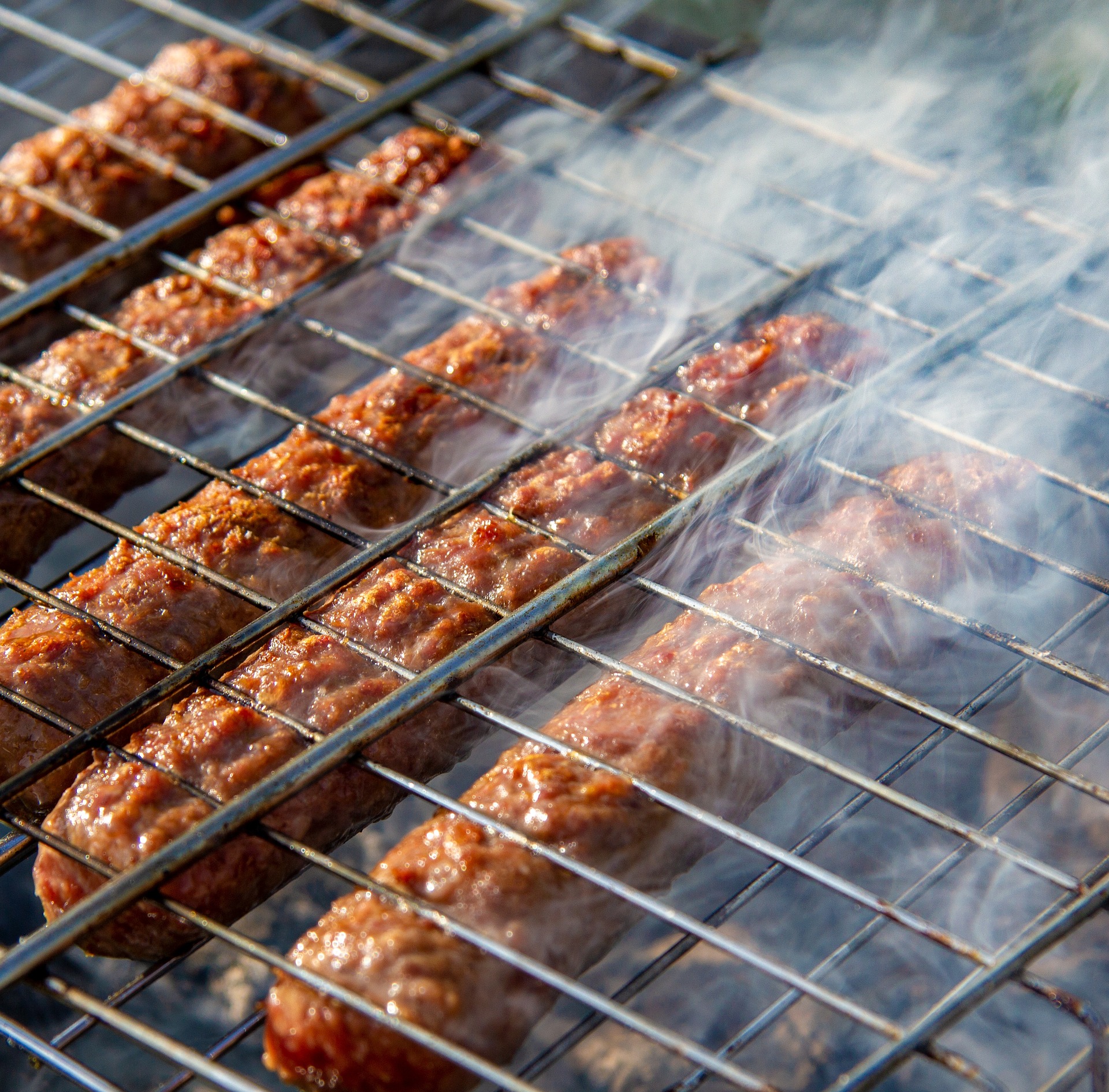
The kneaded dough is shaped into 10-20 cm long, medium-thick pieces and the bars are baked. It is typically prepared on the barbecue, as the charcoal smoke adds to its characteristic flavour.
The great thing about mics is their simplicity. You don't need much expertise to make them, just follow the basic recipe. It is most typical in the Balkans, but as its basics are everywhere, it is also a favourite in our country. It is an essential ingredient for barbecues, family gatherings and beach meals.
How to consume?
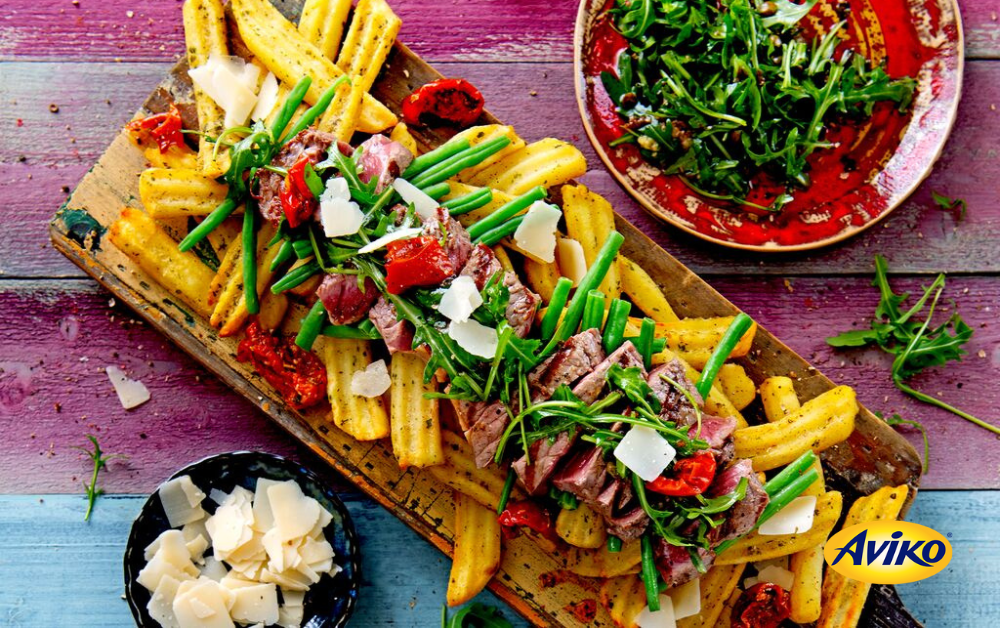
Typical consumption of mics the simplest solution, exactly the way we Hungarians eat sausage. It simply needs fresh bread and mustard. Lately, the French fries is also included as a side dish. If you want to be really authentic, you can add a suitable dressing to freshly prepared crispy mics, or salad to serve. A good, hot garlic sauce is the first choice. mujdei-(Romanian sauce) is recommended with it.
Mujdei. It needs lots of garlic, salt, and oil. Chop or mince the garlic, the main thing is to make an almost homogeneous sauce. It can absorb a lot of oil, and stir until it has a creamy consistency. It has an extremely intense flavour that is divisive, but if you like garlic, you'll love it. You might even want to drizzle a little lemon juice in there, it'll look good. It comes in tomato, mustard and paprika versions, but also in yoghurt and sour cream. #