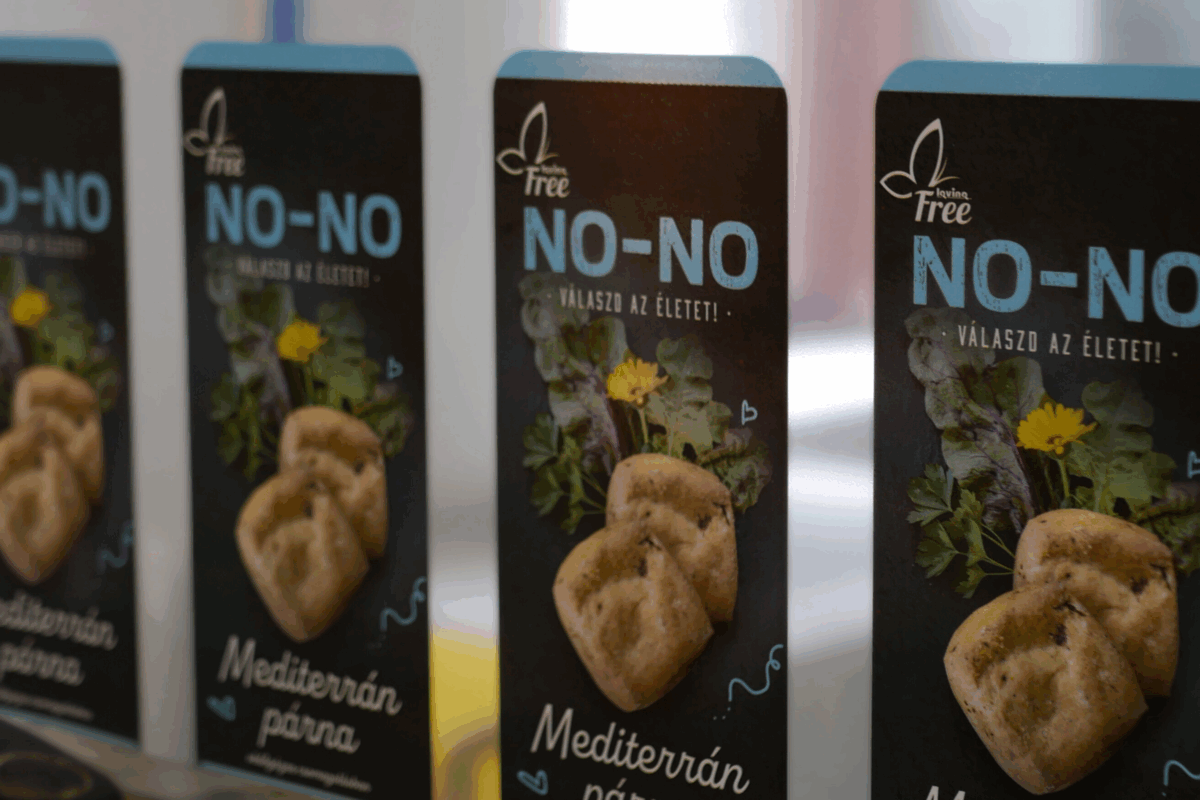






There's a good reason why the saying goes, „to each his own fortune.” It's a paraphrase, of course, but it's pretty much a reflection of reality. The scone is the food that is an essential part of every event and accompanies us throughout our lives.
Where did the scones come from?
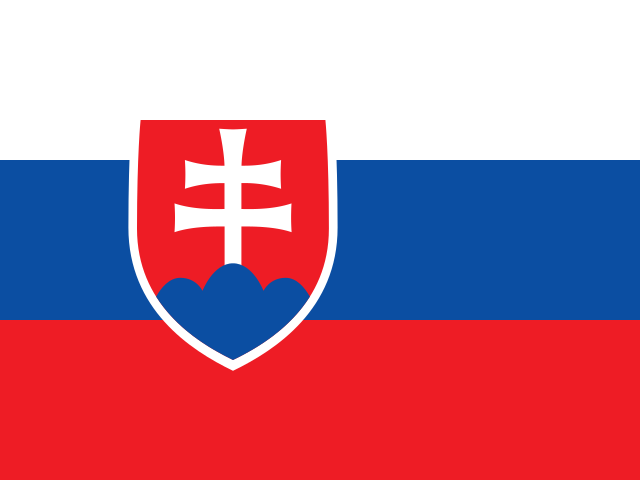
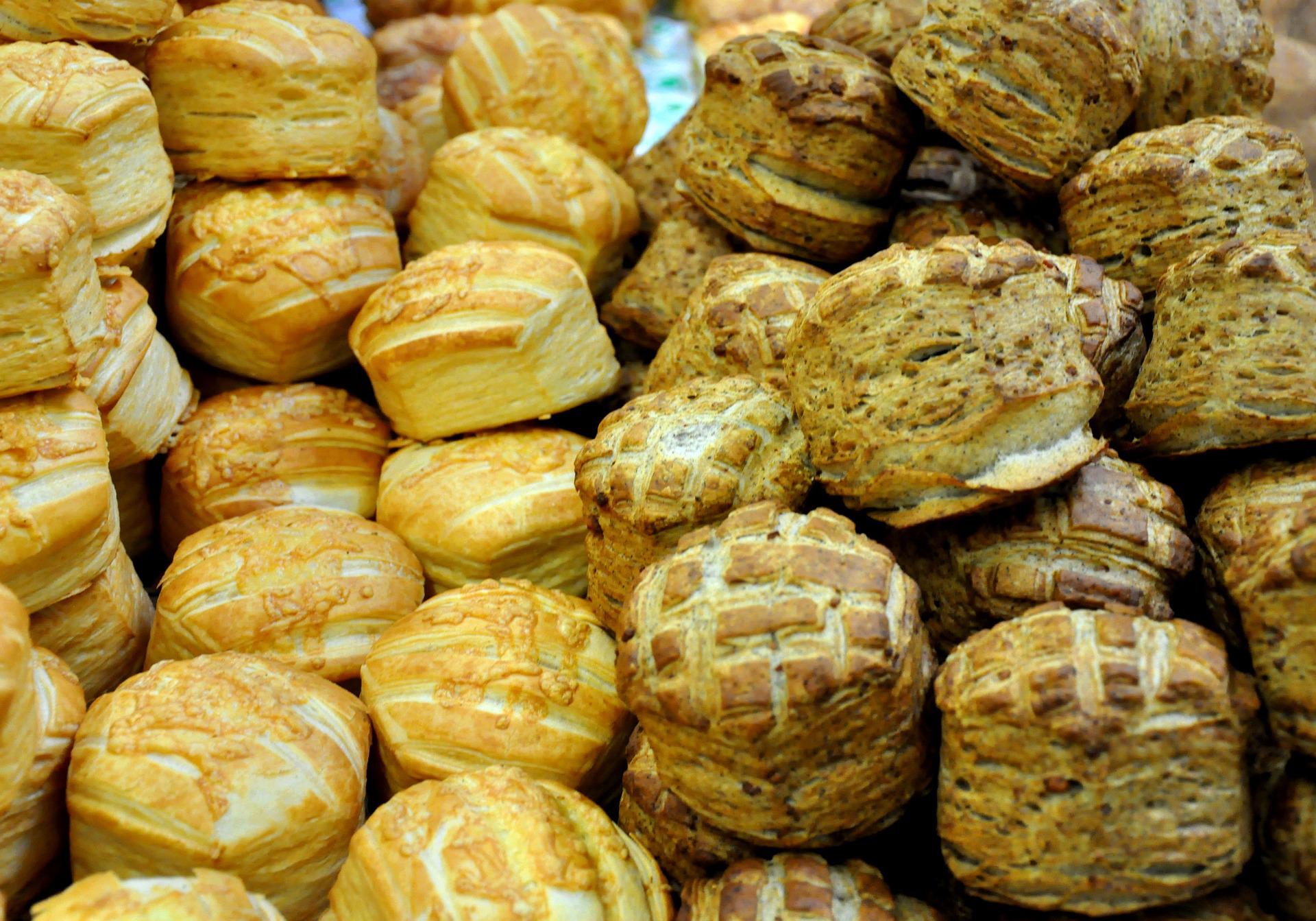
A scones a small, round, usually savoury cake, but there is also a sweet version. It is a typical dish of Carpathian, Balkan and Turkish cuisine. Common varieties are potato, butter, batter, sheep's cheese and cabbage scones. It is also known by similar names in several regions: pagáč in Slovakia, pogatsche in Austria and Germany, pogača in Slovenia and Croatia, погача in Serbia and poğaça in Turkey.
The term originally came from the Latin word focus (fire), as it was transmitted to us from focacea, meaning fried pasta, through Italian. To this day, there is a flat bread in Italy called focaccia (pronounced focaccia), in French fougasse and in Spanish hogaza. The term 'pogácsa' comes from the southern Slavic language pogača, meaning 'flatbread'.
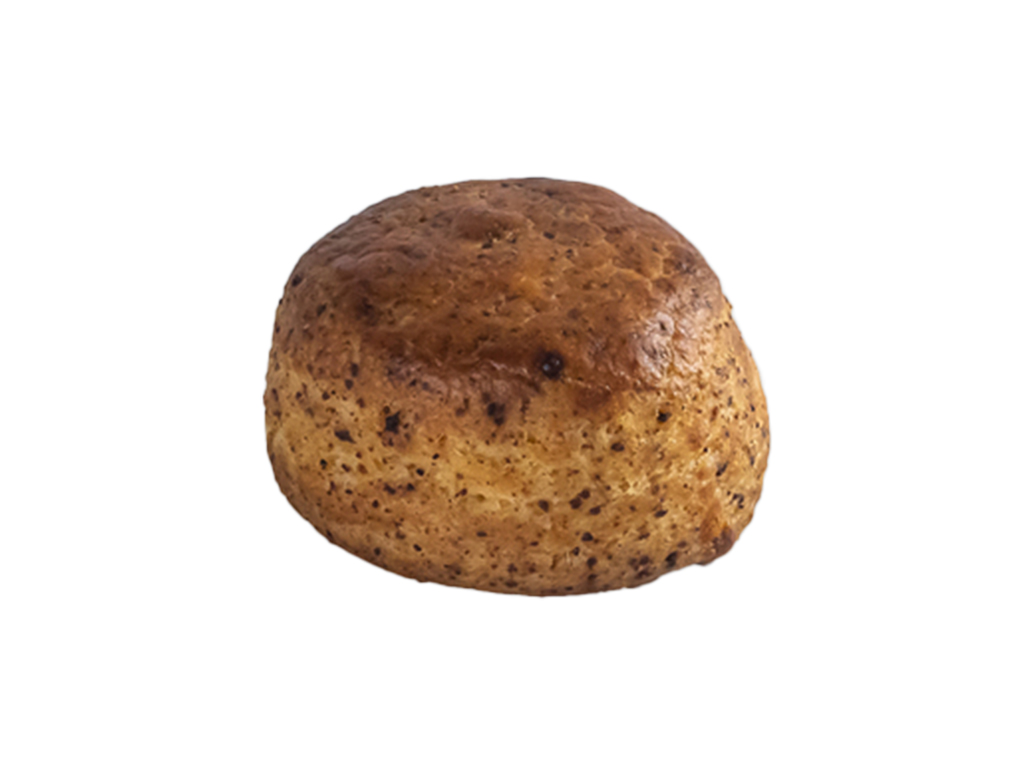
Pogácsa in old Hungarian recipes
Between 1795 and 1799, Kristóf Simai, a Piarist monk, created a cookbook in Selmecbánya, which contains, among other things, several recipes for scones. Already at that time it included - in the classic solution today's buttery, spicy, savoury, or stuffed scones, which were originally baked in an oven.
It is no coincidence that it is also mentioned in folk tales. Everybody has heard of the „ash-baked” scone that the poor lad carries in his bundle when he sets off on a journey. The reason is that it is a simple folk dish. It was a popular food among the common people, and rural people could easily carry it with them as their daily food. The ash-fried version was actually a loaf of bread the size of a loaf of bread, baked on coals.
Baking in ashes also had mythical significance, symbolising mother nature and the eternal cycle of life. Therefore, in many cases, ashes were actually mixed into the dough to be baked. It was believed that if you set out on a journey with it, good luck would accompany you. In the old days, it was also baked after the early harvests, but then only by sorcerers and wizards, who of course added all sorts of intoxicating herbs to the dough. It was thus an important part of the rituals, giving strength and endurance to those who were offered it.
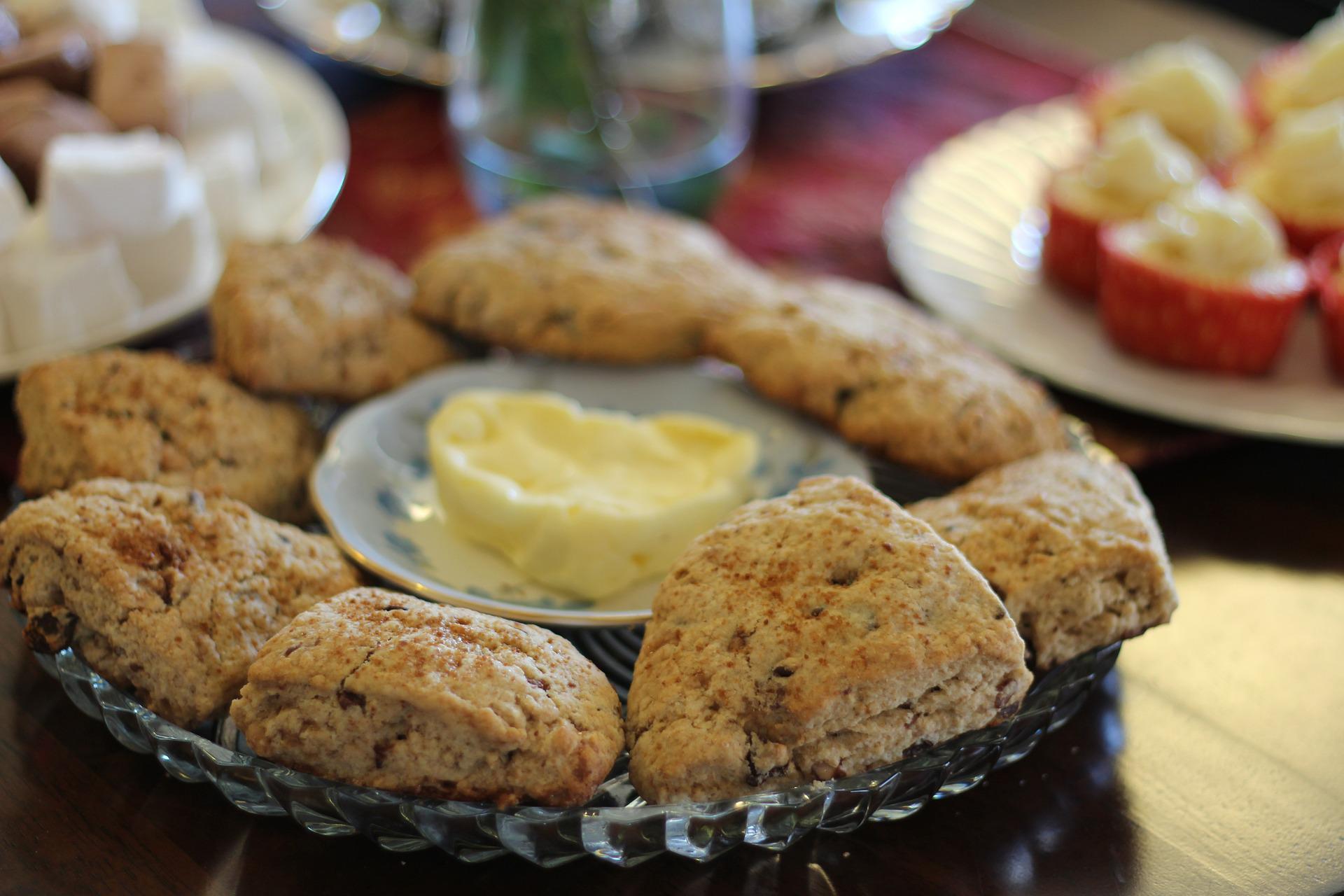
The smell of the scones - recalling the past
Who doesn't remember spending summers at their grandparents' house, with Grandma constantly rushing around. The smell of sweet and savoury delicacies wafted through the kitchen, infusing the experience. The children's antics were punctuated by Grandpa's grunts and stories. The smell of crispy, crunchy scones in the oven still brings back memories. It's part of our youth, part of our past, but also part of our everyday life, because it grew up with us. A family event, a holiday, a wedding, or just an ordinary Sunday? We can make scones for all of them.
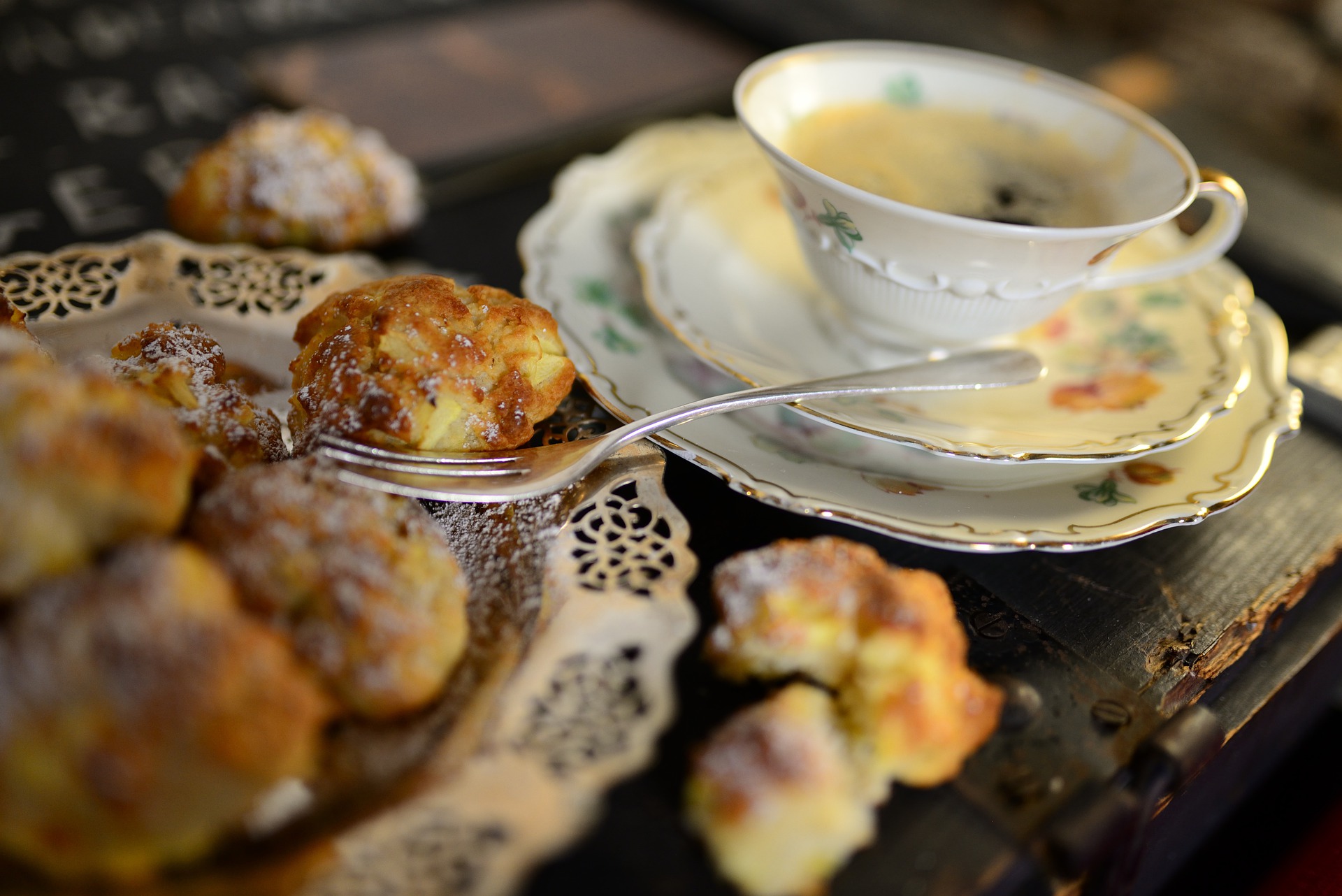
We make it in many different ways
The scone is a real time travel. It brings with it a tantalising sense of the past and present, and nowadays there are so many varieties to choose from. The methods of preparation have also changed, from puff pastry, to leavened, to the classic kneaded and mixed. The flavouring is no longer limited to traditional cheese, sour cream, cottage cheese, yoghurt or pumpkin pie. It can also be eaten with cabbage, butter, fat, seeds, potatoes, onions, herbs, pizza, stewed. Broccoli, chilli, fish and truffles are not new either.
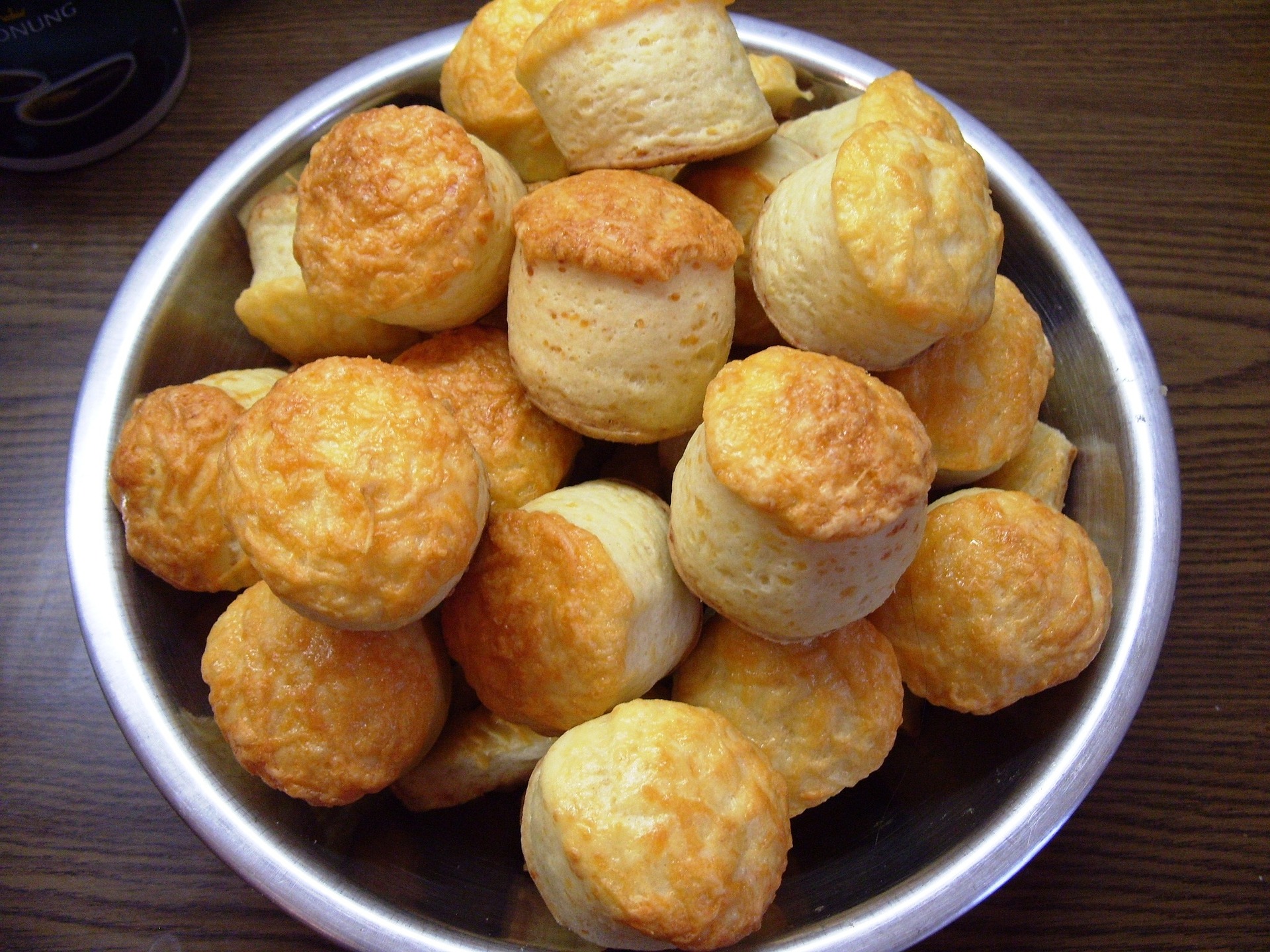
New categories
A separate category includes pan-fried, deep-fried scones and the versions offered by fast food restaurants and bakeries. You can find them in in restaurants in supermarkets, offering consumers a fresh, crumbly and quick-to-prepare solution thanks to new technologies. MATUS-Vad's range is not lacking either, as whether you are looking at catering or home cooking, it is an essential product that you can always pull out of the fridge and serve up to the satisfaction of your guests. Great for breakfast, beer or wine. Stuffed with a salad, it's also a hearty dinner. #