






Global warming is constantly changing the way we live. Not only do we have to adapt to the heat, but it will also affect basic things like nutrition. At present, humanity is fed by livestock, agriculture and fishing. But these sectors are becoming increasingly unsustainable.
What is the problem?
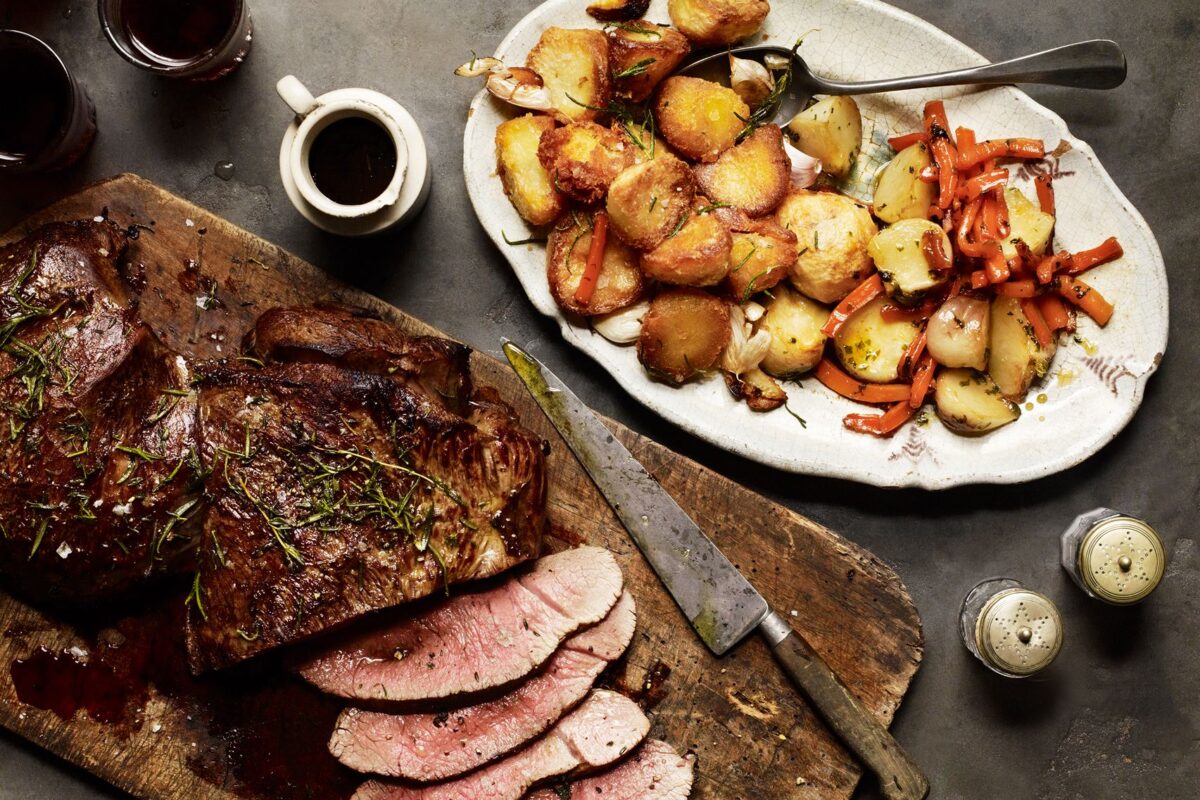
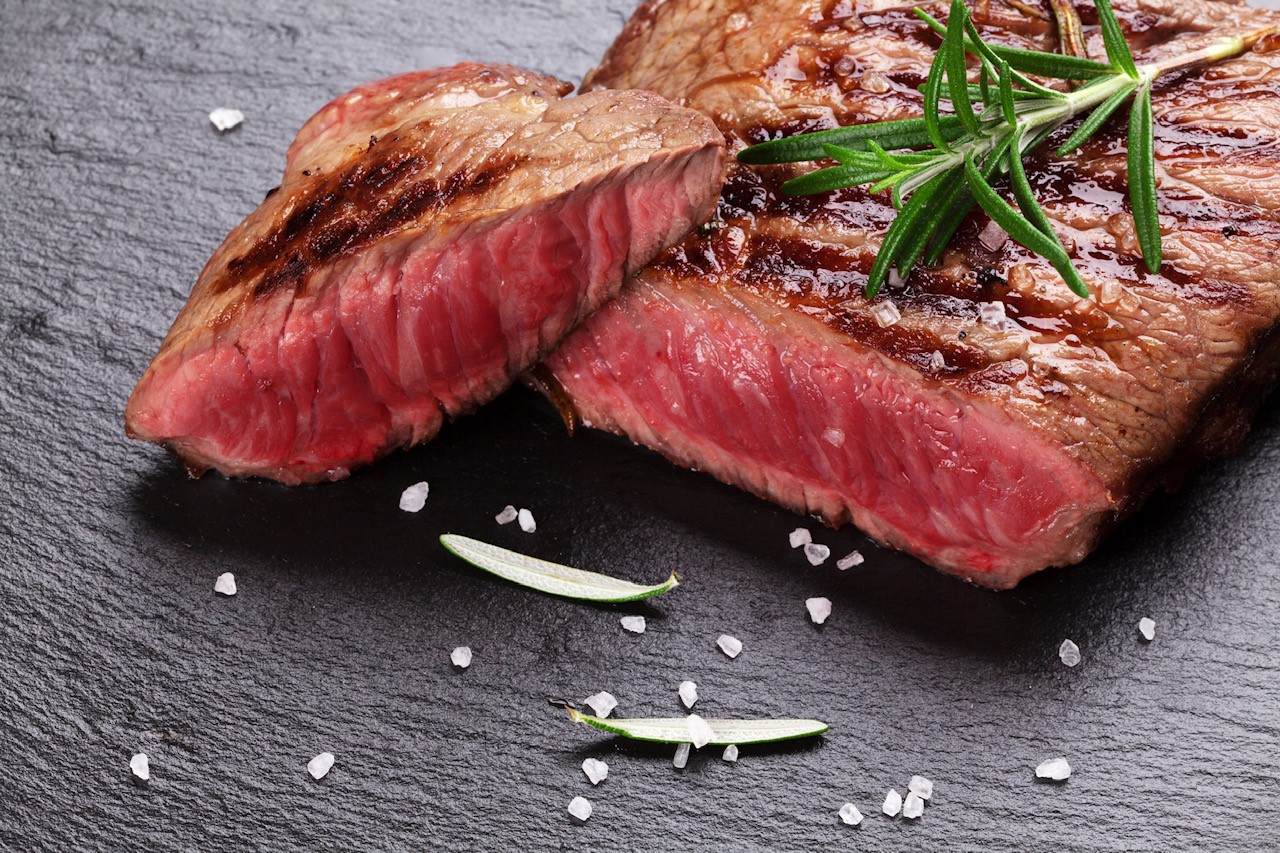
Farming not only produces huge amounts of pollutants, but also requires vast areas of arable land. These are becoming less available on the planet due to climate change. The seas and oceans can provide for us for a while longer, but not in the long term. The waters are increasingly polluted and overfishing is causing fish stocks are also dramatically reduced. With these facts in mind, serious thought needs to be given to food security, as the human population is growing. Population growth is occurring at a rate that the Earth cannot support. It could easily happen that the food we have been used to, such as a beef sandwich or a simple sausage, can become a luxury item.

You will have to look for alternatives
We need to figure out how to replace meat and vegetables in the future. We need to find sources of nutrients that are sufficient in the long term and that are not affected by human activity. The point is that in the future, humanity 98% available raw materials, food will be very different from what we have been used to for thousands of years. Not only will there be global climate change, there will also be a change in diet. Food will be different.

What will we eat?
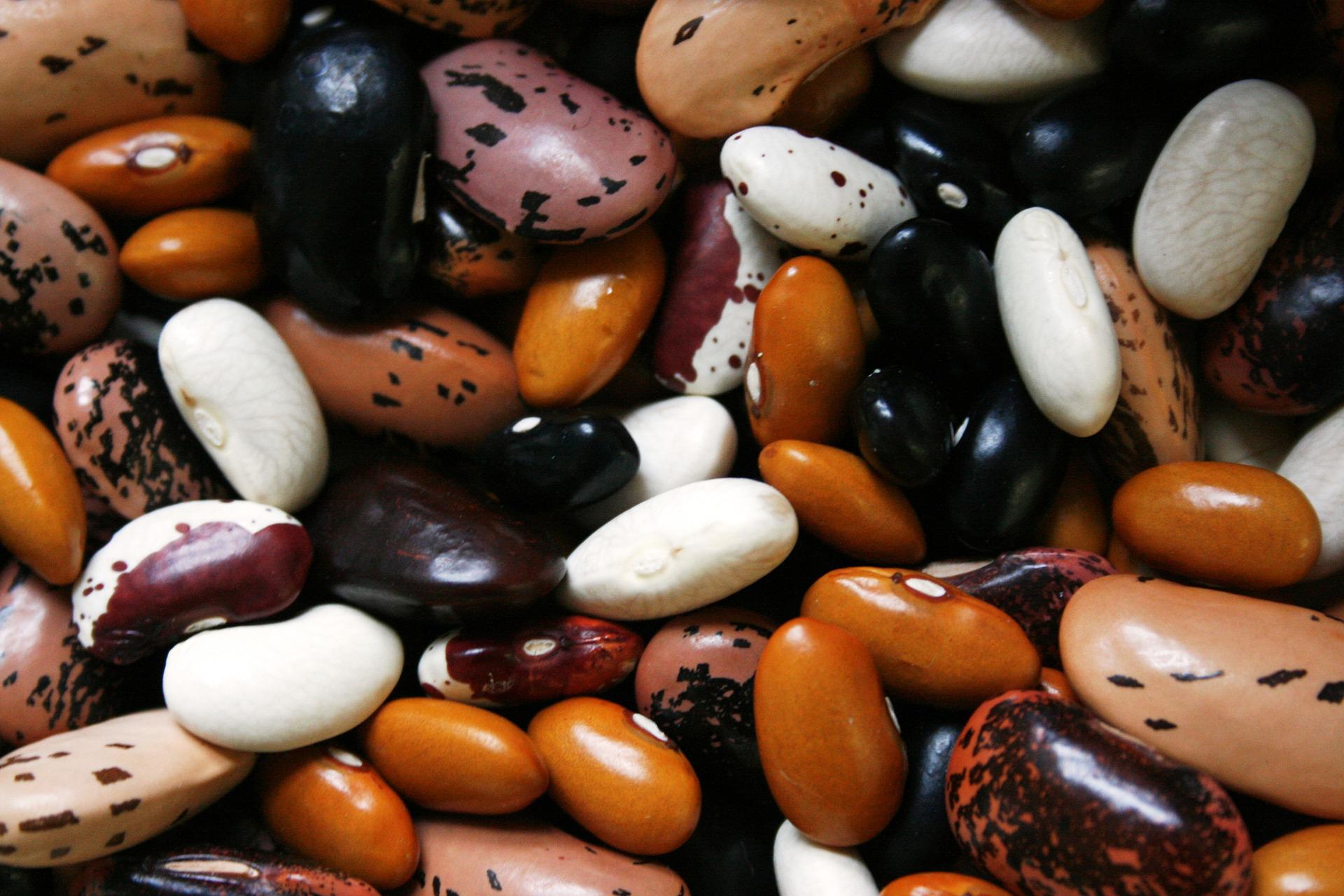
The most obvious might be to use beans and pulses as the food of the future. As well as being cheap, they are high in protein and B vitamins. They are adaptable to different environments, growing almost anywhere from the ocean coast to the slopes of mountains, meaning we are likely to be eating a lot of beans before long.
Beetroot menu
Insects require much less land to keep than livestock and are a complete source of protein. They are also much less destructive. Compared to cattle, they have much lower methane gas emissions, are massively available and easy to breed. Grasshoppers, crickets, mealworms could be the answer. A surprising figure is that a grasshopper contains 12-30 grams of protein per 100 grams, while the average cattle contains 19-28 grams.
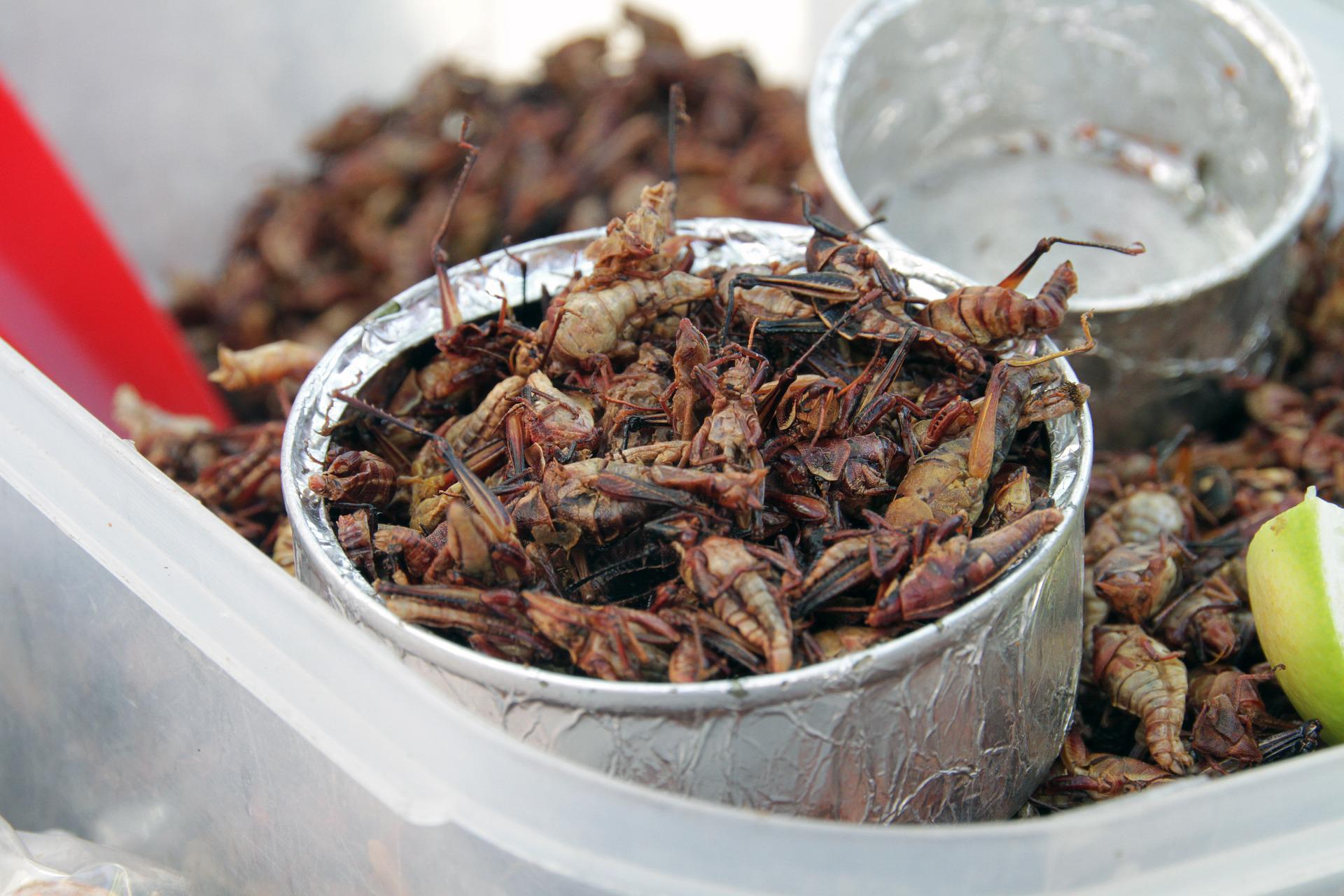
In principle, eating arthropods is not a new thing, as there are continents and societies where it has long been a common practice. Entomophagy, or insect eating, has survived in about 120-150 countries. In Africa, Asia and many countries in South America, they are a staple food in baked, cooked or raw form. The consumption of these organisms is therefore only a cultural issue, as it is not at all popular in Europe, and can even be downright repulsive. Sooner or later, we will get hungry, and we will get hungry.
Approximately 1400 species of insects are consumed worldwide. Of these, at least 500 species can be considered as everyday food. In Mexico, for example, it is not surprising to find insect catches on the menu of a restaurant, and there are even specialities that are available for almost a golden price. You can be sure that the time will come when grilled crickets will be a natural at a garden party.

Algae food
Their consumption is also not new. They are an excellent source of nutrients, as they contain magnesium, potassium, iron, vitamin D, amino acids and fibre. Only 16% of the Earth's water supply is freshwater, but many algae species thrive in salt water. The sea and ocean are still abundant, so they are easy to grow in large quantities. Algae farming is perhaps one of the most environmentally friendly and sustainable sectors.
Jellyfish dish
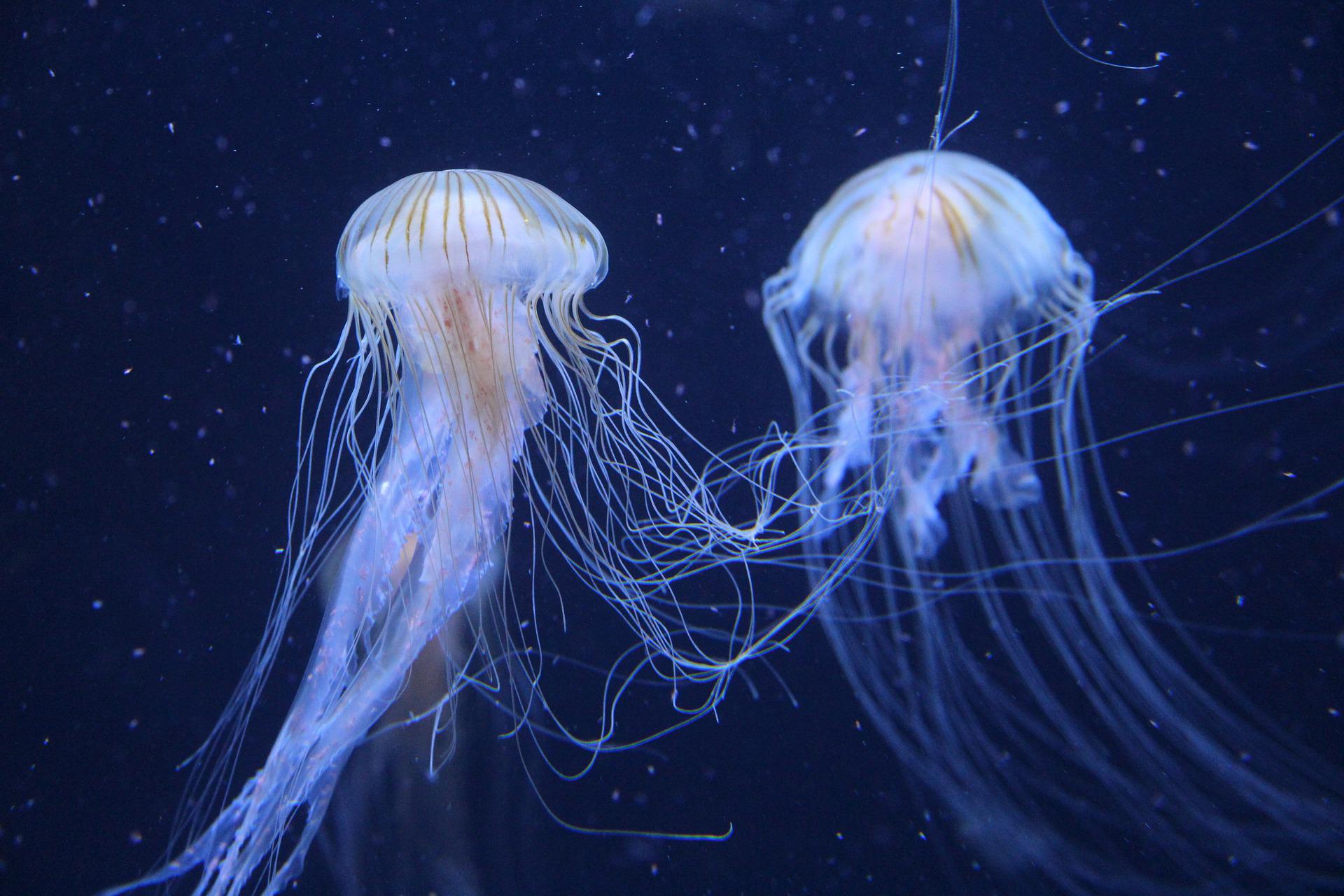
Marine life is dwindling, but it is their food that can proliferate because of overfishing. One of these is the jellyfish. Their numbers have been growing at a tremendous rate, and although it may sound strange to eat something that is 90% water, jellyfish are actually rich in protein, iron. Researchers developed a way to make them into a food like crisps years ago.
Synthetic meat
The technology exists, but it is still in its infancy.The first laboratory meat was created in 2013. The idea is to culture meat cells from farm animals in a laboratory until they are the right size for a piece of meat.#