





Chefs are increasingly focusing on stopping wasteful lifestyles in the kitchen. The mark of a true chef is the ability to use everything and sell it. We show you how!
Protecting our environment is also important, but now let's look at the economic case for why owners should take some advice from from chefs in more experienced countries.
A few years ago, a number of chefs came together to think, brainstorm and develop a strategy for the industry based on a waste-free ideology. They agreed that they needed to get their staff and guests to understand that food should be used ’from ear to tail’ in all cases. They set out five points on how to start and sustain this over the meat chain.
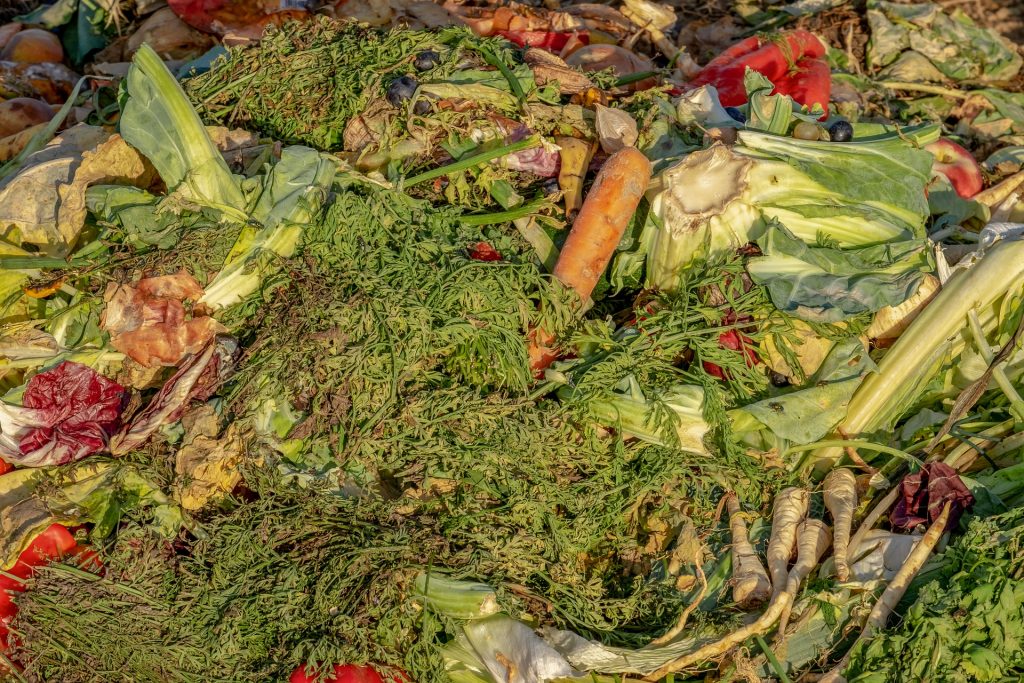
Did you know? Farms, processing plants, restaurants and households together throw away 1.3 billion tonnes of food a year. All this could go into hungry stomachs with a little care.
Starting a business - efficiency
Experienced chefs tell us that it's worth recalculating the restaurant's production and raw material usage every week when you open for business. In other words, how much the owner spends on raw materials, labour, energy and how much he brings into the kitchen. If we calculate this accurately, we can react quickly and systematically and optimise our processes. This will make the business profitable much sooner.
Use it from ear to tail!
For some time now, the creative chef has been a daily theme at gastronomic events, using everything from a vegetable to an animal, and doing it all in a delicious and tasty way. Pigs are not just walking steaks, they have ears, tails, legs and many other parts that can be cooked. That's why chefs are now organising competitions to see who can make better dishes from less popular parts of an animal. The popularity of the competition has spread to many kitchens, so this part of the waste-free movement is now well underway.
What about the staff?
They say a swallow doesn't make a summer, so owners and chefs need to get their staff on board with their new way of thinking. A series of training sessions and talks can help teamwork, but constant repetition and motivation are needed. The aim is to get all kitchen staff to think in terms of the new system, which is in everyone's interest as the success of the kitchen depends on it.
Involving guests
It is also worth communicating the kitchenette to your guests. Today, a lavish lifestyle is not a symbol of frugality, but of awareness. It is important that the consuming guests are part of this process. In most cases, they can support it with flexibility, be it in terms of variety of food, portions, service times. For example, if someone walks into a restaurant at 2pm and everything on the menu is no longer available, they understand the reason and accept it.
Modern technology to fight food waste
But there is another big help in addition to our creativity and manpower. Kitchen appliances and utensils nowadays make food use much easier, so it's worth investing in them. For example, a smart refrigeration system that knows what's available and when it expires. A trackable countertop system so you know how many meals are being served that day, and a digital recipe database to calculate the exact amount of ingredients.
Food waste is a global problem that restaurant owners are trying to tackle. But to do this, they need all their professional colleagues, including suppliers, and their customers to think about their future.
Home: www.pixabay.com