






Pacal is still considered a strange food today. If you were to associate it with anything, you would think of it as a tough guy dish. Mention it and you might get a twinkle in the eye or a slight frown. There is no middle ground when it comes to pacal.
Why did we start eating pacal?
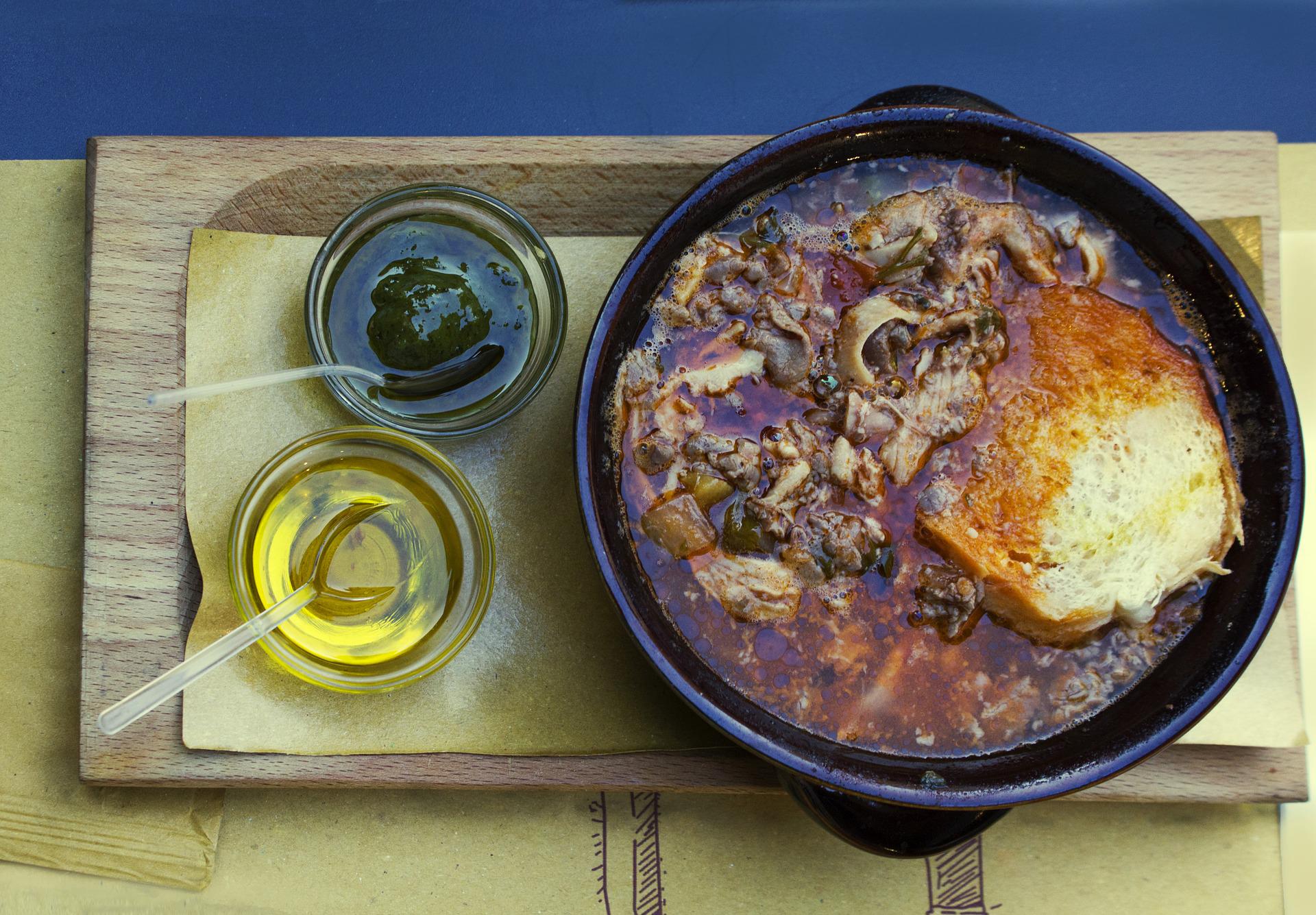
In the old days, poorer people let nothing go to waste. They took care of all the ingredients and made food from what they could. So they ate lungs, fingernails, cheeks, even spleens and stomachs. In many cases, these are now considered a curiosity and an expensive dish. One of the most common forms of traditional cuisine typical raw materiala, which is not only used in Hungary.
What is a pacal?
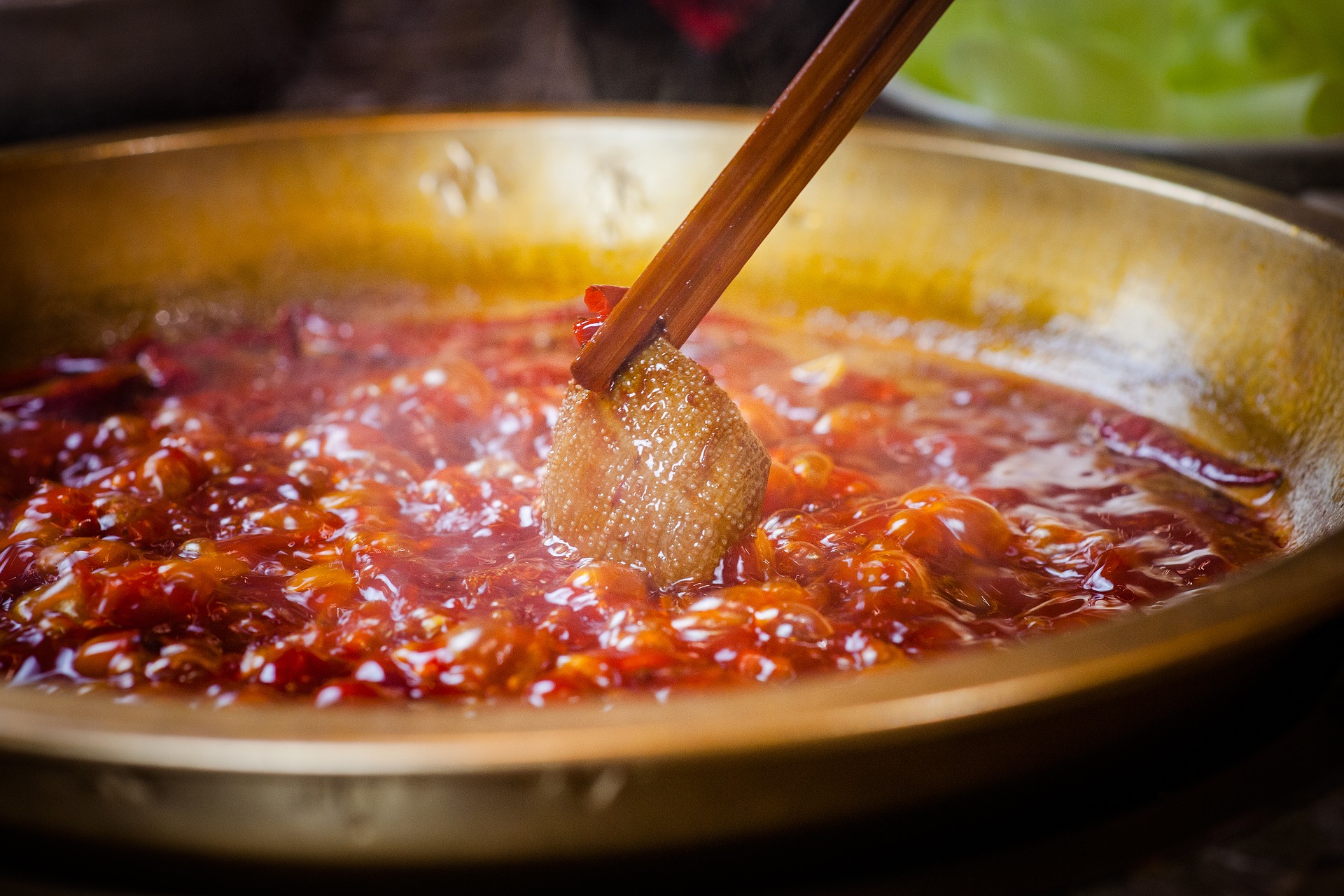
A food raw material made from the forequarters of cattle used for ruminating. The stomach of slaughtered cattle is cleaned and sliced into strips about 1 cm wide before use. The collagen and smooth muscle content of the rumen gives the dish its characteristic flavour. In the case of large-scale processing, this is usually followed by a hydrogen peroxide treatment, which gives the pacal its snow-white colour, which is how it is usually found. In the case of traditionally cleaned and pre-cooked, blanched tripe, the raw tripe has a greyish-red colour. In fact, it is a typical ingredient of Hungarian cuisine. It is mostly used in stews with other meats, but it can also be used raw material in soups and pork cheese. Variations are tripe with nails, knuckle, marrow, mushrooms and ears.
Ágnes Zilahy's real Hungarian cookbook, 1892: „Carefully selected paczalt should be washed well with boiling water from a lot of juice, cut into nice thin patties, cooked well in boiling water with salt, and then put vegetables in between. Make a mash with half a litre of good sour cream, a few spoonfuls of fine flour and mix in a few hard-boiled eggs cut into small pieces. Add to the whisking, chop some parsley leaves, boil it up and serve. There is another way, which is to make a fat and creamy sauce instead of a whipped cream. breadcrumbs and add the breadcrumbs. Serve with a little lemon juice.”
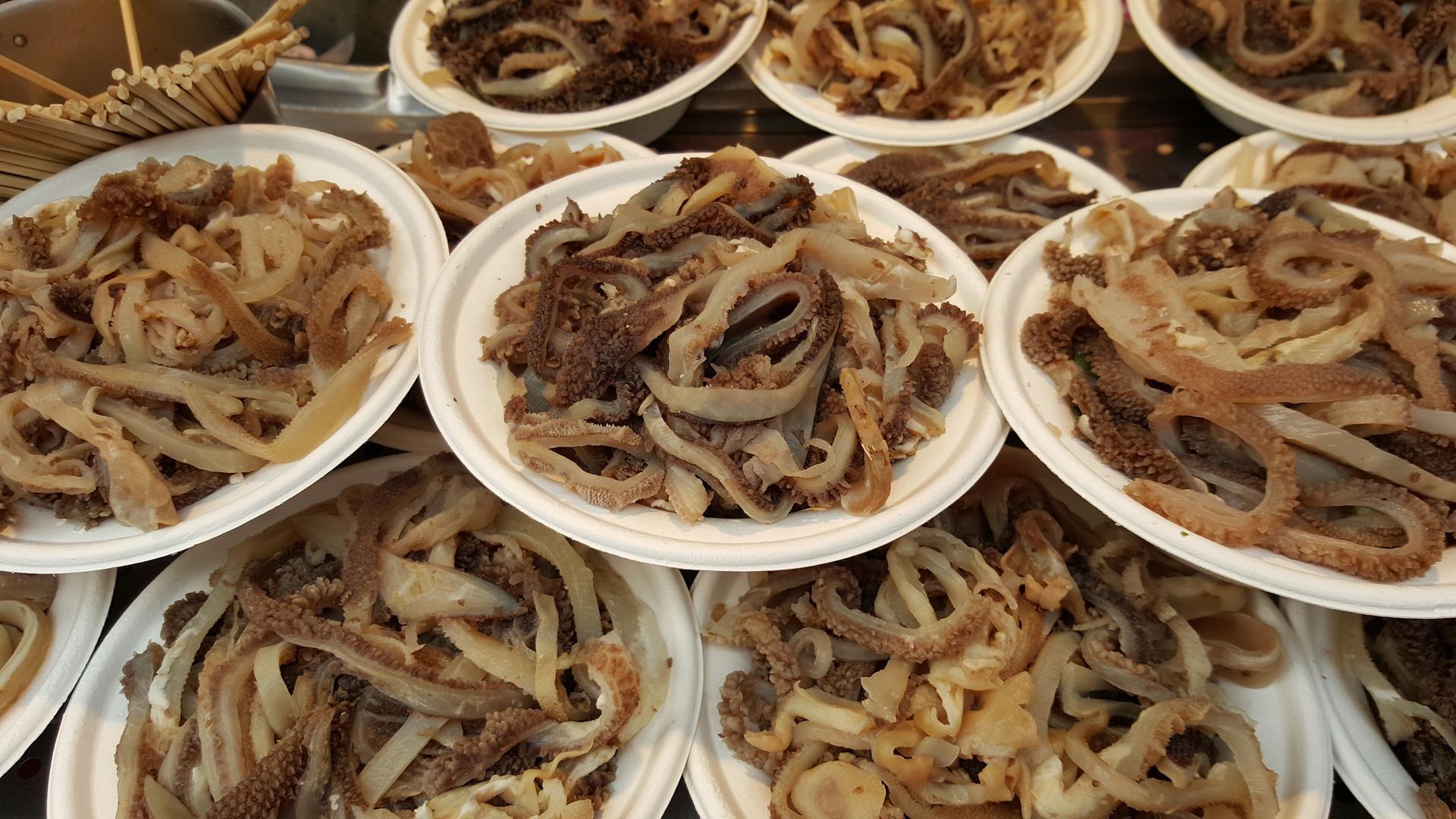
Interesting, the pacal is everywhere
In the regions where sheep or beef onions were found, the food made from them can also be found. A wikipedia lists nearly 60 pacal dishes from around the world. They are prepared in a variety of ways, with different meats, vegetables and seasonings. From smoked tripe to soup, from stir-fried tripe to pacal sausage, the variety is astonishing. Foreign cooking methods, depending on the cuisine's traditions show great diversity.
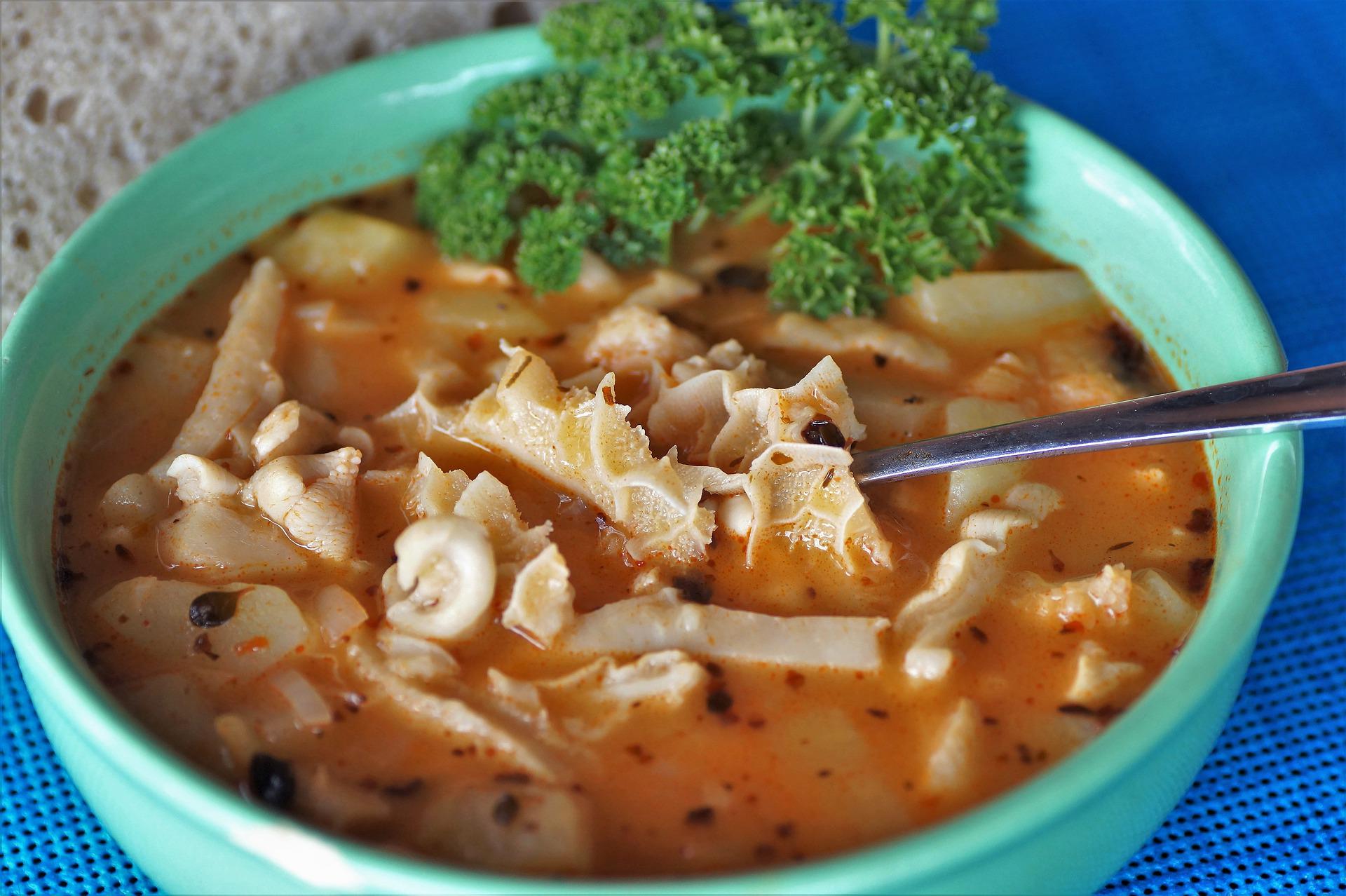
Special pacal dishes
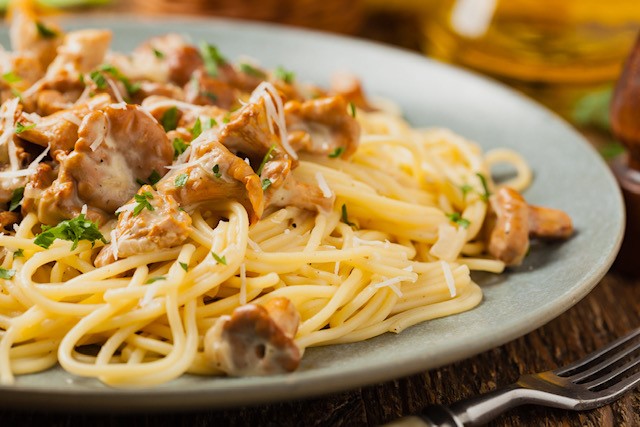
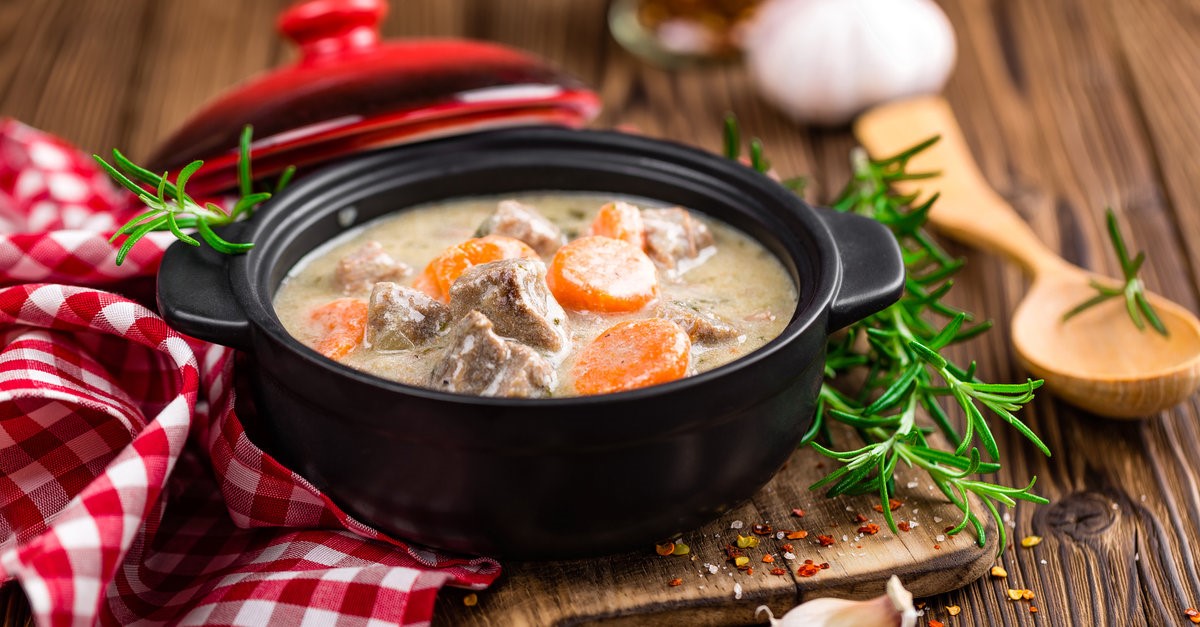
Callos a la Madrileña (Madrid pacal), a Spanish dish made from pacal, is popular in Poland as flaki. In Turkey, it is called iskembe and is used to make the famous pacalle soup called “Iskembe corbasi”, eaten with soft white bread. In Western Europe, it is more commonly eaten in soups in Italy, Switzerland and Germany. However, German recipes include lentil pacal and the so-called sour pacal. In Portugal, the legendary dish of the city of Porto is tripas (fried pacal), even written about in history books. In France, one of the most famous recipes is the pacal dish with calvados, a rare and treasured dish. The master chefs of Swiss, Italian and French cuisines make pacal specialities, covered with béchamel, cheese and mushrooms and cooked in a tube. Caen-style stripes à la mode de Caen are also served in the world's most exclusive restaurants.
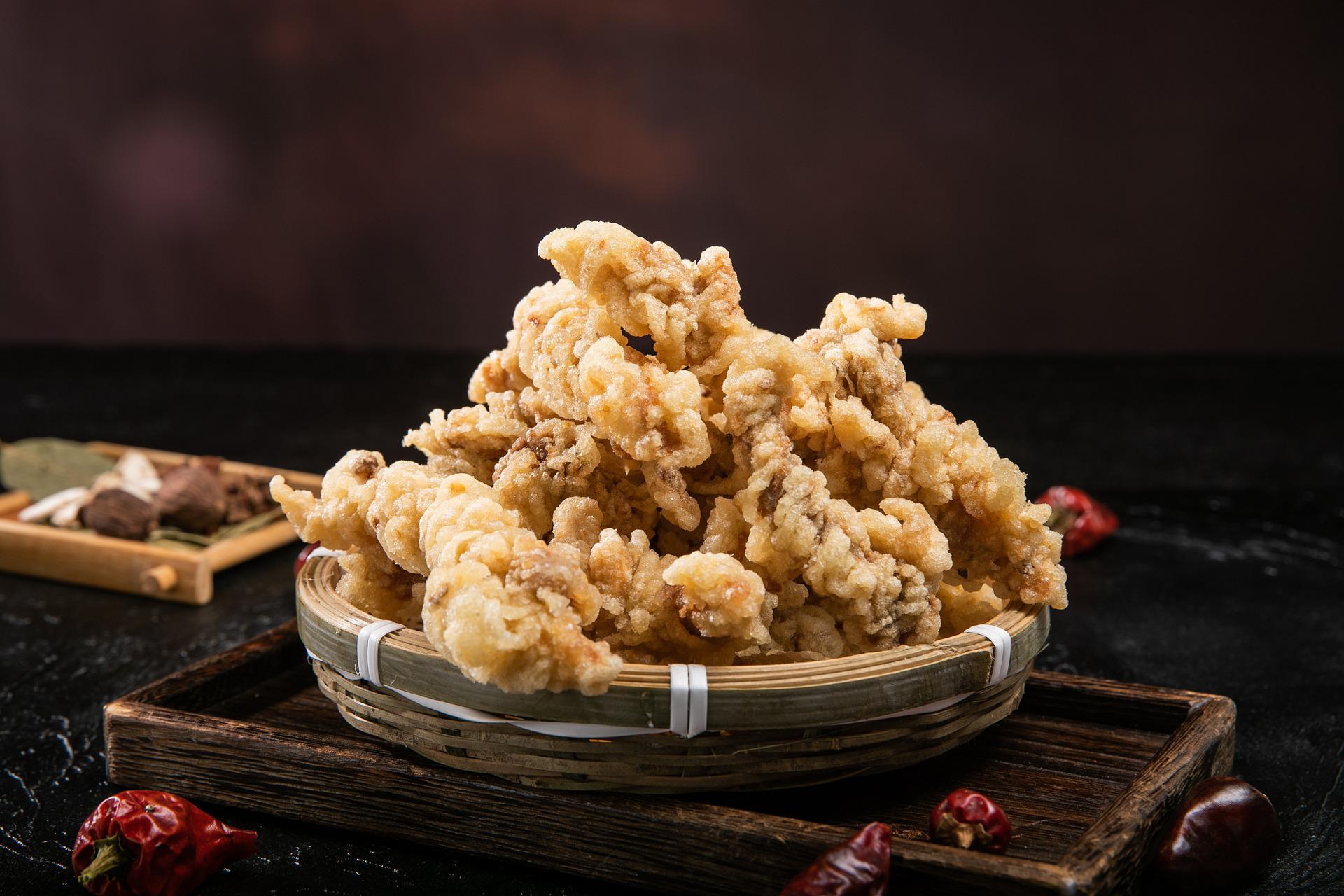
In Hungary, the favourite is pacalpörkölt
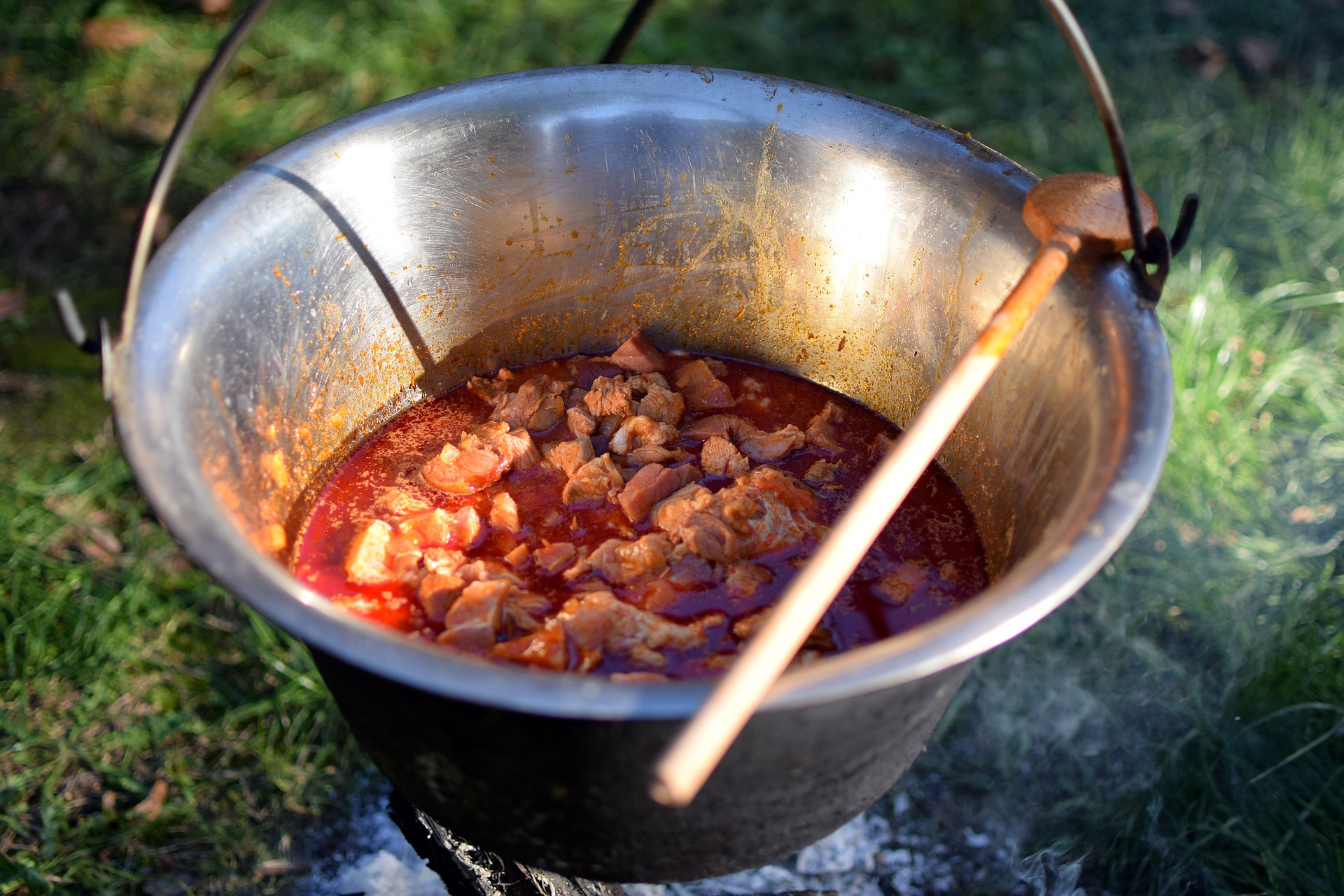
Stew is undoubtedly our favourite, but pacal has always divided tastes. The rumen is the largest part of the bovine foregut, and in Hungarian cuisine it is the primary ingredient of pacalpörkölt. Its impressive size is the size of a tablecloth. The most important part is cleaning it, but it arrives at the butcher's ready. You can get it whole or cut into strips. A pacal stew can be prepared in many ways, and there are different recipes available for each region, village and even household. Whatever stew one makes, the most distinctive, the most unique flavour will be the stew. The character is clearly given by the red pepper, but there is also room for the hot spicy pepper.
The advantage of commercially available, already prepared tripe is that in most cases they are already pre-cooked and stripped, so they are very easy to prepare. As a result, the stew can be cooked until tender in about one and a half to two hours. The seasoning is also entirely to taste, with cumin, bay leaves, garlic and whole pepper all being good. The red pepper is either added on its own or poured in with the onion stew.
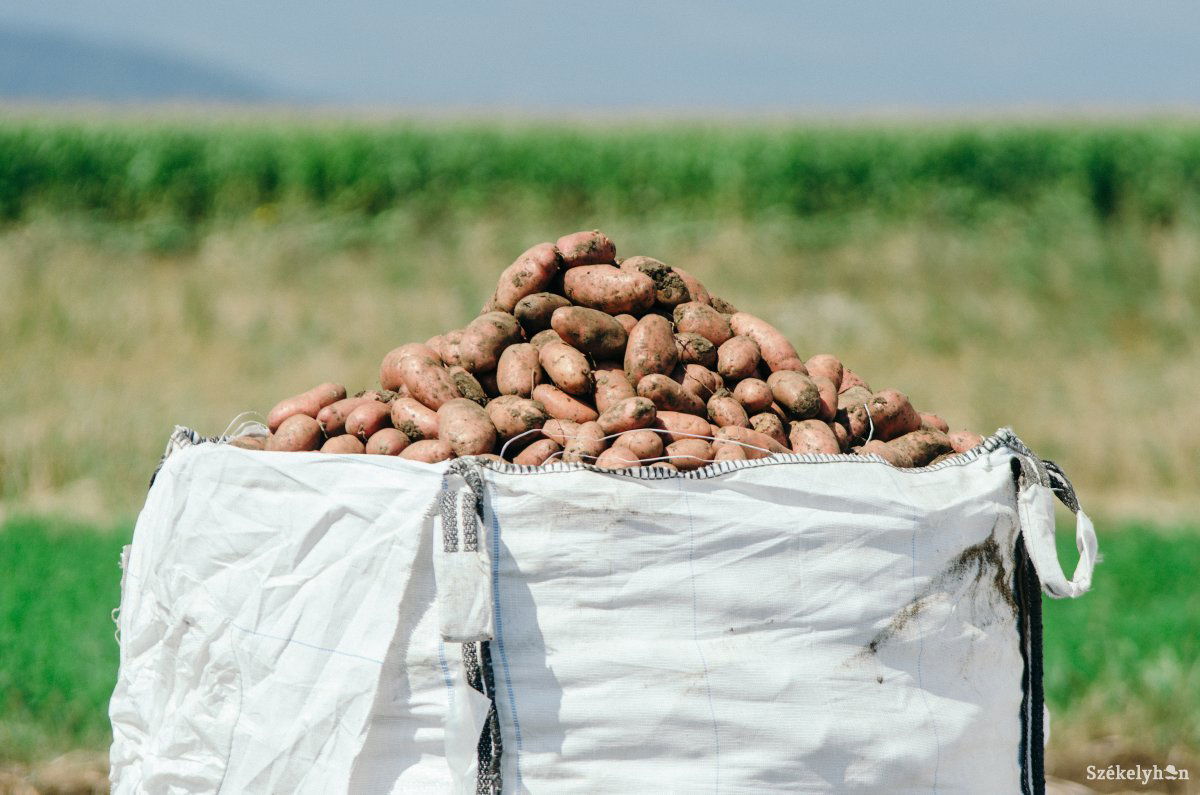
We Hungarians don't usually use a side dish with pacal, but we might throw in some boiled potatoes. But if you want to eat it like your grandparents did, you should eat it with crusty white bread, which you can also stuff it with, and pickles. If you haven't tried this dish before, make sure you do. Who knows, it might become your biggest favourite!#