





In our country, two types of fish have won over the health-conscious public: tuna and salmon. They are fibre-free, fishy and tasty, but the quality of the fish is not always the same.
The two star fish
Salmon and tuna are the ones that everyone's talking about. In recent years, both have been judged to be premium ingredients for a healthy lifestyle, not only non-fattening but also consumed. Of course, the latter is not true, but indeed good quality tuna and salmon are also rich in nutrients, oils and protein that the body uses rather than storing as fat. That's why they really are a perfect addition to our diets. However, it is important what type of product you choose, because tinned tuna is the type of tuna we know and use most often.
The sad reality
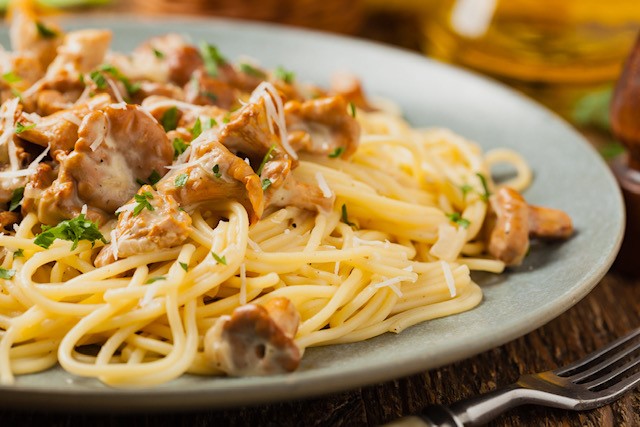
Tuna is the most common in salads, pasta dishes and in dressings, and it is the oily, shredded tuna that is most commonly used. Unfortunately, this has nothing to do with the real with red tuna, which is really nutritious and delicious. The reason is price sensitivity, which is a factor of paramount importance in Hungarian catering. However, the known way may not be the most economical option. Let's see!

Cheaper if bought whole
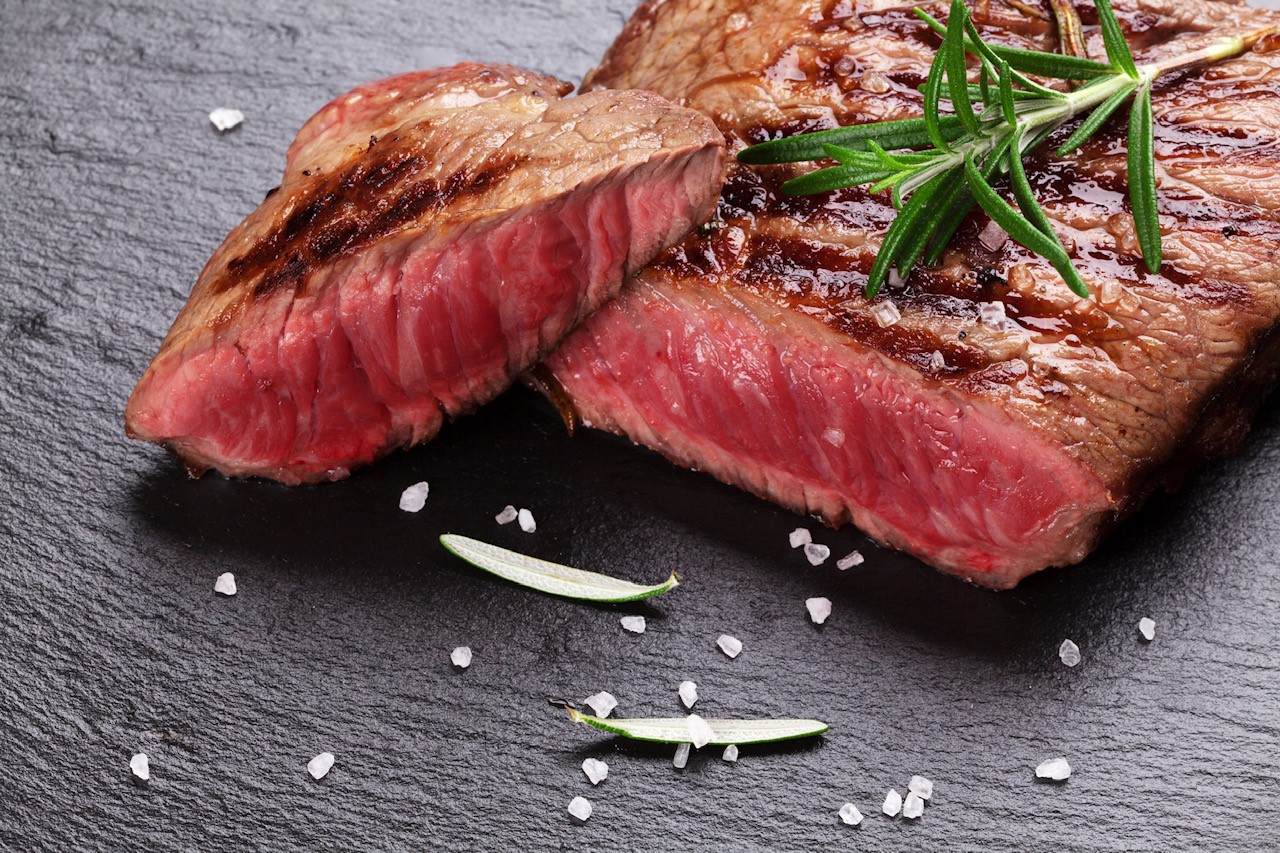
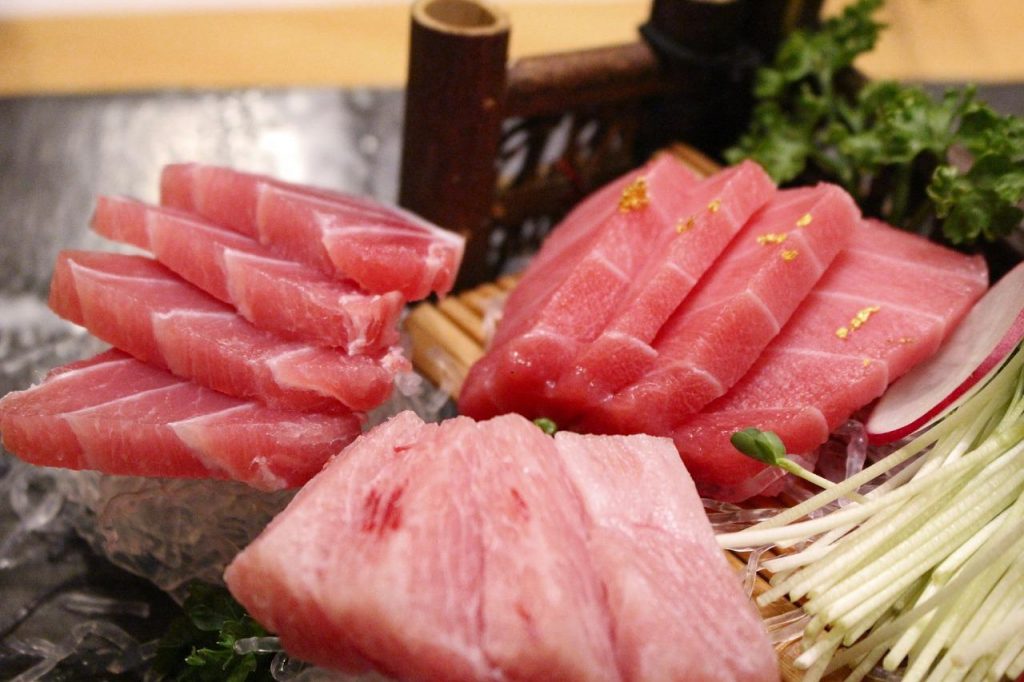
An old and well-established method of storing fish. It can be stored in salt, oil, airtight and frozen for longer periods. All three methods are still used today in river and coastal areas. However, it is not always the case which fish is suitable for what. Tuna can be frozen perfectly well, but shock-frozen, i.e. quick-frozen, because it retains its fibres. It is also excellent for cooking in oil, where it also retains its fatty acids. We can also make our own oily fish from real tuna, foregoing the chunky, chunky tinned fish from the shops. All you need is a nice slice red tuna, which is cut into slices and easily stored using the oily stacking method. When you need a few slices and bites for salads, tapas platters, or even on top of Italian pasta, feel free to use them. The difference will scream off the plate, not least because it's much more economical than canned fish swimming in a rich broth with little fish meat, the net content of which is hardly more than a few ounces. Of course, the premium dish is the grilled red tuna steak itself. In just a few minutes, it becomes a rich dish that only needs a few grains of salt, fresh pepper and a good sauce to leave you with a big smile.
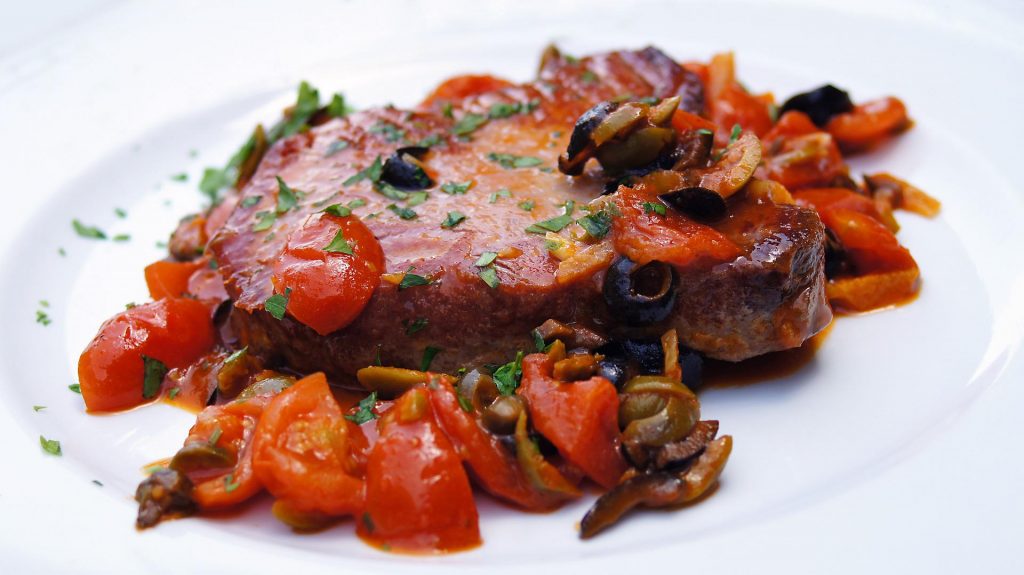
Did you know that a tuna weighs 300 kilos?
Unbelievably, a tuna can grow to 2-3 metres in length, weighing up to 300 kilos each. They are predators, but they only feed on small fish, and they are comfortable around dolphins, because sharks prey on them. Not for nothing, as their flesh is 80% pure muscle and protein. They are low in calories (200 kcal/100 g), but high in protein, B vitamins, selenium and magnesium. The darker they are, the richer in omega-3 fatty acids and oil. Red tuna is rare nowadays, yet it is one of the healthiest types of tuna and retains its nutrients when cooked in sushi, grilled and stored.#