






In every field, there are skills that can only be acquired through learning and experience. There are also some that even these are not enough, but simply require talent. What do chefs know? Find out!

The general jargon
As all in the craft, there are terms and customs in the hospitality industry that only those who work in it know. Specific words and gestures, sometimes only understandable to the initiated, that can explain a lot of things. Just think of the words chatter, chumi, pronounce, whip, plate postman, komi, odi, fufu. Or the terms spike, roti, spittoon, envelope. A hospitality exuberant But the world of the internet is based on nothing less than professionalism. As the greatest chefs say, knowledge of the ingredients is paramount and the waiter should be a psychologist.
Hospitality is not to be taken lightly, as it requires a great deal of theoretical and even more practical knowledge. Only those who do it all by heart, who are constantly learning, who are humble in the service of their guests and colleagues, can be the best in the business.
A professional chef is not yet a chef
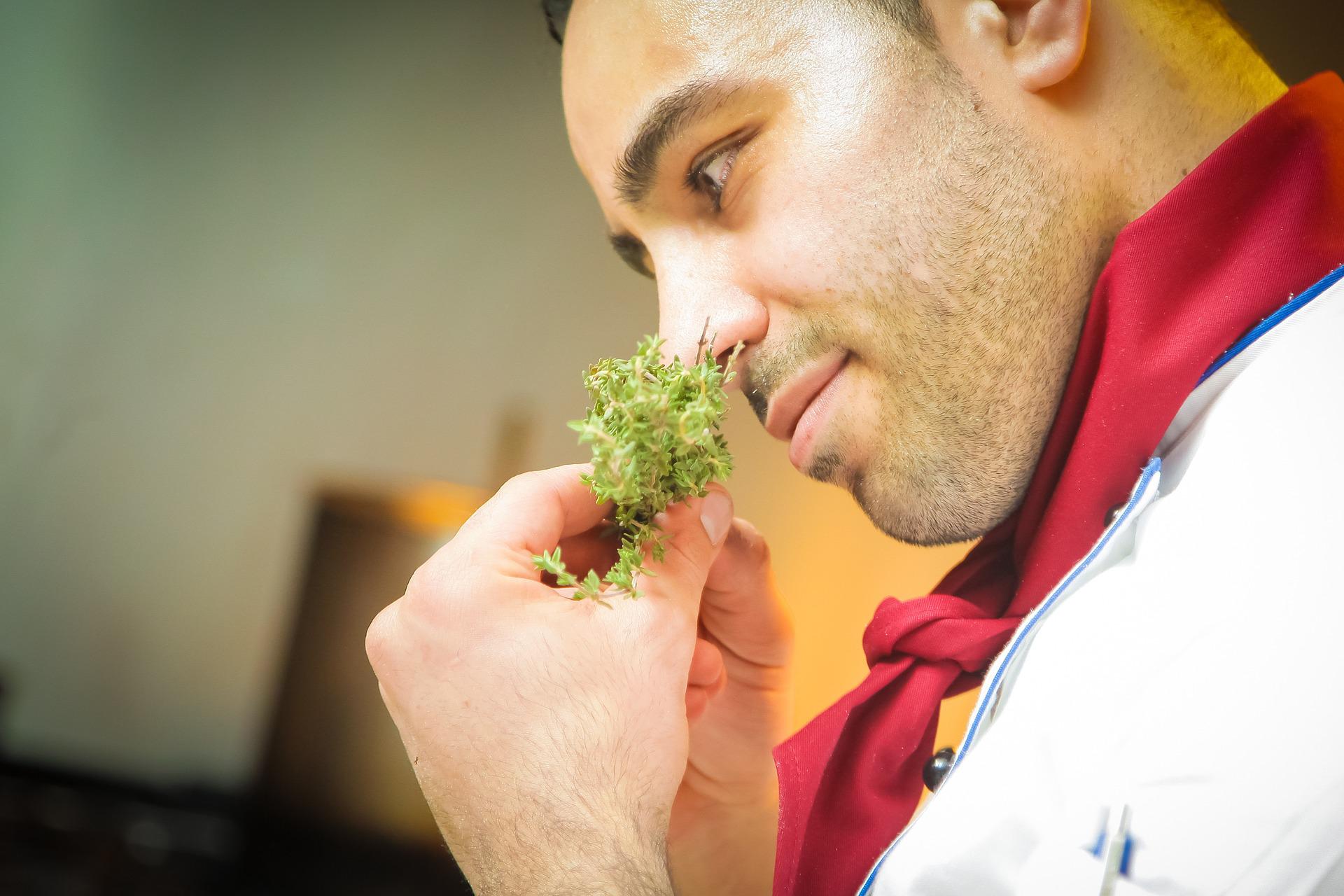
A good chef, simply put, knows his job. He has excellent knowledge of ingredients, technology and technical skills. He or she is able to create wonderful food, and with such flair and appreciation, is respectful to colleagues and equipment, which is exemplary. Not only in his hands but in his heart, he cooks like a professional every single day, for up to 16 hours. Such a chef is a treasure, he could be a chef!
The chef
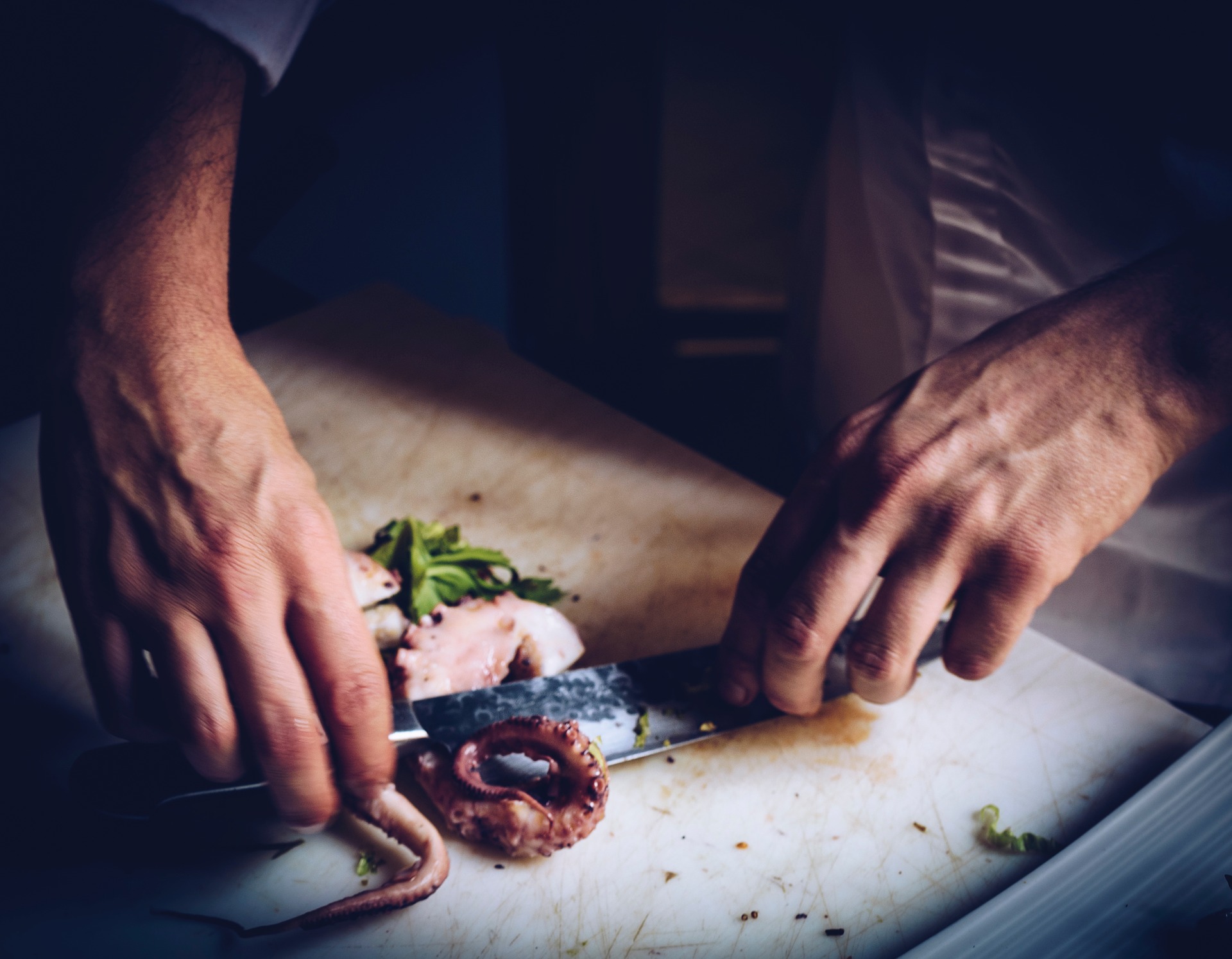
A true chef knows as much about food and running a kitchen as he or she does not. With years of experience, his words resonate with his staff. He accepts with humility that there may always be a new technique or a recipe he doesn't know. He accepts that there may be different ways of presenting food than he thinks. The chef listens to all ideas and is open to advice, even if it doesn't seem right at first. He knows that what he has learned in school about the art of cooking is good basis, but it pales beside what work, colleagues and life have taught him.
He loves to cook! Even when she's made a dish a thousand times, it still brings a smile to her face.
The chef knows the most important rule, namely „can only be as good as his team”. That's why his commitment to training and teaching is as important as running the kitchen. As the challenges of everyday life are constantly changing, he is aware that in a kitchen, even the predictable is unpredictable. That's why he has also learned that he can never sit back, never be satisfied, because it's always the last dish he hands out that counts.
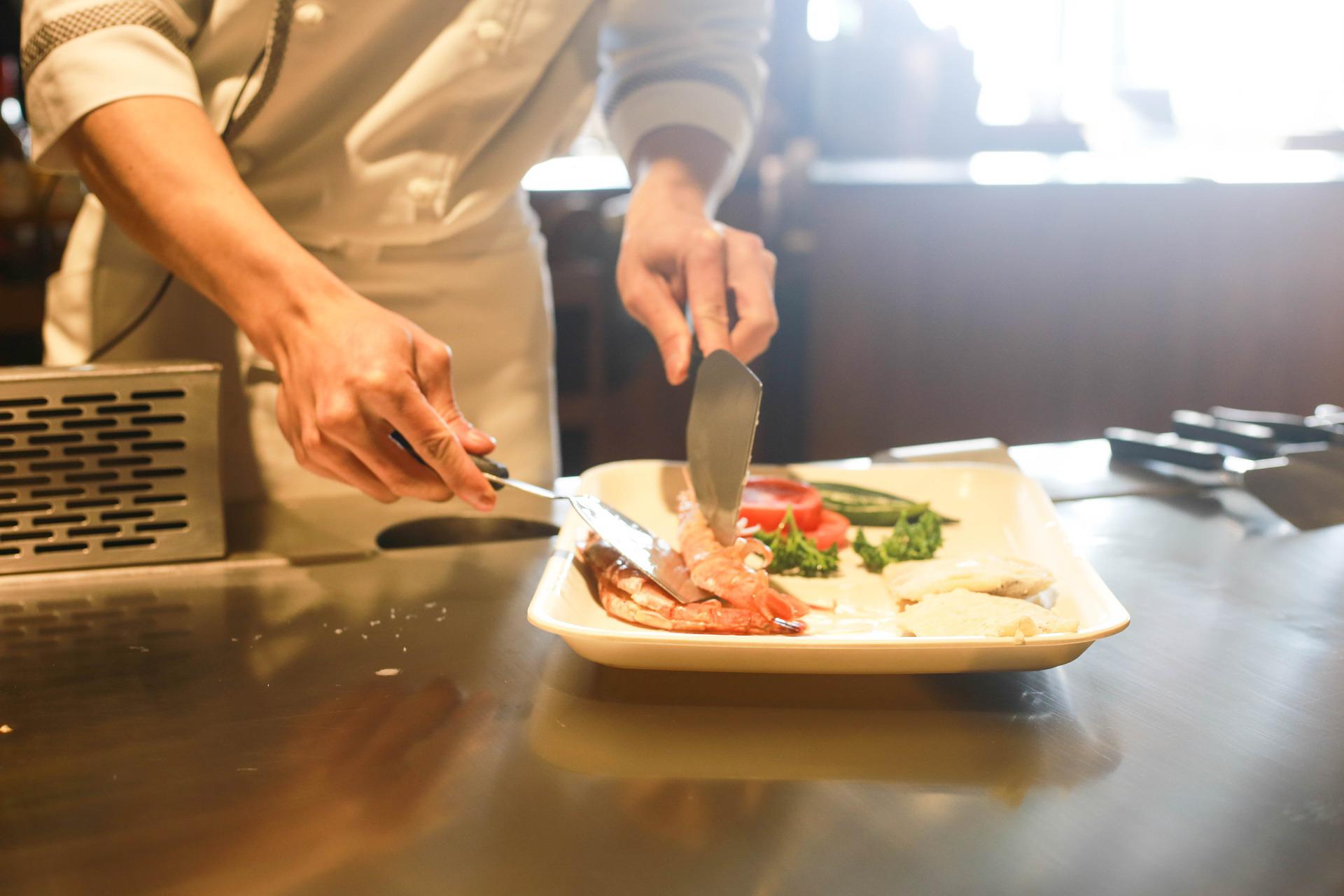
The chef is the ambassador of the restaurant
The ability to assess how his/her work affects the restaurant's operations, its future, its reputation and the recognition of the unit. He submits himself to this, striving for the best at all times. He is a role model for his profession, his chef colleagues, his guests and, above all, his chefs. That's why she does whatever you ask of her, from the simplest tasks to stocking, from cleaning equipment to preparing the most complex dishes.
The chef knows that consistency and strength are important. Every process and every plate of food must consistently meet expectations. That's how the system can be a continuous, quality operation. In this way, the dishes he dreams up will be presented to the guest at a standard, high quality.
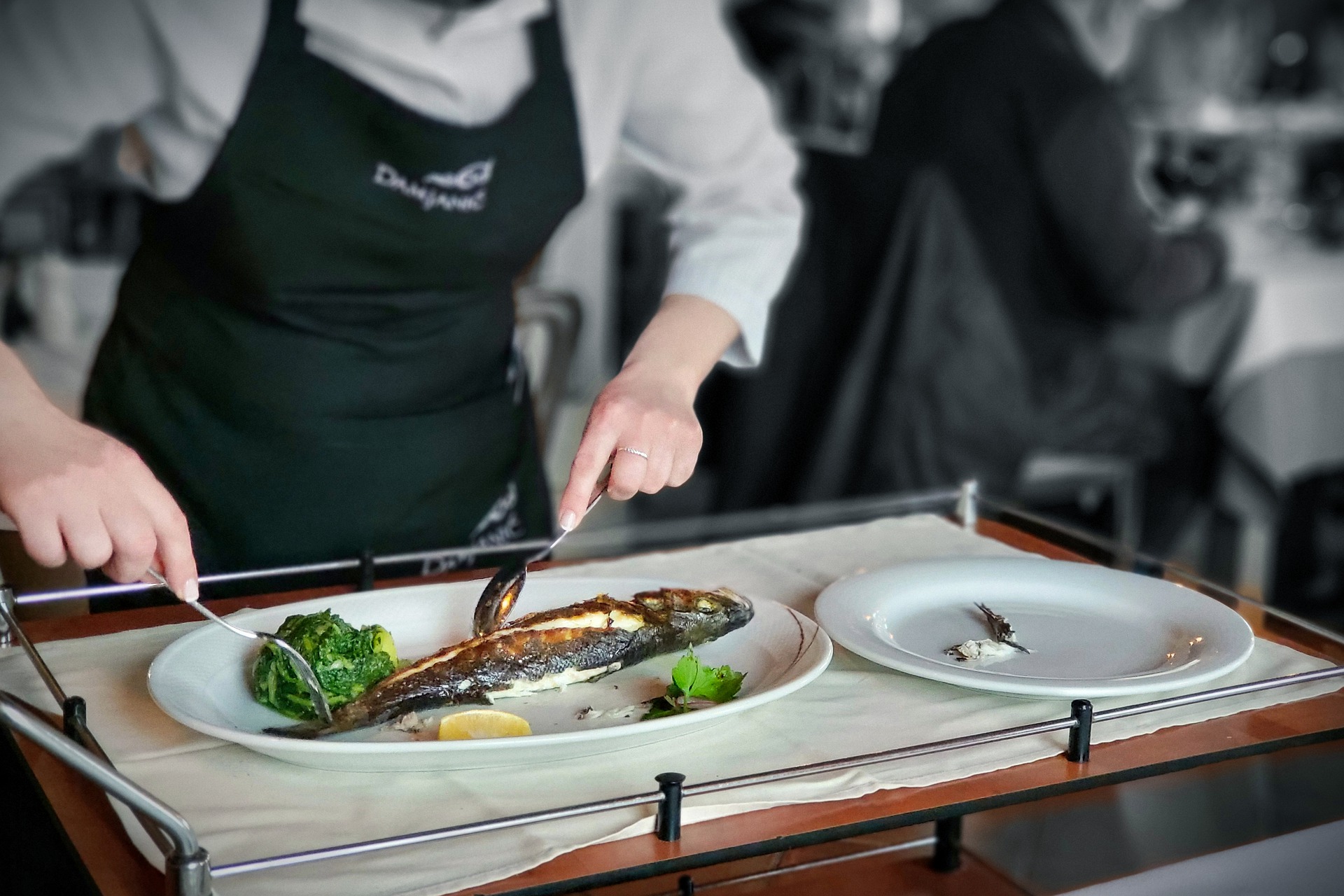
Recognition and support
One of the most rewarding qualities of a chef is when he or she shares the fruits of a job well done - the praise - with colleagues. Recognition and support can create a strong team that can stand up to the toughest of situations. The joy of a job well done is something everyone deserves.
To be a chef, you have to become one. You can't learn, because there are so many components to knowledge that can only be acquired through years of experience. Almost anyone can become a good chef, but few can become a good chef! #
Source: https://www.finedininglovers.com/article/paul-sorgule-things-only-chefs-can-know