






We love, consume and admire Asian cuisine and its exciting ingredients. But we don't always know what is what and how to get it or prepare it. Here are the essentials!
Asia is huge, so thez world of taste is extremely diverse, and customs vary from region to region. In some places it is steamed pasta, in others fried or pickled. What they do have in common is that they use all the ingredients that are edible. There have been several great famines and even greater famines in Asia, so frugality is a characteristic feature of their gastronomy. Rice is ubiquitous and plentiful, so it serves the same function as cereals do here. It is flavoured with sauces, vegetables and spices, but it is always on the table at any meal of the day.
The perfect rice: rice in Asia is not cooked, but steamed. The washed rice is poured into 3 times as much boiling water, the pot is covered, towels are wrapped around it and it is cooked to perfection in three quarters of an hour.
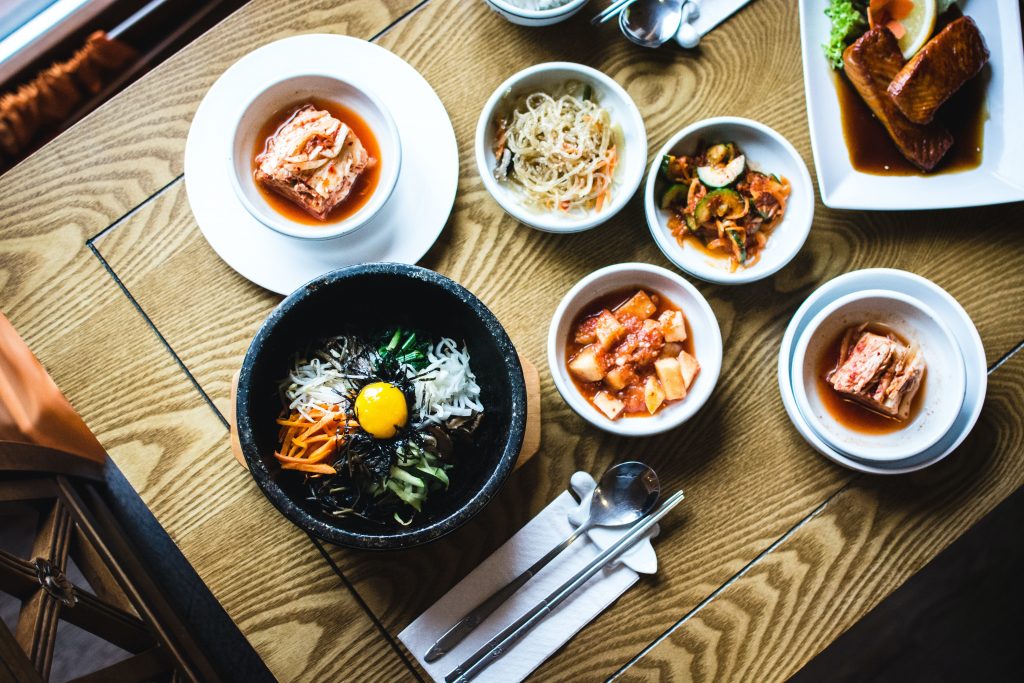
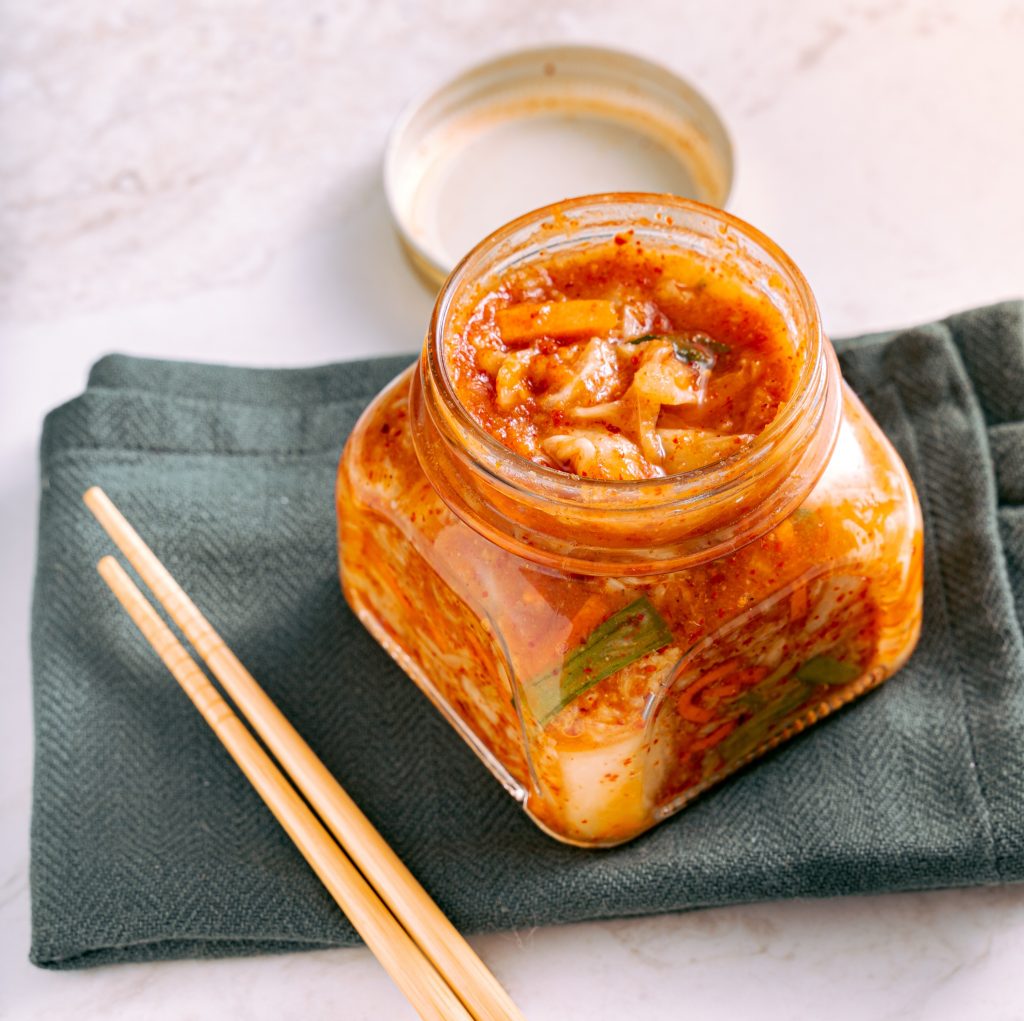
Kimchi, the alpha and omega of Asian cuisine
We can say that kimchi is the national dish of Korea. It is a fermented, spicy sauerkraut that can be found alongside almost any dish. It is made from Chinese cabbage, but the process is also used for iceberg cucumbers, cucumbers, garlic, and bear's onion. Kimchi is famous for its beneficial effects, because its lactic fermentation process (fermentation) provides it with a wealth of antioxidants, flavonoids and vitamins. In Korea, it is a real autumn ritual where women gather and prepare it from at least 200 heads of Chinese kale. Since 2013, it has been on the Unesco cultural heritage list.
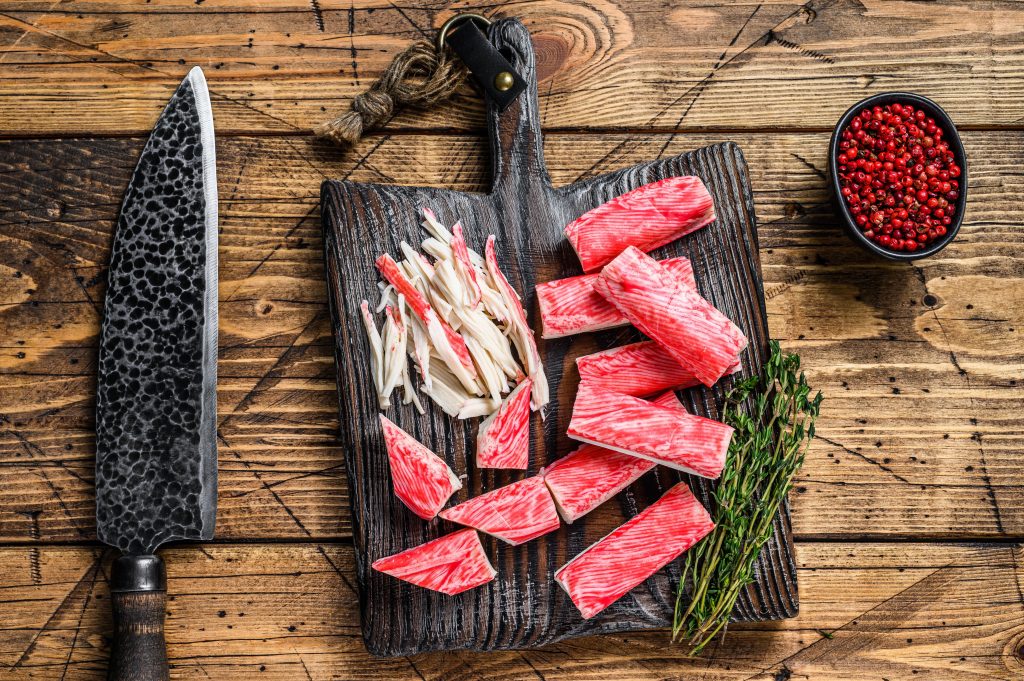
The surimi
The surimi a procedure, with a history dating back almost 1000 years. It is mostly used in many areas of East Asia. It is a paste made from fish or other meat and refers to a preparation in which this paste is found. Fish meat is separated from the bones, de-fleshed, and unwanted odours and smells are removed. It is kneaded into a paste with gelatine and starch, then reformed and flavoured. In a wide range of textures found at, but most often the lobster, a Cancer, the eel or the shell are used to imitate the flesh of a fish. Rarely used in Asia, but in our country the surimi fish stick and the fried fish fingers is the most common version. In Japan, it is mostly fish cakes we meet it in the form of.
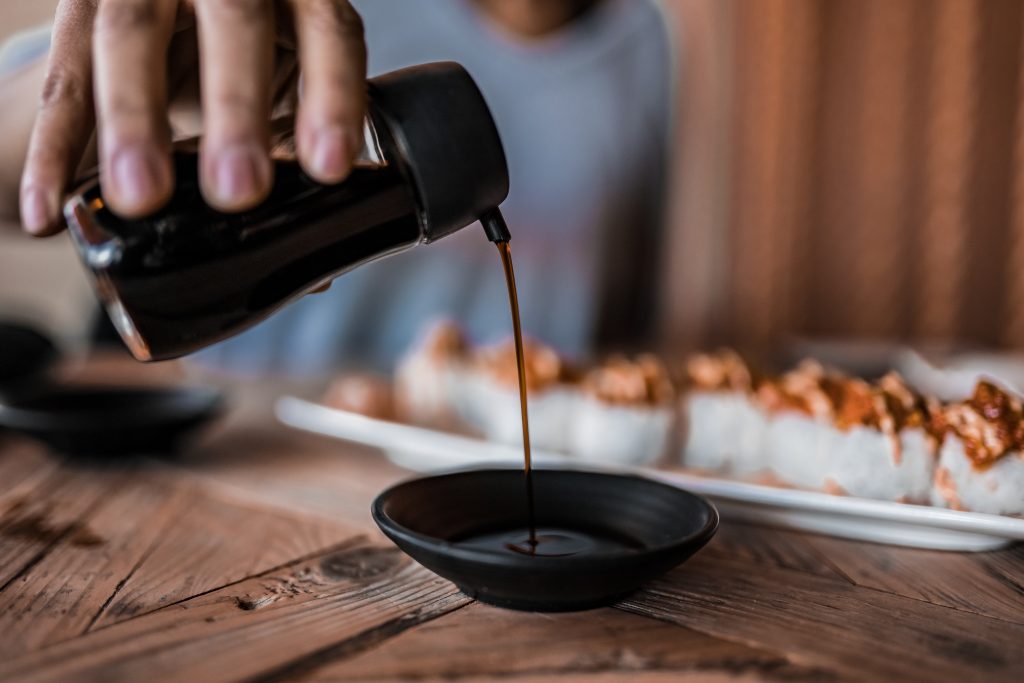
Soy sauce, rice vinegar, mirin
The soy sauce from soybeans is made by a long boiling, fermentation, which gives a strong concentrate. A staple of Asian cuisine, it is often used in place of salt. Rice vinegar is made from fermented rice, with further fermentation, and is used for fresh and fried vegetables. It is less strong than other vinegars but is an excellent flavouring. Mirin is the rice wine itself. It is an alcohol-based, sweet, thick sauce used for marinating meats as well as sweets. It tastes similar to sake, but has a much lower alcohol content.
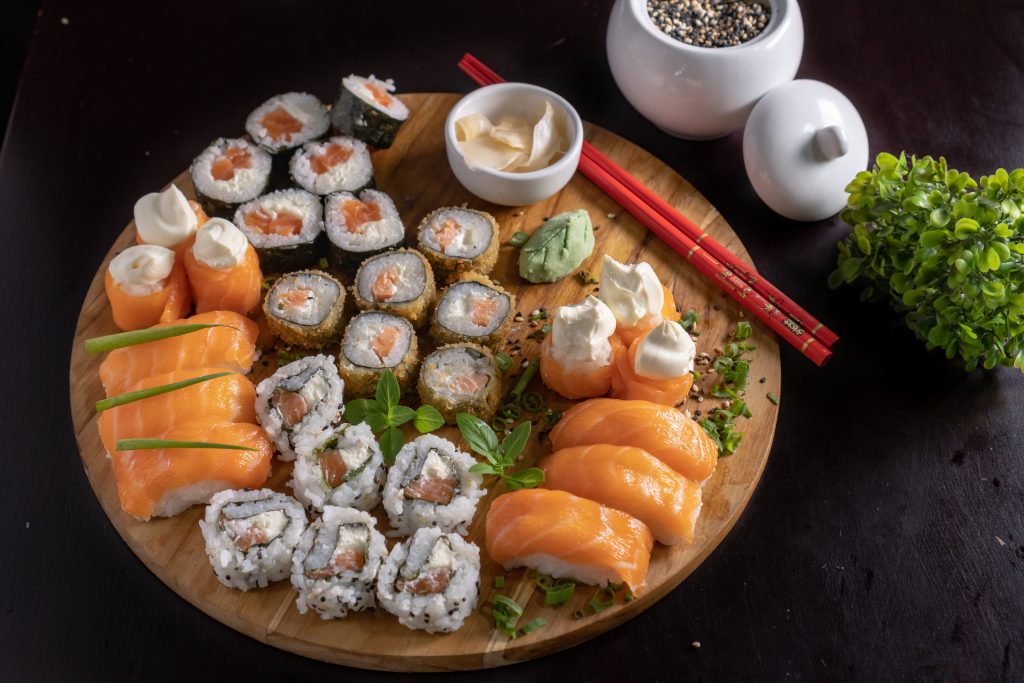
Types of sushi
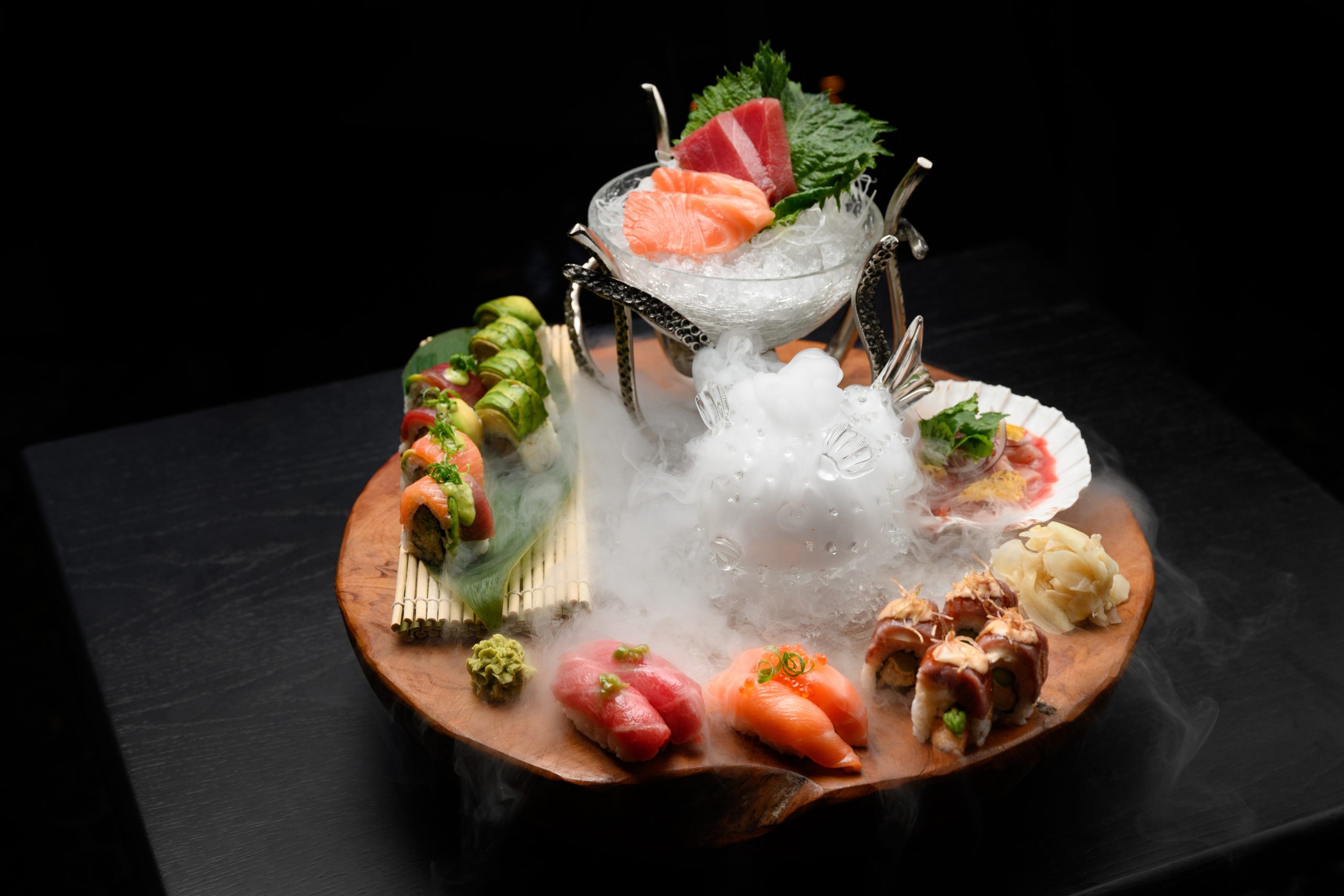
There are hundreds of different types of sushi, but let's look at the most common ones!
Maki sushi, the first thing you see on the menu. Flavoured sushi rice wrapped in a dried seaweed base, with a variety of sliced toppings such as salmon, tuna, egg and avocado in the middle.
Futo Maki uses a whole algae base that is thoroughly filled, making it very similar to Maki, yet more filling. The Big Maki is the inverted roll, as there is no seaweed on the rim, just the rice and the filling inside. A Nigiri sushi another favourite in Asian restaurants, it is a hand-formed oval rice cake on which fresh fish slices are placed. Some toppings are attached to the rice with norwich strips (norwich strip = strip cut from a substrate).
Inari sushi is different from other sushi, as it is a fried tofu batyu filled with rice. It is eaten dipped in sauce. And Osi sushi is a pressed sushi, placed in the bottom of a wooden mould with meat, vegetables, rice, which is pressed down. It is served sliced.
Used in Asia oils, that make your food even tastier and easier to digest than sunflower oil: chilli oil, toasted sesame oil, ginger oil, garlic oil, pepper seed oil, pepper oil.#