






There are many ways to prepare purple cabbage. You can use it as a side dish, eat it on its own or as a salad. You can add apples, plums and even, for the more adventurous, strawberries. As a steamed cabbage, you can serve it with wine, champagne or even a good brandy. You can be sure of success when you make it.
Cabbage history
The cabbage and red cabbage originated in Asia Minor. Over the centuries, it has spread throughout the world. In Europe, experts believe it was spread by the Celts. This group of people emerged in the Bronze Age, probably born from the fusion of two cultures. They originated in the western part of central Europe. Because their way of life was mostly sedentary, the ingredients and cooking methods were of great importance. Families of several generations lived together in a large hut made of stone, wattle and daub and adobe. Food was stored and served in clay pots. A over an open fire in iron they cooked. Cabbage was already being grown then because of its high productivity, cold tolerance and storability. It was known in China as early as 4000 BC, but also throughout Asia. The closed head cabbage became known in Europe in the 13th and 14th centuries.
A typical use for cabbage is pickling. It is found in the diets of many peoples, including the Hungarians. The method was introduced to Hungary in the 16th and 17th centuries by the Turks.
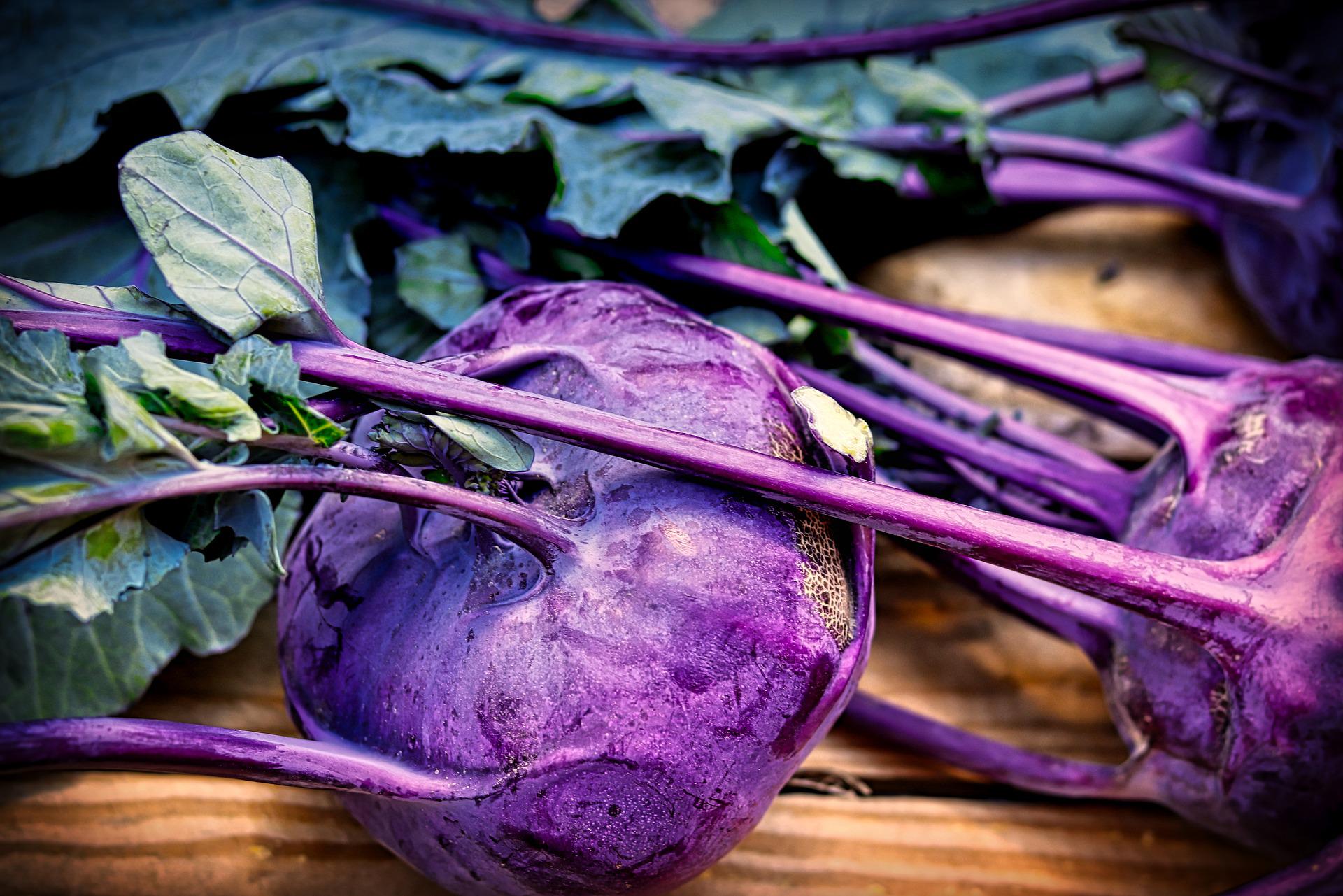
The purple cabbage
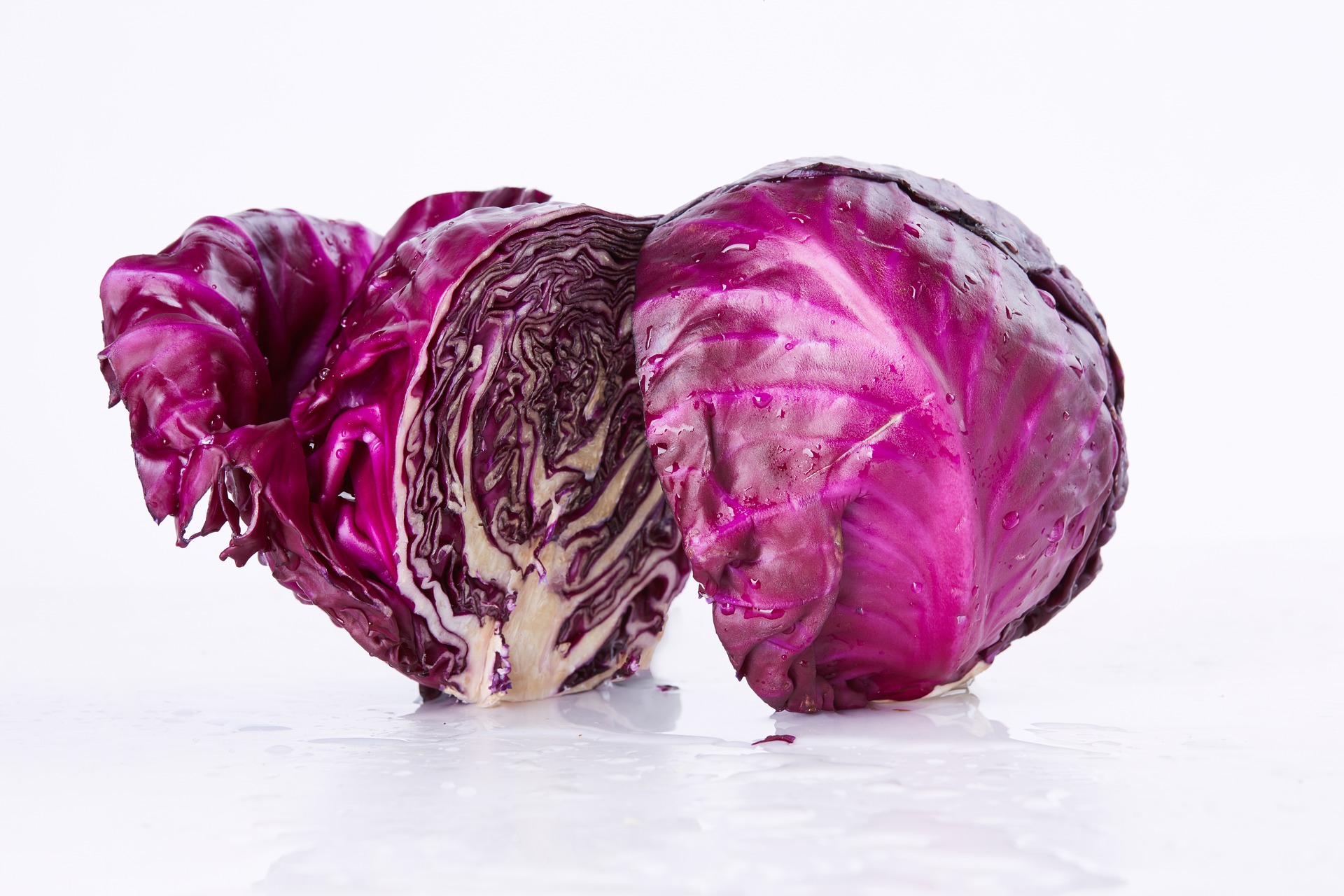
Red cabbage is a cultivated variety of wild cabbage. Its dark red or purple colour is due to anthocyanin, which varies depending on the pH of the soil. In more acidic soils the leaves are purplish, in more alkaline soils they are greenish-yellowish. Named for its dark reddish purple colour. It is thought to have originated in ancient Rome, although there is no concrete evidence for this.
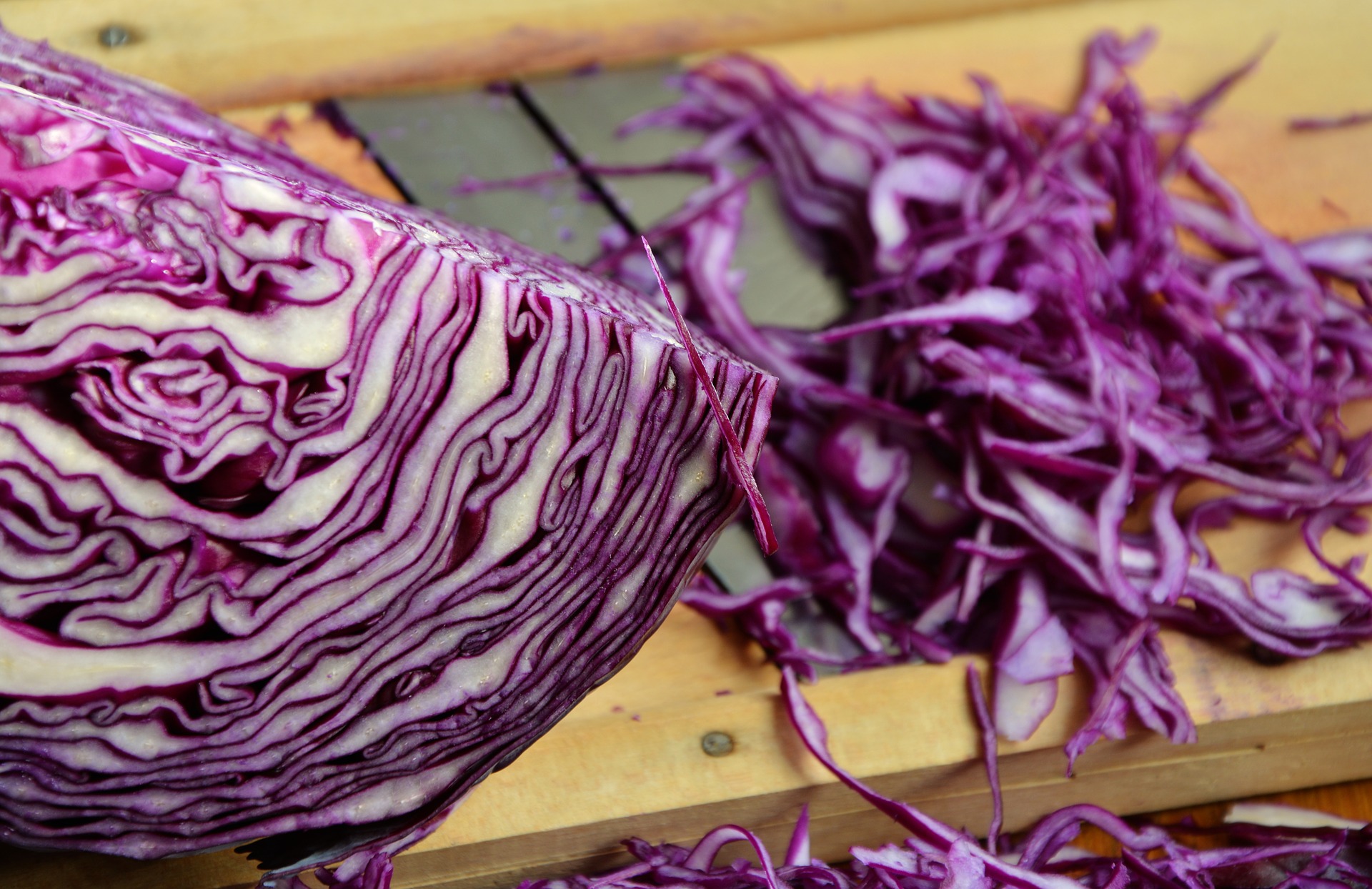
Purple cabbage is a vitamin bomb
There are many healthy ingredients, but few like purple cabbage. It's high in fibre, good quality carbohydrates, and packed with vitamins, potassium and other essential minerals. One of the wonderful its effect is linked to digestion. Purple cabbage has more vitamin C than oranges. Rich in antioxidants, it is recommended for the prevention of cancer. And for ladies, it is the perfect rejuvenating agent as it can help keep skin looking young and prevent wrinkles. Its high vitamin A content can boost the immune system and it is very useful in detoxification, improving metabolic processes. Eaten raw, it can help strengthen bones and prevent joint pain and inflammation.
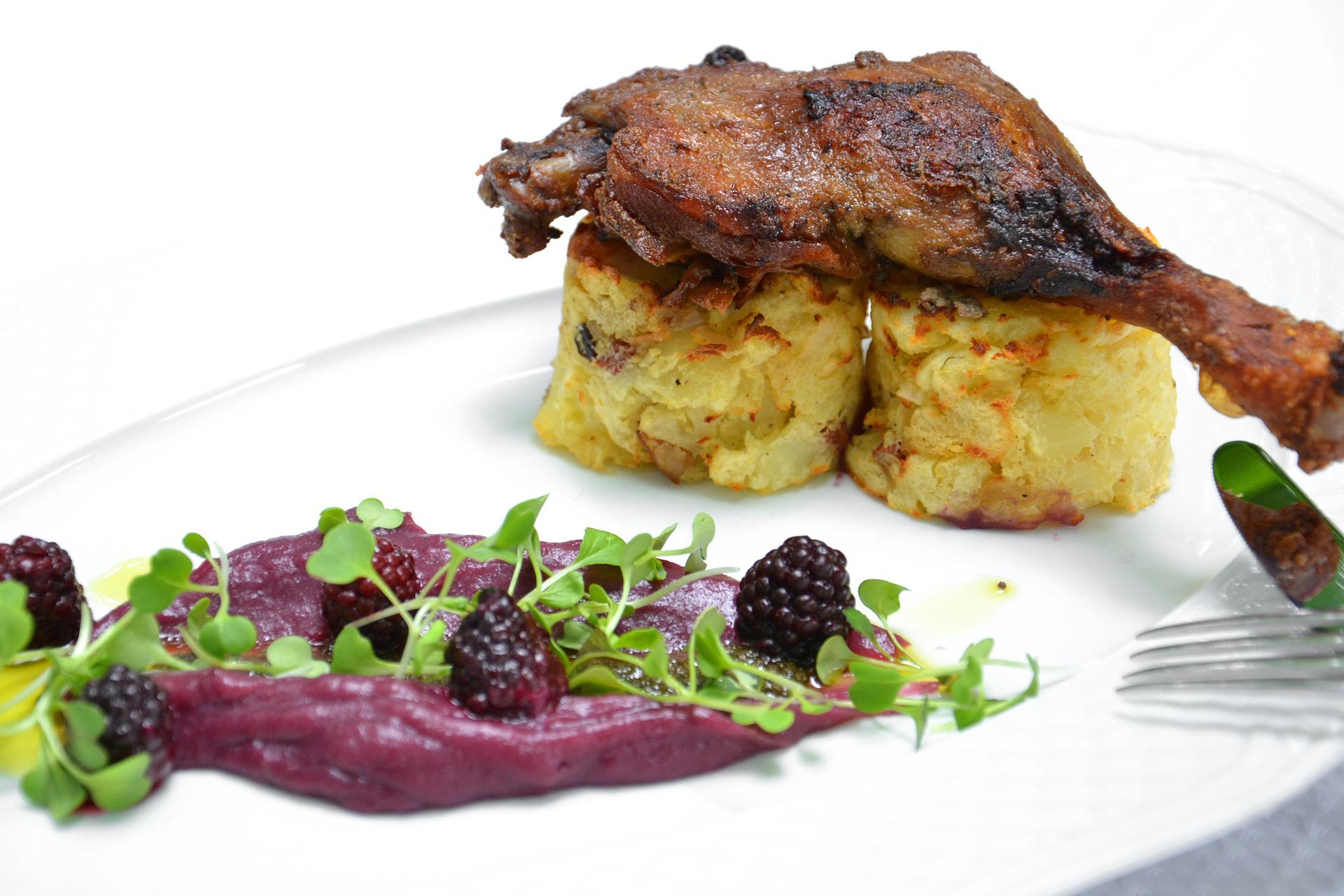
Purple cabbage in the diet
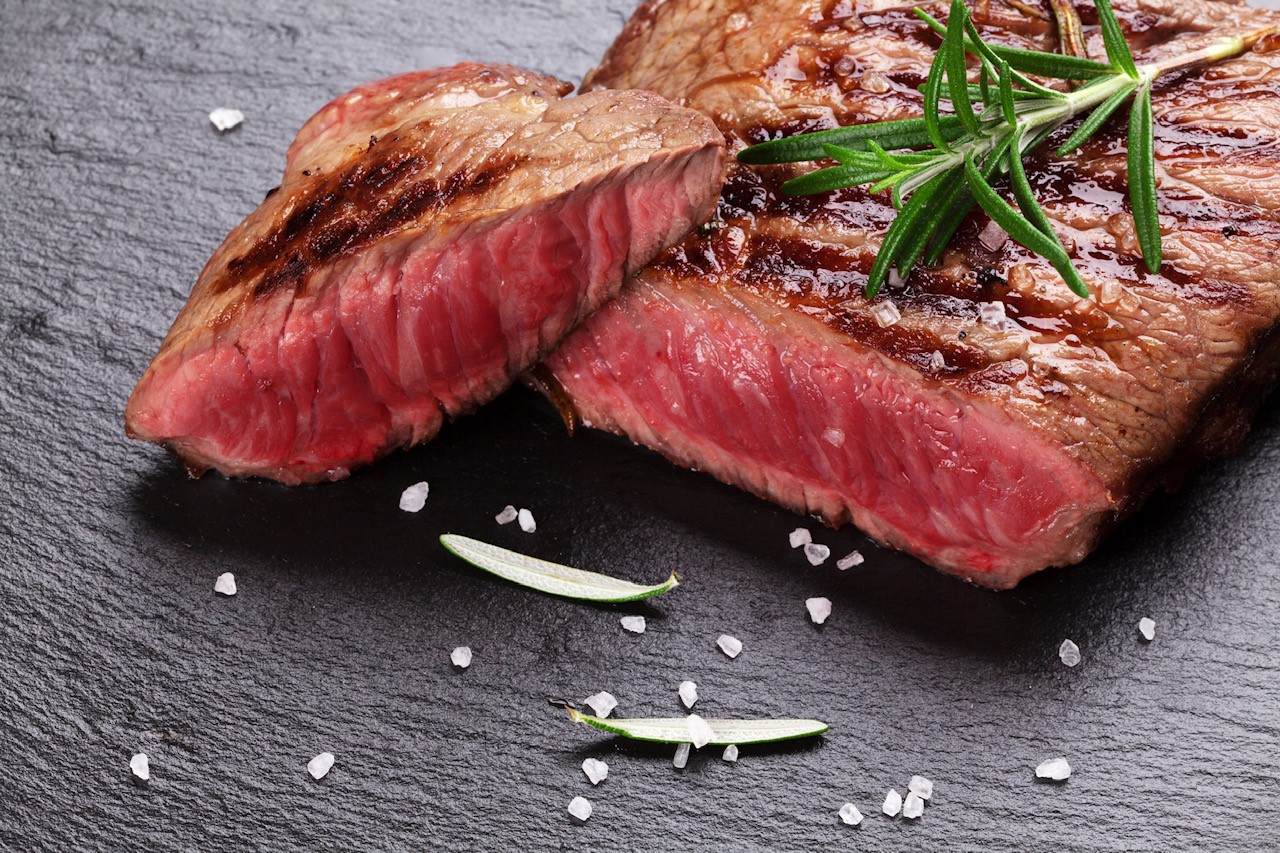
It can be eaten on its own, as a salad, or fried suddenly. Grilled or steamed as a side dish, it is a good accompaniment to meat. It can be used to make pickles. Because it contains fewer calories but a lot of nutrients, it is ideal for diets and dieting.
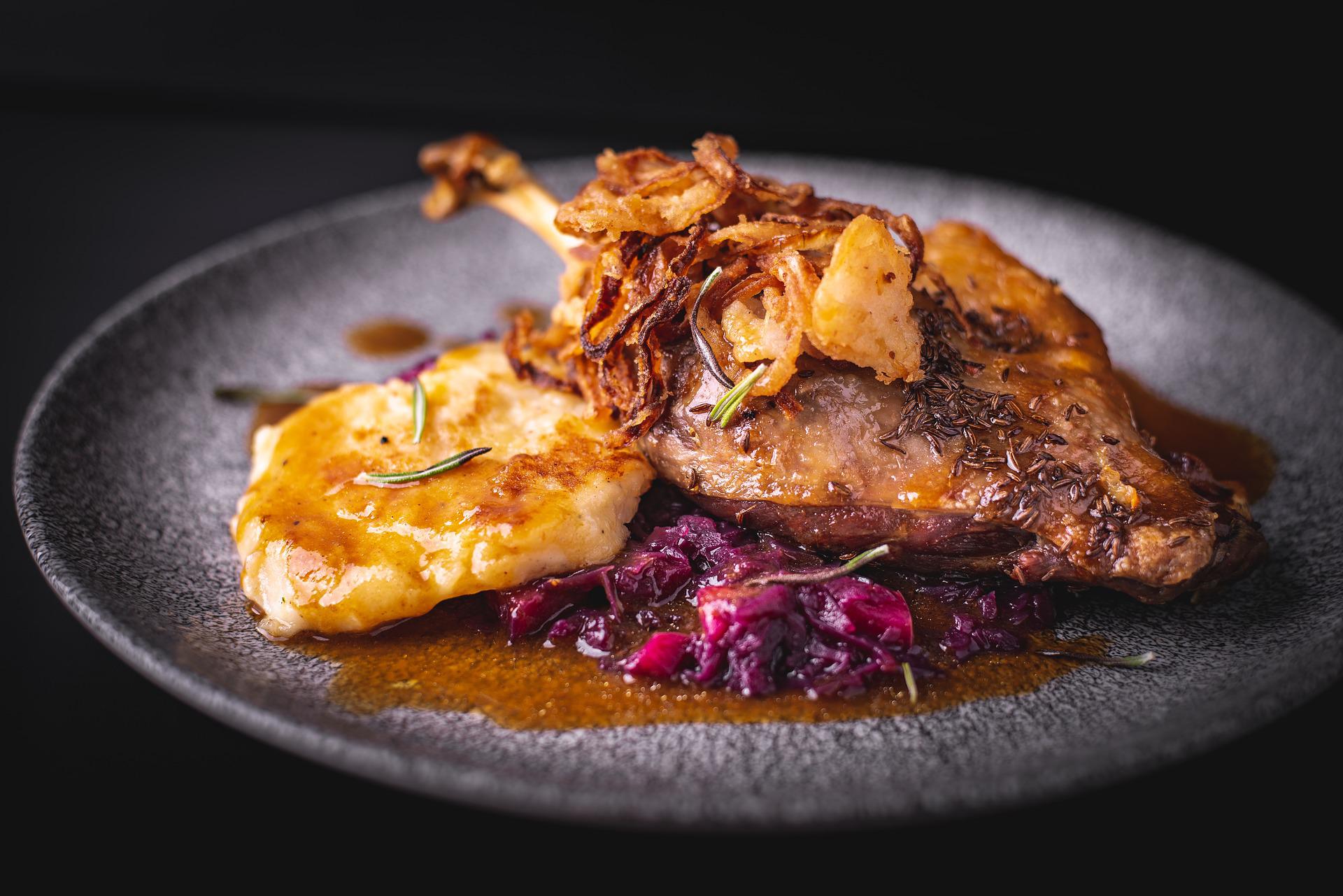
The steamed cabbage
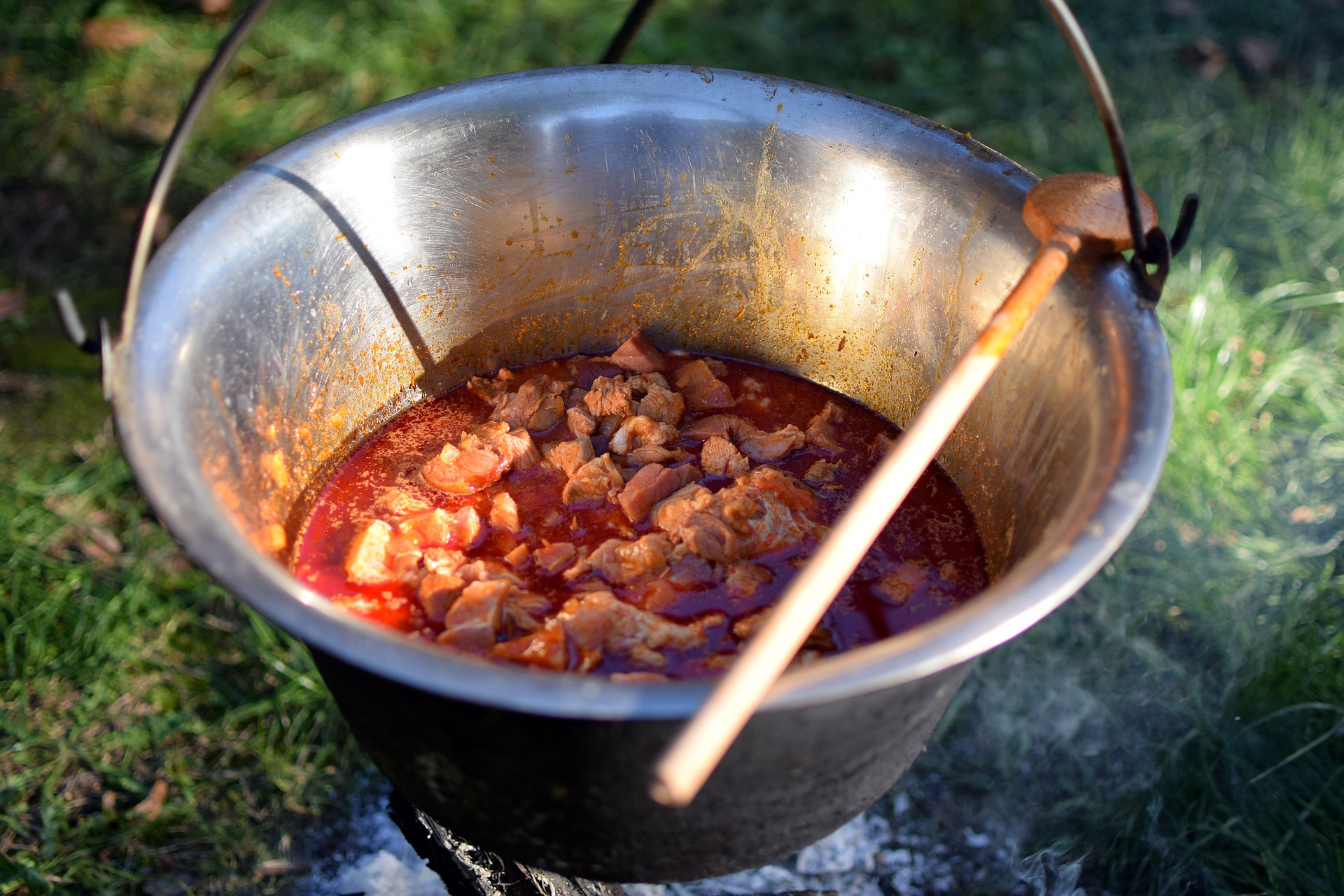
Steaming over a slow fire. In most cases, the ingredients are cooked in their own stock. If this is not sufficient, water, wine or other recipes supplemented with the liquid recommended by. This is done under a lid, which allows them to soften. They retain their colour, their flavour and their consistency remains elastic.
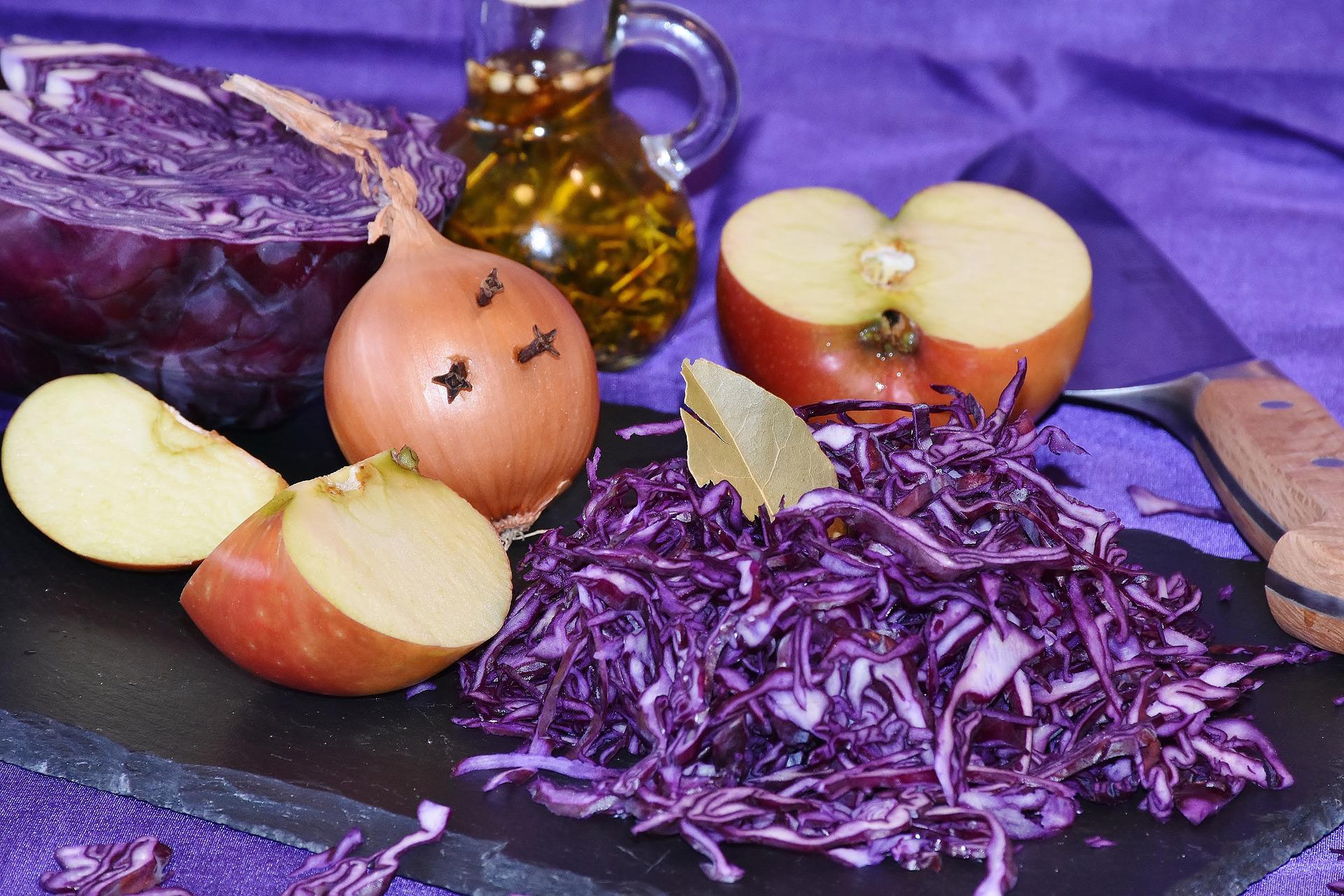
It is important to remove damaged leaves from the cabbage. These can spoil the flavour. Rinse, dry and cut into thin strips. Do not use the tough centre. Use a large pot, heat oil and fry onions until translucent. Now the basics are ready. Then add the sugar and caramelise it, stirring constantly, taking care not to burn it.
Preparing cabbage by steaming is easy. That said, mistakes can be made, so commit to the pot and watch it. A matter of time, the aim of which is to get the cabbage sufficiently soft. Add the chopped cabbage, salt and cumin. Mix thoroughly, taking care not to break it. If the cabbage has less juice, add water if necessary. Simmer under a lid for 20-30 minutes, stirring occasionally and tasting. Season to taste and taste.
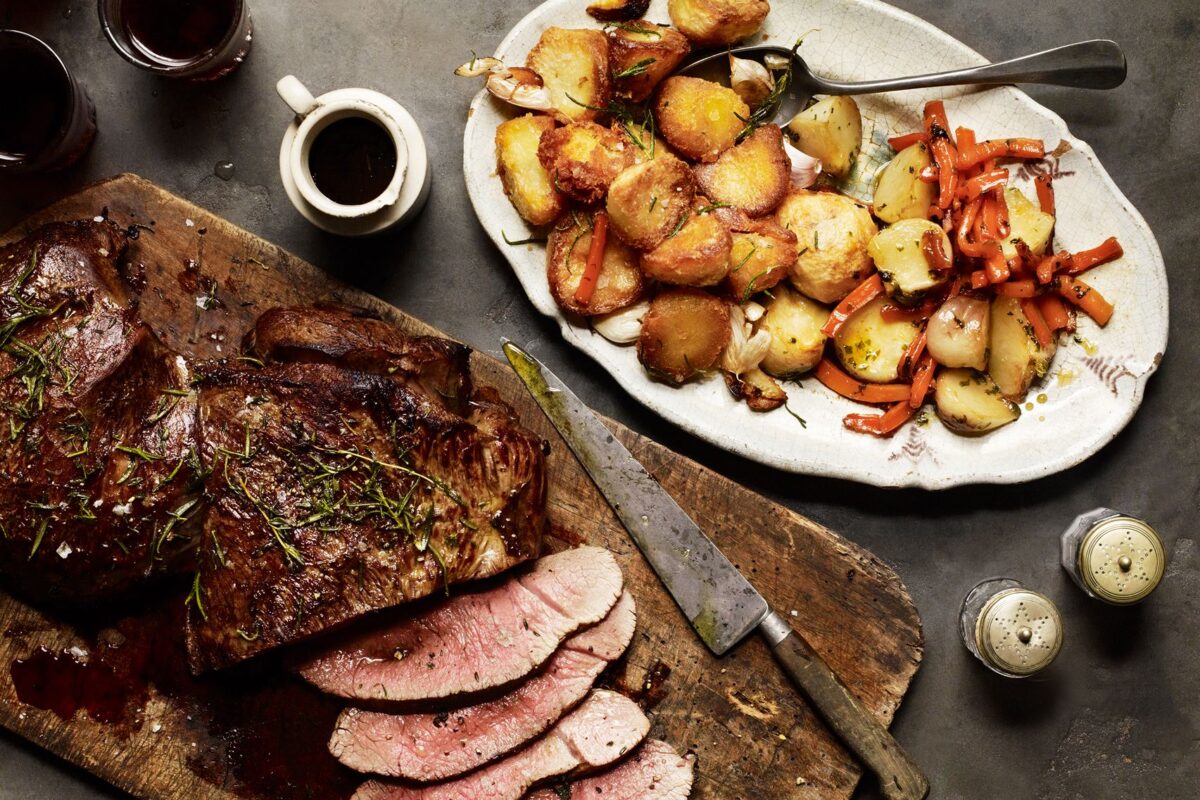
You can use red wine or champagne. As the alcohol evaporates, it is suitable for the whole family. Steamed cabbage is the perfect accompaniment to roasts and fatty meats. A perfect year-round dish that has been with us for hundreds of years. As it is one of the vegetables that retain their full nutritional value when heated, it is recommended for consumption.#