






There is a renewed focus on fermentation and fermented foods, which are not only delicious and tasty, but are also touted as a medicine for the gut flora. They can be easily prepared by anyone, anywhere, from anything. We show you how!
Fermentation is a very old method of preserving vegetables. Many people identify it with sauerkraut, but it's a little different. It's made without any preservatives or unnecessary additives, which ends up creating a flavour like no other. It is not only made for its enjoyment value, but also to replenish the vitamins that the body is lacking by eating it regularly.
Cheap, simple and environmentally friendly
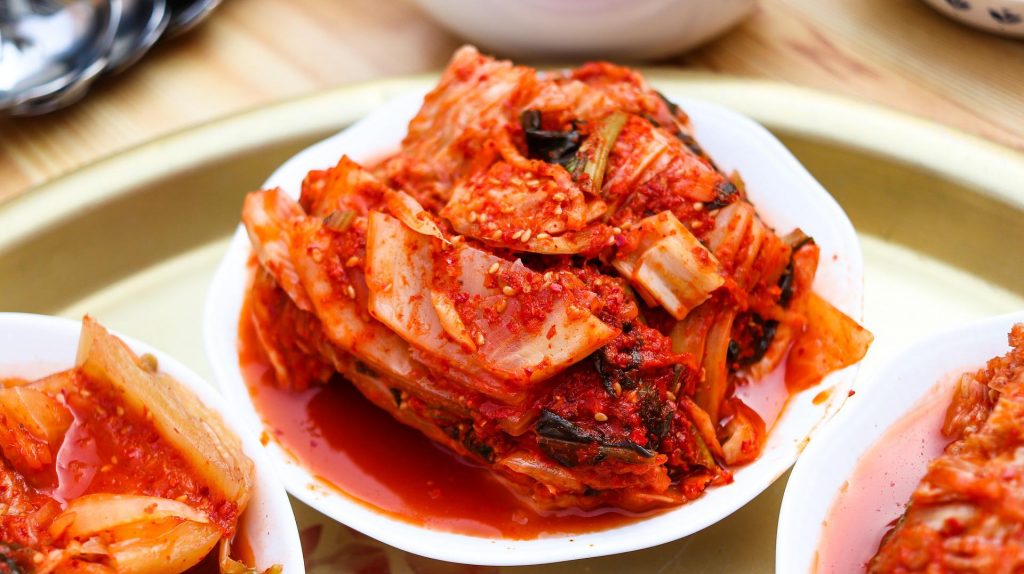
You can ferment almost anything, you just have to choose the time and the way you want to ferment it, and the recipe for each vegetable. A popular one is kimchi, described in our previous article, which is based on kale and is a staple of Asian cuisine. You can also ferment carrots, beetroot, onions or even cucumbers and courgettes, but for softer ingredients you may want to add grape or cherry leaves to keep them firm. Fermentation can also be made from a combination of leftover vegetables, as the end result will always be crunchy, salty and slightly spicy, with the famous fifth flavour, umami. From umami is what everyone is wondering what it is, how it came about, what it looks like, because it's divine. Fermented vegetables can be served in soups, as a side dish, with pasta or just on toast. They are very inexpensive to produce, so it's worth saving a lot of them for the winter months.
Natural probiotic
Fermentation is a kind of “pre-digestion”, which makes it easier for your body to do its job. It takes much less energy for our stomach and intestinal tract to process fermented foods, so it is less taxing on them and does not cause bloating, stomach pain or food intolerance.
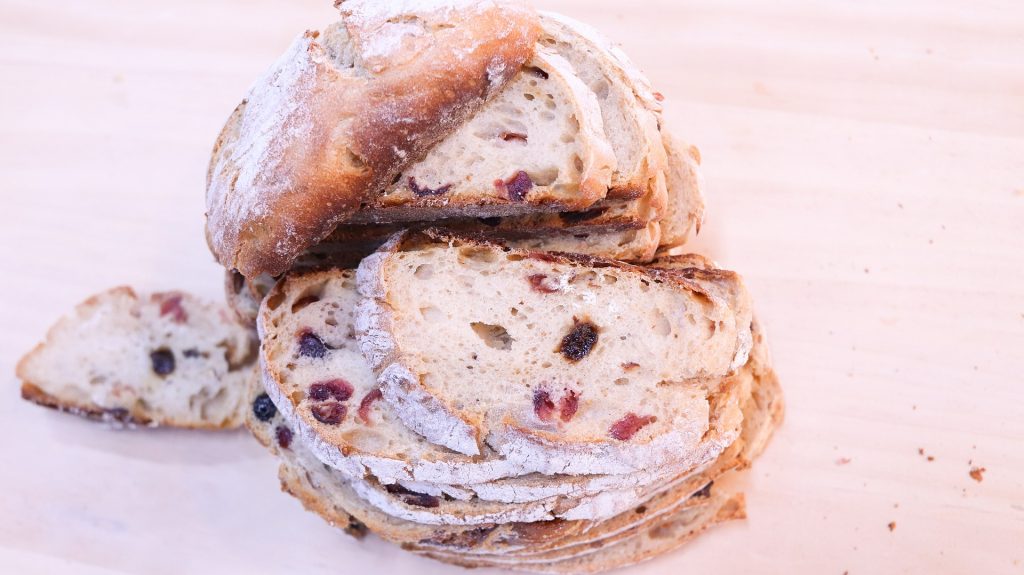
The fermentation of vegetables and fruit is done by lactobacillus bacteria, which are also found in the air. Because of the name of the bacteria, the process is also called lactic fermentation, but the have nothing to do with lactose and milk. Dairy-intolerant people are also welcome to eat fermented foods! There are many fermentation processes, but they vary depending on the food. For example, soy sauce, beer, wine, kefir, vinegar and sourdough are all made in this way.
Did you know? Cereals can be fermented, like rice, millet, buckwheat, which is often used as a cheese base for vegans, just inoculated with cheese culture.
Rumours, legends and misconceptions
People who are not familiar with the fermentation process often ask: Is fermentation the same as roasting? The answer is always no. There is a huge difference between the two, first of all that while fermented food is not only edible but also healthy, rotten food is downright harmful. There are good bacteria and bad bacteria, and good bacteria are only produced during fermentation. Not to mention that while one is tasty, the other is inedible. That's why fermentation has its own method of how to go about getting the perfect fermented vegetable in the jar.
The basics of fermentation
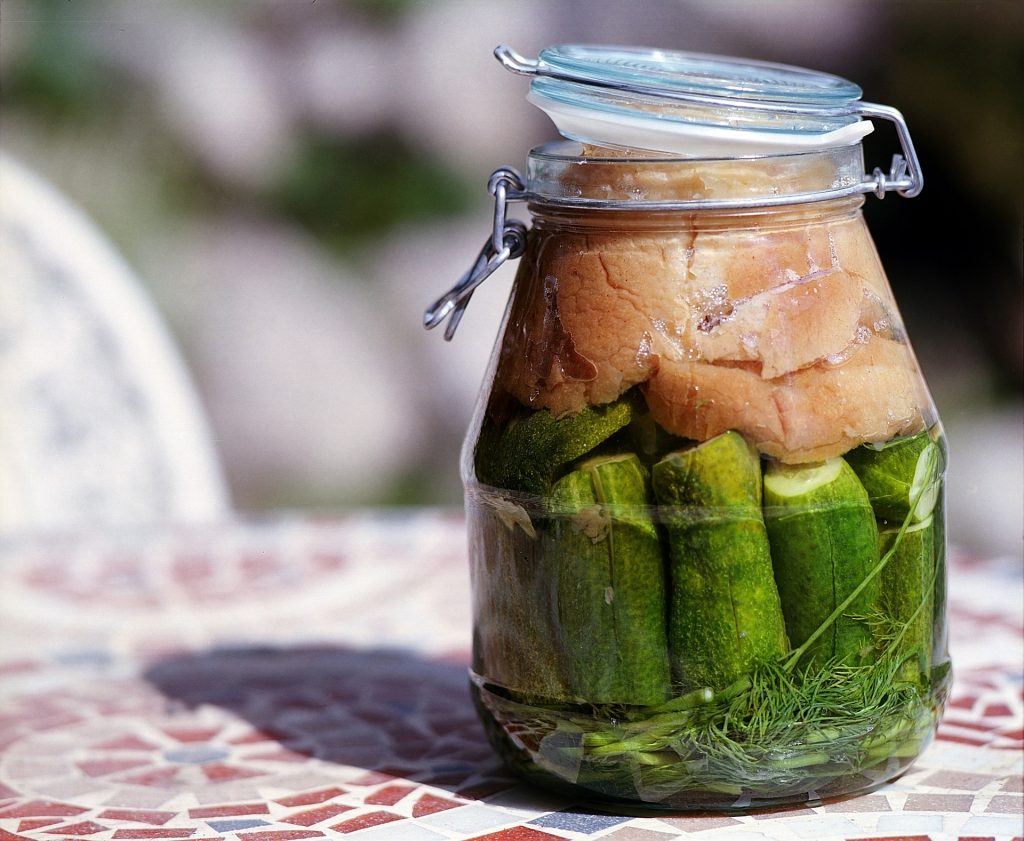
We need to prepare brine, which we pour into a large jar over the sliced vegetables. The brine should cover the vegetables, but you should always leave a little space under the roof. Then cover and store for 2-3 days, then taste. Some people swear it is best after 4-5 days, others ferment it for up to 40 days. It depends a lot on the temperature, the vegetables and the spices used to flavour it. It will keep for months if kept in a cool place.#