






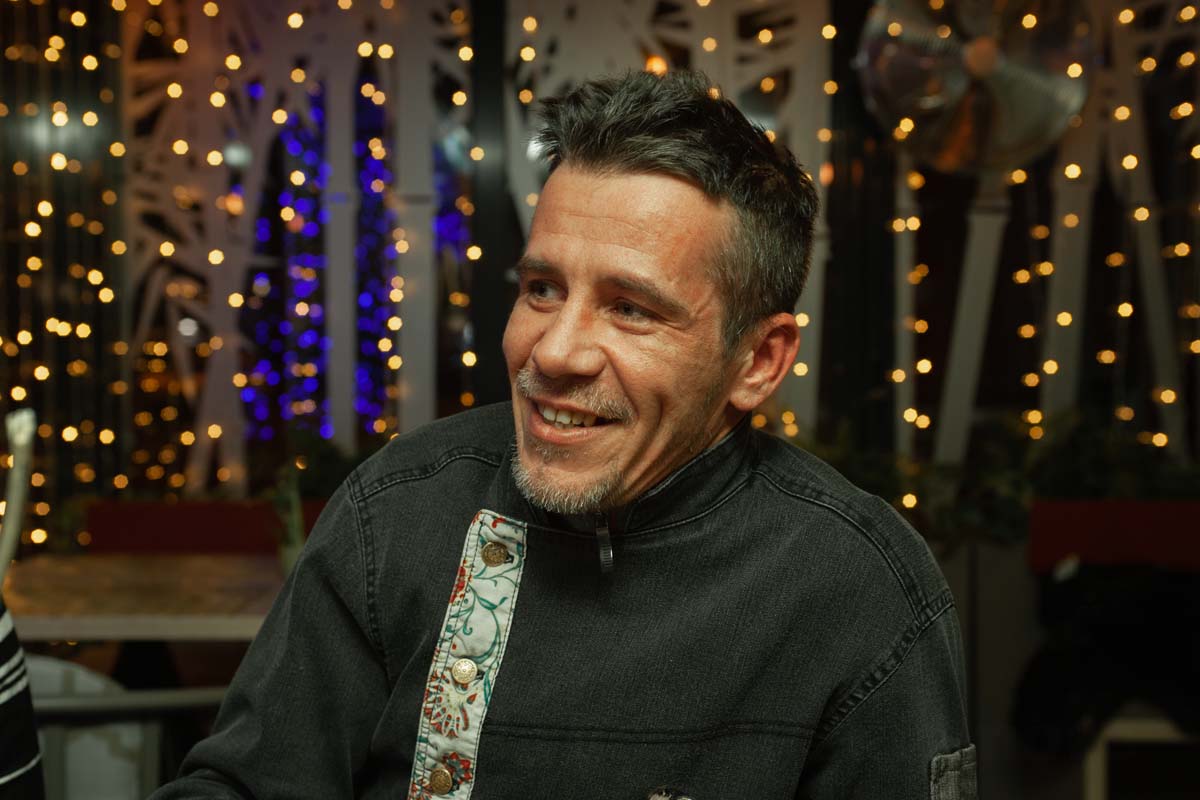
Chef Dániel Varga - who is currently working in Hungary, but his heart is drawn back to Thailand - told us what enlightenment, Asian cuisine and traditions mean to him, which we in Europe cannot follow.
He was a terribly bad child, always looking for something different, something unique. That's what made him who he is now, and his heart Asia. She grew up on her grandma's recipes, school gave her the professional foundation, and she learned more and more through work. If you remember the animated film Lecsó, you will understand how her eyes were opened by the experience. Why vegetables caramelize, how textures can be varied. A chef can create wonders with from raw materials. From a simple „chumi” chef, fate and curiosity, professional humility have made him one of the best Asian chefs in our country. During his years abroad, he returned home a completely different person. His name is associated with the AUM Restaurant, where he burst onto the scene a few years ago and amazed the industry. Asked then how he could cook so authentically, he simply replied „Because I am Asia” - and he was!
How did you become an expert on Asian food as a Hungarian chef?
It's a simple story really. I finished school and started working at home. I did what I was taught and then a few things changed my perspective. At first the realizations came at home. Nicholas Kürti, the Hungarian-born „chef”, the father of molecular gastronomy, caught my interest. Then Anthony Bourdain's series, when he went to chefs like Thomas Keller and put more salt than spices - I knew him at the time. I was amazed that such a thing existed. Then I simply started to investigate and I found out, you need to see the context. If you see and feel what happens to the raw materials from a completely different perspective, a into an infinite and magical world can slip in. It was a shocking realisation for me. From then on I cooked consciously.
How did you end up in Thailand?
I worked in an Italian restaurant on Váci Street. Since my chef was busy, he asked me to cook a private dinner for him. I did, and after that I started cooking privately on a regular basis. I also developed a good personal relationship with a businessman. The result of this was - to my utter dismay - that I was asked to run a hotel restaurant kitchen. However, I looked up when I was told that it was in Asia, in Thailand, and I already had my plane ticket. Needless to say, it was a very big decision. I accepted it, and the most intense, intense time of my life followed. I spent five years there and it changed everything. I absorbed the culture, the way of thinking and the gastronomy. What I now know is that the secret to success is to dare to take risks. I made the right decision then and there. The cuisine out there is also completely different, puritan, one might say, from what we are used to here. But the atmosphere is great, people are always interested and don't speak English. So for the staff, to be able to ask for ingredients, to explain work processes, it was important to learn the language. I actually taught them everything. But the way it works there is that if I asked for something, they did it precisely, as I showed them. And the best thing is that they are so conscientious that from then on they did it exactly the same way. In a word, I worked with 40-50 unskilled people. Of course it was difficult at first, but after a while it all came together nicely. What I would also like to point out is that I have never seen such cleanliness anywhere. They are extremely attentive to their surroundings, and this is also true of the kitchen.
Outside, you could make it happen. What was the reason you came home?
The reason is very simple, because of my relationship. I went out with my girlfriend, but life is very different there, the rhythm is different, the habits are different. She just wanted to come home. Eventually, my relationship got to me. If I'd gone out on my own, I'd probably still be there.
What has your time outside given you?
I learned an amazing amount. Not just in terms of gastronomy, but also as a person, I have a different way of looking at the world. I have simply learned to think differently. Which applies to everything, if I want to act consciously, nothing will succeed. You have to let the energies flow and swim with them, then you can move in the right direction. In the meantime I have mastered the Thai language and embraced the whole wonderful world. Everything is completely different there, they don't live for material things. After I moved back home, I realised that the way to tranquility is through noise!
With this experience behind you, what does Asian cuisine really mean?
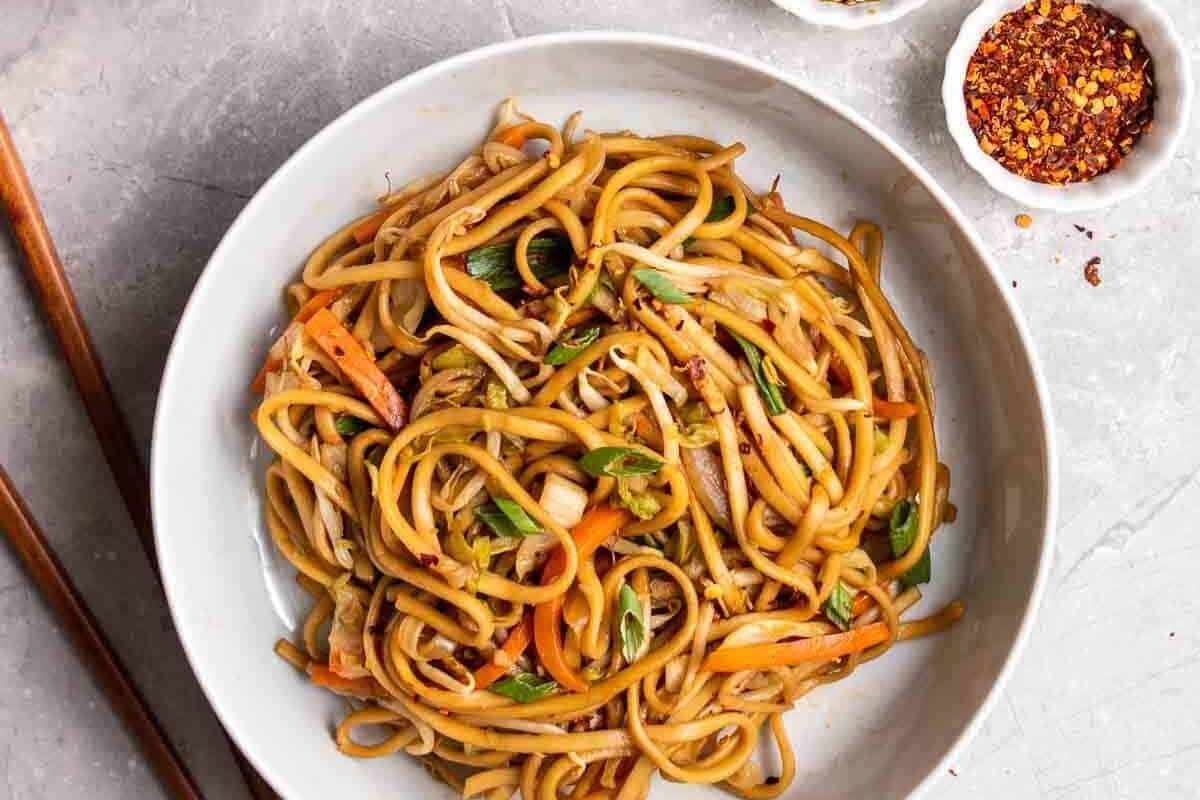
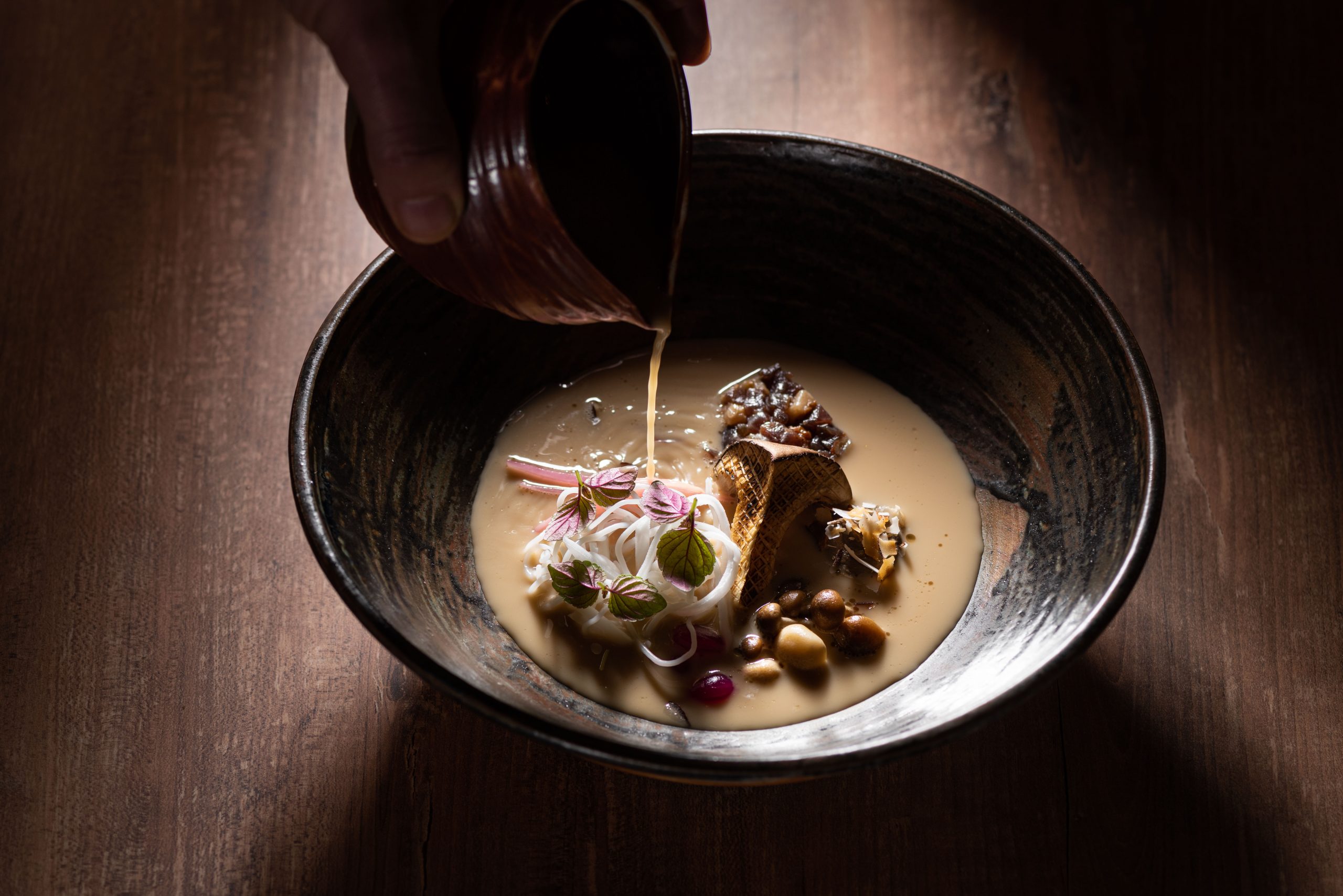
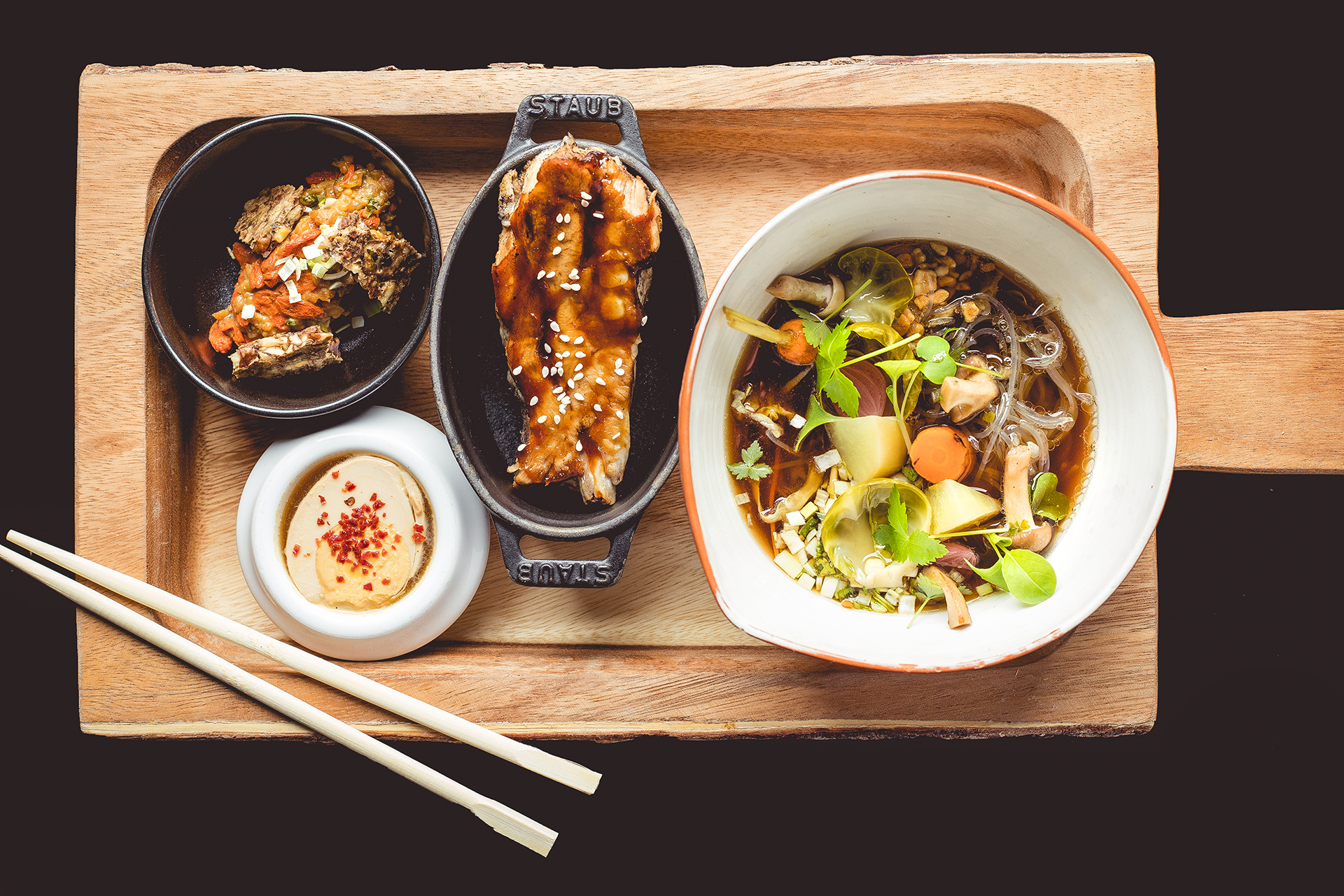
Quite simply, there is the unprofessional cooking that they do. It's a strange contradiction, because they are conscious of their food, but not conscious of the way they use their cooking techniques. Here is this master soup base. We've adopted that here in Europe, but it's laziness there. In Asia, when you go out with your rickshaw to cook and make the soup, after a while you get fed up, you get bored and go home. The next day he starts the next day with the leftovers. The thing about Asian cuisine is that they don't really have a kitchen at home. They don't cook in the household, everyone goes to restaurants. The way it's set up is that every two or three hundred metres there is a „restaurant” where one or two people work as a family business and cook what they have learned from their parents. In English, 4-5 meals at most. Tradition is very important to them. You have to think of it as not a few hundred years old, but a thousand years old. recipes cook without any changes. That's because the kitchen technology doesn't change either. When they make curry, they still use a mortar to crush the spices. The most important element is „mise en place”. There everything is made to order. There is a saying that if three padthai are made in a wok, an Asian child will cry. So you can't have that there. One wok, one dish for one person! But it's also very quick to prepare.
What is the most important thing there that everyone is paying attention to?
Definitely the umami taste effect! To find the sweet with the sour, the salty, and the overall effect of it all. But they cook with their guts. They don't fiddle around for hours like we do in Europe. They don't taste, they don't measure, they don't read recipes all day long. They don't think, they don't weigh up technologies and fiddle with ingredients. Although everything is fresh there... They just cook the way they feel. That's the secret. Everything is made with fresh ingredients, and they don't spend hours creating the food like we do, but can throw it together in as little as ten minutes. They don't overcook anything, they make it crispy and crunchy, even the fish, which they dry and marinate overnight at most. There's no food there that they won't try. It sounds funny, but what they find, they eat. It's perfectly normal to eat seafood, bugs, larvae - because of the protein content. They fry them nicely in a nice fat frying pan and, like chips, chew them as they go.
What are the most important ingredients you would never miss?
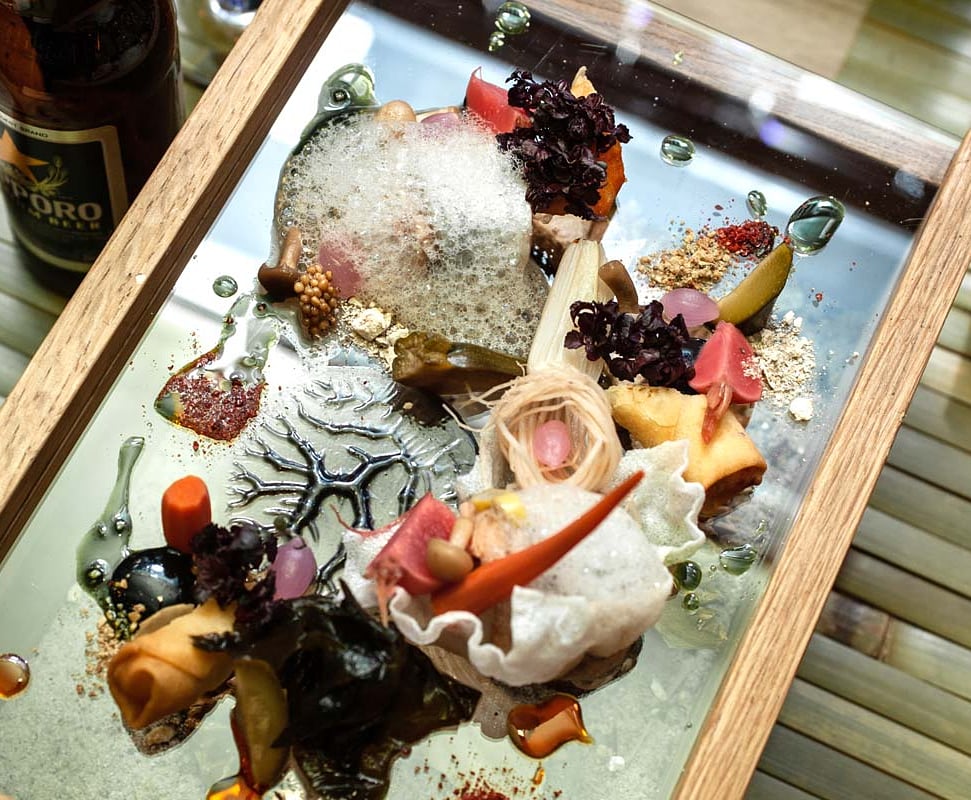
The basics are vegetables and rice. These two are the basics. What you should know is that a Thai eats at least two kilos of rice and about 300 grams of chilli a day. But the way they eat is also different, it's not like us, where they eat, say, three meals a day. They eat every hour, they always eat something. Interestingly, there are no obese people, no people with glasses, and everyone has healthy teeth. I've been thinking about this a lot, that there might be some connection with the fact that they are always munching on vegetables. What is definitely important is soy. There are lots of varieties, and all the time, everybody uses it. Unfortunately, in Hungary there are only a few varieties and that's it. But out there you can find thousands of flavours and ingredients, they use different ones for every ingredient. I have to buy them from outside if I really want to make an authentic dish, because they are not even available in Europe.
Are there any similarities between home and Asian cuisines?
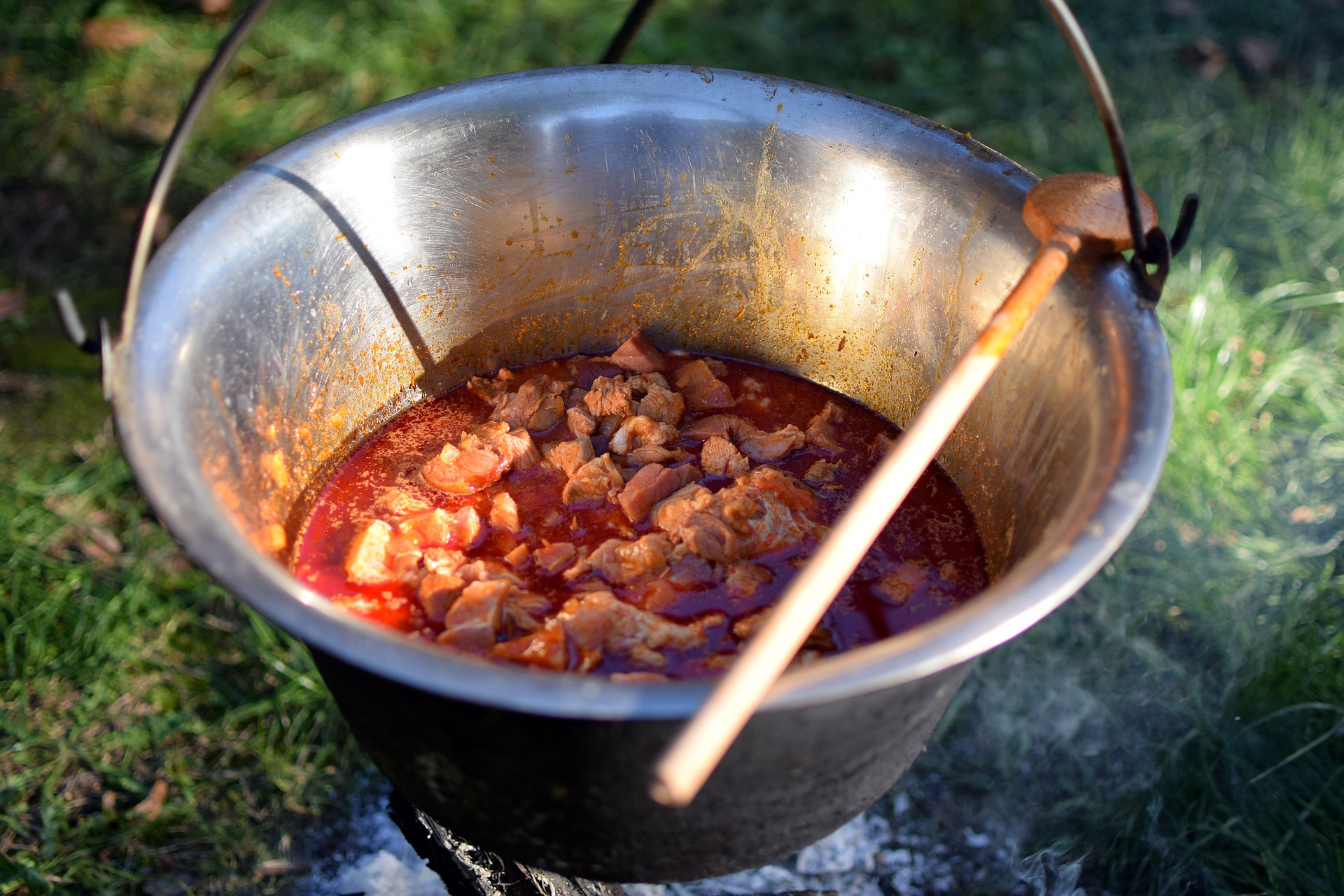
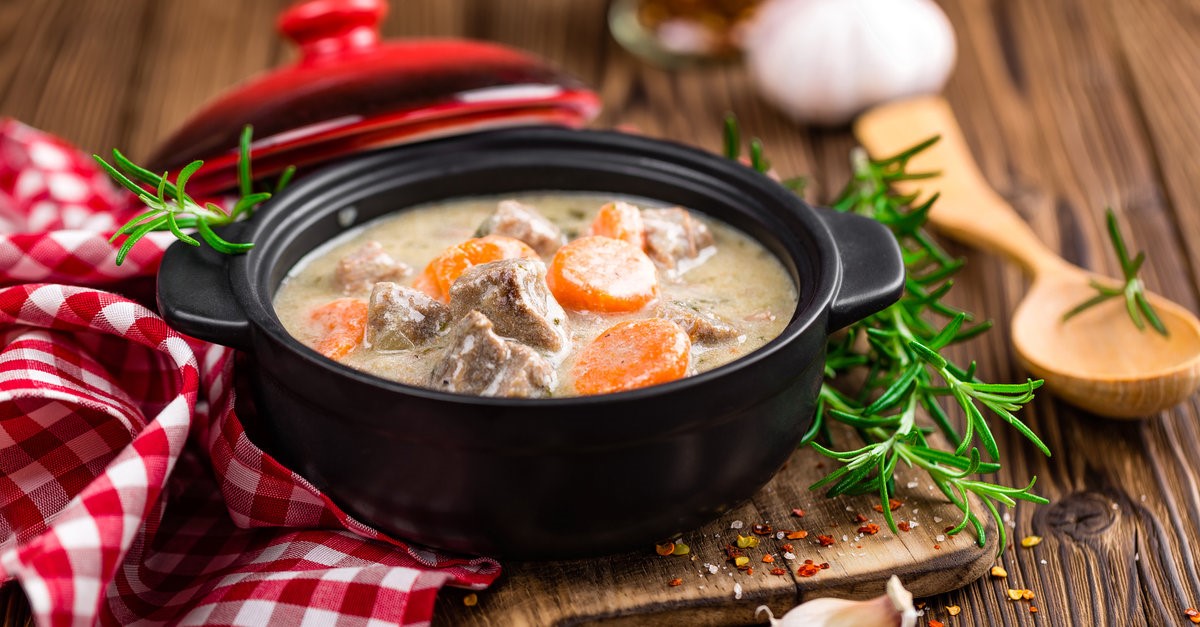
More than many people think. I have also found in Asia the characteristics that Hungarian cuisine uses. For example, I make masaman goulash because it's a bit similar to beef stew. I might add that they prefer chicken, including legs, wings and offal. Chicken breast, for example, they don't eat very much.
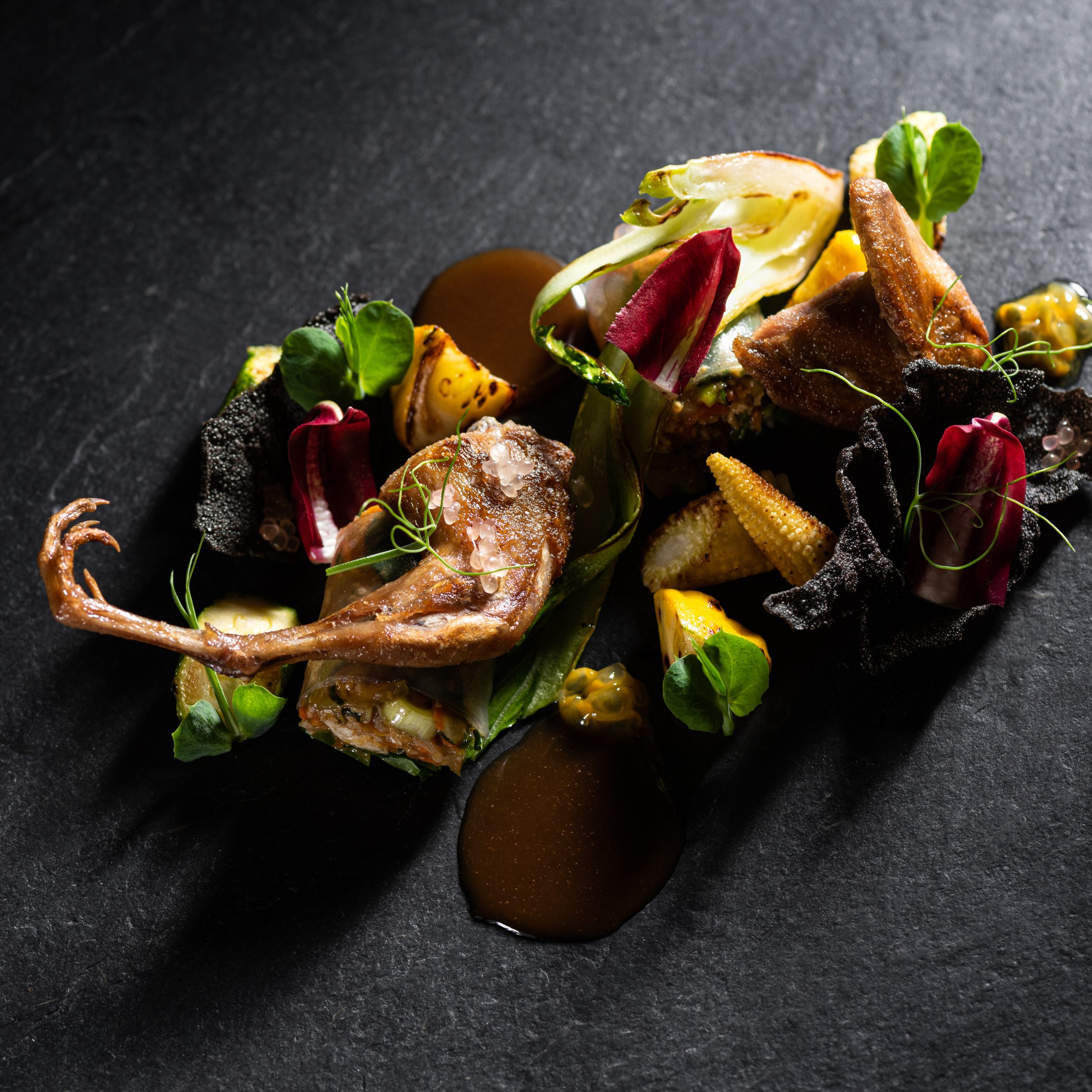
Do they use paprika in Asia?
Yes, because Asian cuisine is very spicy. However, there are also many varieties, flavours and strengths of peppers. If someone thought their spice rack was perfect, they would only have room for the paprika varieties. But the most fundamental difference is that here we often eat for pleasure, as a programme, whereas there they don't even think about that, they just eat simply, but very healthily. They eat a snack every hour or so. They cannot miss fruit, and they eat a lot of it throughout the day.
When and where can we eat real Asian food from you?
I have plans, but unfortunately it's difficult to say for sure at the moment. The base for me now is Tihany. What's for sure is that we're going to set up a soup kitchen in Budapest, where we'll really bring the flavours of Asia. A street food kind of place has to be envisaged, but it's hard to be specific in these uncertain times.