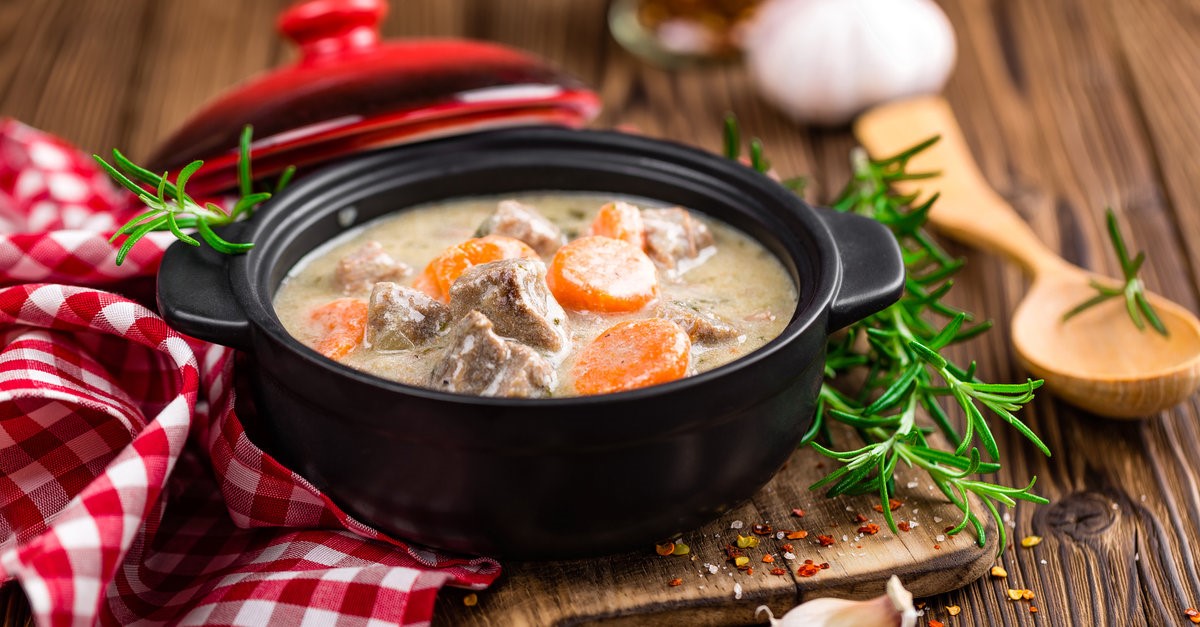







It saves time, retains flavours and enhances shapes if you slice one or two vegetables properly. For every vegetable there is the best way to slice it, how to keep it in the best shape.
You'd think that simply washing the plants, storing them at the right temperature, slicing them with a sharp knife and then starting to cook them would be enough. However, there is a big difference between varieties and how and when to get started in order to get the best out of a vegetable.
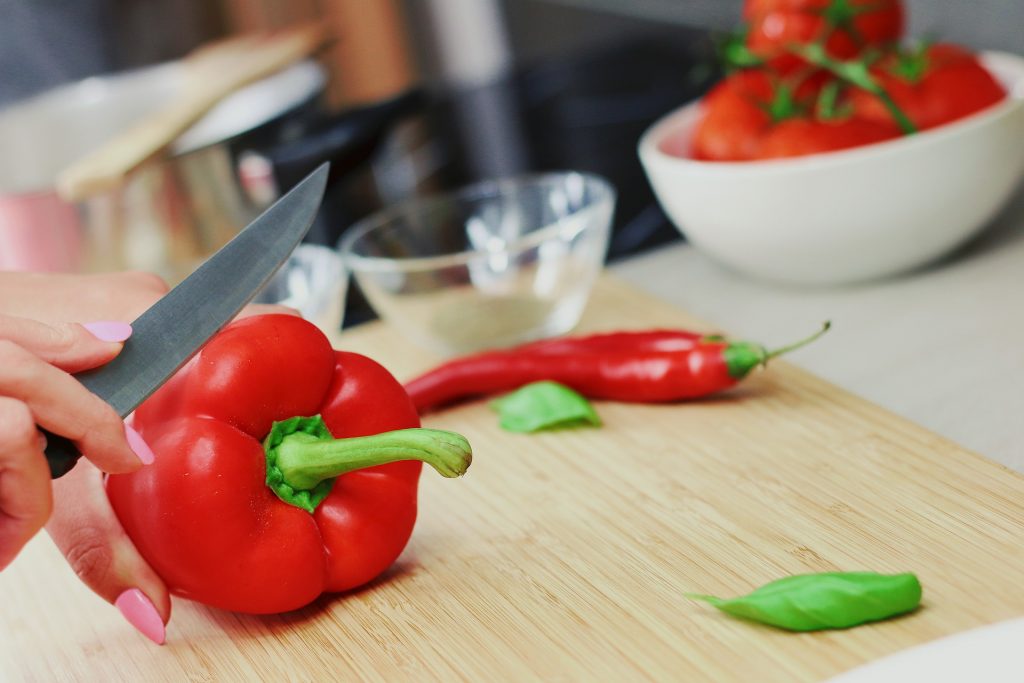
Amy Chaplin, James Beard award-winning chef and cookbook author, has decided to collect, describe and demonstrate how to slice the most popular types of vegetables. She is convinced that it will be a great help to experienced chefs and novice cooks alike in their work.
Labour shortages - here is the solution
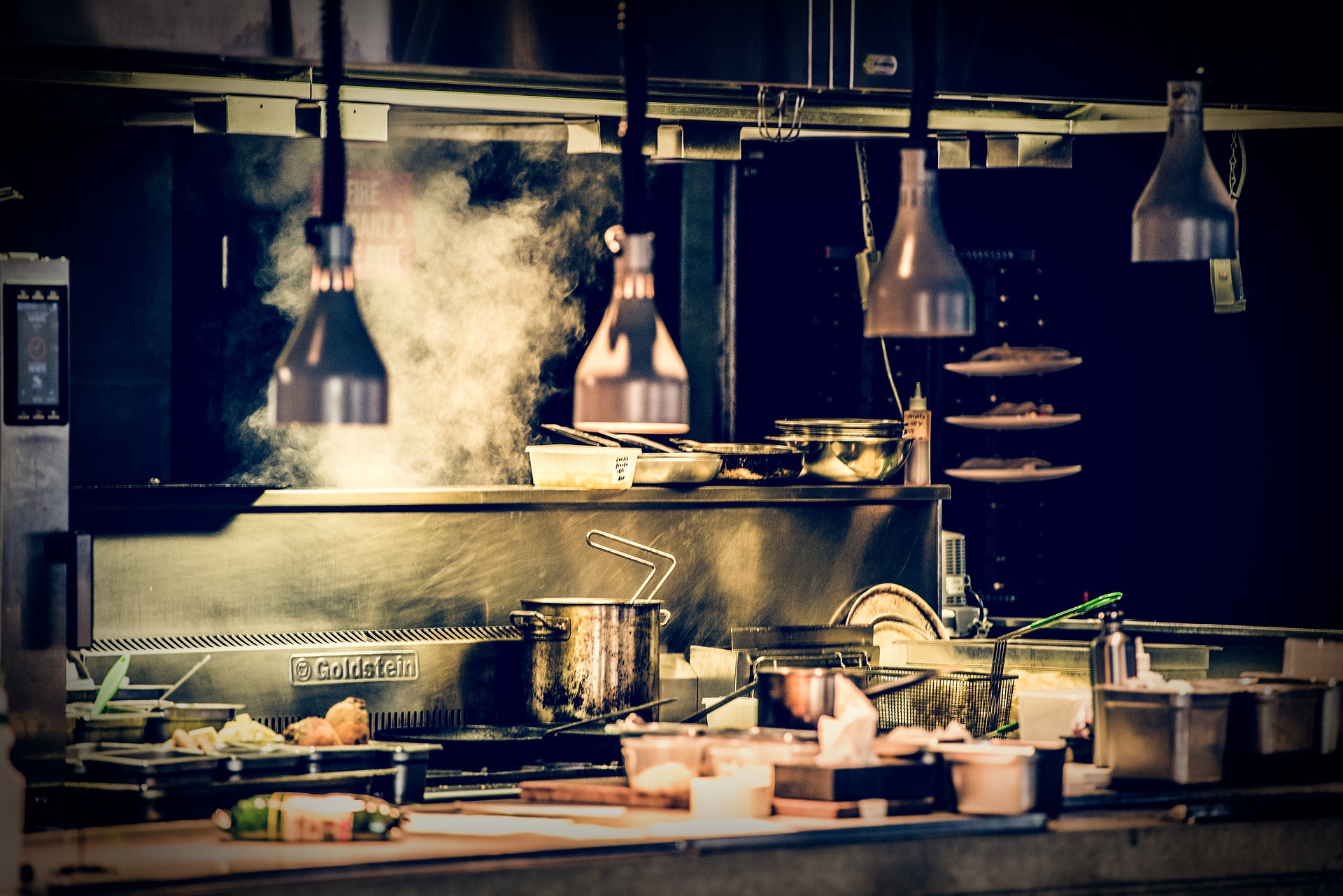
The catering industry is constantly looking for people, so owners and chefs are trying to find a different way of being in the kitchen. They are downsizing through technology, equipment purchases and sometimes simplification. For example, in the past in our article the kitchen solutions and layouts mentioned, as well as the technologies also. A significant share of the latter is accounted for by the role of kitchen helpers in the catering sector, for example in the preparation of vegetables. Nowadays, a trick or a slicing tool can be a versatile solution.
No waste - being environmentally conscious pays off
Amy Chaplin also teaches you how to use what you can from parts of a plant. If it's an untreated vegetable, you can cook the outside into the stock when you clean it, you can make a puree from broccoli stalks, or you don't need to peel everything - colourful carrots are even more delicious whole, and Brussels sprouts can be served fresh if you use a good slicer. A little thought not only saves time, money and energy.
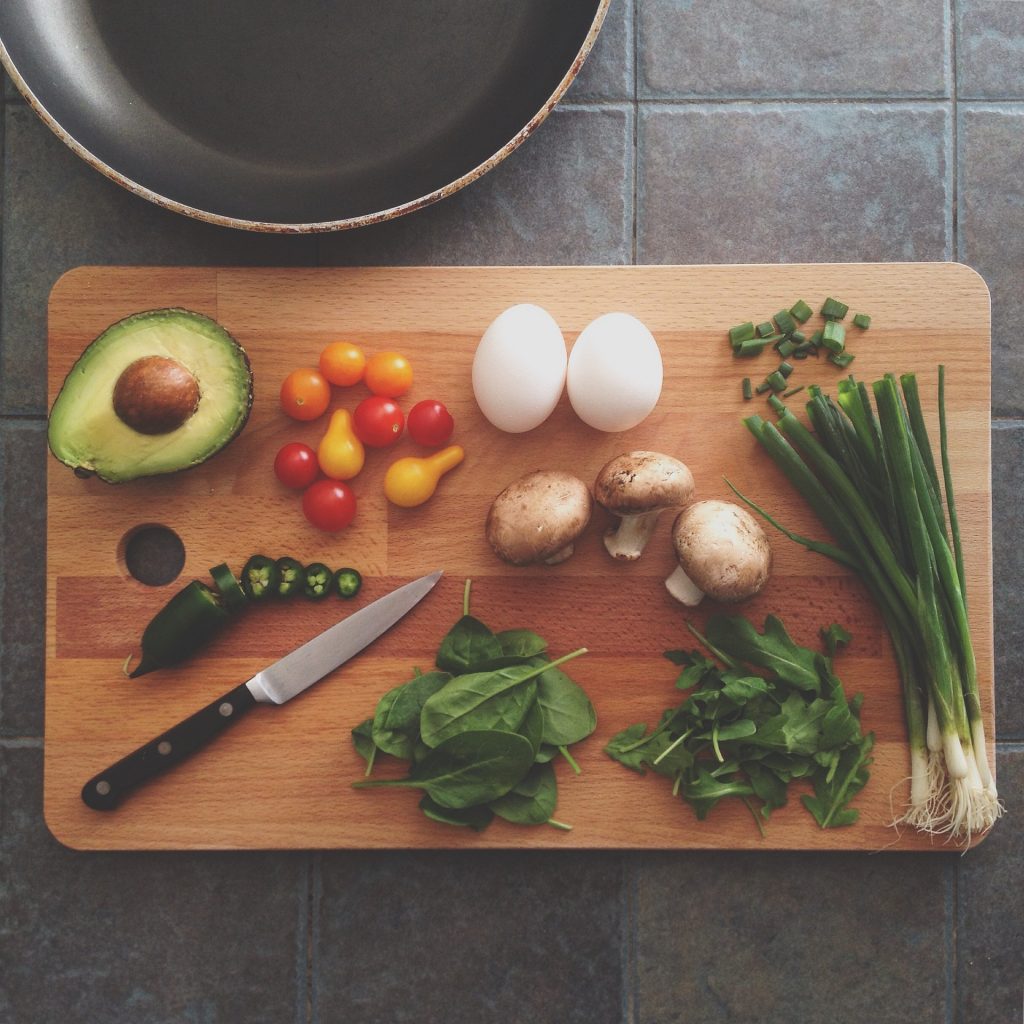
Let's look at the most important ones:
When peeling the Brussels sprouts, it is a good idea to cut a slice off the stem, which will remove the outer leaves. And for a quick preparation, you can also peel the heads off the Brussels sprouts, so they're great fresh in a salad.
The beetroots only need to be cleaned with a small knife at the stem part and most of the green cut off. Blanched and cooked to a crisp, they are more delicious than if they had been cut into rings or strips.
In the case of onions, a large knife is used by experienced chefs to cut the cloves of garlic, which peels off the skin and can be sliced immediately. If you use a smaller knife, the garlic cloves remain whole and can be cut lengthways into nice slices with a large, sharp knife, which keeps the aromatic oils even more intense.
An old trick with ginger and root vegetables is not to use a peeler or knife, but a tablespoon or small spoon to scrape off the skin without loss. Last but not least, it keeps its beautiful shape. Be careful, large amounts can corrode or stain your hands, so use gloves.
Did you know: most of the vitamins in ginger are in the peel, so in smoothies, for example, they are only added washed and peeled.
The salad greens and greens are rolled up by Amy, cut , sliced and always wiped dry after washing, drizzled. It is a misconception that spinach or parsley stalks should be thrown out, as they are the very things that can be used to cook sauces, oils or soups, as they have the flavours in them. Don't throw anything away!
Pulses are best when they are tender, fresh and can be served with their skin on. Green peas are usually peeled and the skins discarded, but it is a good idea to make a stock of pea soup from the skins and then add the whole peas. Serve the fresh green peas on a plate, cut in half and sautéed in butter.
Potatoes differ depending on the type. Most of them are worth dicing or roasting in their skins, but a good number of them are made to be mashed or used only as a base for cream soups or stuffings.
More exciting, gourmet and less unusual ways to slice vegetables Amy Chaplin: How to chop every vegetable in your video located.