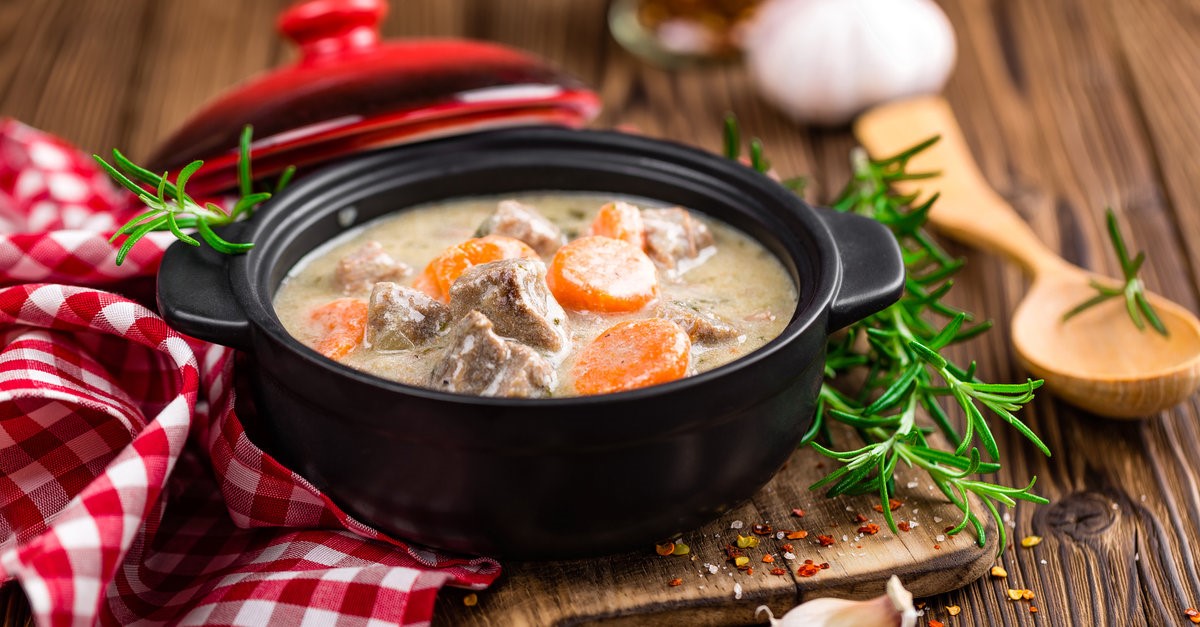







A number of misunderstandings and debates have arisen around the meaning and interpretation of fine dining. Many people, even within the profession, misinterpret it, let alone the uninformed public. The common misconception is that it means mini portions at a high price, smudges and dots that are praised to the skies by the professionals. This is far from the case, because it means much more than many people think.
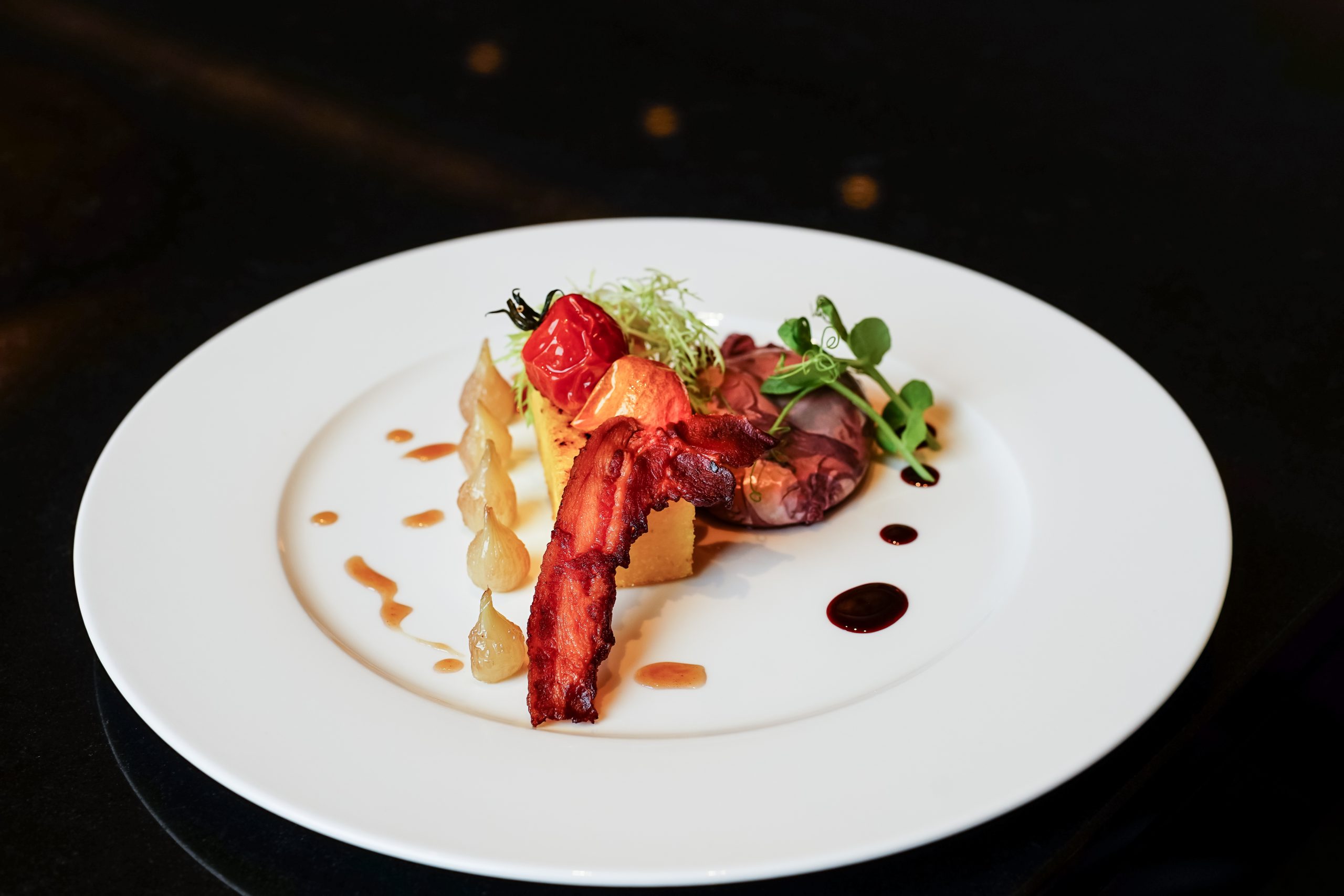
How did fine dining evolve?
You have to go all the way back to the 1780s. That's when its foundations were laid, in France. Even then, there were inns where anyone can come inbut inevitably they also started to become selective. Chef Auguste Escoffier began to take catering to another level. He worked at the Monte Carlo Grand Hotel, whose slogan was “luxury accommodation and gourmet dining” lett. In fact, he started to make more sophisticated dishes and used new ways of serving them. He started doing this simply to make his less well-heeled guests feel like aristocrats. The solution was successful and more and more hotels in Europe started to adopt this method.

By the 19th century, a higher gastronomy had developed in France, and the chefs trained there began to be employed throughout Europe. They were employed by hotels, wealthy families and noble courts. In time, they were not only for culinary entertainment have hired top chefs, but some have also opened restaurants. This process laid the foundations for fine dining.
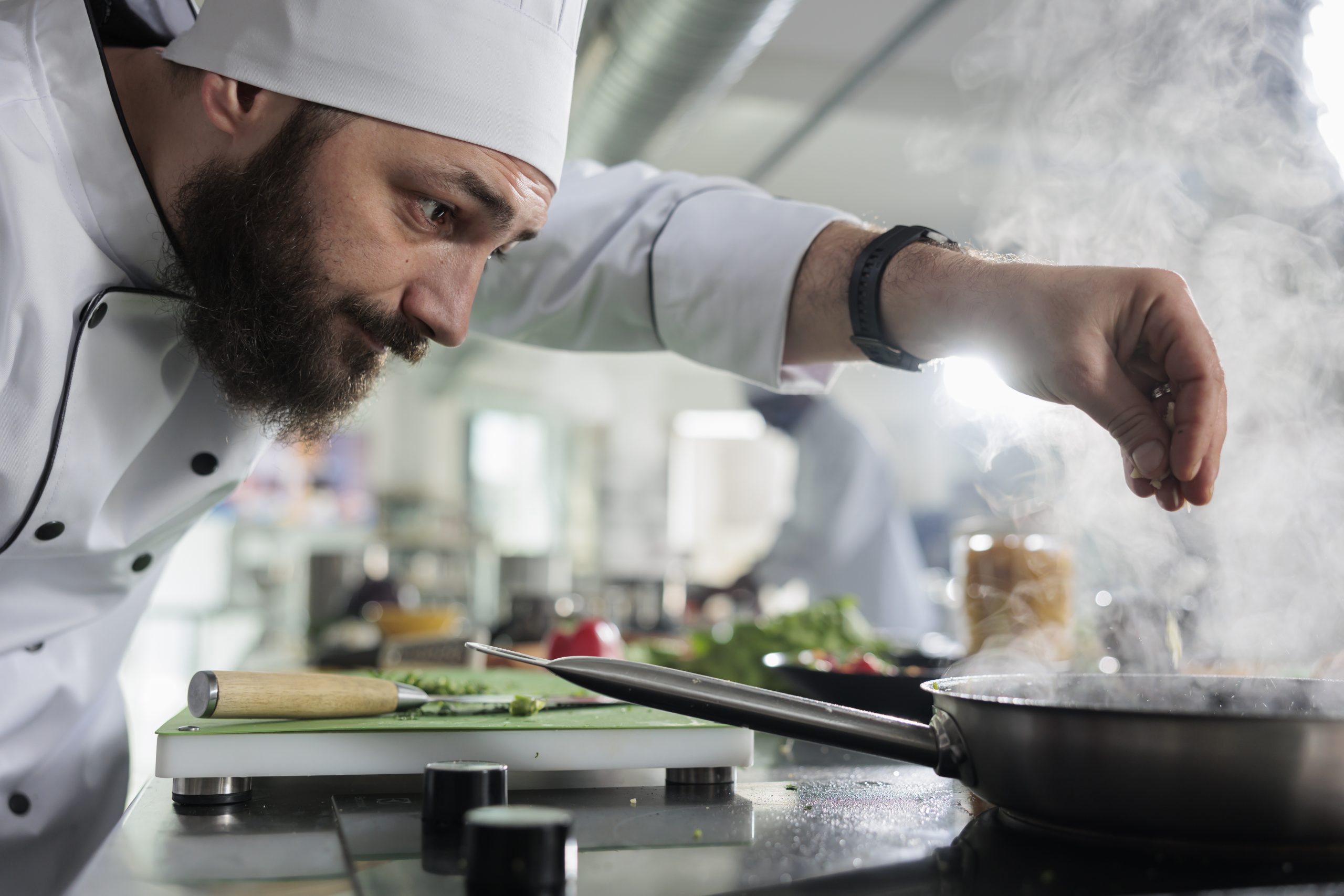
fine dining
The term in Hungarian means “fine dining”. It includes culinary evolution, tradition, the use of new ingredients. It includes the evolution of kitchen technology, the more sophisticated dishes the secrets of making. The high-end restaurant sector and fine dining are constantly changing, which has led to the development of specialisations in the kitchen. Cold kitchens, sauces, vegetables, meat, etc... The standard of restaurants is also rising, and the luxury gastronomy is becoming more and more unconventional. with more special solutions as there is competition in this segment too.

Who is fine dining for?
In fact, for everyone. All it takes is to see the meal not just as a meal, but to see the whole meal as a programme. Like going to the opera to hear a beautifully composed piece of classical music. So you could say that fine dining is an opera of dining, where every melody, every note, and every instrument plays an important role. Of course, for those who don't like opera, there's no problem, because you can listen to rock music or pop. So in the case of fine dining, the meal equal to the experience, starts from the moment you enter the restaurant and ends when you leave.
Can we live well with fine dining?
There are many types of restaurants, and each specialises in a different area. At street food, for example, you need a well-stuffed sandwich to fill you up; at a takeaway, it's a big bowl of soup or a main course. Most of us would be disappointed if only a few bites of a good stuffed cabbage were on the plate. That's the way it should be. However, in fine dining you can eat not one, but 6-12 or even 20 courses. It would be inconceivable to eat a huge plate full of so many dishes. The other important factor is that a chef can show off his or her knowledge or current innovations through a tasting menu. Such a dinner consciously has a beginning, a climax and an end, but by the time everything is consumed, there is plenty to eat.
Why is the price of a fine dining dinner higher?
Most top gastronomic spots use special and expensive ingredients, most of which are sourced from abroad. The price of quality meat can be staggeringly high, but these differences raise the standard of the food they produce. The same basic principles apply to vegetables, fruit, spices, and especially seafood.
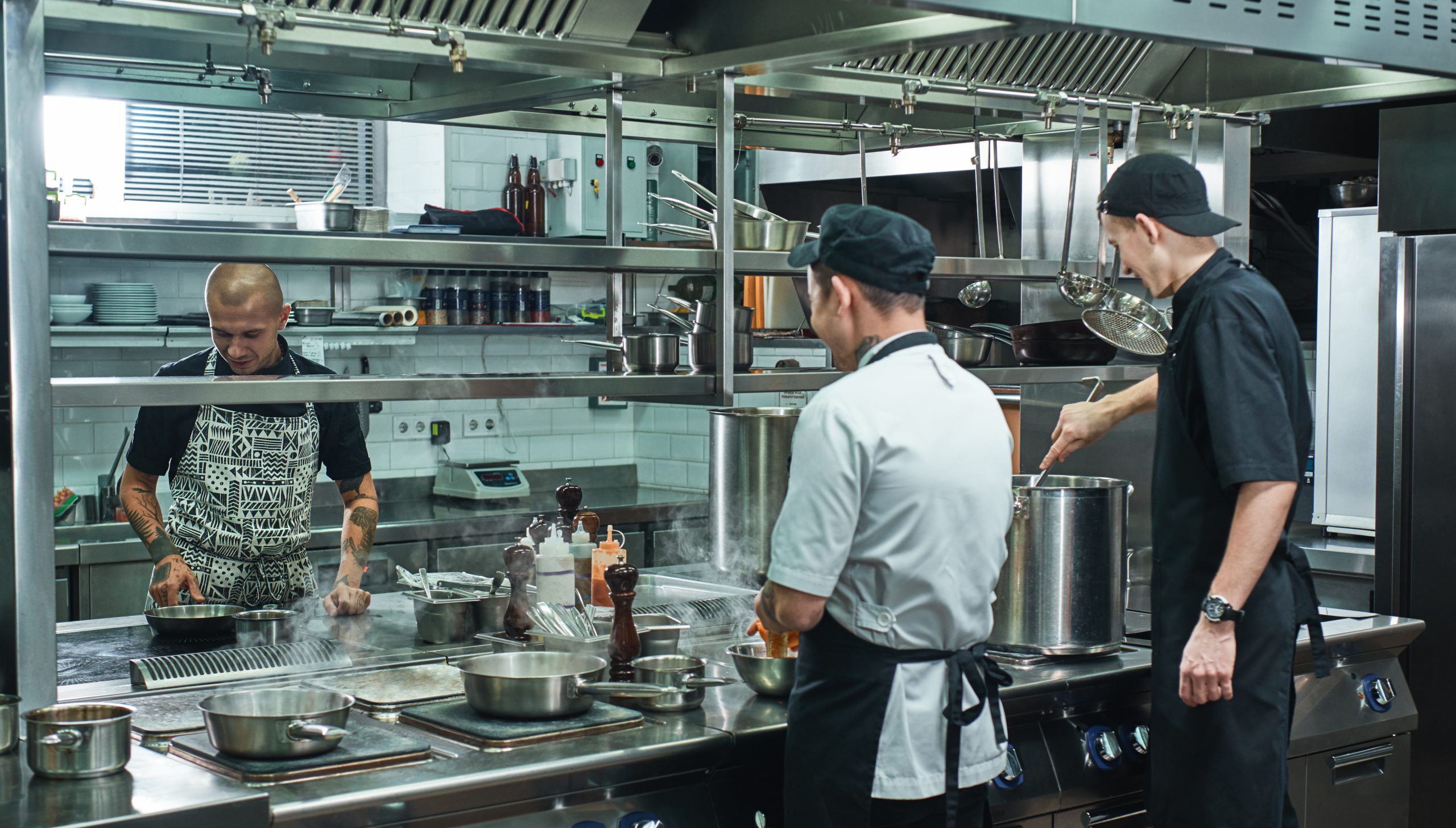
The prices include the environment, say a terrace with a beautiful view, the interior of the restaurant, the design. It also includes the energy and, quite obviously, the staff. These restaurants are usually staffed by the best in the business. A professional chef and his team are a must, as is the high level of knowledge of the catering staff. Wage costs can soar in this case.
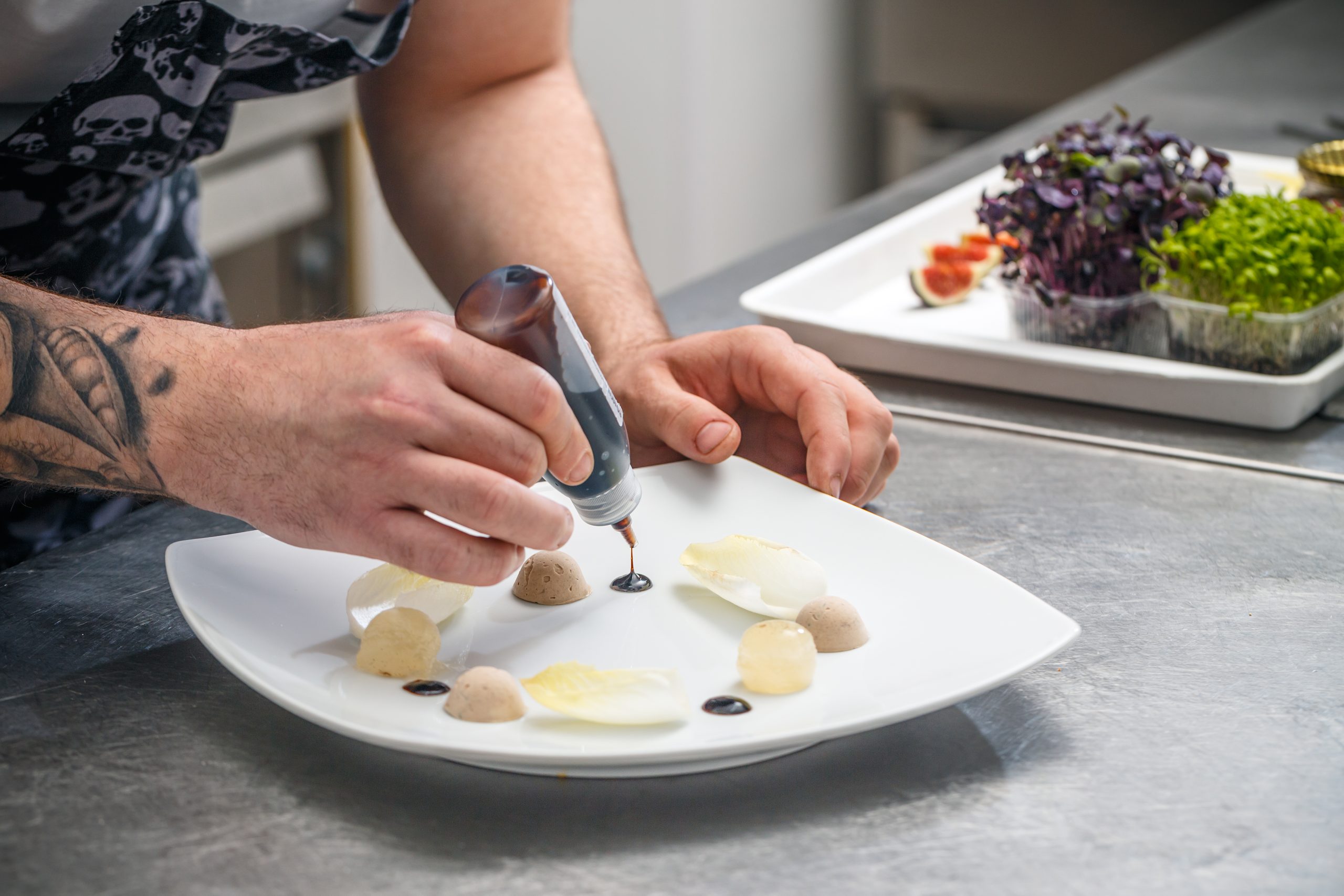
The perfect fine dining menu is not just about harmony of flavours. Meticulous presentation also plays a prominent role. The dishes are presented in a spectacular array of colours, shapes and textures. The correct placement and proportion of the various decorative elements is also very important. We go to top restaurants not just to eat well, but to eat well.
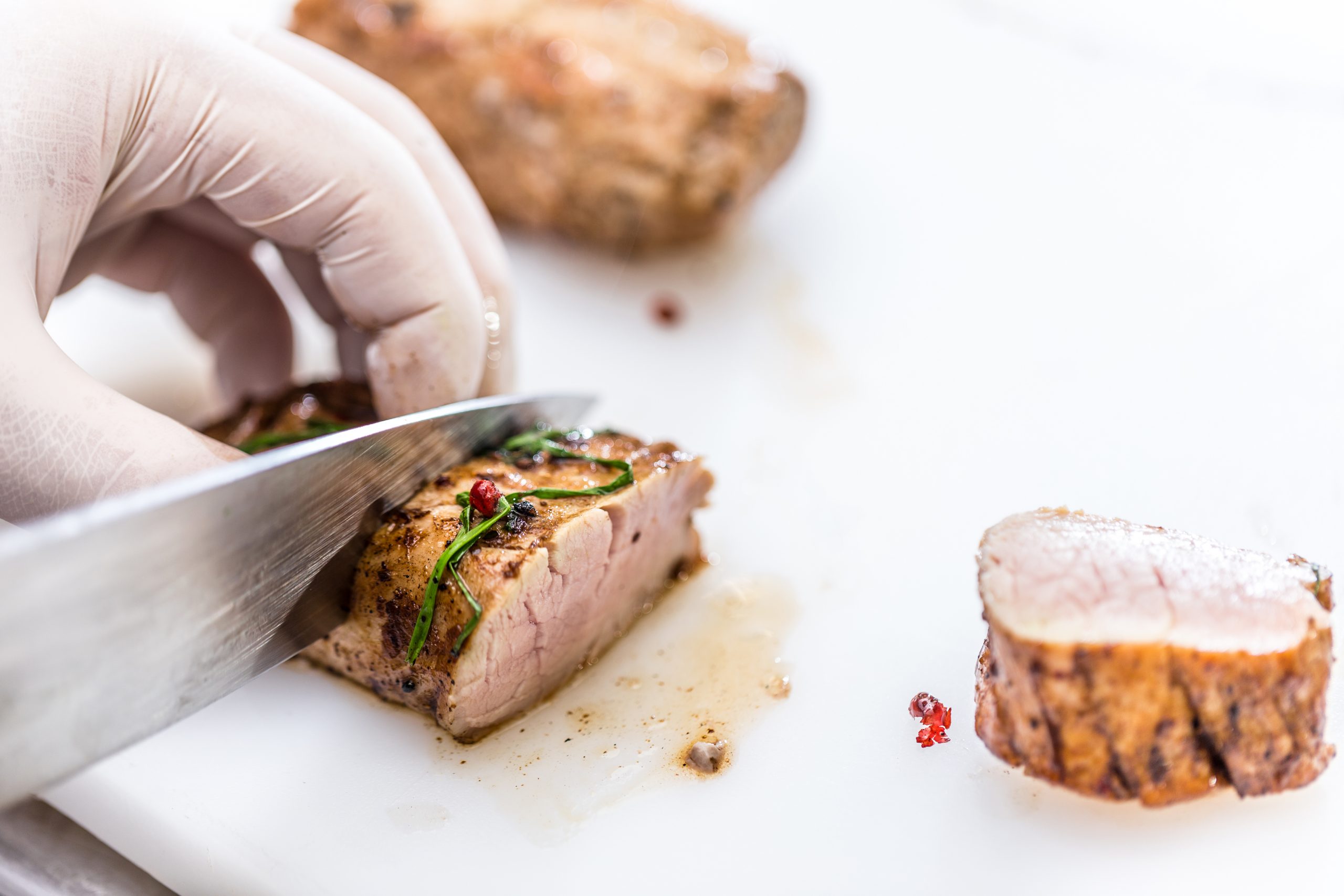
„Eating well is good, but eating well is even better” (Thomas Braun)
What is a top restaurant?
Interest in the profession of chef and chefs has increased. It became a fashionable profession. Highly qualified professionals are needed in this sector. In addition, restaurants have to adapt constantly to economic opportunities and to the expectations of their customers. In fine dining kitchens, the latest technologies are used, and molecular gastronomy is used to create unique solutions. Sous vide is now a basic technique, and Pacojet can be used to make foam from almost any ingredient. There's always an astonishing twist in fine dining. A surprise that doesn't look good at first, but when you taste the ingredients on the plate, you're in for a surprise.
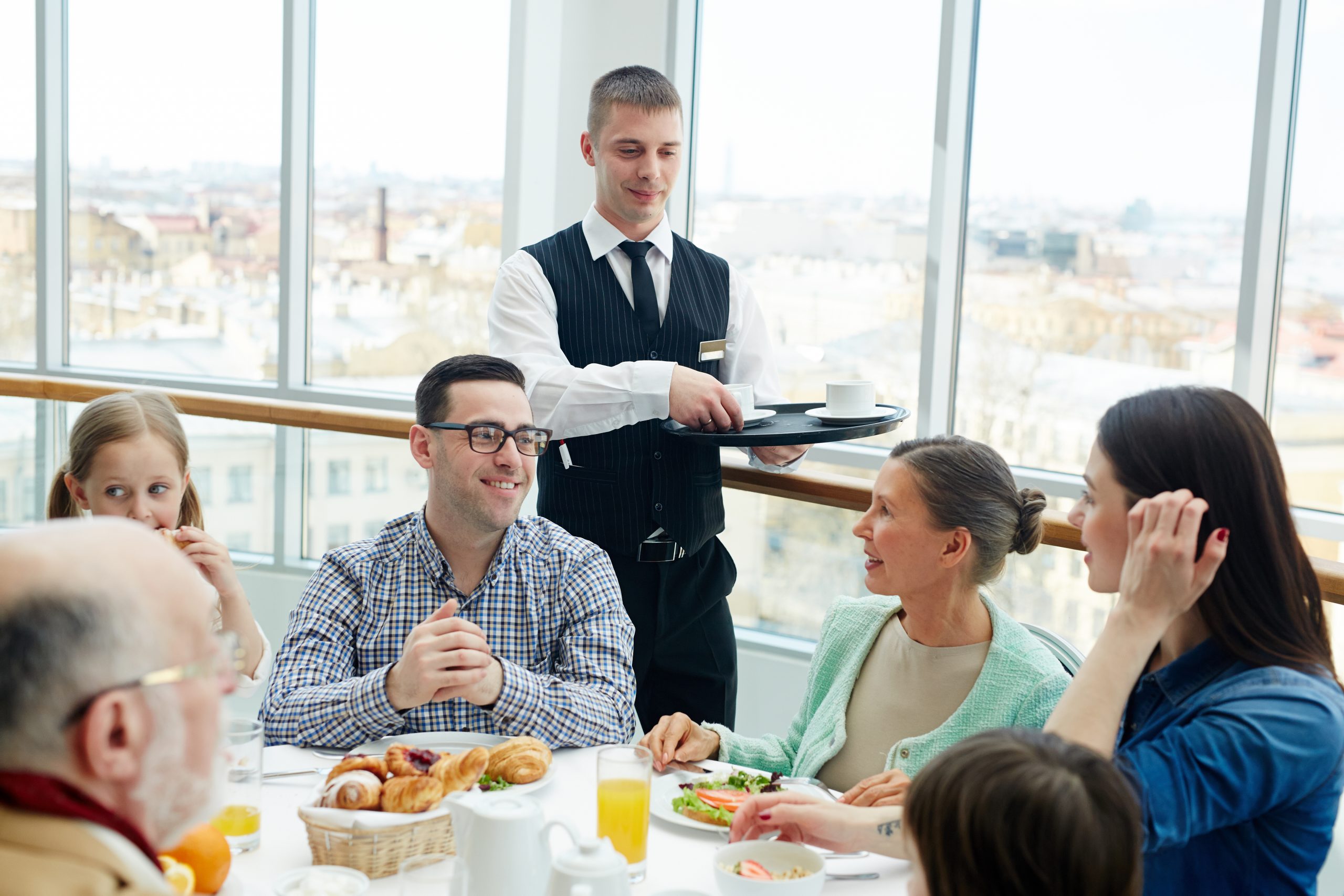
Fine dining is the dining experience
Once you try it, you will never forget it. The experience starts as soon as you enter the restaurant. The way you are greeted, the communication between waiters and guests, the way you are seated, the wonderful sight of the table setting, the welcome drink. It's a perfectly composed impression that affects all the senses. In these magical few hours, everything happens for the guest, including sounds, colours, shapes, flavours, the perfect play of service.

For those who are open to fine gastronomy, the fine dining experience is an unforgettable evening.