






Coffee is evolving and is getting much more attention in the hospitality industry than it was a few years ago. Both the big roasters and the bigger brands are paying much more attention to quality training, improving their machinery and technology. As a result, coffee roasting and the professionals who work in it are now well-versed, and wonderful new small-scale brands are emerging.
Roasting and trends
Clearly, the vast majority of the world's annual coffee production is consumed by multinational companies. The bigger brands have a big responsibility in the development of the industry, as the volumes are huge. Technical innovations, on the other hand, are more due to the so-called artisanal or small-scale roasters. There is already a clear trend towards lighter roasts in the whole industry. Changes at the international level have also made a big difference to the culture of coffee drinking in Hungary, and people are becoming more aware of their consumption and choices. The strong tradition of the domestic café culture provided a good base from which to start. In recent years, there has been an upsurge of specialty roasters, which is due to the fact that the big brands have created a more sophisticated coffee experience. All this with green coffee prices ranging from €3-5 at the beginning of last year to €6.40 - €8.50 today. This is due to the fact that the situation in Brazil is having a major impact on coffee exchanges.
Where do cafés and restaurants fail when it comes to coffee?
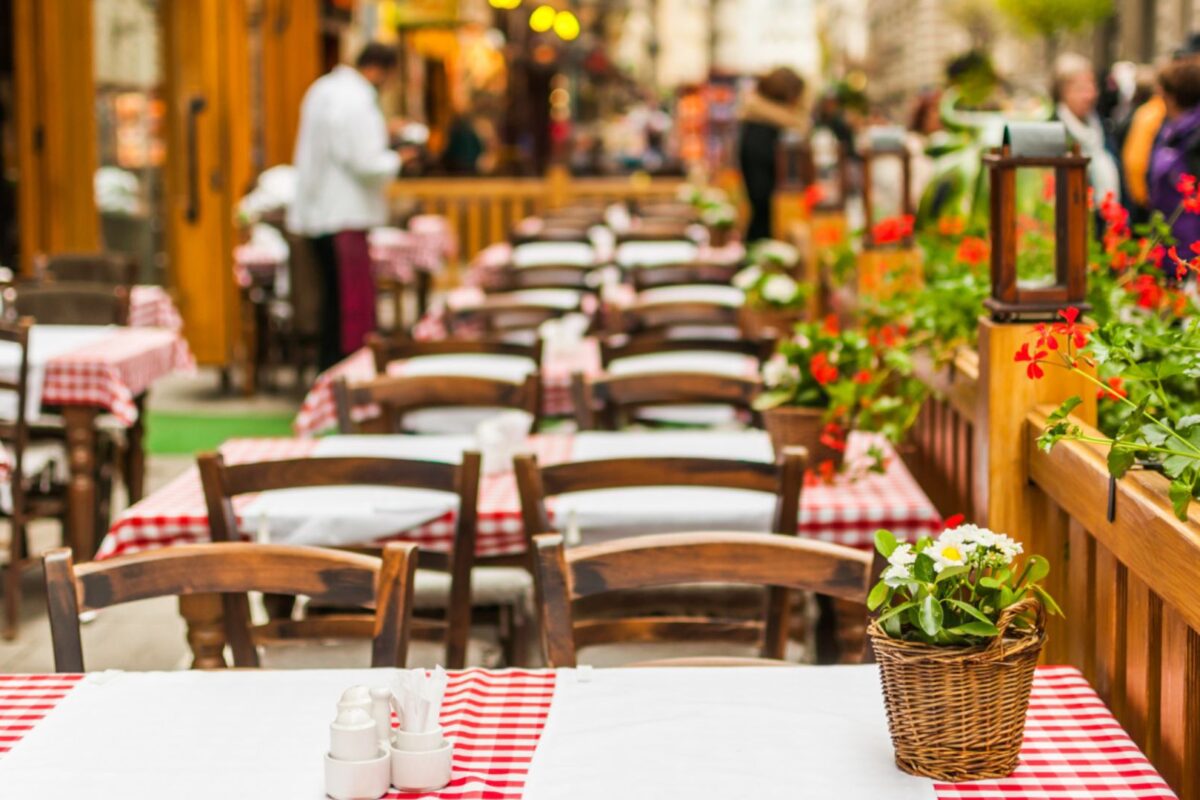
When a quality restaurant - whose kitchen is already running into the hundreds of millions of euros - it's trying to save money on coffee, that's where the trouble is. The very thing that fundamentally defines the guest experience. After a well-rounded lunch, you could say it's „the last course.”
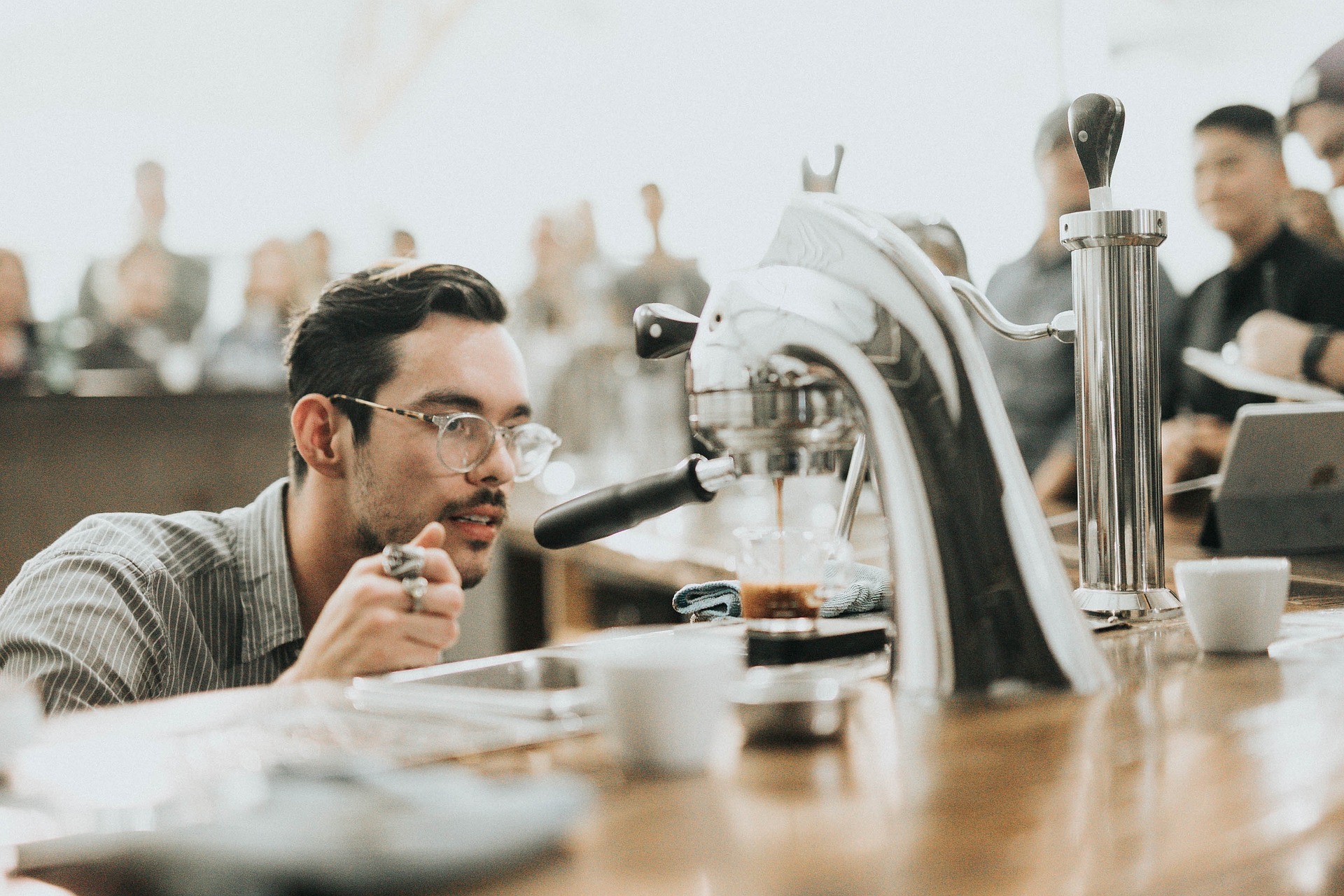
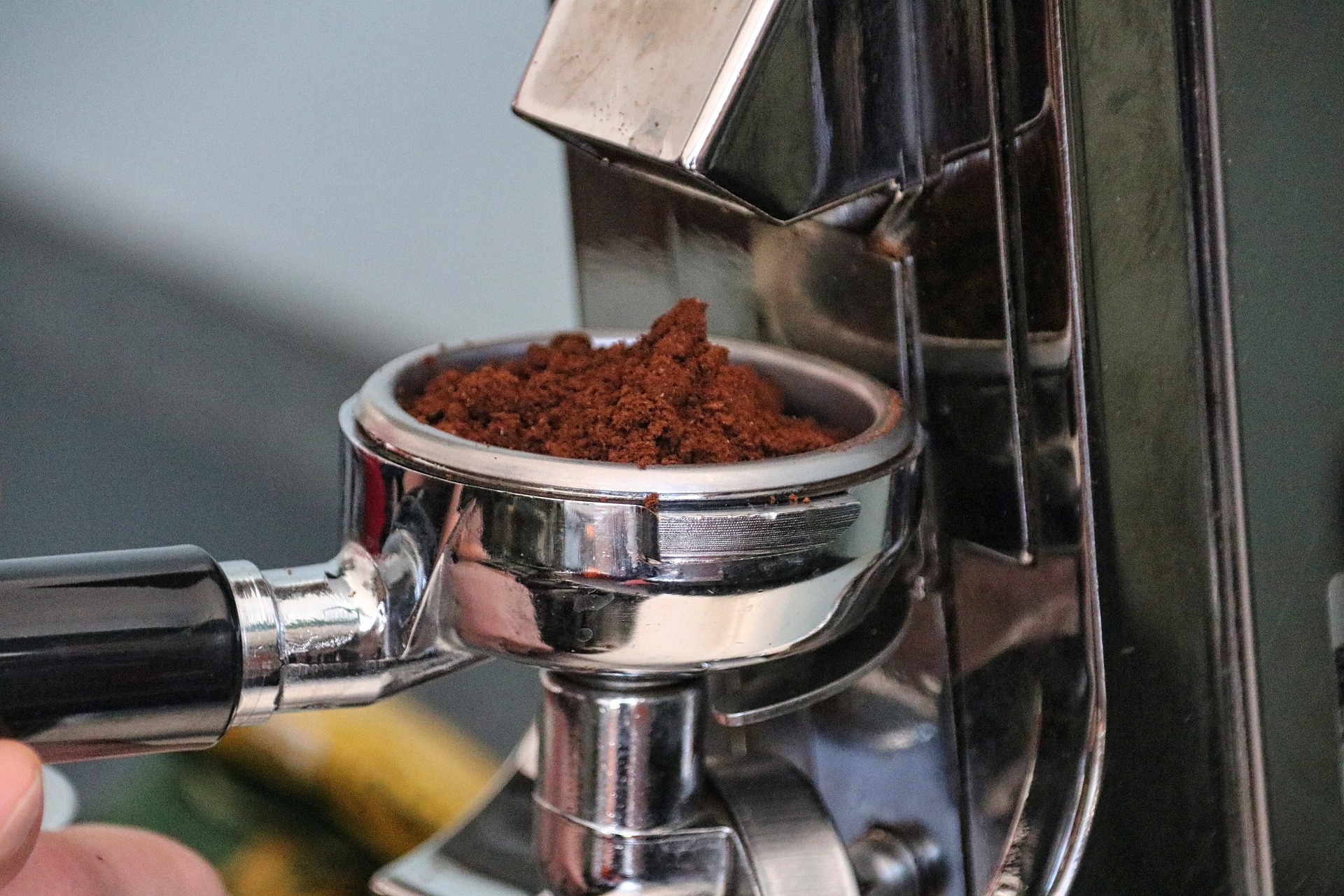
Ádám Török coffee man: Coffee brands are moving forward regardless of the covid and the economic crisis. Along with this, consumers are also moving towards quality. Really good quality is still available in the HORECA sector, where machines have been acquired to make it possible. There are still old school places, but in the top gastronomy and new places, quality coffee and quality technology is no longer an issue. Modern thinking in catering has encouraged the industry to work with quality rather than the cheapest equipment and brands. Fortunately, restaurants and hotels have realised that if they buy professional grinders and coffee machines, from then on you get a much better drink in your cups.
What's sealing the fate of coffee in hospitality
If the coffee is perfect, the roasting is good, the equipment has the right possibilities, there is only one place where there can be a mistake. It is the lack of qualification and knowledge of human resources. However good the conditions in a catering establishment are, it is only when it is prepared by qualified staff that a truly high-quality coffee can be put on the table. At the moment, unfortunately, this may be the weakest link in the system.
T.Á: There is a level of turnover that is difficult to keep up with. I recently trained at a place three weeks ago, who already knew how to make good coffee, and now they're calling again. I was shocked to find that no one from the previous team was there. So instead of improving them, I had to start from scratch. The biggest problem is the ignorant hand, another is the „old hand” who won't take advice. A lot of people don't compress properly, don't press properly, in fact I've seen someone trying to do it in the air. What happens is that, despite all the conditions, if you don't know how, you get a slightly coffee-flavoured hot water with no flavour. The other basic mistake happens when steaming milk, when you don't have your hands on the pot. Obviously, this way they don't feel the heat, and as a result they steam the milk into charcoal, creating a bitter, undrinkable coffee. These basic errors can only be corrected through education and training.
What roastmasters do for the perfect coffee
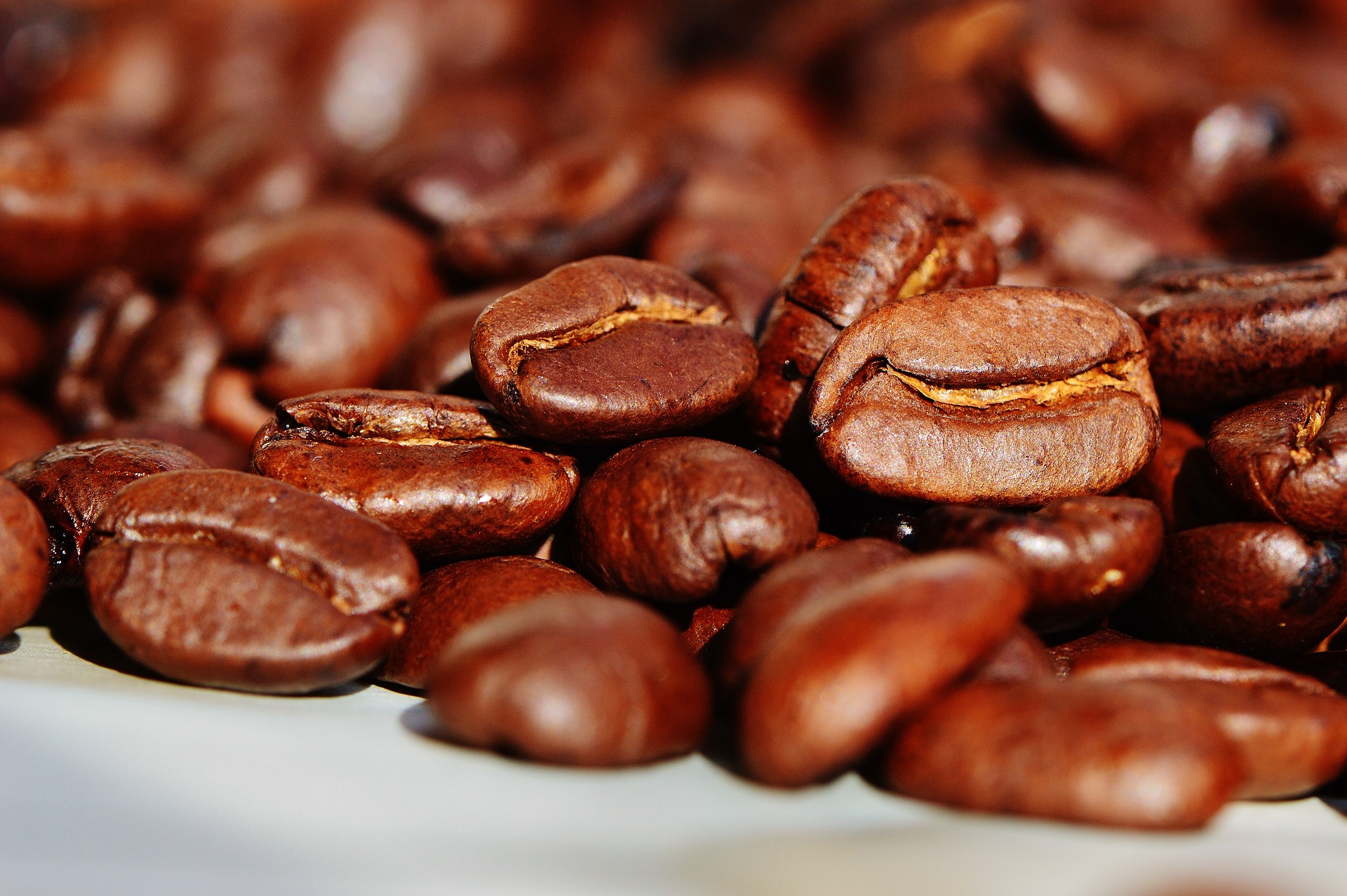
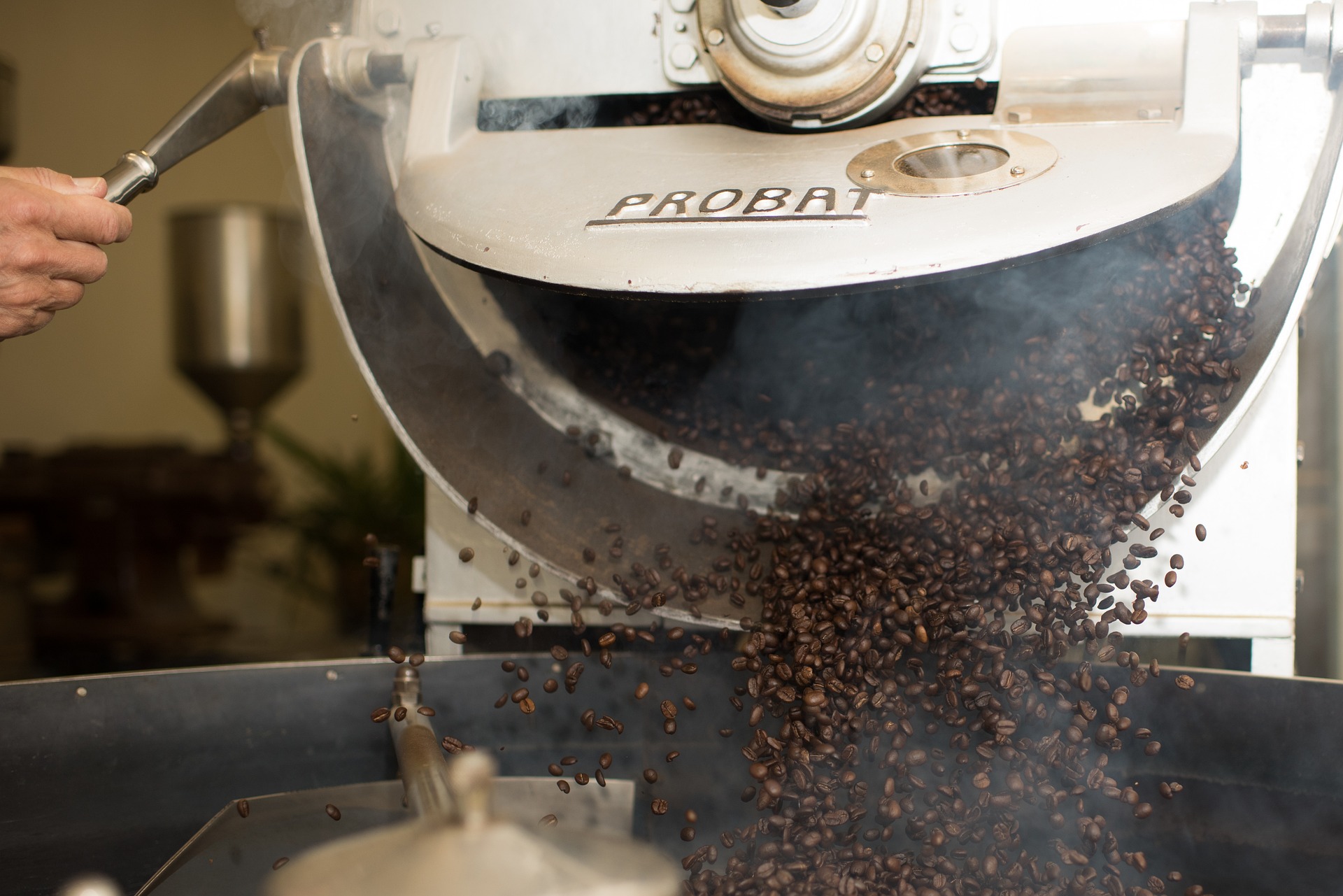
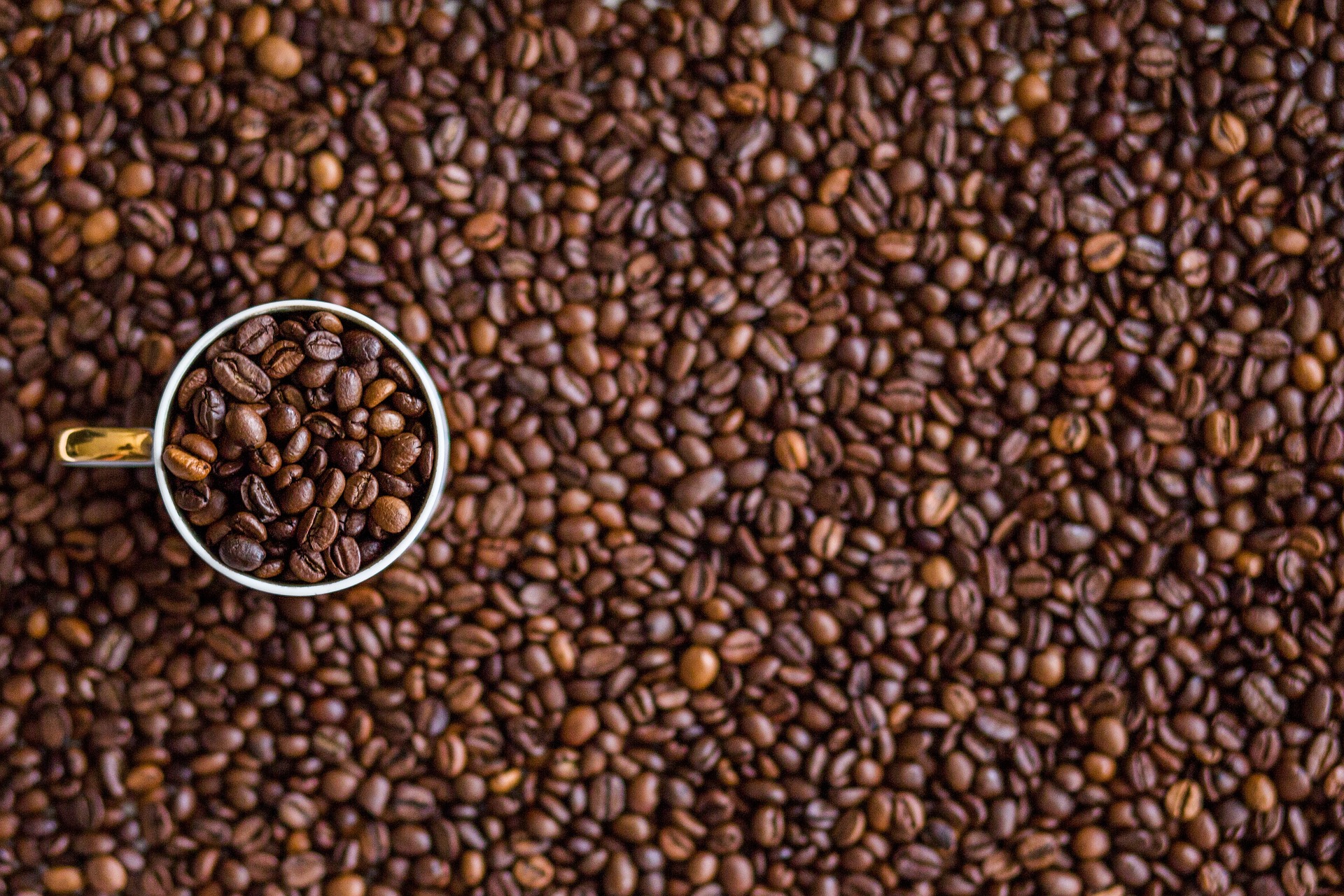
Roasting is the basis for a coffee with an aromatic, complex flavour. You could say that the roast is the soul of the coffee. It is during this process that the aromas are released from the beans, and this is what influences the quality. Roasting is, of course, done by machines, but they require specialised knowledge to operate. To become a „master roaster”, a lot of learning is required, and even more practical experience. It is no coincidence that commercially available brands have paler flavours, since they contain huge amounts of raw material, are roasted extremely quickly using large-scale technology. Specialty, artisanal roasting is much slower and more demanding.
Coffee beans have a wide range of flavours, and it depends on the growing area they come from. The „science” of roasting is designed to bring them out. It doesn't matter how long the process takes, or what the temperature is. It matters whether they are roasted from a high temperature and go down or vice versa. The timing of the roasting, the „playing” with the heat levels, is a complicated process. Once an ideal roasting schedule has been established for a particular batch, and the roast master has adjusted how the physical and chemical reactions take place, we get what is called the „roasting profile.”
What else the master roasters are looking out for
The Maillard reaction, a chemical reaction in which flavours are formed. This is also the reason for the change in colour of the coffee beans. This includes the caramelisation, which they should be very careful not to overdo, as it is responsible for the brown colour of the coffee. A special technical term is „first crack”, which means first crack. When coffee is heated, it means that the water vapour in the beans is removed by breaking and releasing it. The coffee beans then swell and break more easily. This process is indicated by a crackling sound, which should be listened to carefully. Usually, specialty roasting methods do not go any further and finish the operation. The second crack, where the roasting process continues, the heat weakens the coffee beans, releasing pulp, carbon dioxide and oils. So-called dark-roasted coffees become deep brown in colour as a result.
Roasting, like many sectors of gastronomy, has become a serious science. As a result, we coffee lovers can now enjoy a wealth of better and better drinks. When we sip a good espresso or a creamy, slippery Flath White, let's think of all that has happened to the coffee we are now sipping with relish.