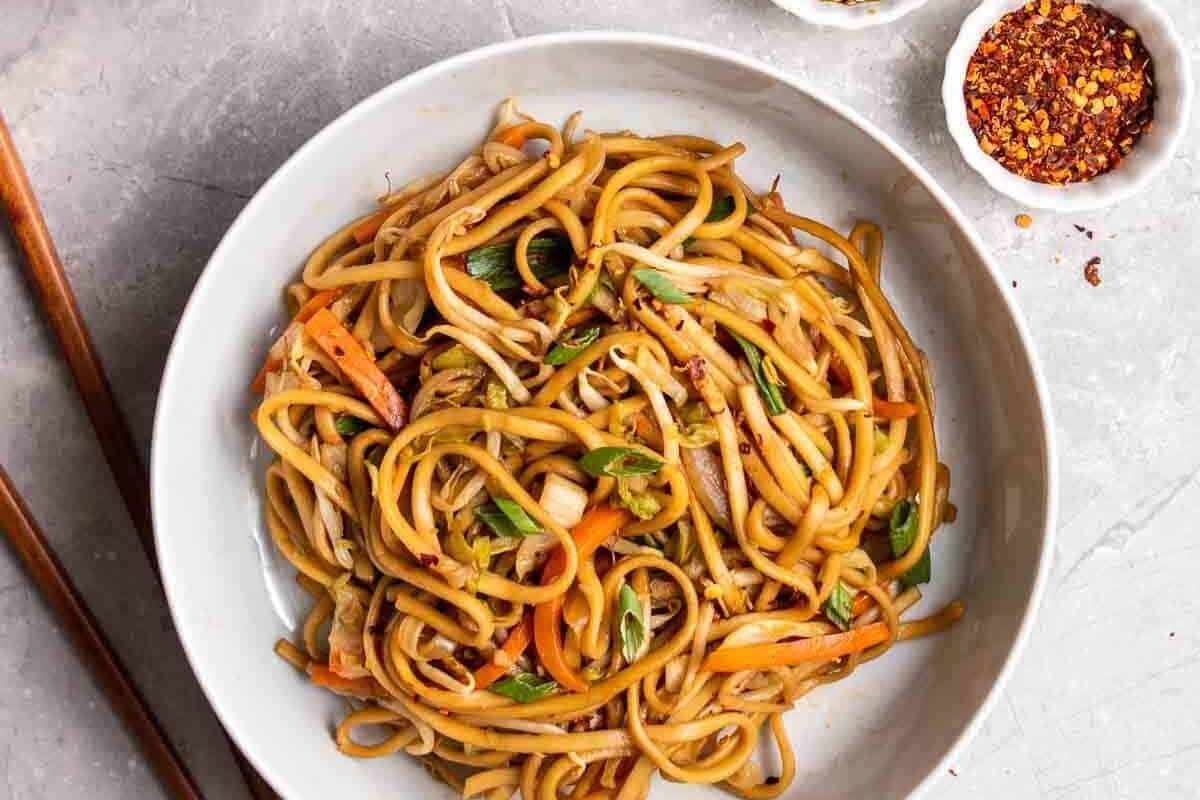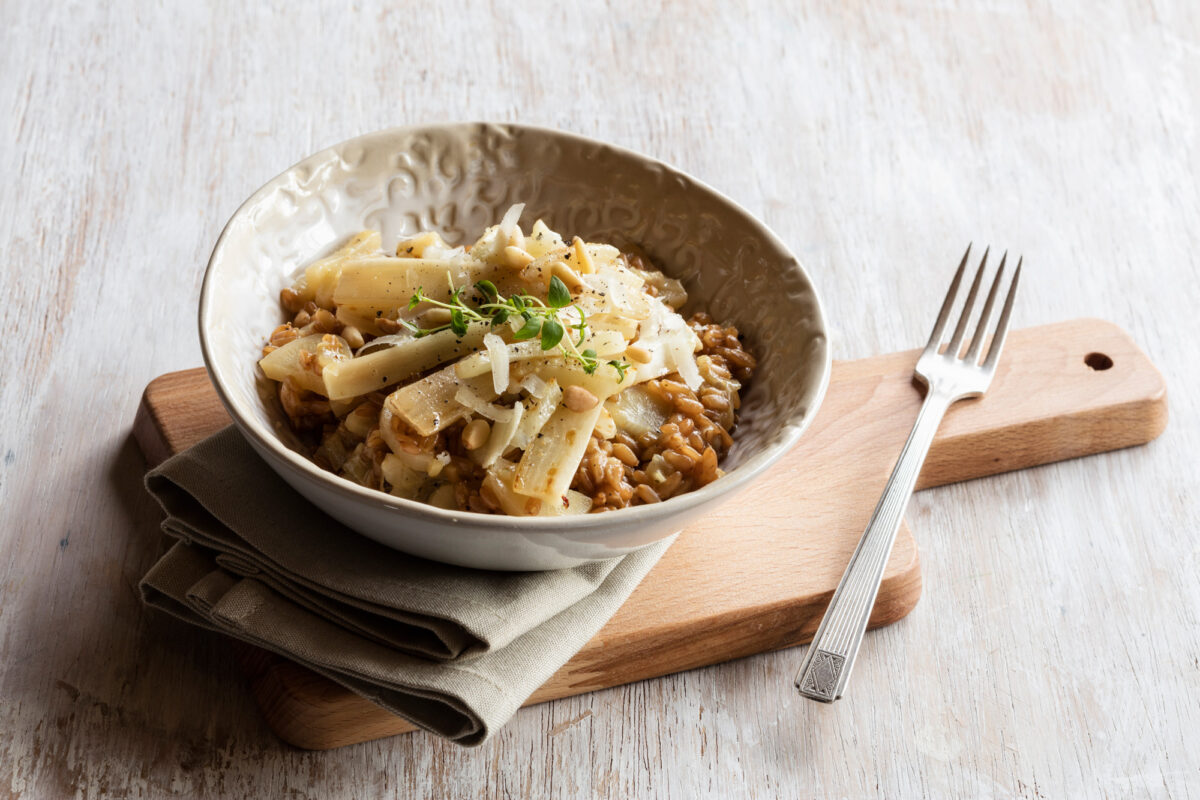







When we think of pasta, we think of Italian virtus, the Italian way of life and Italian cuisine. This is a false stereotype, as every nation has its own pasta dishes and pasta varieties. Just as we have our cottage cheese, potato pasta, cottage cheese dumplings or poppy seed dumplings, other nations have their own pasta gastronomic culture.
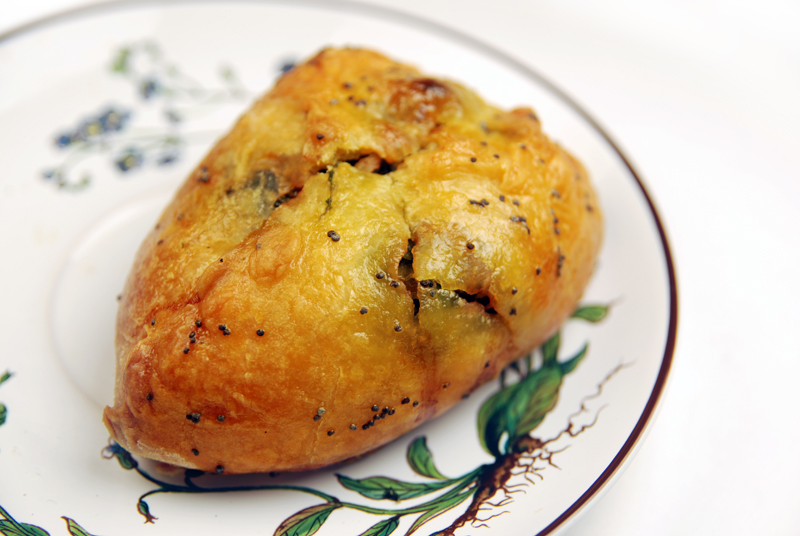
Where does the pirog come from
Pirog in Russian: пирог or pirozhok, is a Russian dish made of dough with various fillings. Its name probably comes from the word pir, meaning feast. This is no coincidence, as it was served at large family or social gatherings and celebrations. In the beginning, it was not a separate dish, but a household dish from raw materials and filled the pastry bag with them. Until the 14th century, pasta was made almost exclusively from rye flour. Its function could be anything, a main course, a side dish or just to eat, but it was also served as an accompaniment to wine. It was also named according to its size, with pirogue usually the larger size, while pirozhki were the smaller variety. Outside Russia, it is also known in other Slavic cuisines. As they say, simple but great.
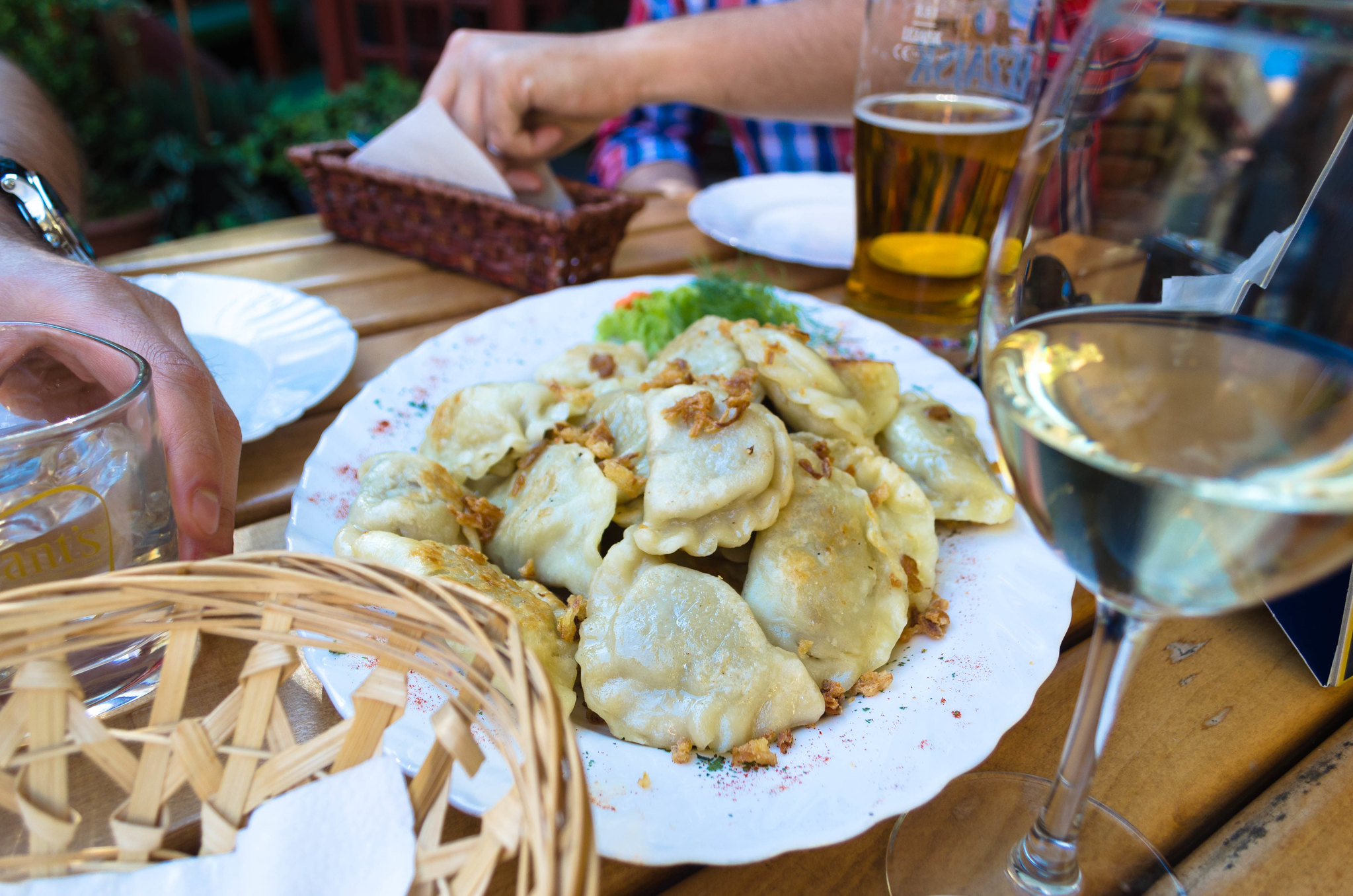
The dough of the pirogue
The dough of a pirogue is a dough that can be prepared in a variety of ways. In the Middle Ages, rye flour was the main ingredient, but nowadays it can be made with virtually any flour. No explicit rule, the housewives can vary it according to their own taste and knowledge. One important thing is that the dough should be sufficiently airy and elastic. Whether the sweet or salty flavours predominate in the dough itself can determine the filling you want to use. The dough, made from flour, fat, eggs, liquid and yeast, is leavened. Even after rising, it is left covered. It is then stretched to about the thickness of a finger and cut into squares or rectangles. If you have a slicer of the right size, you can use it to even easier the operation. Then you can add the filling and fry in plenty of hot oil.
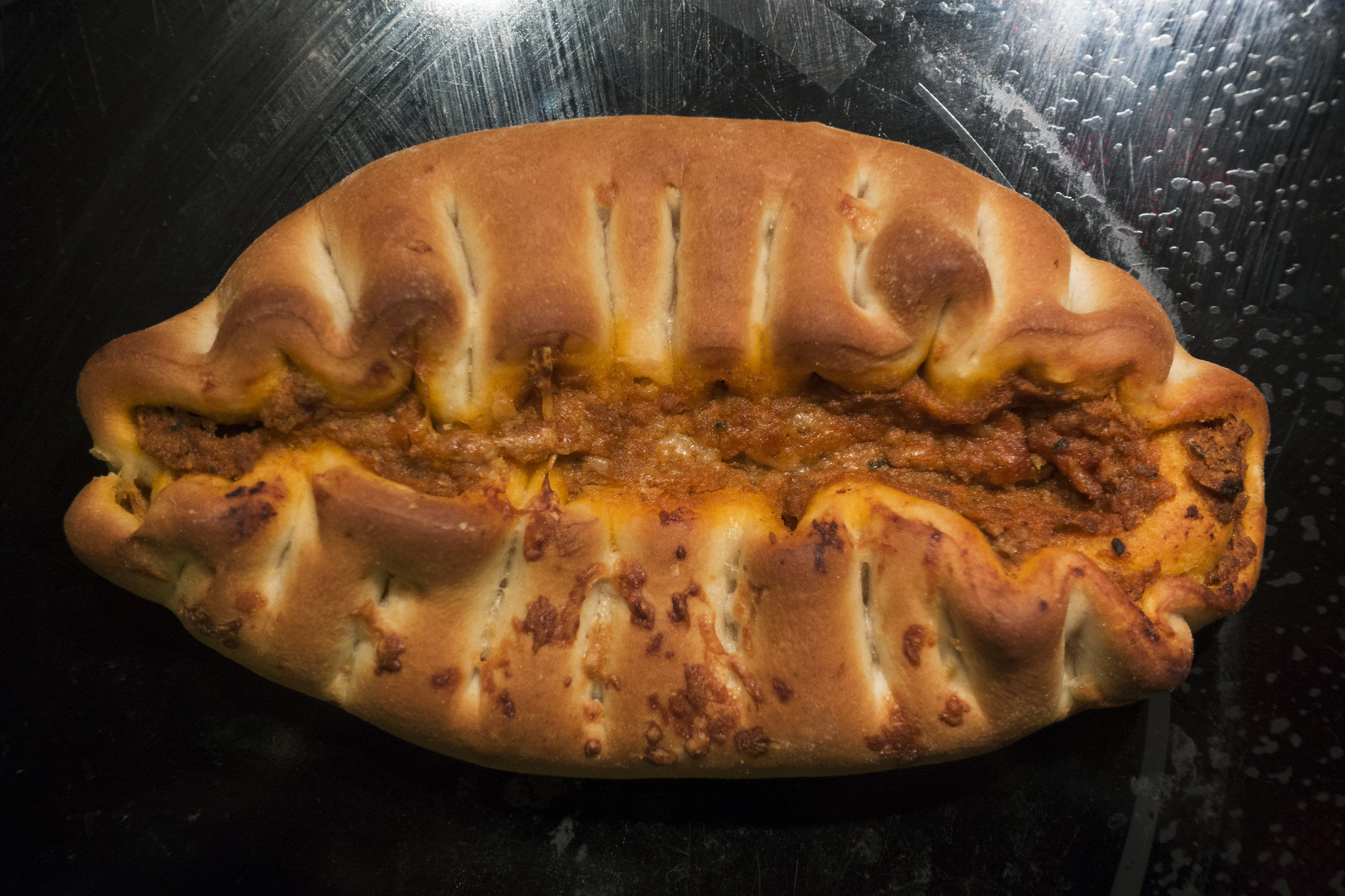
The delicacy of a thousand faces
The filling of a pirogue can be basically anything. Just as in the past, it is also a great way to use up leftovers from the previous day's roast meat, stew or stew, salami, hard-boiled eggs, vegetables left over from the barbecue or even mushrooms. But if you only have side dishes from the fridge, spicy rice or mashed potatoes are perfect.
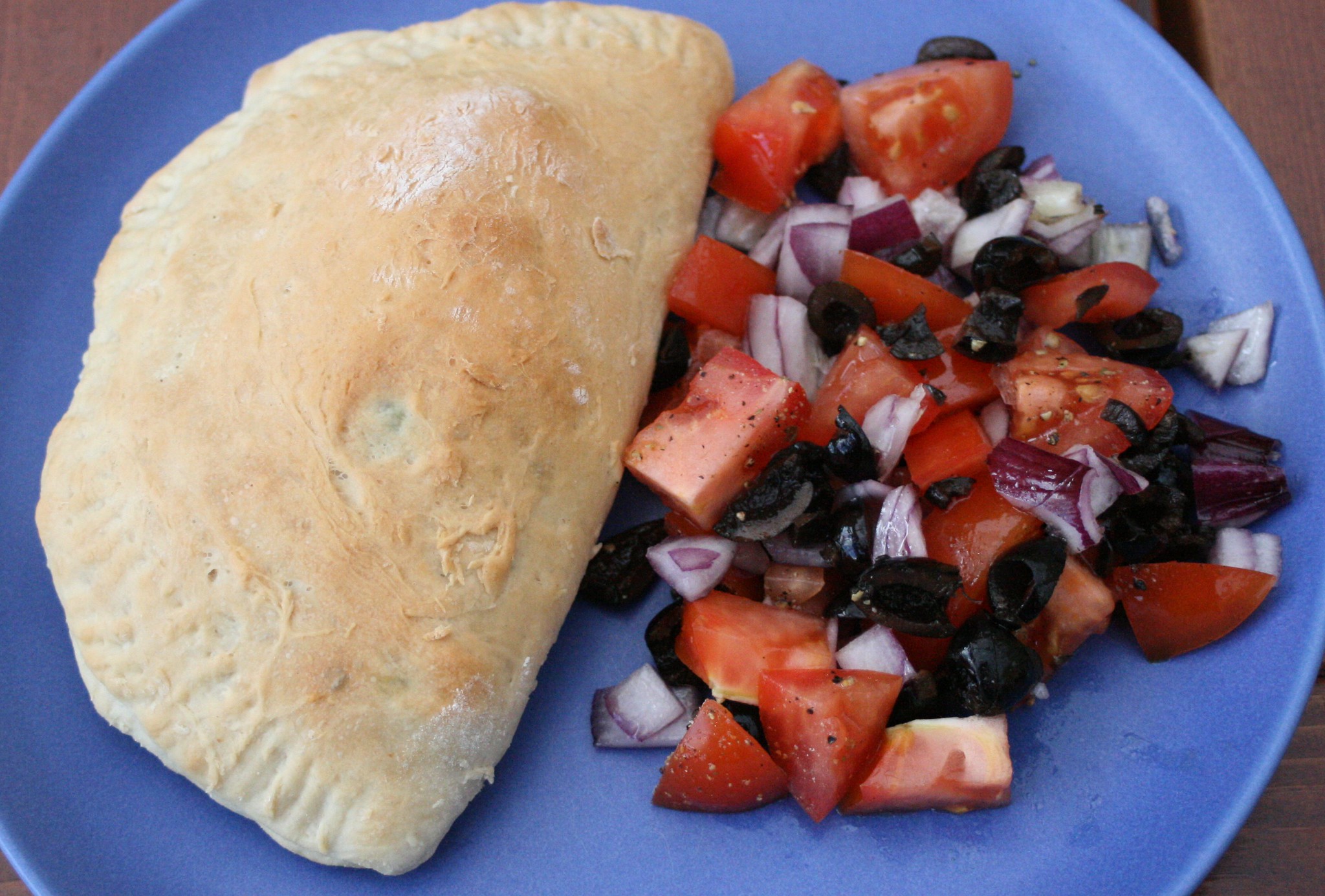
If prepared in a savoury mould
The variations are almost endless. The filling can be almost any vegetable. The best known variations are cabbage, mushrooms and potatoes, but carrots and peas are also common. And seasonally, now is the time to try the pumpkin variation. You can fill it with a variety of meats or delicious fish. But the best part is that you can vary these ingredients to your taste and preference.
When making sweet pirogues
There are also many variations, but the sweet pastry usually contains fruit. Raspberries, blackberries, strawberries, currants, apples, peaches, always taking into account the seasonality and using the freshest vitamin-rich ingredients. For the sweet version, the classic ingredients are various wild berries and red berries, but you can also use cherries, strawberries, apricots, peaches or rhubarb. It's fine if the fruit is not fresh, you can also fill it with preserves or dried fruit. With fruit, you have to make sure that the filling is not too soupy, as the pastry can easily get soggy. Nowadays, honey filling with edible flowers is becoming more and more common. If that's not enough, you can use seeds. Nuts, poppy seeds, almonds, hazelnuts.
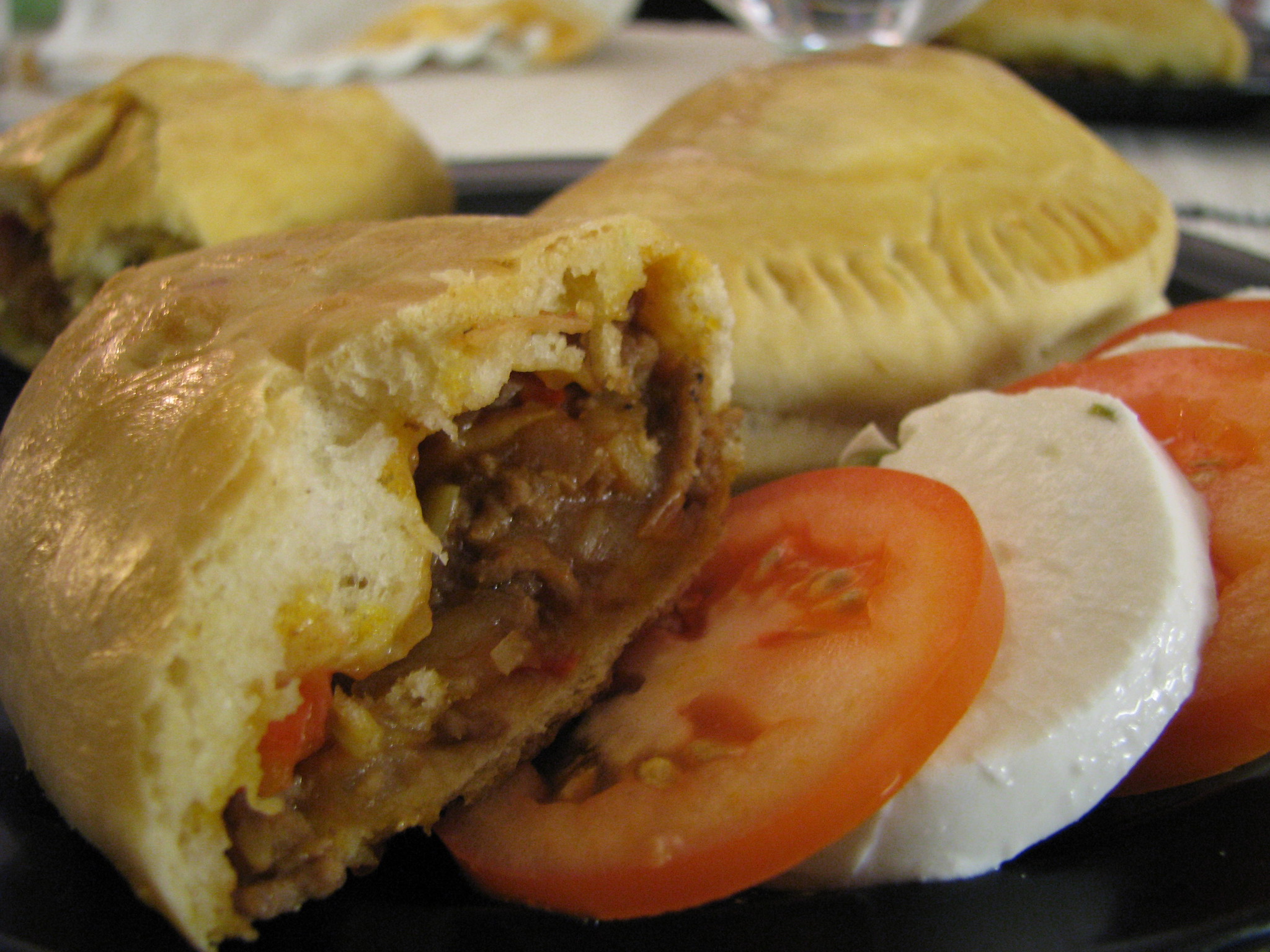
You can serve the pierogies with extra toppings if the filling is a little drier. You can add sour cream, yoghurt, cream, kefir or even custard. For savoury versions, you can make any kind of dipping sauce you like. It's a great dish with cream cheese and herb dressings.
Pirogue can be ideal not only in the home, but can also brighten up restaurants. As well as having a nice ring to itő on the menu, you can serve it in countless variations.
Pirogue is a magical treat, but it would be a shame to miss it. Sweet or salty, small or large, closed or open, it's a guaranteed success at the table.