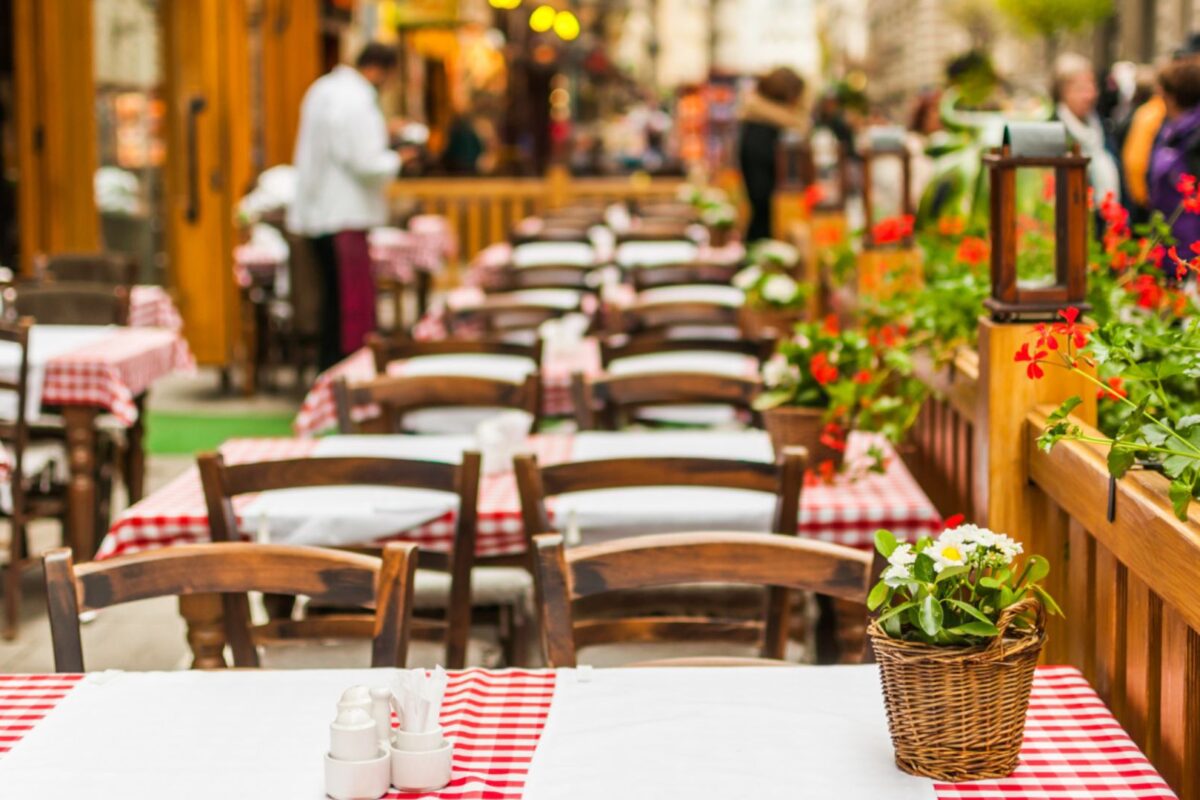






In the hospitality sector, the question of whether tipping is a reward or an obligation is always a big debate. Who is entitled to it, why and what percentage? This article answers a lot of questions.
It is also a question of how we think about a service and how we think about money itself. It has already been shown that in many cases, the amount of the tip given to a pizza delivery boy, a bartender or a fine dining restaurant is independent of the earnings. We see it as an unnecessary gift, an obligatory evil or reward, or a symbol of our own generosity.

Real stories, real interviewees and real arguments were told in public.
There have been several presenters - most recently Anja Reschke - who was interviewed by a waitress who told the other side of the tip. She said it's not just a reward, but a motivation, and often a salary supplement - but the guest doesn't know that. Waiters, cooks and messengers told their stories about how and why they have to share tips - even though the legal code forbids it - and how a large part of their salary is actually the extra tip. Employers, on the other hand, argued that the only way they could provide their guests with friendly and motivated staff was to keep them motivated by the prospect of tipping. They are willing and patient, even if they sometimes find it difficult, but that is why they do not allow themselves to be grumpy, even if they get up on the wrong side of the bed.
While the guest sees the tip as an opportunity, the employee sees it as the number one feedback. Did you like or dislike your work, did you or did you not do a good job that day.
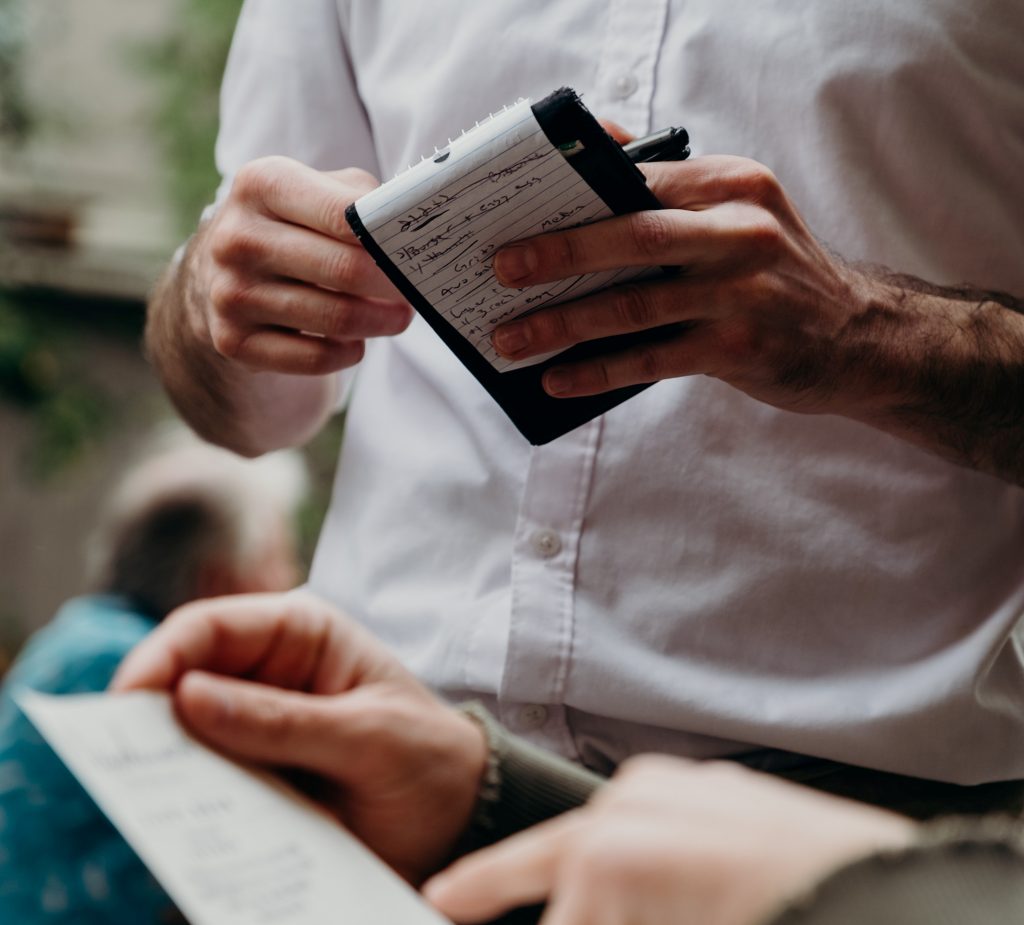
A courier and a waitress told us
Andris, who is now a courier but used to work as a barista, says that the epidemic period has increased the number of people tipping. According to him, it's because of empathy that couriers are the ones who keep moving despite the epidemic and help those in the home office with their lives and work. Sylvie is a waitress in a trendy vegan café, who knows that vegan cakes are more expensive, but she still gets more tips than in her previous place, the classic pastry shop. She told me that customers are also aware that these ingredients are expensive, harder to come by and that vegan sweets are a lot of work to make. That's why they appreciate the fact that they only have to run in and eat a slice whenever they want, and they are grateful for it.
Based on personal stories, it was mostly the place and the audience that determined the number of people who tipped. One thing is for sure, employees everywhere are very much appreciated.

Shortage of professionals - would they stay for tips?
In parallel with the lack of money, the epidemic situation, the global economic problems, the other biggest problem is the skilled workforce. Even if the customer spends money, goes to restaurants and bars, there are not enough staff to serve him. This is where we need to reassess how we make decisions! Tipping can be a real reward and motivator for a decent workforce and the profession itself. Many would argue that even with this, it is still below the monthly salaries of neighbouring countries, but appreciation can always be a powerful argument. A number of statistics have already shown that a large proportion of workers want to work in their mother tongue, in a good environment and in a good atmosphere. Even if the pay is not the highest, it is acceptable.
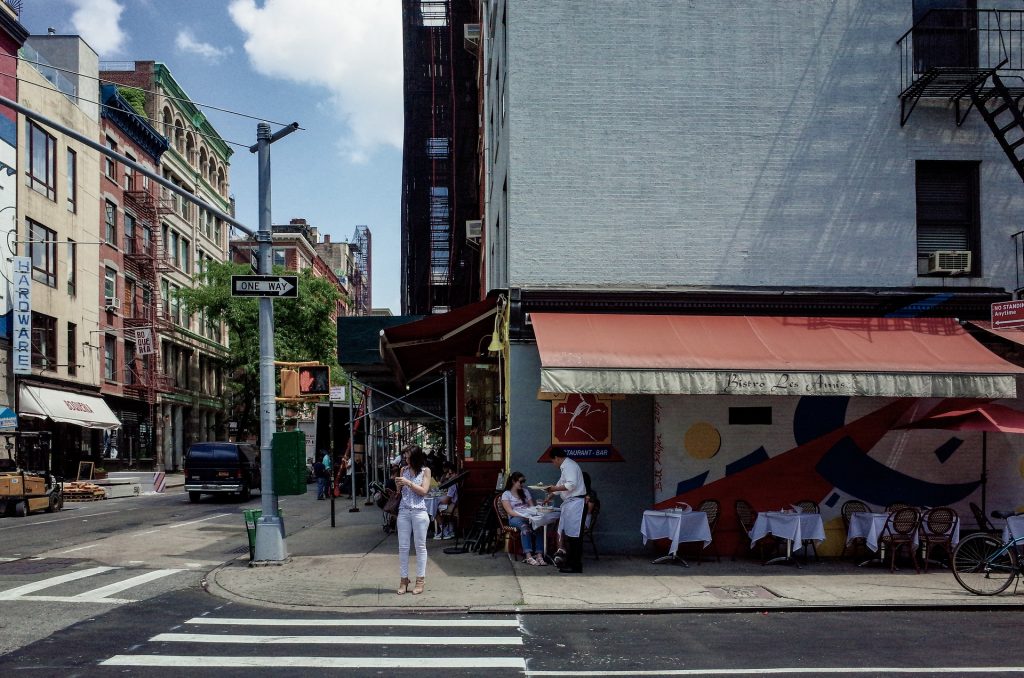
Why should I tip when prices are already high?
It is a legitimate question for those of us who go out for a whole evening - to spend - anywhere. We consume 2-3 courses, wine with dinner, maybe celebrate your birthday with a group of friends. After that, there is a pressure on us to decide how much extra money we should leave over and above our already high bills.
Michael Lynn, a social psychologist and marketing professor at Cornell University in New York, is an expert on American wine culture - it does exist. His latest study, „Tipping and the Corona”, shows that tipping has increased during the epidemic, for example at pizza delivery restaurants and fast food and full-service restaurants. However, the number of personal dining transactions at full-service restaurants declined by one to two percent. “The more extroverted people are in a country, the more professionals they tip, and the higher the tipping rates,” said the tipping expert. Overall, who and where people are willing to tip depends on the status and virtue of the society and its habits. Nothing says it better than that every country has its own tipping culture. In France, it is included, in Italy, part of the bill is left on the table in cash, in the Spanish-Portuguese countryside, even a small tip is appreciated, and in Switzerland, a tip is included in the price, but still left on top of that.
What is the solution?
If we feel we can tip and we have been satisfied, we should feel free to do so, because it will most certainly go to the right place. Conversely, it's also just about high praise if we use the same service over and over again, or just return to a restaurant. Every culture, system and country has a different situation in life, so it is up to the individual to decide what they can afford.