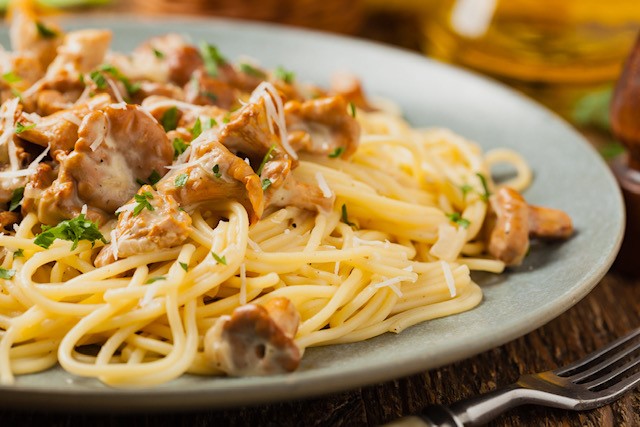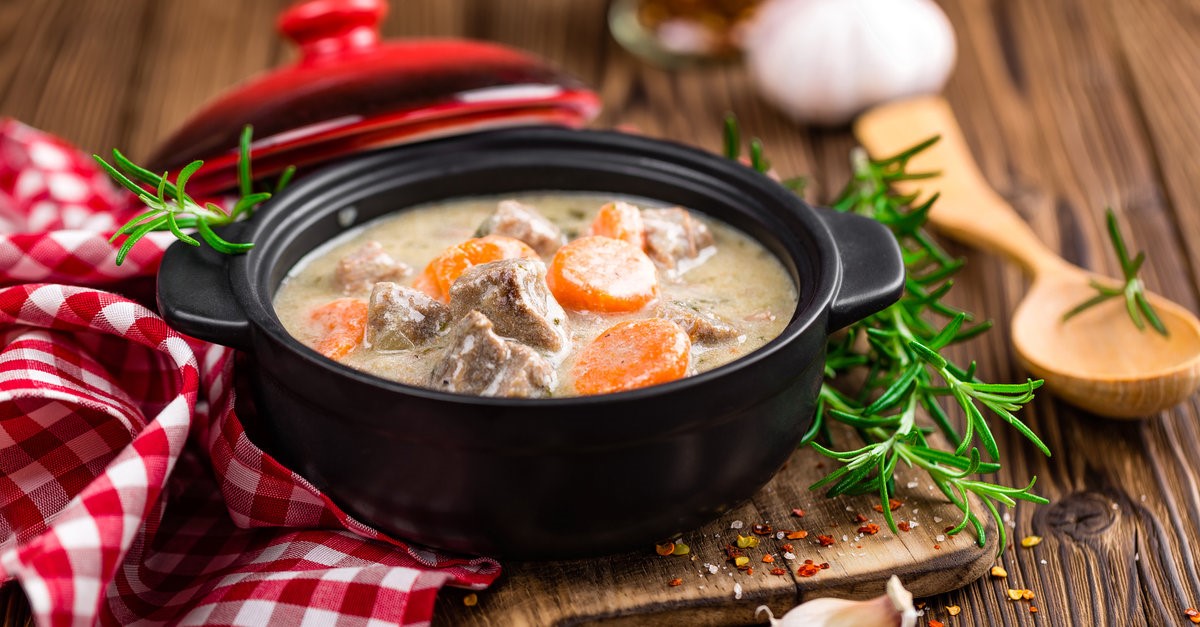







Our country is mainly regarded as a carnivorous nation. Cattle and chicken are the most widely eaten poultry. It is undoubtedly a classic of Hungarian cuisine, for which there are countless recipes.
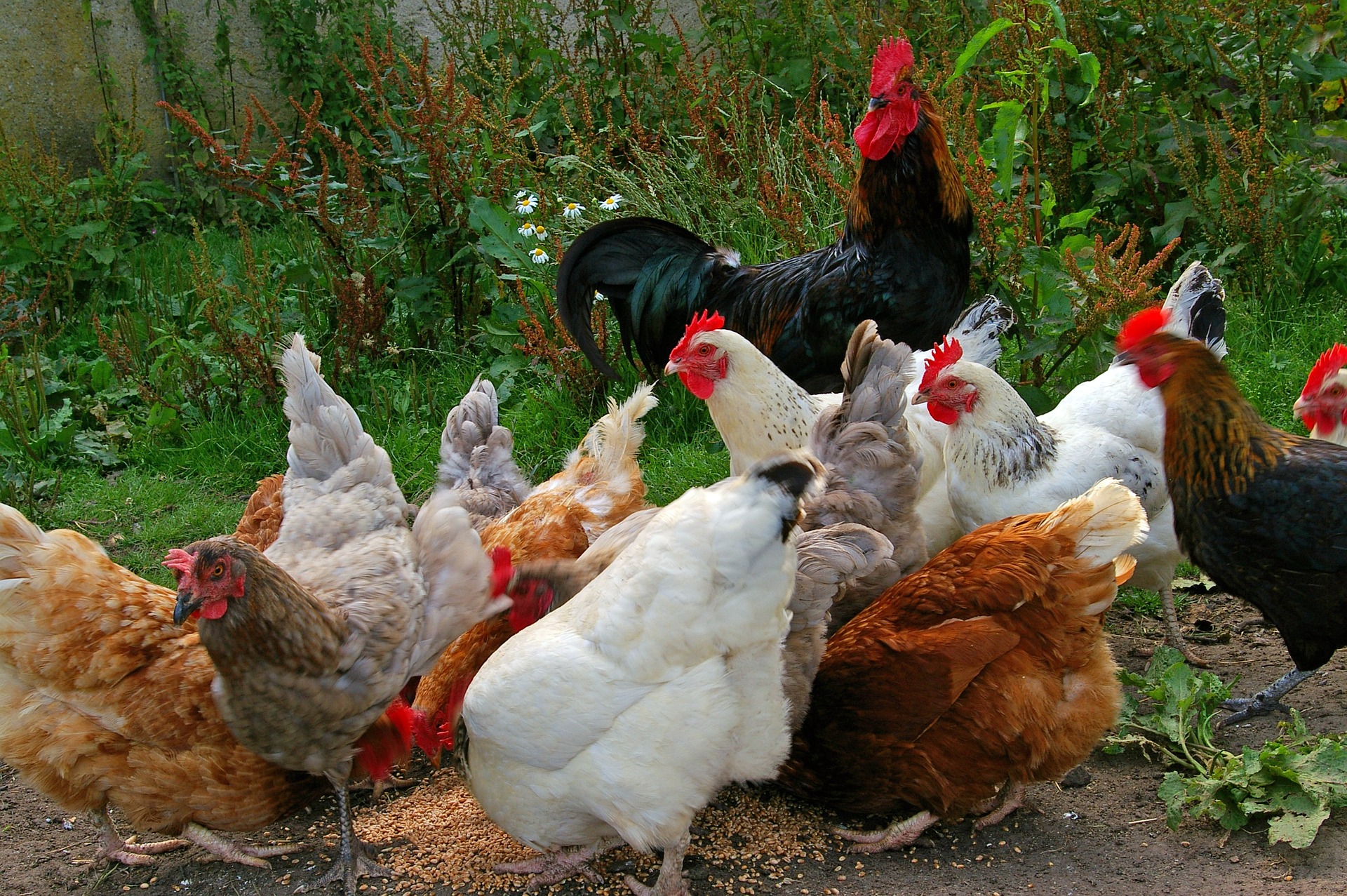
The chicken is ours too
A poultry or farmyard fowl refers to domesticated birds that have long been kept by humans for their eggs, meat and feathers. These include domestic fowls, quail, turkeys, guinea fowls or domestic geese and domestic ducks of the order goose. It is interesting to note that the so-called bankiva hen was domesticated in the 3rd millennium BC in the Indus region. At first only for animal sacrifice and cockfighting, but it was only later that it was realised that be useful as a permanent source of food. On the Mediterranean coast, geese, ducks and pigeons were domesticated in the 2nd-1st millennia BC. The turkey originated in the Americas and was first brought to Europe by the Vikings. The Hungarians were introduced to poultry farming through the turkeys before the conquest, which was later supplemented by the domestic goose and the domestic duck.
The domestic sheep were probably introduced to Central Europe by the Celts. Archaeological finds have shown that Roman hens were larger than those kept by the Avars. The small number of finds suggests that the conquering Hungarians probably brought with them an ancient version of the Hungarian farm hen from Eastern Europe. The late descendants of these hens began to evolve into the now protected chicken breeds at the end of the 19th century. But the Hungarian breeds that were bred out almost completely disappeared during the Second World War. In the early 1950s, breeding was restarted in Gödöllő, at the Small Animal Breeding Research Institute and on several farms.
Essential raw material
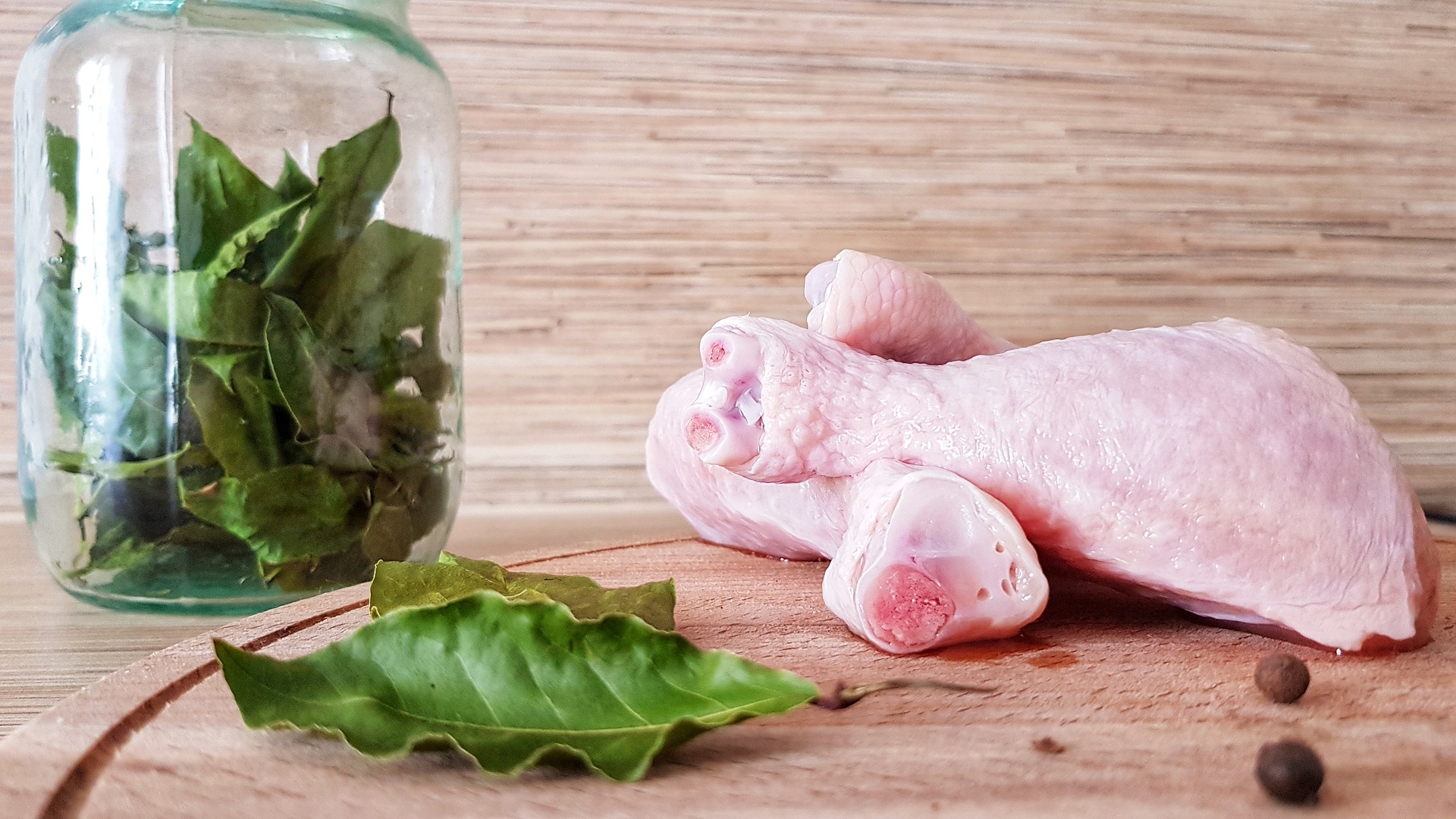
A chicken thigh is a completely traditional, easy-to-use ingredient, almost the best known in terms of its preparation methods. The number of recipes available is almost infinite, so that it is consumed in a multitude of forms, whether in households or in catering establishments. Chicken drumsticks are a clear and always an obvious solution because most people love it, and therefore dishes made from it should be on menus in some form.
The clear advantage of chicken thighs is that they are easy to prepare, delicious, and easy to use. It can be stored in the fridge and for extended periods in a deep freezer, which can simplify the work of caterers. What's more, no one can ever go wrong with the chicken nuggets, so you can be sure that you can present a meal that's just right for your guests.
It's worth soaking the breaded chicken thighs in a milk bath, which makes them incredibly crumbly. It's worth marinating overnight to not only achieve great textures, but also to infuse the thighs with the spices.
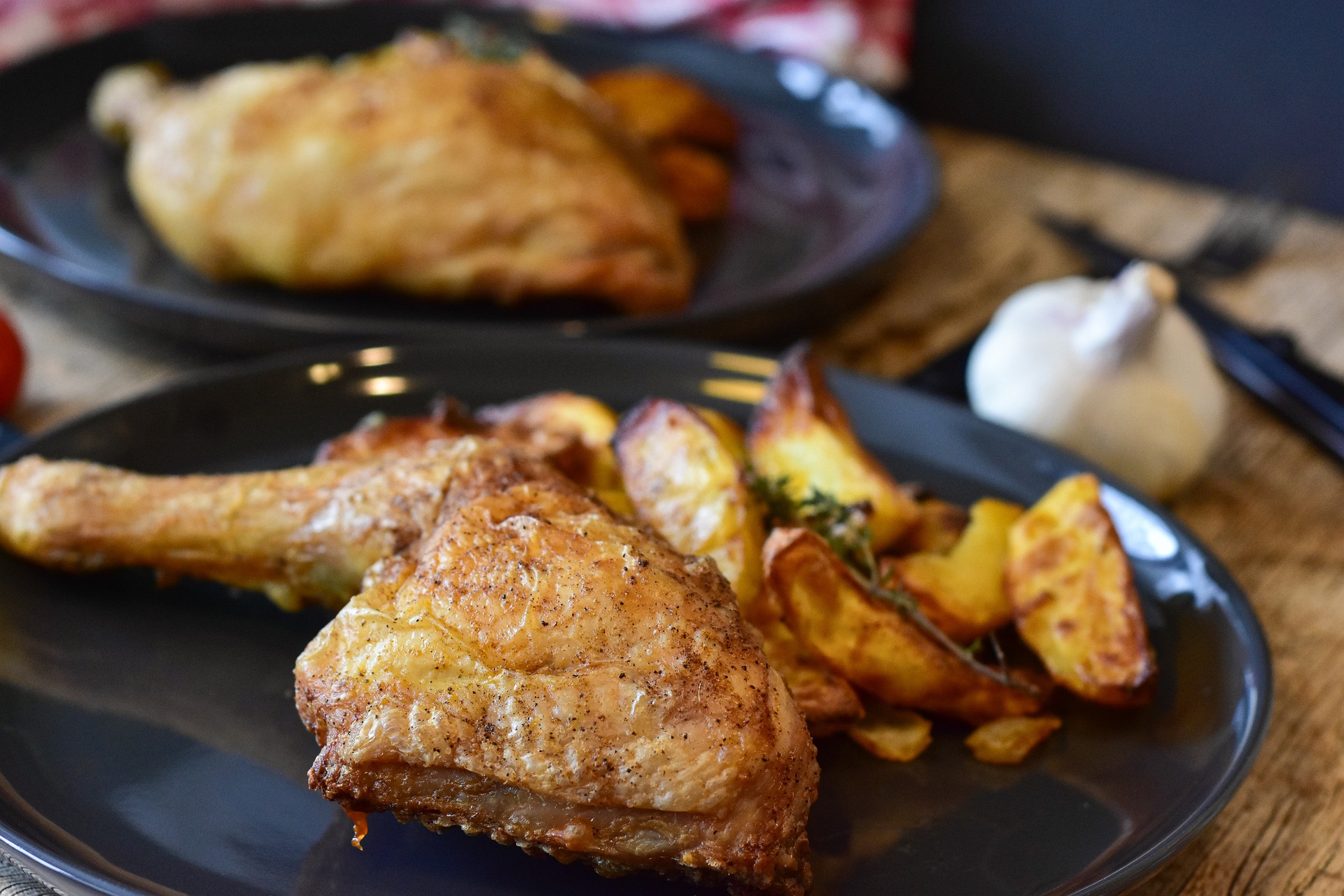
Why are chicken legs amazing?
The whole chicken thigh, in which the upper and lower thighs are joined by joints, can be used in all dishes in which the red meat of the chicken predominates. Perfect roasted, boiled, as a main course, in salads or even as an appetizer. Its meat is excellent for dieters. Chicken is cut up in many different ways, so thighs with a little back are common. Thanks to this great choice can be used with stews, but also with braised dishes. When boned, the meat can be shredded to make a great filling for a meat roll or even a pancake. Chicken paprikash, for example, is one of the most popular Hungarian dishes, and is one of the best examples of traditional Hungarian cuisine.
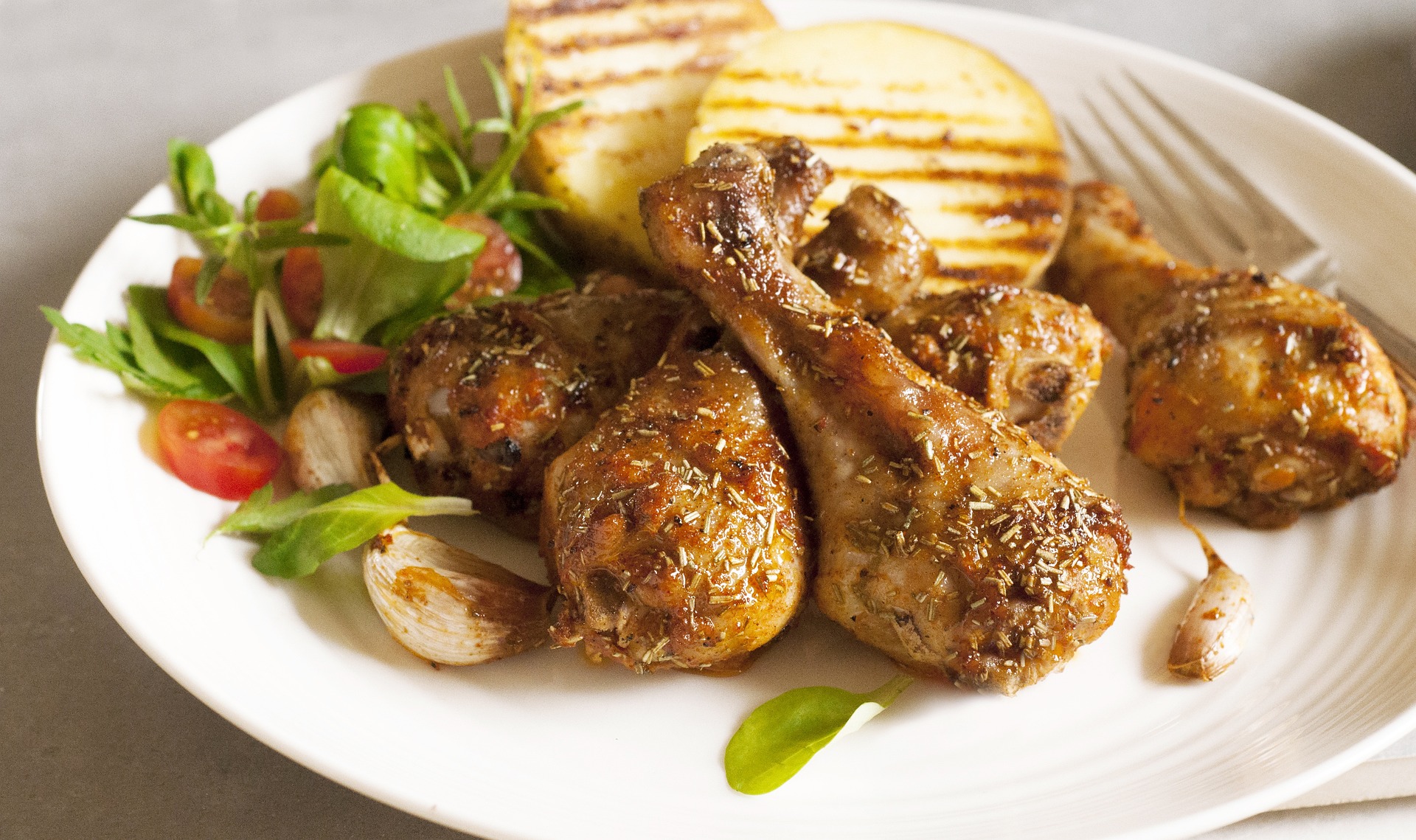
István Czifray:Hungarian National Cookbook
Written in 1830 for the „Hungarian farmers” wives", it is the first recipe for chicken paprikash, which by then had become one of the most popular dishes in the completely transformed Hungarian cuisine. By the 19th century, many foreign travellers were recommending paprika chicken alongside goulash.
„Paprika chicken. Take two or more chickens and cut them into pieces. Heat a piece of butter or lard in a copper pan, put in it paprika, allspice, onion, and cook it until it is yellow - then put in the cut-up chicken, and cook it again until it is tender - sprinkle it with a calan flour, pour a little meat juice over it, add some oil at your discretion to make the sauce thick - season it with paprika and serve it up.’