




We meet the writer in more places than we think. It's nutritious, packed with vitamins, has high energy value and is an essential ingredient in many foods, making our food taste better.
What is a writer and how is it made?
When the sour cream is spat out, after the butter has separated, it remains buttermilk. It is a kind of sour liquid, most like a dilute sour cream. Many countries around the world use it regularly in baking, in soups or even just as a source of energy, consumed as a cold drink. In India, it's a popular drink in the hot weather, and in America it's the base for many sweet cakes. In Hungary it is mostly only available in organic farms, where butter is produced in a traditional way and then the real buttermilk is left over from this process. It is rare and hard to come by, mainly because it goes bad very quickly, turning bitter in a few hours. It is sold commercially in small quantities, but can be found in cartons in some supermarkets. The fat content of buttermilk varies, as it basically depends on how fatty and sweet the sour cream was originally, and sometimes it is sweetened by the distributors, so it is worth reading the back of the label.
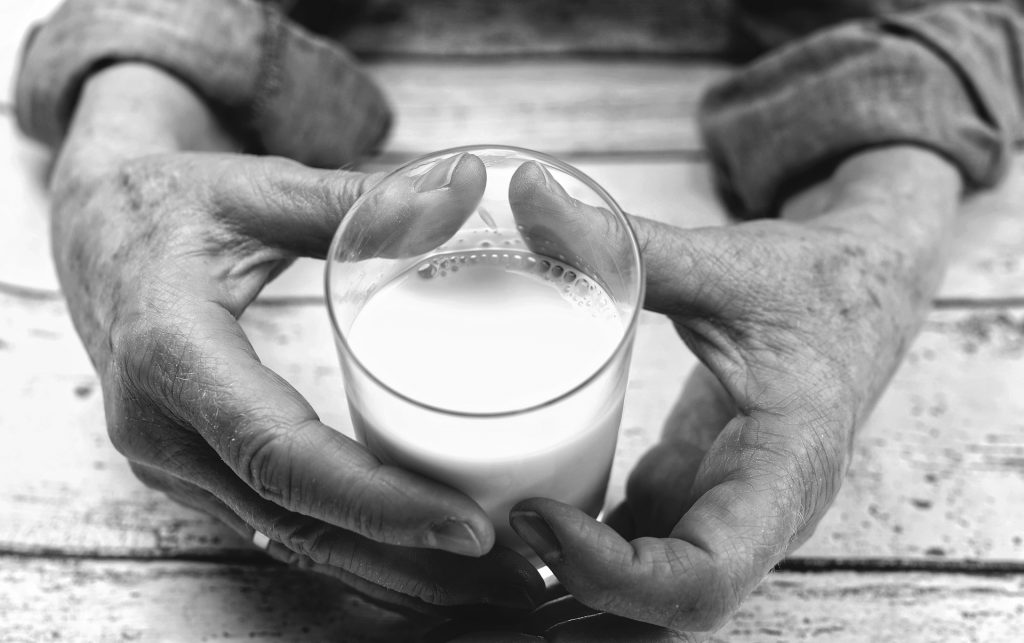
The vegetable cooking cream is rich in buttermilk
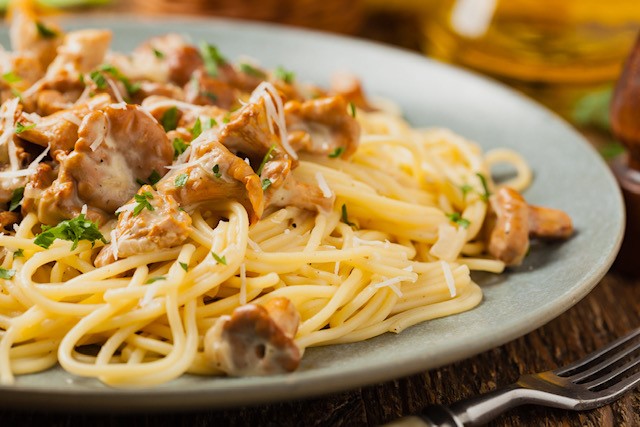
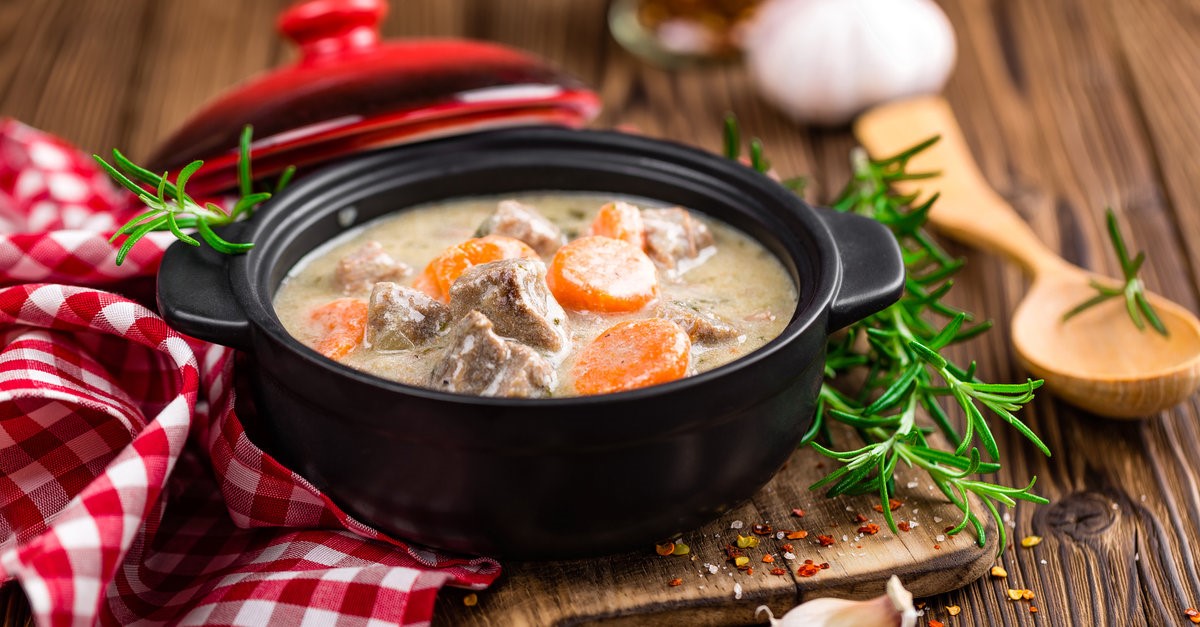
Creaminess, softness, flavours are all found in buttermilk, which is why it is often found in creamy foods. Such as vegetable cooking cream which is often used by people following a plant-based diet instead of animal-based cream. It is also a favourite in mushroom stews, cream soups, pasta sauces and the perfect French casserole. It's predictable, sufficiently thick and doesn't spoil as quickly as animal dairy products, so it will keep for days in the fridge. Although lactose is much lower in buttermilk, it still contains it, so lactose intolerant people should also be careful. Its consistency is thick and does not disappear after baking, it remains rich and can be used for roasted vegetables or to make sweet boiled, chocolate and fruit creams.
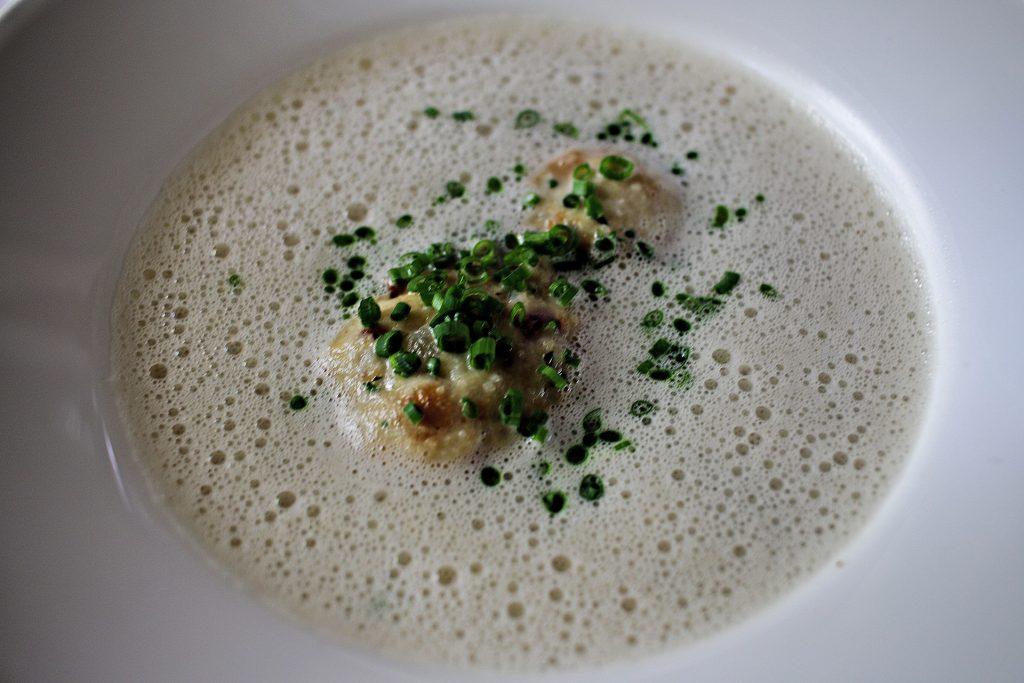
The natural energy drink
The composition of the writer is very rich. It contains high amounts of vitamins A, D, C, PP, E and all B vitamins. It is high in iron, phosphorus, potassium and calcium. On the other hand, it is very low in calories and therefore the drink itself can be described as diet, yet it is also referred to as an „energy drink„. In Western countries, it is often found in the diet prescribed by a dietician for ladies because it quickly boosts the metabolism, yet it is still filling and filling. It is usually eaten on its own at breakfast and lunch. Its composition is a real source of vitamins, which are good for the whole body. In winter it is a real treasure the lack of lots of vegetables and natural vitamins.
Buttermilk is not to be confused with whey, which is formed immediately after the milk curdles and has a yellowish, rather translucent colour.