





One of the best memories of my childhood is the late September apple harvest on our plot. I have no idea what kind of apple tree we had, but it produced delicious, tart, wonderful fruit. I rubbed the ones with the pretty patterns shiny and set them aside.
Since I had already noticed that everything in the world has almost a world day, I was not surprised to see that today is German Apple Day. Not just any apples, but German apples. And as I read up on the subject, I picked up some interesting facts about my favourite fruit.
From alma is a genus of the rose family, and this relationship extends to thorny apple trees, although they are not the majority. It is very adaptable, growing under almost any climate.
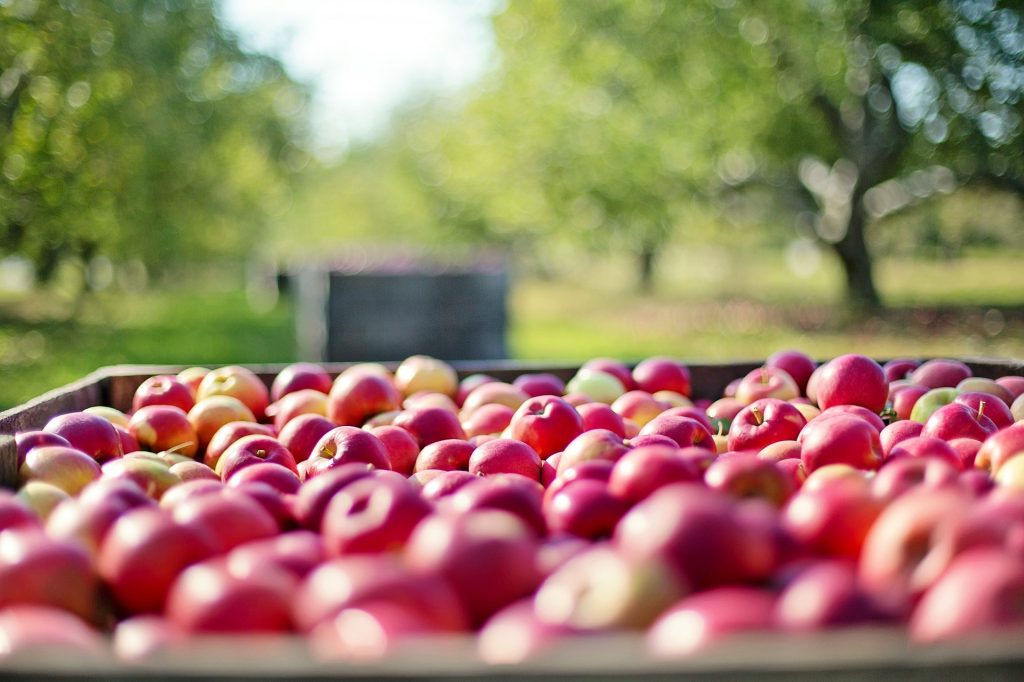
It is thought to have originated on the slopes of the Caucasus, from where it reached central Europe, taking advantage of the warming between the two ice ages. The Greeks cultivated several varieties (some sources say seven), the Romans knew about thirty varieties. It is strange that we know so much about the varieties of apples of the past, because when I was looking for information on apple varieties today, I found very different data: one dictionary gives 7,000, another 50, and a third 200. Thanks to targeted cultivation and breeding, there are now many varieties of apples to choose from, divided into two main groups: those for fresh consumption and those for processing (juice, jam, compote, etc.). We eat the false fruit, as our mother Eve did when she was persuaded by the serpent. Thanks to her, the apple is seen as a symbol of sexuality, fertility, knowledge and choice.
Combines well with other fruits(in jams, juices), it can be frozen and you can bake the most popular cake, apple pie, in January.