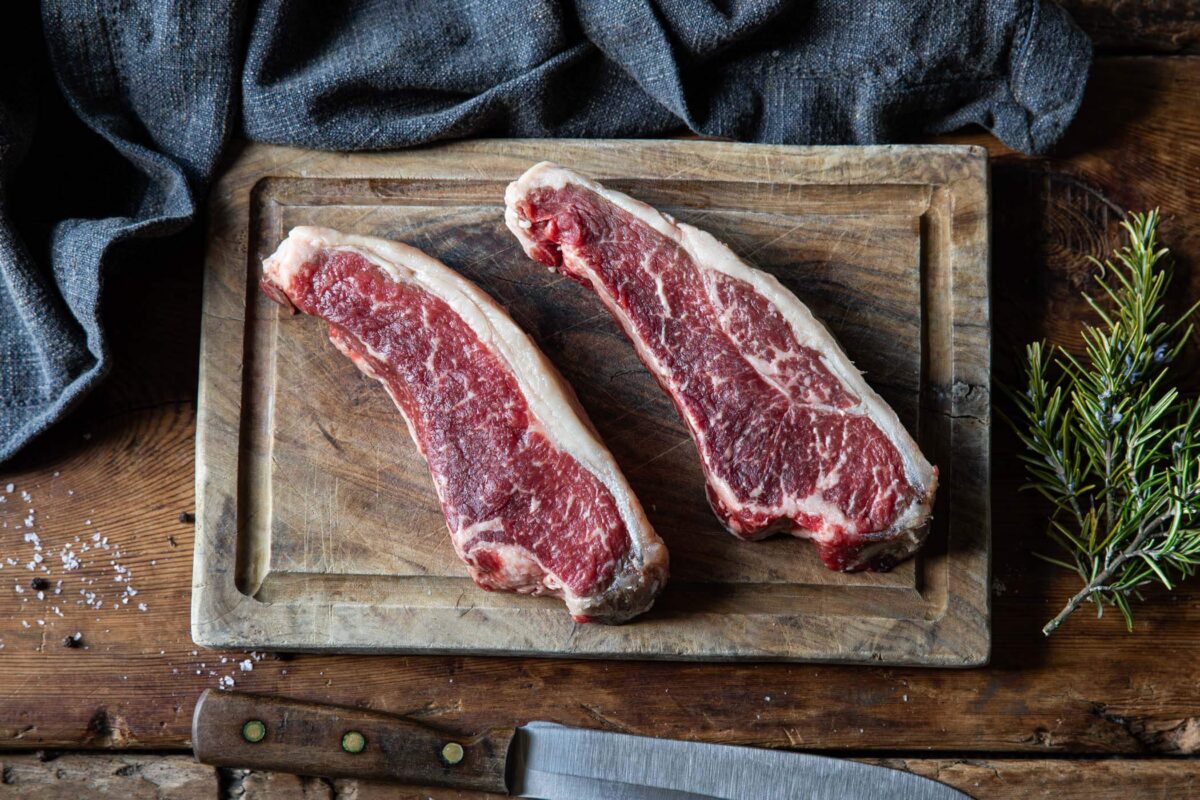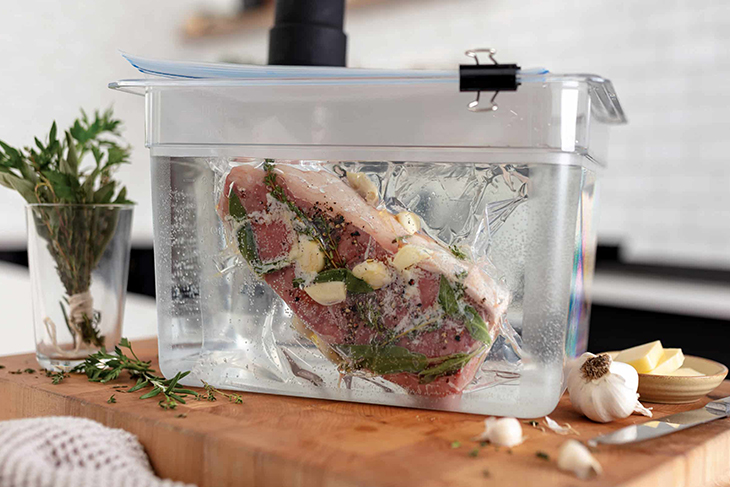







Once upon a time, someone recently cooked me some very tasty meat in a pan, and it was almost done when he threw a little green something on top, which gave it a very special smell and aroma. I asked what the little green thing was and was told it was sage.
I really like natural things and it was a very idyllic idea to just go out into the garden, pluck a few leaves, throw them in the bowl and the taste experience goes up a level. But from my reading memories, some sort of witchcraft and magic came to mind, so I did some quick research.
There are almost a thousand different kinds of sage in one genus, the one we refer to as sage is the medicinal sage. It's a perennial, evergreen-leaved half-shrub. Native to the Dalmatian coast, it is cultivated both as a medicinal and ornamental plant.
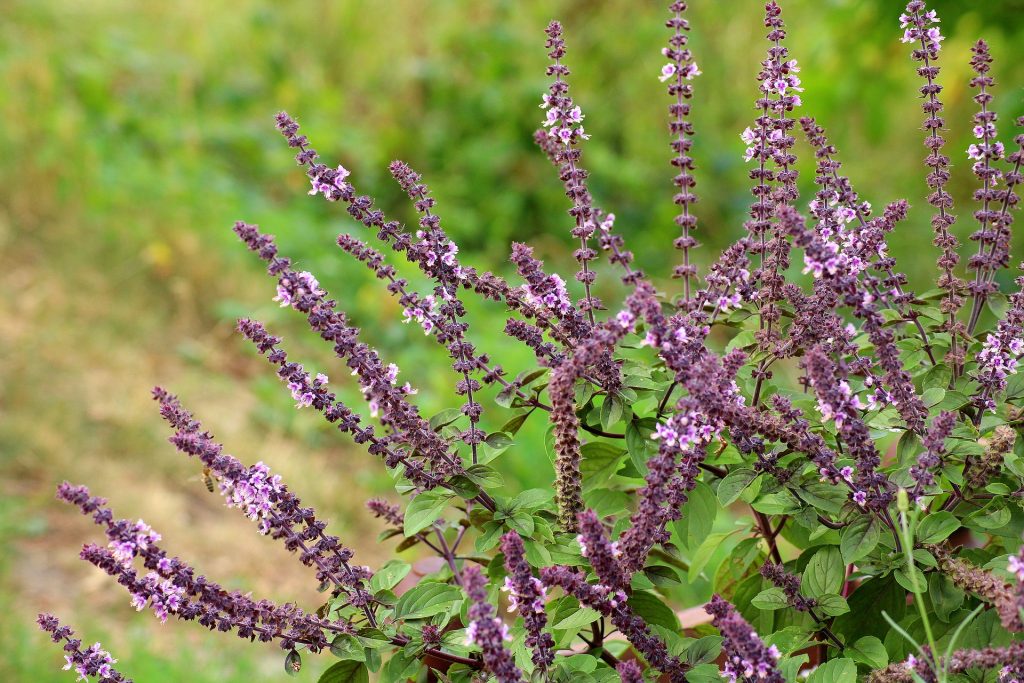
In folk medicine it has been used to treat sore throats, oral diseases, sweating and intestinal infections, and is also said to be a nervine. The ancient Greeks - and we know they knew something about it - regarded it as a plant of wisdom and sophisticated thought, and some Arabic physicians even believed that sage could make you immortal. The magic that dawned on me was that there was a species of sage in Central America that was used by shamans and was actually a hallucinogenic. Our European sage is much gentler than that, it was used more for healing.
There is a special substance that is found in very high percentages in sage, called thujone. This stuff is poisonous to brain and liver cells and in large doses can cause convulsions. This particular substance is made famous by a legendary alcohol, absinthe. There was also a disease called absinthe, for which thujone was held mainly responsible, even though the poor man was innocent, and absinthe itself is a fictional disease. It was a kind of alcoholism, accompanied by hallucinations and seizures, which is why this hospital green drink was banned for a time. I don't know, I tried absinthe, it didn't do me any harm, but it's true that I felt like I was swallowing rusty metal. No wonder, absinthe has an alcohol content of around 50-60%, for the weak I think that fact alone can cause hallucinations.
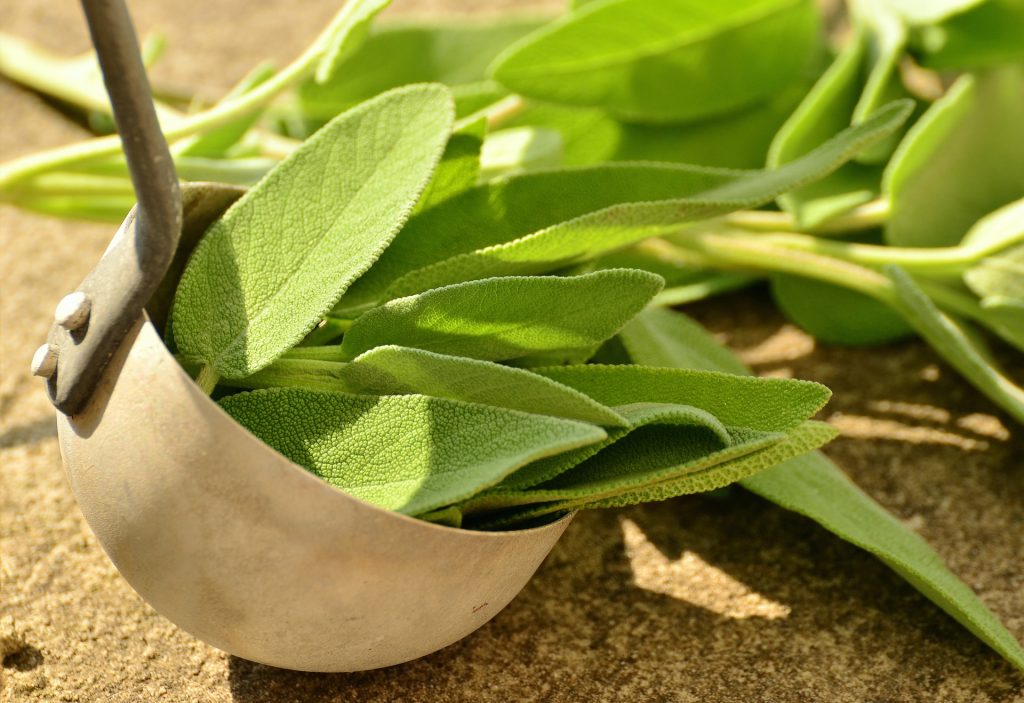
So poor tujon was innocent in this, but returning to sage, it is true that it is a small amount of medicine, but too much can be harmful, and prolonged use of sage essential oil is not recommended. But as a spice it is very much worth using. If you pick fresh sage, it will keep for up to 4 days in the fridge. It can be used to make cooking oil, frozen and dried. Of course, the cliché that fresh is always better applies here too, so if you have a spare palm on your windowsill, grow a sage in a pot, it's worth the effort.
It goes well with all sorts of tomato-based cucumbers, and often shows up in risottos. It pairs well with all meats, it is usually recommended for poultry recipes, but it is also delicious with lamb.