






Without Georges-Auguste Escoffier, there would be no Gordon Ramsay, Jamie Oliver or Zé Fördős today. Escoffier was not only the first celebrity chef, but he also invented the habits that would spread around the world. Towards the end of the 19th century, he was the one who decided to leave the kitchen. At first he only went out to the restaurant section, but later he didn't escape the limelight. Naming hundreds of his new creations after the biggest stars of the era was just one small stage in a process that has culminated in today's star chefs, who enjoy huge popularity and acclaim around the world.
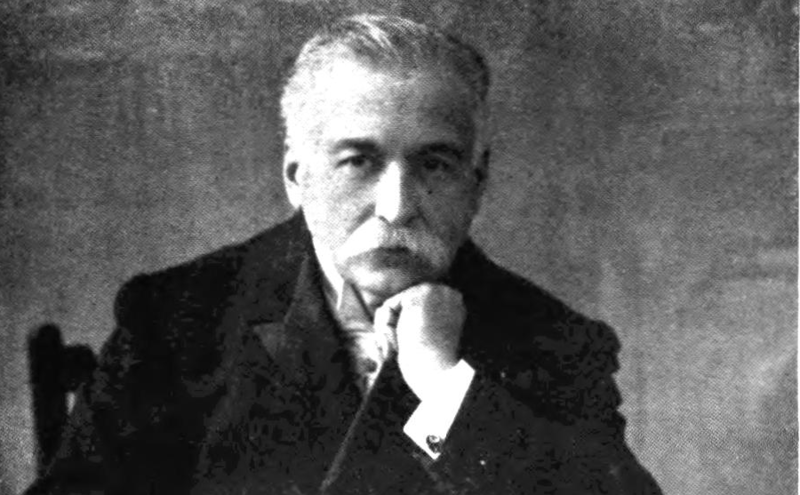
Escoffier recorded thousands of new recipes, most of which were served at the Savoy in London or the Ritz in Paris. Some were genius inventions, others were just a classic French dish with a tiny twist. Many of them have names. First there are the dishes associated with historical figures, the Rossini egg, the Zola consommé, the Agnès Sorel omelette (inspired by Charles VII's mistress), and then he started to hand out the names of the superstars of his own time. A whole chorus of opera singers' names can be found in his recipe collection, the most famous of which are Melba toast and Melba-style peaches, Pêche Melba.
Before Escoffier, the chef as such was a despised, manual labourer, no better than the rest. The children of the working class began working in the kitchen, working for years in hot steam, in harsh conditions, often downing something strong to keep them going. But Escoffier had other ideas, his kitchen was bright, tidy, spotlessly clean and the workers were sober. And - a first in the Western world - the chef came out of the kitchen and greeted his guests. Until then, the chef was as anonymous a nobody as the boy who peeled the potatoes.
He was not only a brilliant chef, but also a great charmer, and his guests quickly took a liking to him. His contemporaries describe him as a commanding personality, with a walrus moustache that made him look like an artist or statesman. „If he were a man of words rather than a wooden spoon, he would certainly be a poet,” they said. He was particularly gallant with women, and enjoyed the attention and company of the weaker sex immensely.
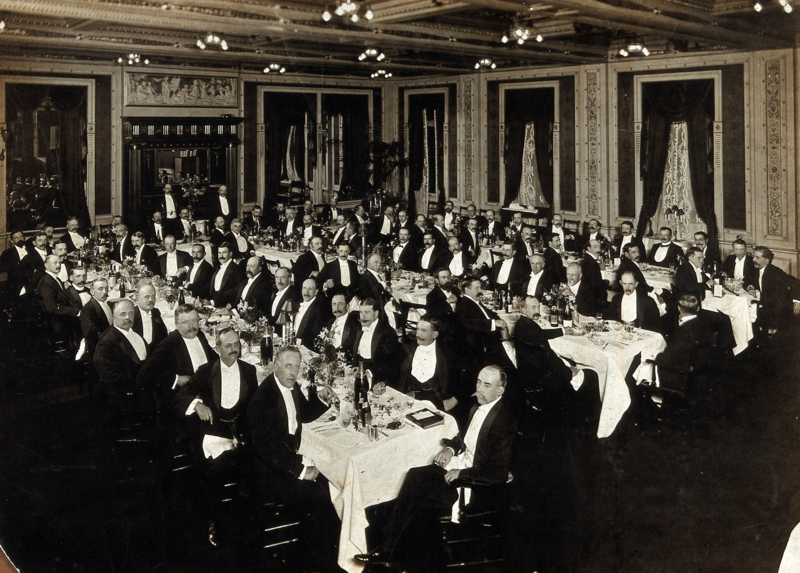
A few decades ago, neither chefs nor women were welcome in the dining rooms of the high society in Europe's capitals. Invisibility was the default expectation for food preparers, and women were safely tucked away at home. Gentlemen could take mistresses or prostitutes to private rooms if they really had to, but these restaurants were essentially men's clubs. The growing independence of women towards the end of the 19th century also meant that they slowly infiltrated the catering trade. At the same time, another very important social change took place: acting and opera singing became a serious profession, so that actresses and singers were no longer failed women, but stars worthy of respect and admiration, and welcomed in the most fashionable places. It's amazing the connections, isn't it?
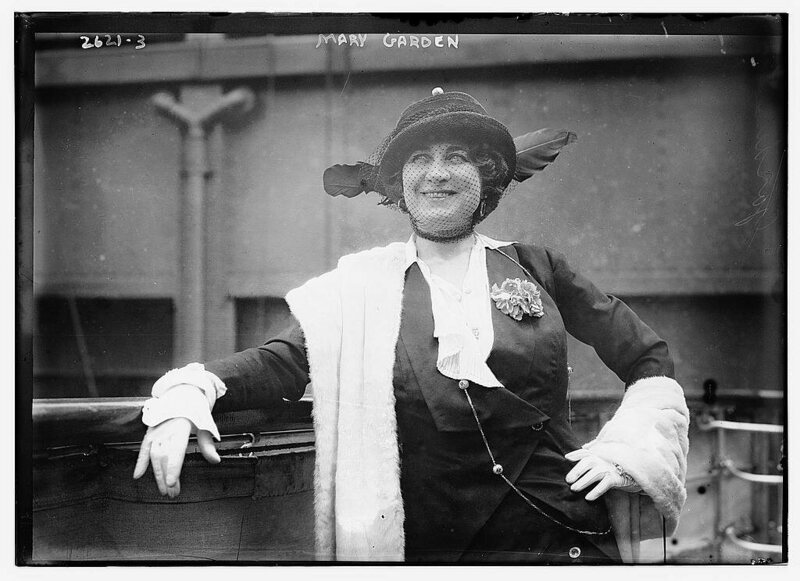
This wonderful era could go on and on, with the birth of the Mary Garden cake, a sweet for Emma Calve, a stuffed chicken recipe for Adelina Patti and a dessert for Sarah Bernhardt. Escoffier kept notes on his famous guests, what they liked and didn't like, and used them to create the perfect meal for them. Today, most of these recipes are a thing of the past, but their memory remains... The memory of the world's most famous chef, who named his creations after the world's most famous people.
source: atlasobscura.com