





Chocolate is almost everything you want. Festive, exciting, varied, indulgent, delicious and sweet. But some people make it their business to taste chocolate every day. How is it?
Lilla Tóth-Tatai, better known as the Cocoa Ambassador, proves every time that eating chocolate is not only free, but a must for everyone to be happy. It's healthy, nutritious, good fun and there are so many varieties of chocolate made in the world that we won't get to the end of the line for the rest of our lives. There is just one condition, look at the back of the wrapper to make sure, really real chocolate we taste!
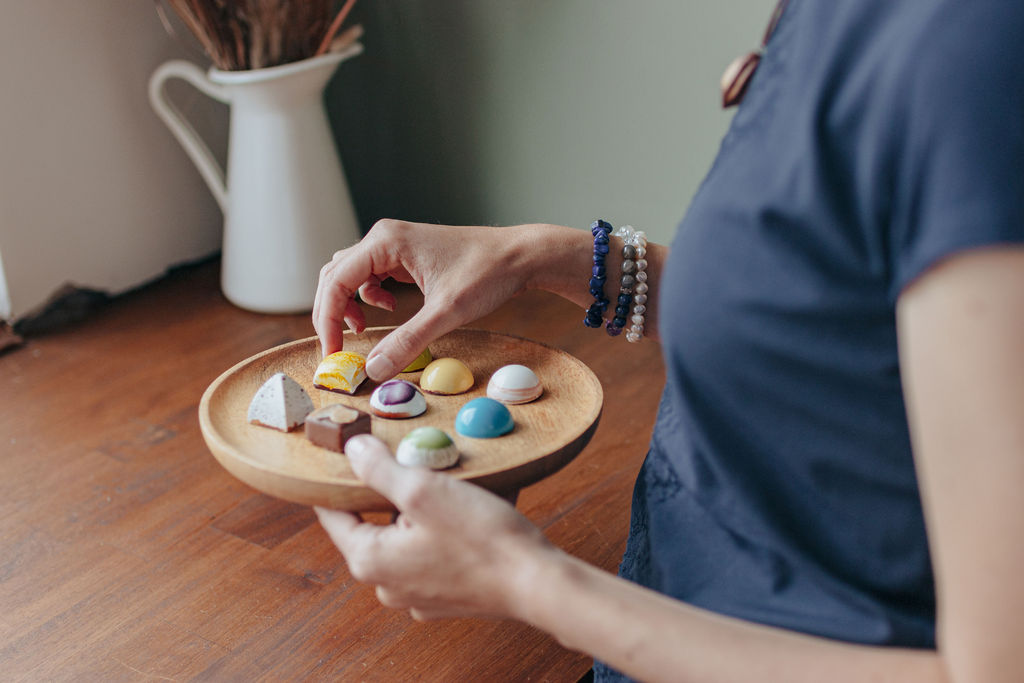
By profession, you are a chocolate expert and taster. What do you imagine a day like for you?
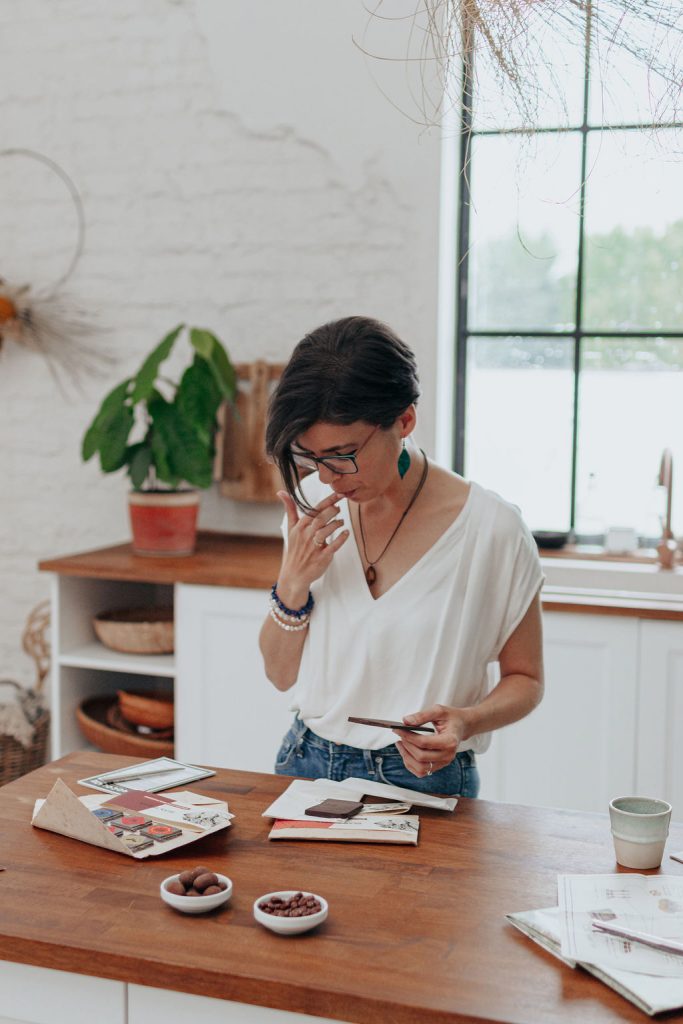
Of course I don't work with chocolate every day, but I eat it every day. However, when there is a competition, especially an international one, I taste chocolates from all over the world all day long. There is usually a big box full of different chocolates with just numbers on them. The anonymity of the competition is very important and there are many of us, in many places, tasting, scoring and judging at the same time. We only know what spice is in each chocolate and where it comes from, the rest is up to me to formulate the judging. You can taste 25 varieties in a row, after which you have to take a break because your taste buds get tired. As with wine, perfumes and coffee, there are neutralising foods. Mostly neutral tasting lukewarm tea or watered down and unsalted cornflakes should be eaten between two tastings, after which you can continue. I usually stop at 15 because I find it harder to concentrate on the flavours after that..
How does one become an official chocolate taster?
It started as an absolute hobby, because I have always been fascinated by gastronomy, and in particular the world of confectionery and chocolates. In the first years I planned to become a bonbon maker. During my work in England I had the opportunity to do tastings and workshops, and that's when I realised that this was more my field. There's no formal way of becoming a chocolate connoisseur, as it's still a relatively new field. I have completed courses at two international schools, and my successful completion of the International Institute of Chocolate and Cacao Tasting (IICCT) Level 2 course allows me to judge the International Chocolate Awards. But the learning never ends, next year I plan to do a course in cocoa bean grading (quasi quality control) and I would also like to delve a little deeper into the world of specialty coffees.
What flavours were the most exciting and what do you recommend to readers?
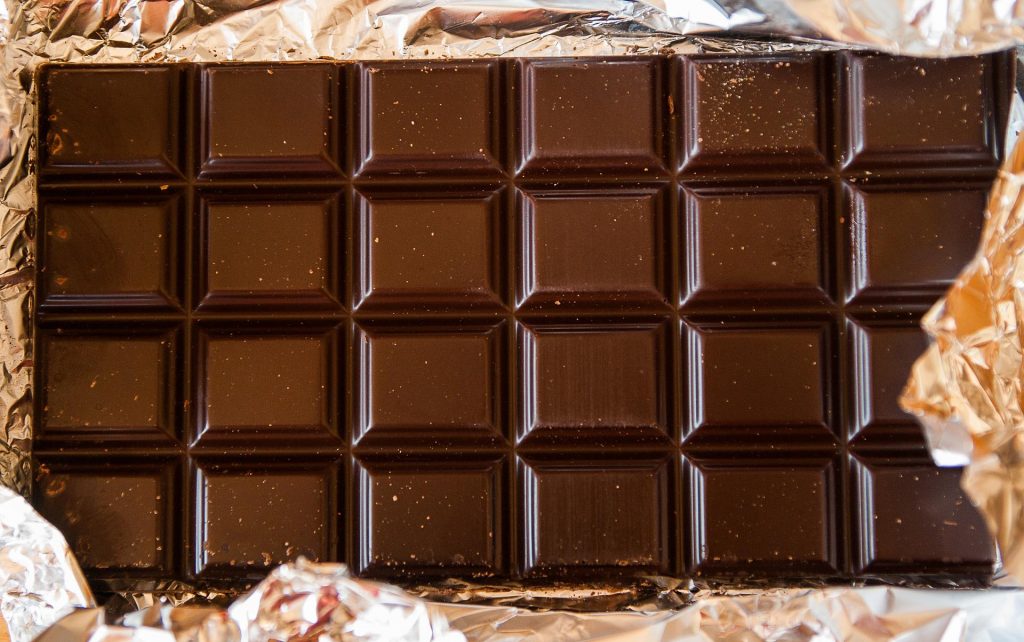
In all cases, I support artisanal, „ bean to bar” chocolates. There are already many artisan chocolate makers in Hungary whose chocolate bars are available and the price is affordable. I recommend them first and foremost, but those who want gourmet delicacies can also choose. In Asia, for example, they love to spice up their chocolates with various fibre teas. The barrel-aged ones are very exciting - they take on the flavour of the barrel, and I've tasted some with caramelised onions. Tastes and tastes vary, of course, but the bottom line is that they are all pure chocolate. Made from cocoa beans, it has very minimal sugar, yet it's deliciously sweet, slightly creamy and very intense.
It all started with bon-bon..
Everything about mass chocolate making can be traced back to the industrial revolution. It was then that it became a mass product, but until then it was only available to a very small group of people," says Lilla. At first, it was only consumed in the form of hot chocolate, i.e. mostly liquid, and it was not until 1847 that the first chocolate bars were produced... The biggest breakthrough came in the late 1800s in Germany, when hollow figurine chocolates were launched. Metal moulds - still in existence today - were used to make Santas, angels and animals for Christmas, Easter and Valentine's Day. Now polycarbonate moulds are mostly used, but their popularity is undiminished.
The bonbon itself, however, was something of a miracle. They were tiny, with different fillings, and they were an ornament on their own. And not just the bonbon tray, but later on the bonbon boxes. In the early 1900s, a Belgian pastry chef, Jean Neuhaus, invented and perfected the making of bonbons, and his wife the beautiful decorative boxes. The popularity of this has not changed to this day, only the range has broadened and literally become more colourful. Then came the nougats, the pralines, the caramel creams, and then the mass production of these too. This has diluted the quality of many of them, but it has also made it possible for everyone to have a bite of candy.
How to choose chocolate and what to look for on the back of the wrapper?
I have two methods to quickly decide what is quality or not. One is the expiry date, the other is the number of ingredients. If you see that the candy expires in about a year, or even longer than that, it's definitely high in artificial additives and not very good quality. Candies made with fresh ingredients should be consumed within 1-2 weeks. In the case of bar chocolates, you have more time, white and milk chocolates should be eaten within 1 year, but dark chocolate can last up to several years if there are no fillings or flavourings that can spoil (oil seeds go rancid, lyophilised fruit becomes sticky). The other thing is the ingredient. The bottom line is, the less the better. In terms of numbers, that means a dark chocolate should have two ingredients, three at the most. Cocoa mass, sugar and a little extra cocoa butter. On top of that, the flavouring is myriad, but the chocolate ingredients should not have 2-3 lines of explanation, coloured in upper and lower case.
What chocolate to top your Christmas cakes that you can afford?
I think that here too, less is sometimes more. Many people think that dark chocolate is very bitter and milk chocolate is very sweet and creamy. This is not quite the case with bean to bar. The chocolates are delicious and all it takes is a bite, a drop or a thin layer on top of an isler or a bun for a heavenly taste experience. If you can, avoid cocoa coatings, try using a chocolate from around 70% for your cakes this year.
Are you pretty, slim and always eating chocolate? What are you doing right, tell me!
I think the secret is to eat good quality, pure chocolate in moderation, but on a consistent basis. Of course, who has a sweet tooth, but I really like chocolate, I eat some every day and I always have some with me, even in my bag. I also give my friends some of the chocolates I have accumulated, because, as I mentioned, good chocolates don't last until next Christmas, but I give them a little bit. Well, not because I feel sorry for them, and many are surprised that „you only brought so many chocolates”, after all, they can't eat that much either. I eat tiny cubes of several varieties, which I count and pass on. A lot of people feel guilty about eating chocolate, but it's an unnecessary thing. Let's exercise, eat in moderation, and then never regret it for a moment, because a bite of chocolate is a real boost not only for the body but also for the soul.
Lilla's recipe recommendation:
Paul. The Young - Hot chocolate with mulled wine recipe
- 400 g brown sugar
- 200 g cocoa powder
- 2 cinnamon sticks
- 5 star anise
- 8 cloves
- 500 g 70% dark chocolate
- 2 mandarins, peeled, cut in half
- 1 rosemary sprig
- 1 bottle of red wine with fruit 500ml of water with sugar, cocoa powder and spices to boil. Remove from the heat, add the chopped dark chocolate and stir well until smooth. Add the mandarins and rosemary sprigs and leave to stand for 10 minutes. Pour in the red wine and heat gently (do not boil off the alcohol) Serve warm rather than hot
The original recipe: Adventures with Chocolate by Paul A Young (Kyle Books) Photography by Anders Schønnemann.
Source: https://www.greatbritishchefs.com/recipes/mulled-wine-hot-chocolate-recipe