







There are one and a half million vacancies worldwide, almost as many as the entire population of Budapest. According to an analysis by an adjunct professor at New York University, this is the future for the hospitality and tourism sector. Where and to what extent can robots replace human labour?
Here in Hungary, we tend to interpret our problems as a kind of „Hungarian disease”, as a cursed fate. This is no different in the hospitality industry: the waning will to work among young people, the lack of lack of humble work and perseverance but it is not at all specific to Hungary.
Max Starkov, Adjunct Professor at the New York University Hospitality Center analysed by one of the most pressing problems in hospitality and tourism today.
Labour shortages have been a problem in the tourism and hospitality sector for decades. The phenomenon has been Covid period and, as has been said since 2020, the sector has „merely” received a coup de grace in the three years since then.
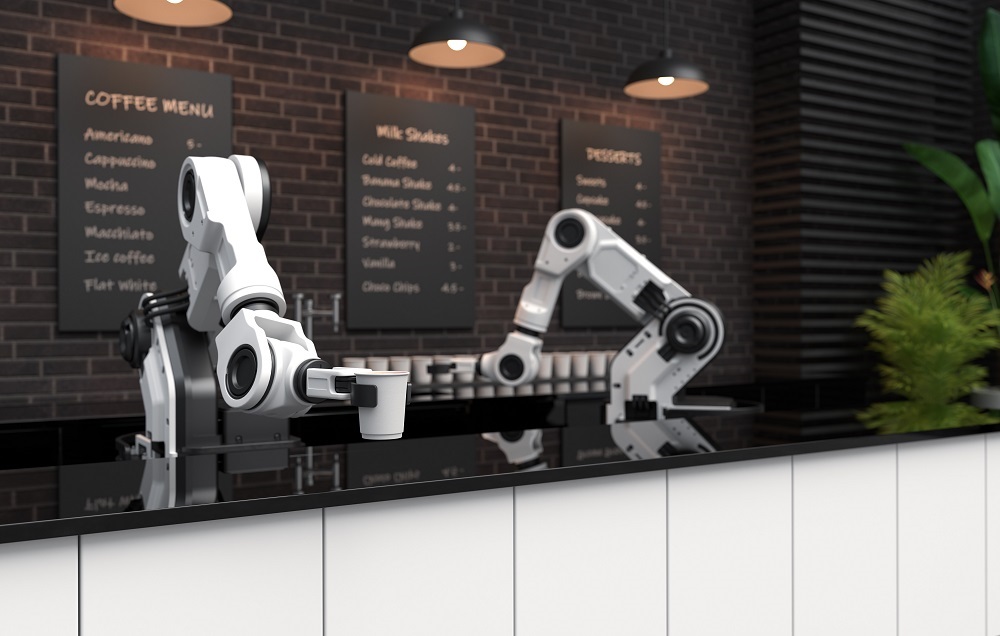
No longer science fiction, the robot workforce has entered the hospitality sector
It has been predicted for years, but many of us still feel that for the time being, the robotisation of catering is still a science fiction idea.In 2023, we can be sure that automation will not only appear in Japan, South Korea and other „future” countries.
In Hungary, we already have a machine-assisted self-service system that does not involve human employees. Just think of the cash registers without cashier (person) in grocery stores or even the parcel collection points that have appeared all over the country. They take entire human jobs out of the running of commerce.
The expert believes that a number of macroeconomic and social factors are pushing the hospitality industry in the direction of - and in recent years have been forcing it to accelerate the pace of human-contactless service. According to a shocking figure he cites, there were 1.5 million unfilled positions in the hospitality-hotel sector in the fourth quarter of 2022.
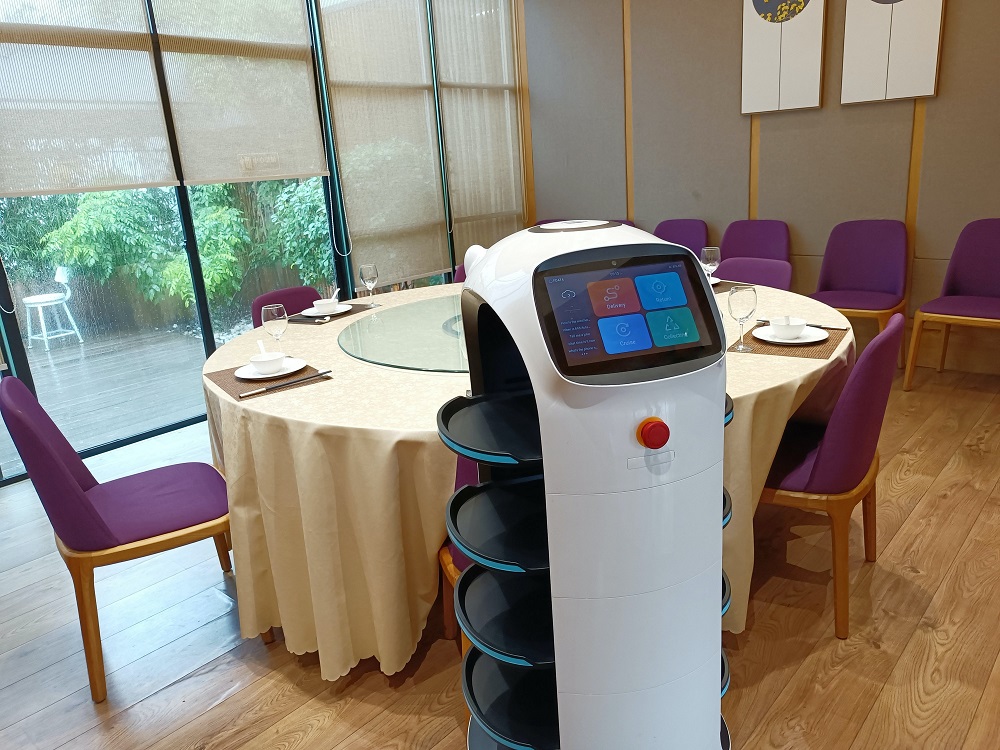
Do you necessarily expect a human presence in restaurants and hotels?
As you can see, the problem is far from being country-specific, it is worldwide. More and more company management is recognising that previous concerns automation becomes essential, which also means the need for increased investment in technology.
The expert believes that the perception that guests necessarily require human services in all cases is greatly exaggerated. In his view, this is an old belief, and there are many positive examples in the tourism and hospitality sector today that show that services that have emphasised human labour have a flawless customer experience.
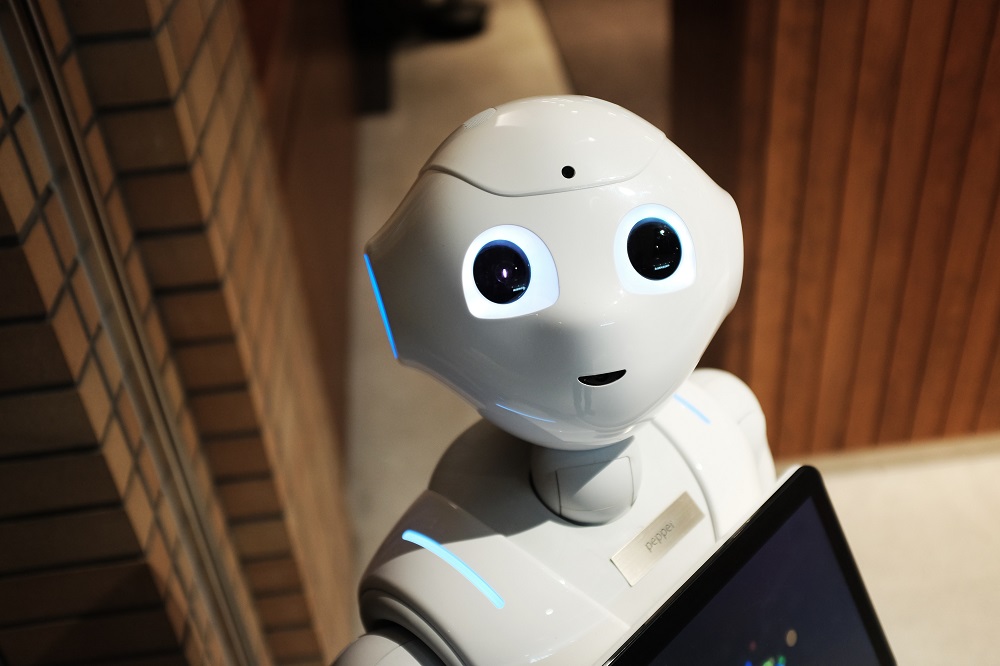
In some positions, human presence is irreplaceable
As Max Starkov explains, experience has shown that when there is no human contact between hosts and guests, guests not only don't complain about the service, they love it. There are many reasons for this, from the smooth, faster service to the often tired, untrained or non-speaking staff.
Starkov also added that the luxury end of the sector, upwards from the four- and five-star levels, can certainly continue to maintain the message of their services, which emphasises the personal touch with guests. However, the trend in this sector is also likely to be that front-office services will remain dominated by this directive - such as welcoming guests, service and information - and this will be communicated outwards by the most popular places. However, in the back-office, i.e. back-office operations, we can expect a steady shift towards automation, which may include smart solutions that also affect guest information.