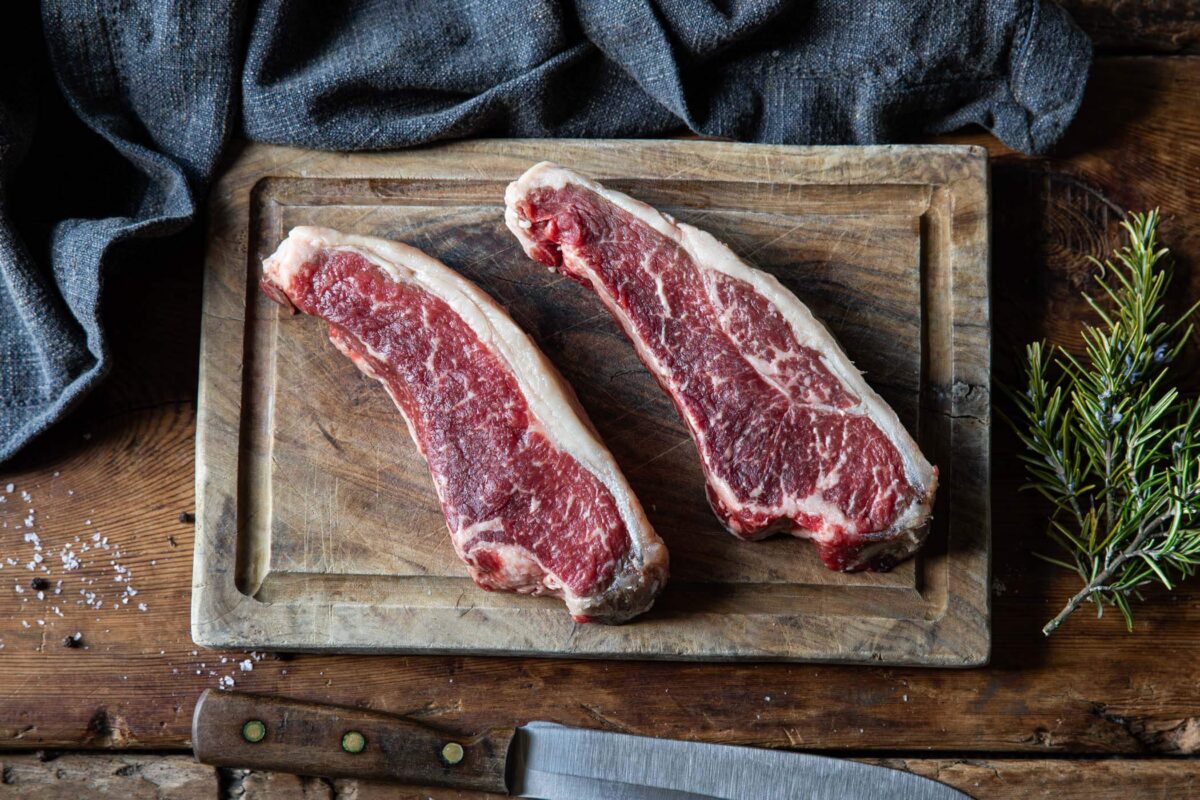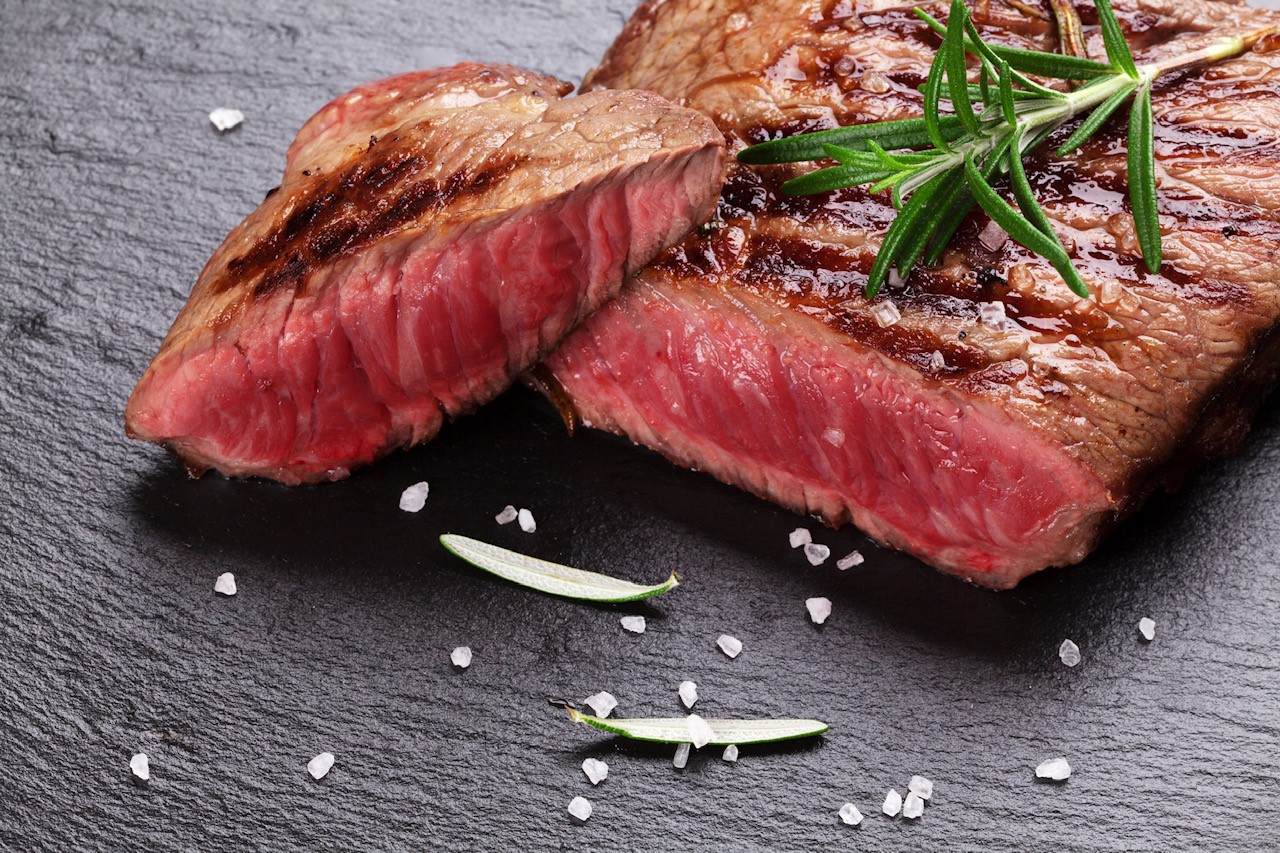







Anthony Bourdain was legendary for saying that this is the most boring cut of meat. But many people think it's the steak itself, which of course is not true. It's beef and kidney steak, commonly known as sirloin steak.
Steak has long been synonymous with luxury and of course the finest quality meat, much like the for foie gras. The reference to tenderloin works well in today's speech: when you mention the expensive cut of meat, everyone will understand what you mean. It's not the key to survival to eat tenderloin, but it's also a sign of sophistication to choose a noble cut of meat. Times are changing, of course, and the world has opened up for Hungary, gastronomy in the sense of. So, if you want to say real modern (meat) snobbery, it's much more punchy to Wagyut we mention. It's eaten by the elite around the world.
The intestine is eternal, even if the beloved, tragically deceased Anthony Bourdain said in a memorable interview with Insider that the most boring, uninteresting meat is the steak.
Why do chefs and ordinary consumers think otherwise?
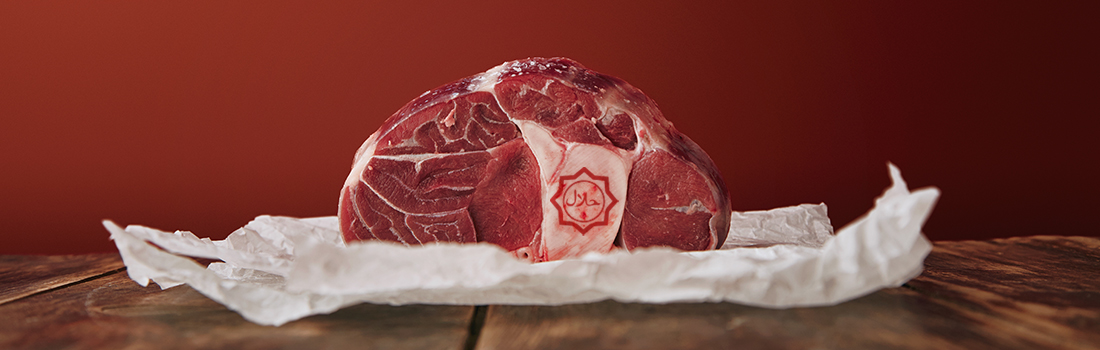
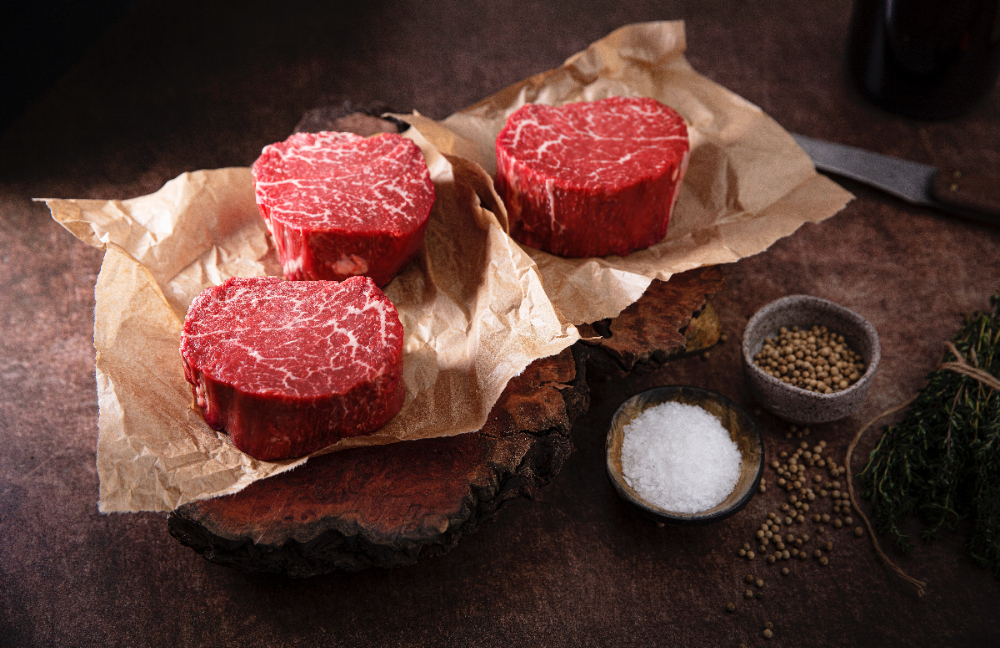
The answer is clear. A intestine, also known as kidney tenderloin, is an extremely tender and low-fat cut of beef. Its softness and flabbiness is due to the fact that it comes from a part of the body of the beef animal that hardly moves during its lifetime. A beef anatomically, the intestine is the clean flesh between the high dorsal and caudal tendons and under the flat dorsal tendon. And speaking of anatomy, this is the large groin muscle, or musculus psoas major.
The elongated, cylindrical, pure, low-fat meat obtained is identical to the with tenderloin of pork, which is also considered the most prized of all pork cuts. But the excitement of beef is in its fatty textures and more distinctive flavours, which explains why it is a speciality for the lay consumer with its clean, lean meat, but not so interesting for the steak aficionado. To them, it's just a lean lean meat.
Look for filet mignon on menus abroad!
All this does not detract from the popularity of the steak around the world, which is filet mignon on the menus.
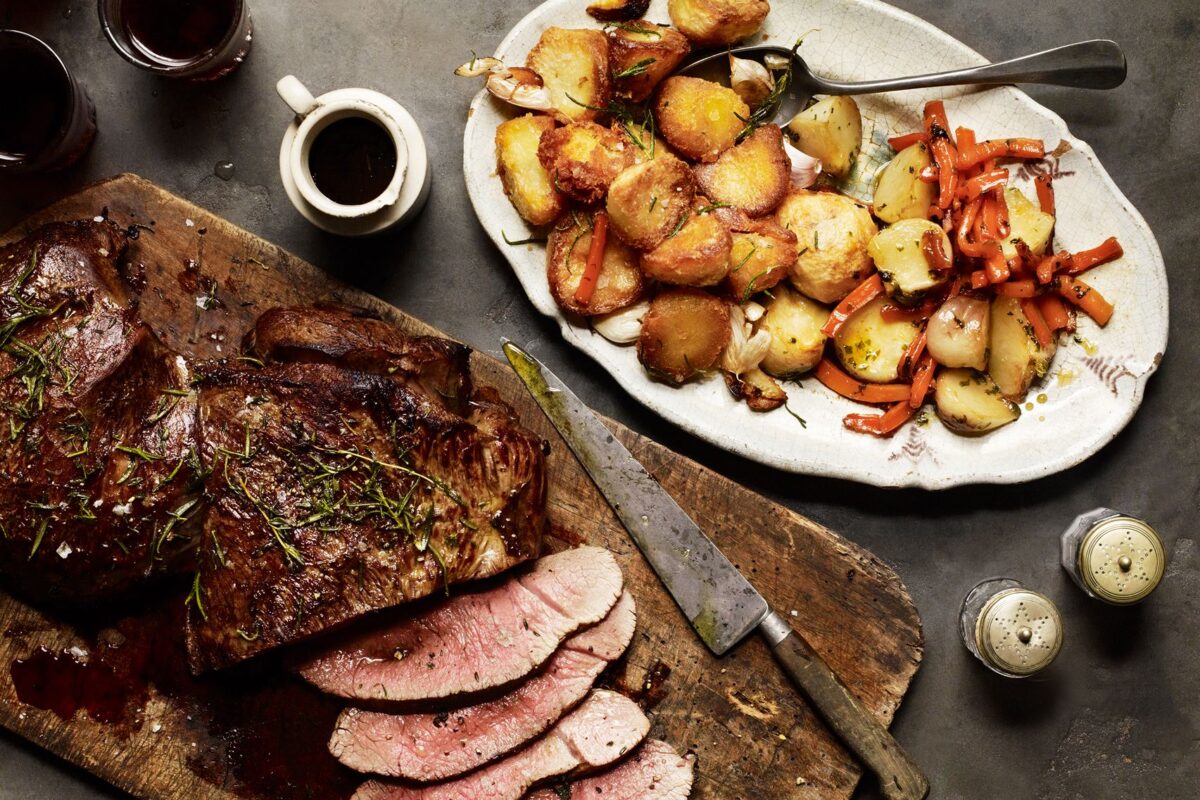
The meat is cut into discs due to its cylindrical shape, and the slices can be several centimetres thick, up to 4-5 centimetres. The great steak etiquette is that it is not eaten fully cooked, which brings up the question: for the hardened steak lover, the minimum cut is medium rare, rare or directly blue rare baking is requested in restaurants. We are in the middle of the road with medium roasting, and from here the meat is increasingly raw - and bloody inside.
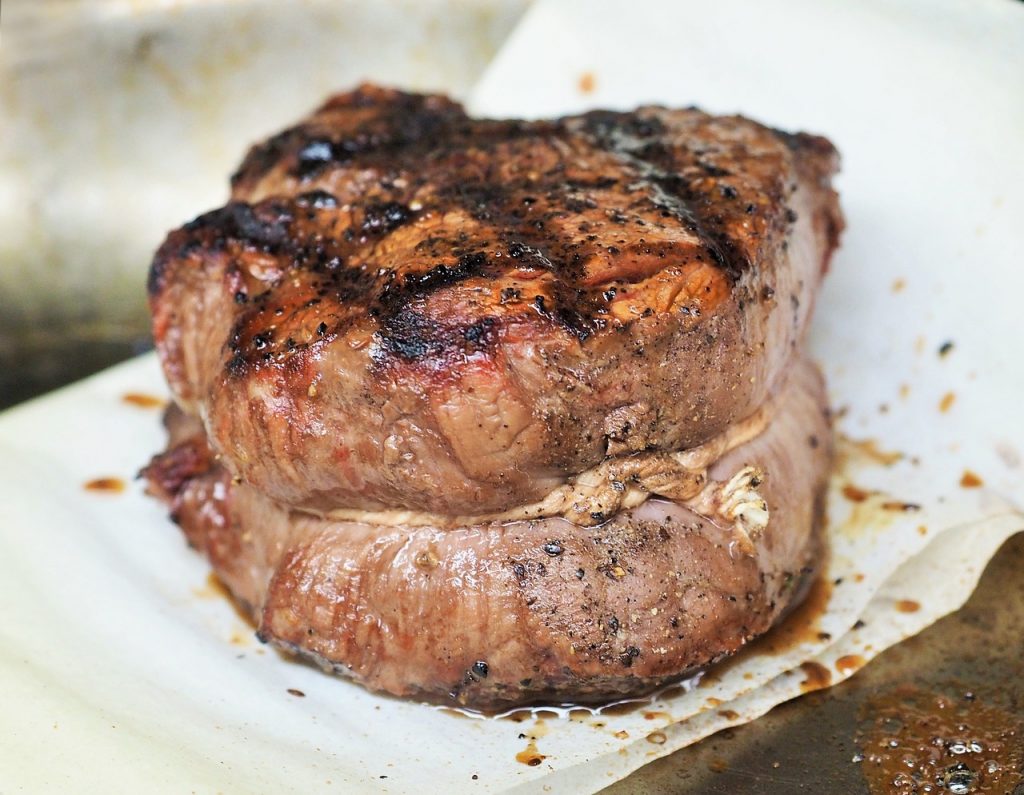
While the average consumer feels much safer if he or she asks for the steak to be cooked through, for a true steak fan this is a sacrilege, saying that the meat loses its juiciness, moisture and, last but not least, becomes shoe leather.
Many chefs have said over the years that well done he refuses to cook the steak in the fully cooked way, even if the guest asks for it.
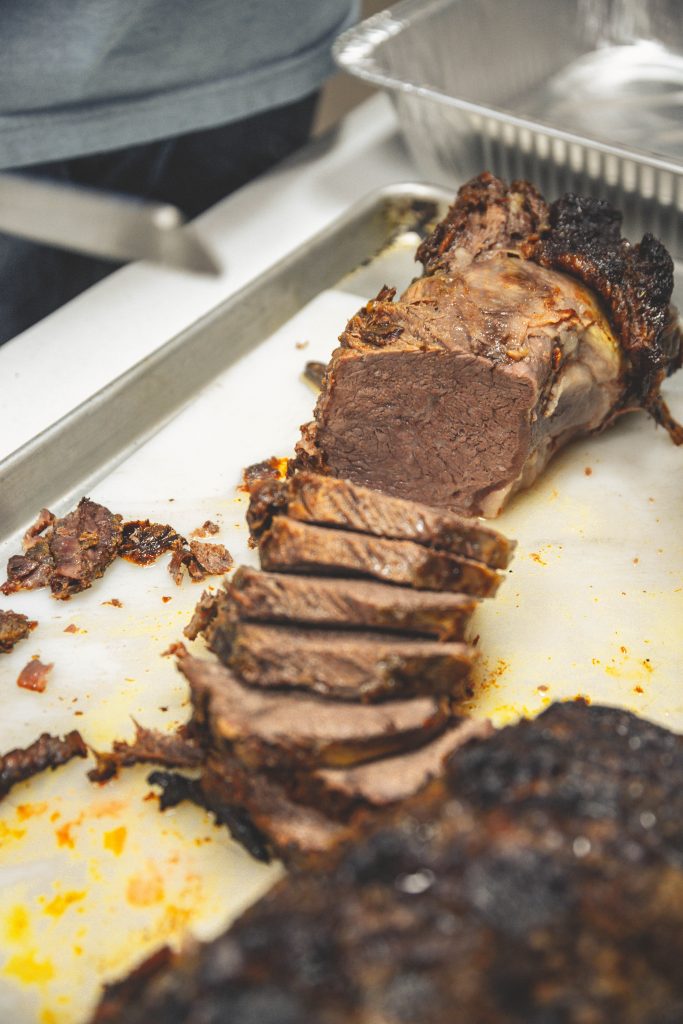
The tenderloin is worth it raw!
As far as food safety is concerned, sirloin - like sirloin - can indeed be eaten raw. This is of course only true for reliably fresh produce. We eat tenderloin raw in our much-loved Tatar beefsteaks and Italian carpaccio.
Eat it raw, medium rare or even as a Stroganoff steak, one of the most noble of meats is still the sirloin (the game meat too!), butcher by the name of the vesepecsenye.