





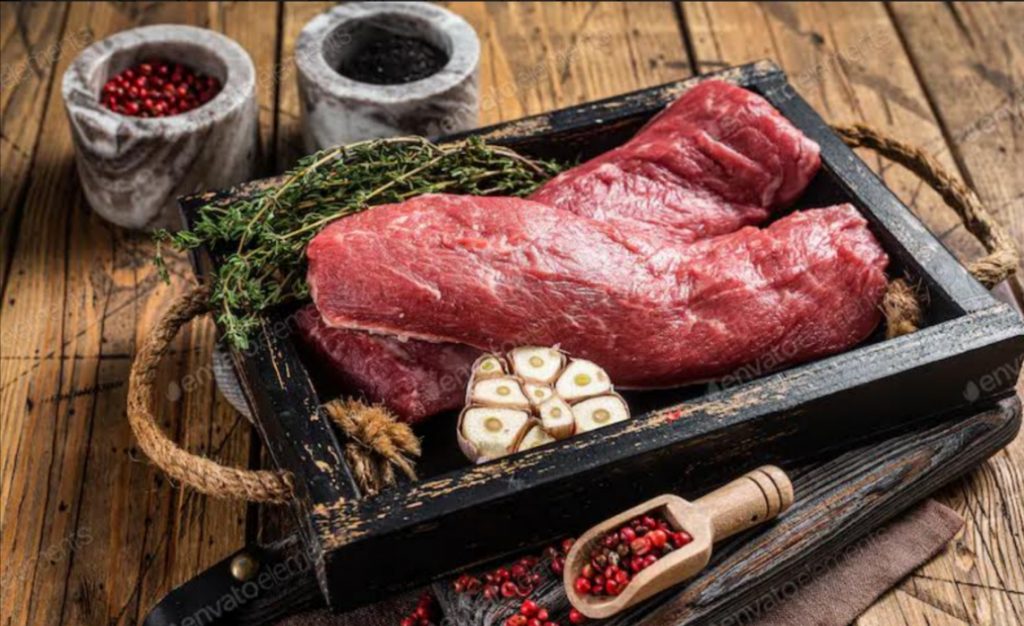
Even people who don't like to eat the fatty parts of the tenderloin like it. But the most tender and tender part of the meat can be provided by other animals: lamb is the most revered in gastronomy. Chefs also like to include it on their Valentine's Day menus: lamb tenderloin.
Lamb's tenderloin is a staple for special occasions: it is served at celebrations, special events and in the most elegant restaurants. It says a lot about a chef's sophistication and philosophy of cooking when lamb tenderloin is on the menu. Not a dozen, it requires a quality supplier and, not least, it requires skilful and gentle cooking techniques to ensure that the soft-textured meat retains its juices and does not dry out during the heat treatment. But why the lamb?
The life of a sheep: suckling lamb, sheep, sheep
For sheep, the age of the animal is particularly important. A suckling lamb, also known as a milk lamb, weighs up to 4-5 kilograms and is suckled until it is 50-60 days old, after which it is weaned from its mother. The meat of the suckling lamb, with its extremely tender flesh, is the most valuable, and even in the earliest historical times it was the most noble sacrifice - hence the term sacrificial lamb.
A lamb weaned from its mother is called a "growing lamb" until it is one year old. enters sheep age. The meat of castrated rams is also used in gastronomy. The older the animal, the more characteristic its smell and taste. Many people avoid lamb because is, because they have had bad experiences with mutton: fatty, strong smelling meat is really divisive. But this is not true for tender lamb.
Pork tenderloin, lamb tenderloin
Chicken and pork are the most common meats on the table in our country, with beef in third place. The numbers speak for themselves, as this KSH survey from a few years ago shows that domestic meat consumption is clearly dominated by pork and poultry with a share of 30-30%. Demand for beef is only 10% of this with a share of 3%, and lamb consumption just reaches the statistical limit: 0.1% of domestic meat consumption.
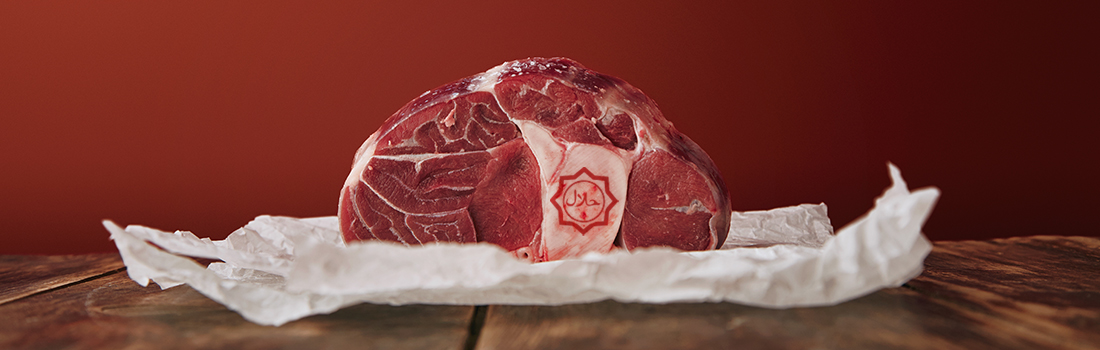
In many countries the statistics are different and lamb consumption is much more widespread. In addition to geographical and climatic reasons, there are religious reasons for this, as Jewish and Muslim populations do not consume pork because of religious prohibitions. Their favourite red meat is sheep, and the most unique delicacies in Middle Eastern cuisine, which is becoming increasingly popular in this country, are often made from lamb.
Accordingly, the world's largest consumers of lamb meat in the Middle East, North Africa and Mauritania (Islamic Republic of Mauritania) and Mongolia. But red meat, which is considered healthy, is found all over the world, and you don't have to travel east for a good lamb chop or the Hungarian folk tradition of Karcag or Transylvanian mutton goulash and, of course, bratwurst.
Unlike mature mutton, lamb is mainly served at the festive time of year, with the Easter lamb being a Christian tradition, but roast lamb is also the highlight of the menu at Christmas in many families.
Lamb tenderloin, the tenderloin of the lamb
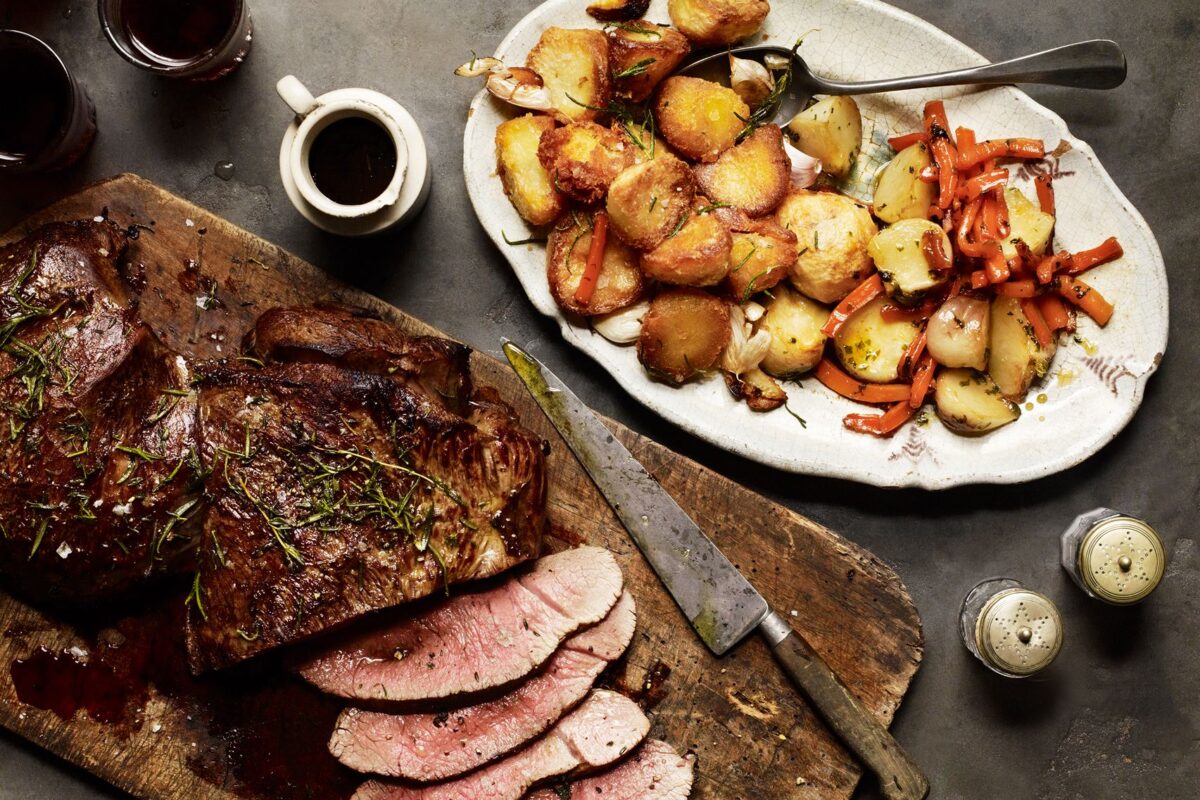
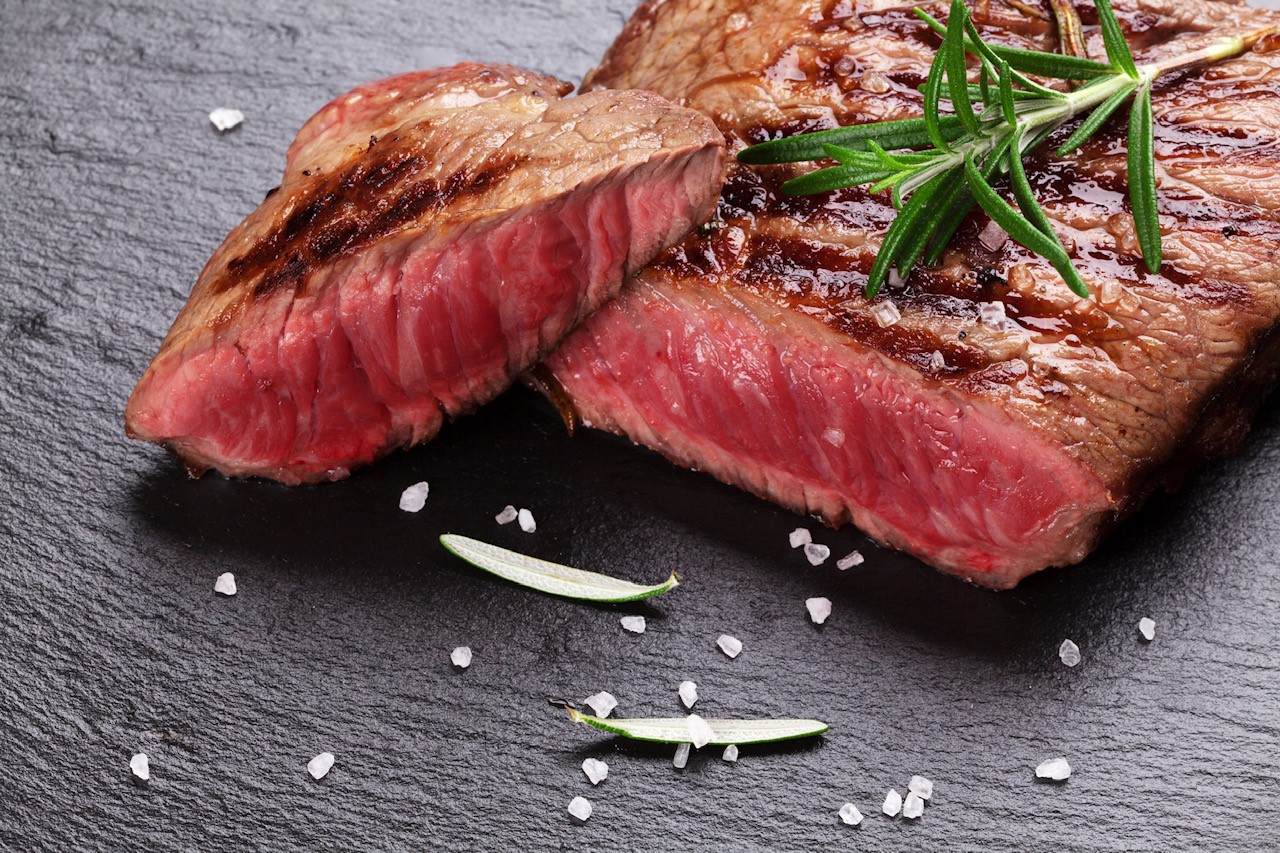
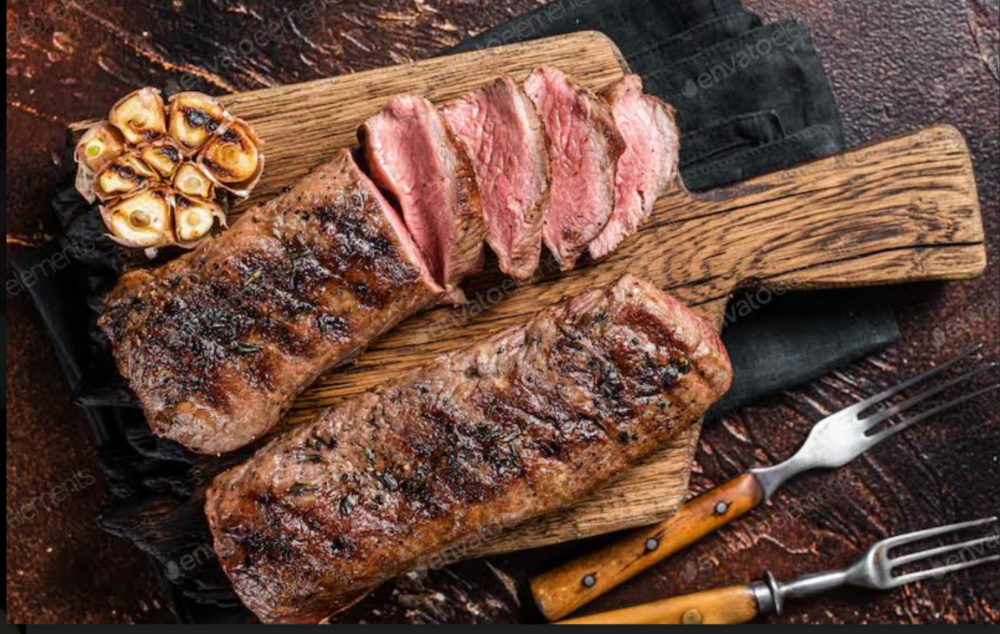
However, roast lamb most often means lamb chops, legs or legs of lamb. A tender lamb chop is, by definition, a small cut of meat, since the animal itself is small. It requires no more than 10-15 minutes of cooking to retain the flavours and aromas of the meat. The undercooked lamb tenderloin, left to redden, is a real delicacy on the plate.
Although Hungary finally has high quality lamb meat, the most appreciated lamb exporter New Zealand and Australia, where the world's top lamb comes from, supplying the best restaurants on every continent. The tenderloin of the animal is also the most valuable cut of meat.