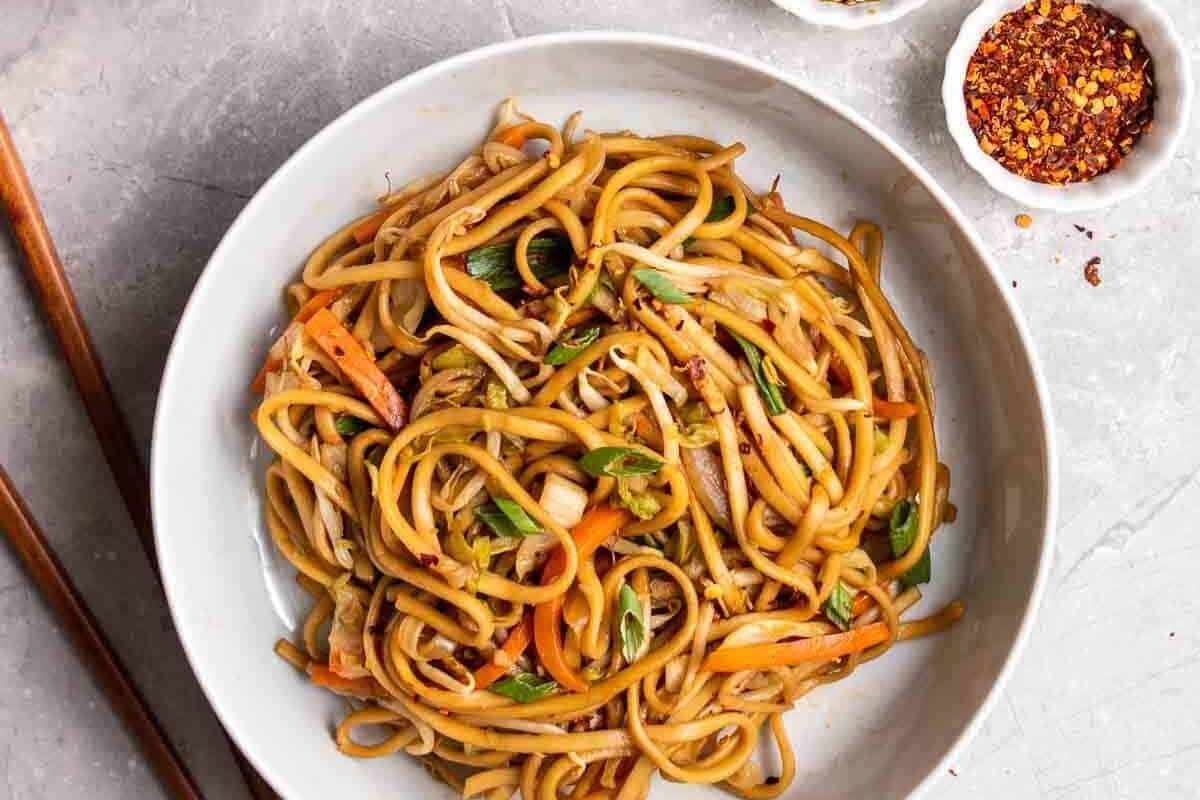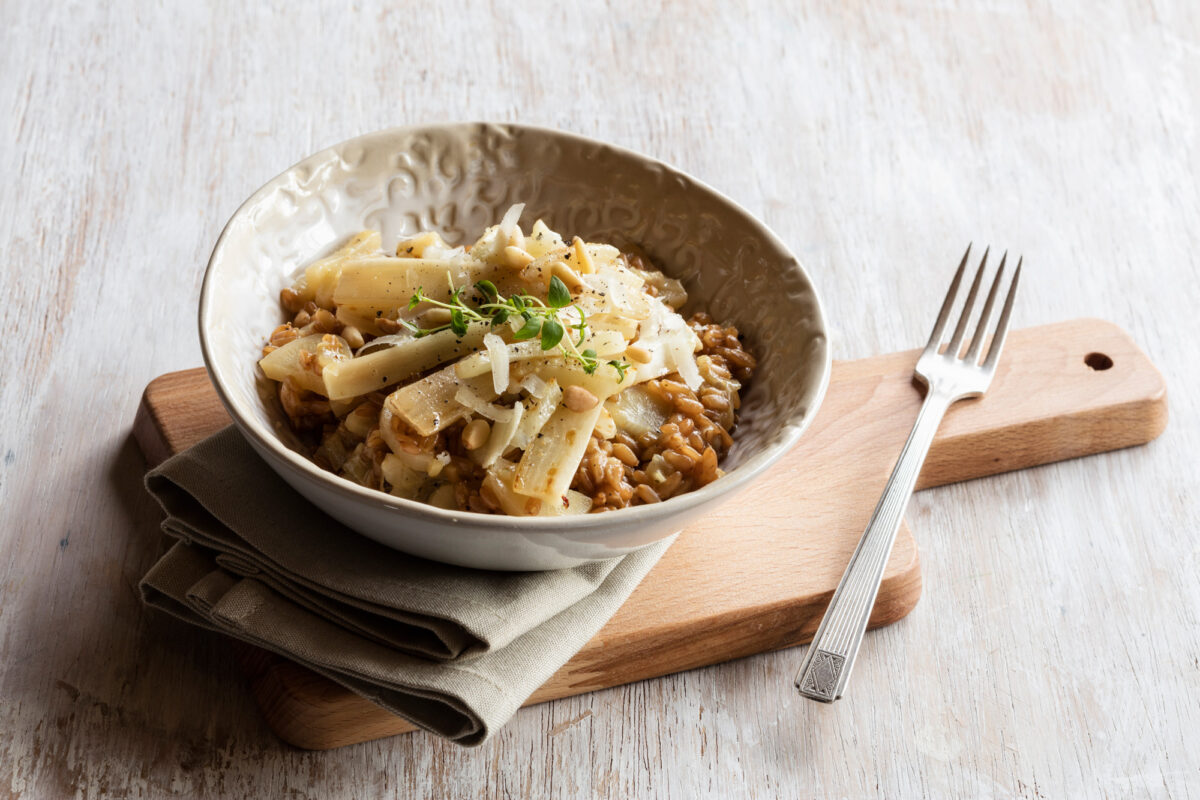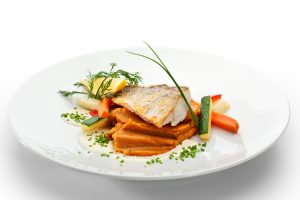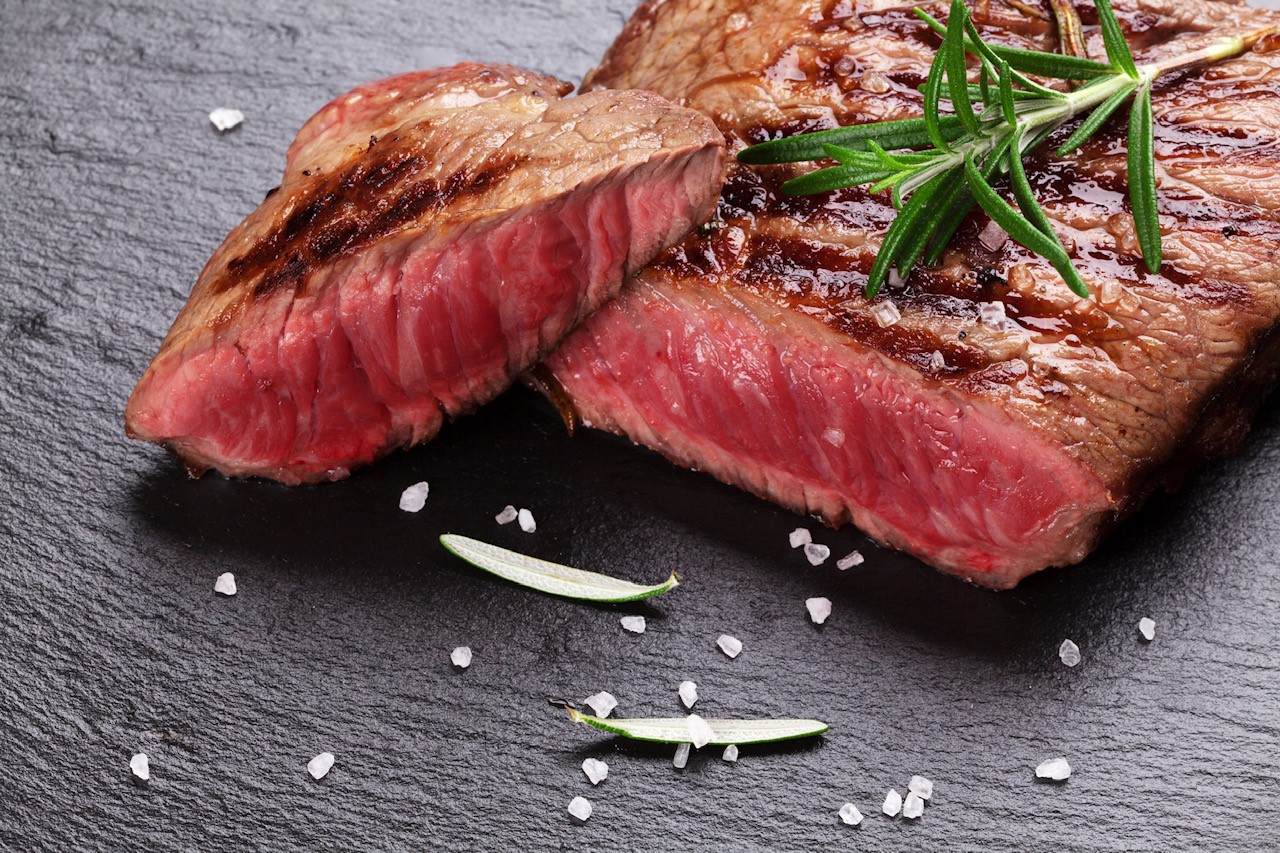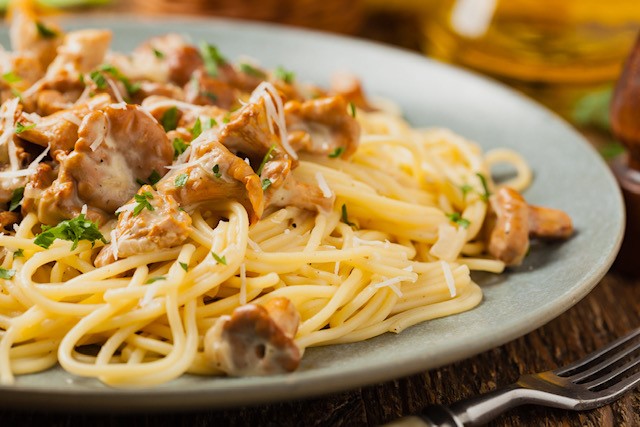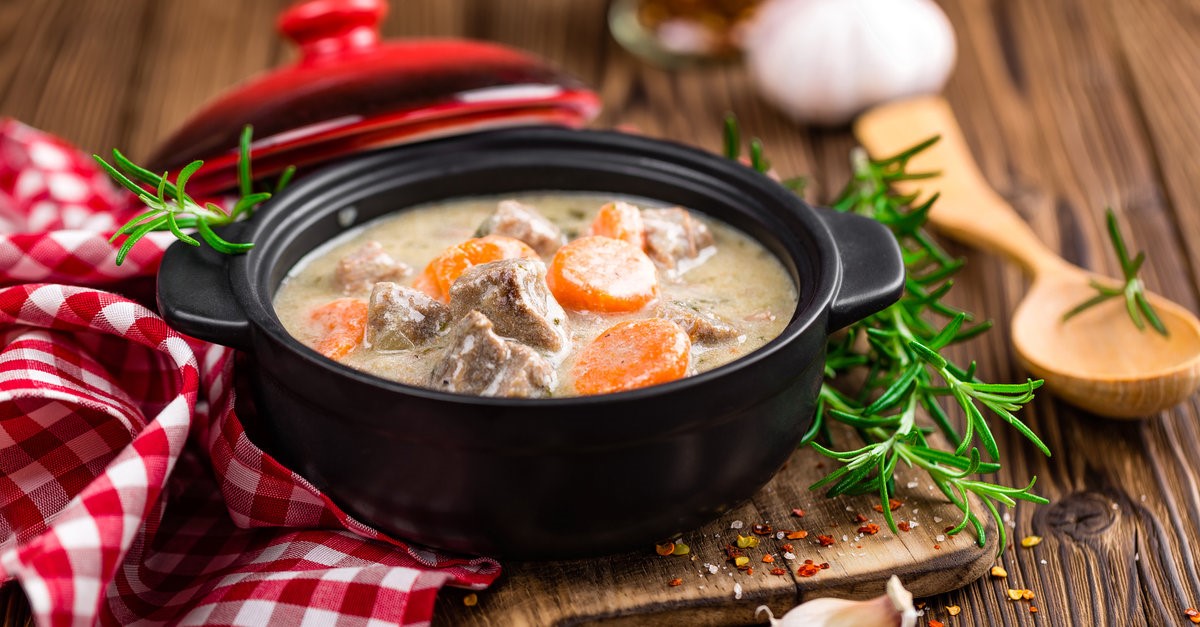







The right plate colour and the art of pairing the food served can greatly enhance the dining experience. Eye-catching service can even influence the experience of flavours. A perfectly prepared dish that is a masterpiece of the chef is not enough in itself. It must also look as good as the brilliant flavours that are displayed in the dish. Even if we only see a picture of the dish itself, it is of huge importance because it can generate interest. Impeccably executed presentation can be inspiring, but remember that if it is not right, it can have the opposite effect.
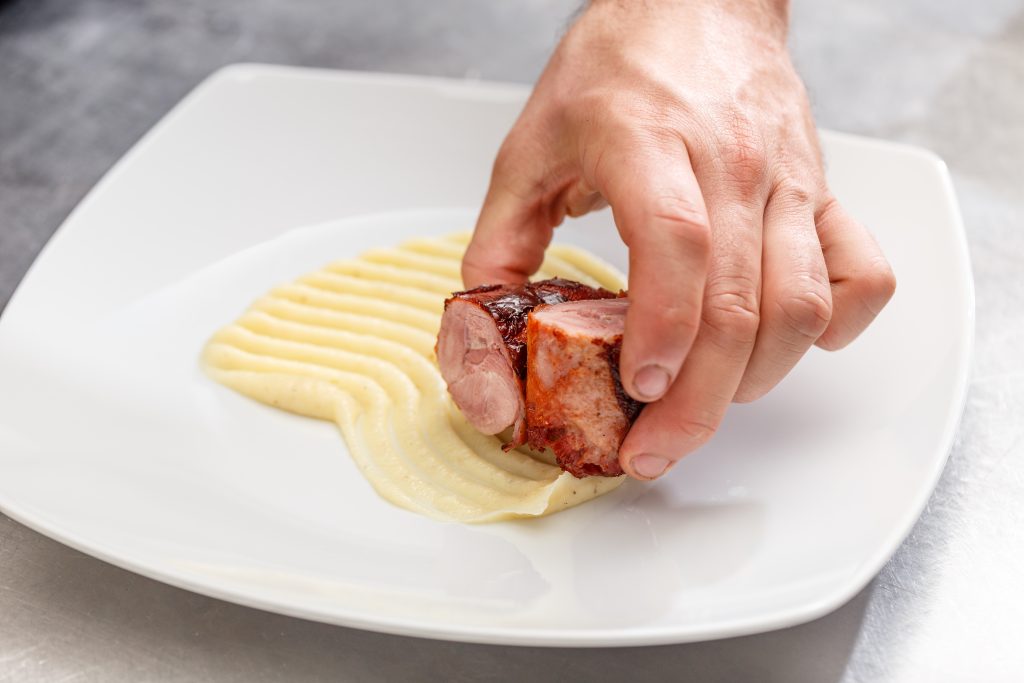
Why should we think carefully about how we use our plates?
The plate is an essential part of the basic tableware. In everyone's home and at the flat plate, the snack plate and the deep plate are essential for eating and serving food. Whether it is a bowl, cup, plate or tray, the utensils used to serve our food can come in many different styles, materials, sizes and shapes. These features should be considered in their own right. However, when it comes to the art of presenting food, a much broader view is needed. Not all food, as raw material a white or coloured plate looks good, pay attention to the shape. The right choice of serving utensil can make a difference to the look and even the taste of your food.
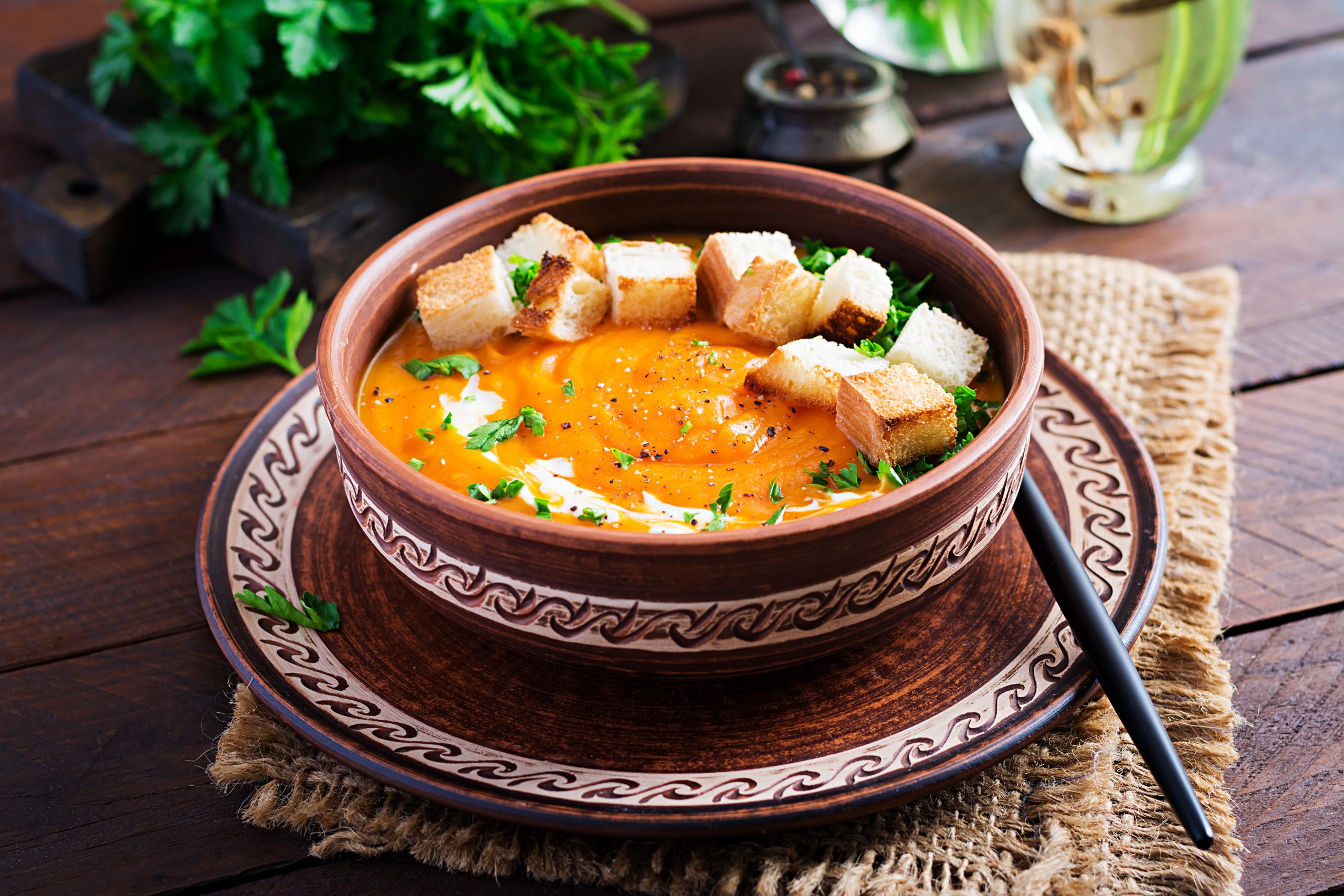
Photo by Envató elements
The Culinary Pro credo
A really good plate is best compared to a painting. Its essence is to captivate all the senses of the diner through a balance of textures and colours. Creating this balance is like choosing the right canvas for the painter, the right plate for the chef. It is broken down into four elements: the main course, the side dishes, the sauces and the garnishes. From the simplest sets to the hand-painted versions, shapes and forms, extremely wide palette is available for restaurants.
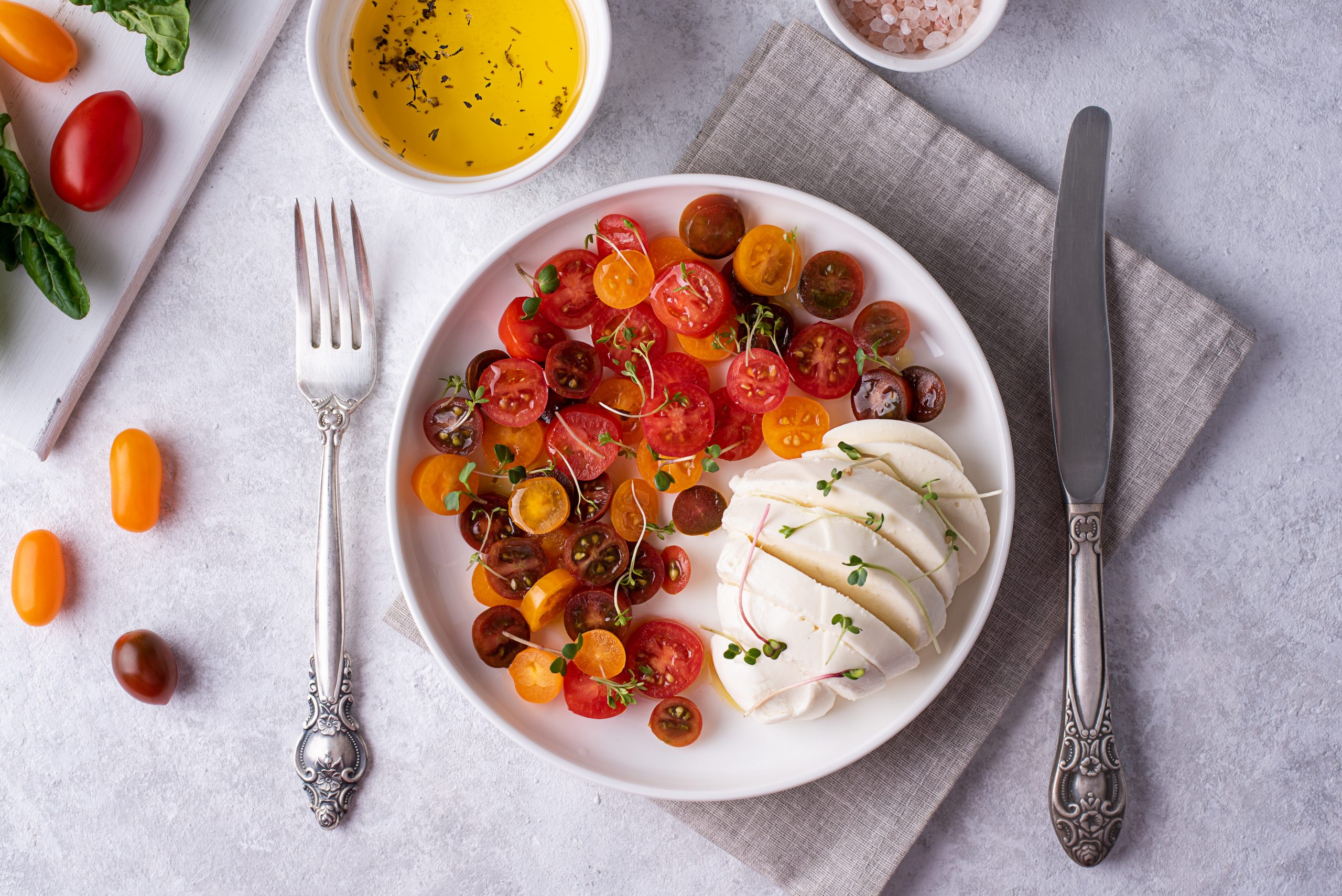
Photo by Envató elements
What is synaesthesia?
The science behind the effect of colour on the taste of food is based on psychology. The perception of the flavour of a food does not depend on the taste of the food alone, as the difference between colour-induced taste and actual taste is indistinguishable to the human language, or rather mind. According to The Culinary Pro, foods whose colour contrasts strongly with the plate are perceived as more flavoursome, and white plates are therefore generally preferred because they make the colours of the food more vibrant.
The five senses have much more influence on the in everyday life, than we might think. We rely on our vision to interpret information from our environment. We rely on our sense of smell to prevent foods that are unpleasant or unhealthy for us. Our different senses, which many people don't realise, are interconnected. Some people can even smell colour or taste sound, a phenomenon known as synaesthesia. Research suggests that it is a neurological condition that affects about one in 27 individuals in some way.

Photo by Envató elements
Colour can affect taste perception
The owner of a New York restaurant known as Dinners in the Dark has discovered how much an effect colour, or lack of it, can affect taste. He noticed that customers who had lost their sight guessed that their corn soup was buttercup or sweet potato. Both came from an orange palette. The play of the human brain can fool our appreciation of flavors. There are connotations that lead to associations. Experiments have been carried out on white wine from expert tasters, where red food colouring has been smuggled into the white wine, and this change in hue has completely upset the palate.
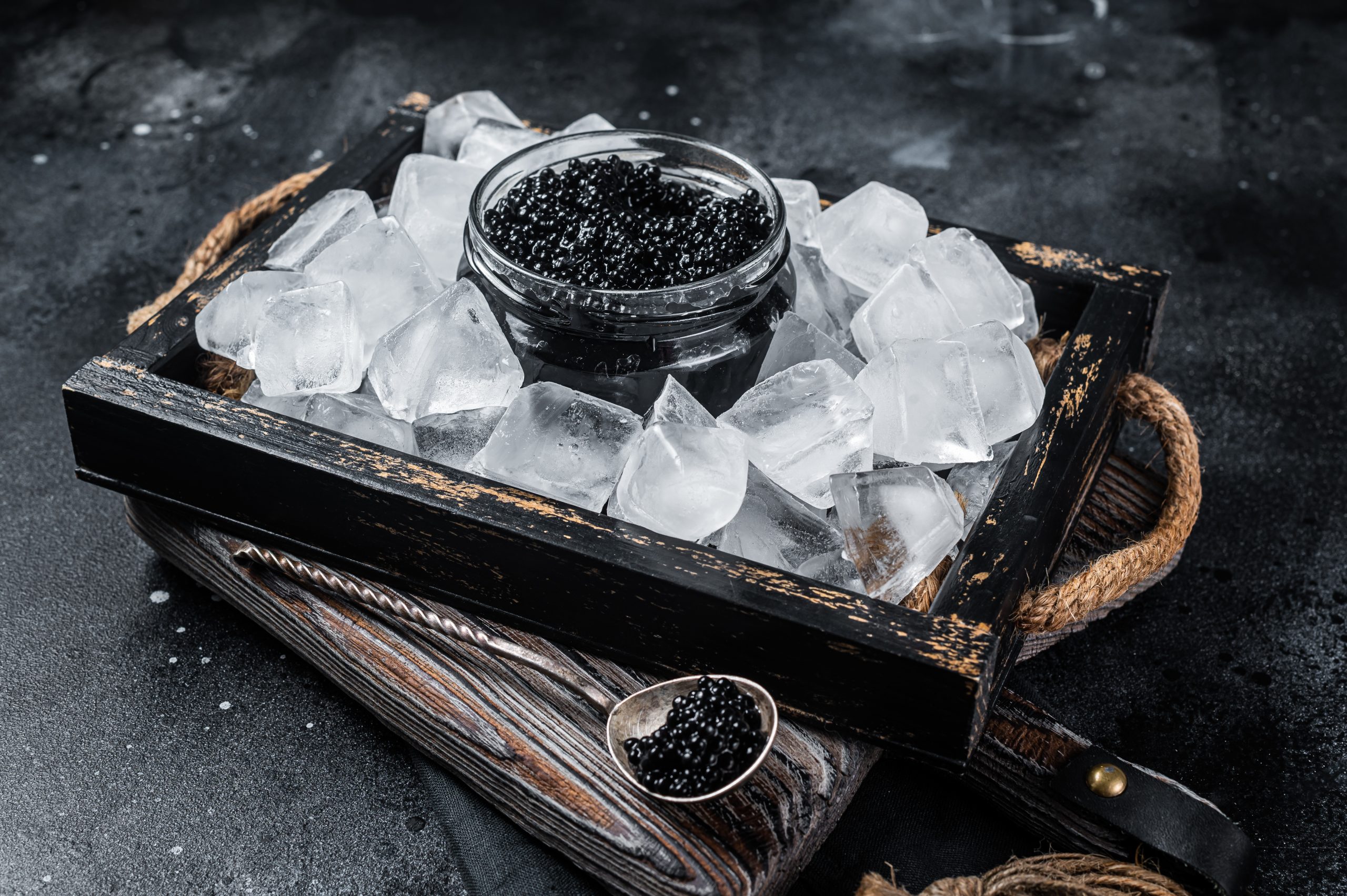
Photo by Envató elements
Black, white, earth tone and coloured plates
There are many occasions when a black or dark-toned, or even coloured plate may be preferable. Of course, it sounds basic to display light-coloured foods in black and darker ones in white. Research has also shown that black plates suggest salty notes, while white plates suggest sweeter notes. It is no coincidence that desserts are most often served on white. But coloured plates can clash with the colours of the food, so they should be used with care. When serving, some colours are not really desirable, such as red and blue, as they are completely different from the natural colours. However, earth tones such as brown, warm grey, and green plates are particularly suitable for serving colourful dishes.
Colourful tableware definitely adds fun and cheerfulness to the meal, which will get children interested and more eager to eat. Classic and elegant styles can create a festive atmosphere, and if you use unique design plates, you can add a sense of specialness to your meals. There is already a wide variety of tableware available in our country, but if you really want to experience the magic of it, high-end restaurants are now consciously applying the art of plating. They pay attention to the harmony of shapes and colours, and add striking touches to the meal to ensure that it is an experience for all our senses at every level.