






Practically as long as man has been around, he has been trying to preserve food. The methods were rudimentary at first, but from prehistoric times to the present day the process has evolved considerably, with preserved food becoming more beautiful and delicious. There are also cases where an ancient, traditional preservation method can even add extra nutritional value to the raw material. A great example of this is sauerkraut, which consists of nothing more than cabbage, salt and spices, and the combination of these - and time, of course - has allowed autumn-harvested cabbage not only to last through the winter, but for those who eat it regularly to stay healthy thanks to the beneficial bacteria and vitamin C that it contains, which are readily available to the body.
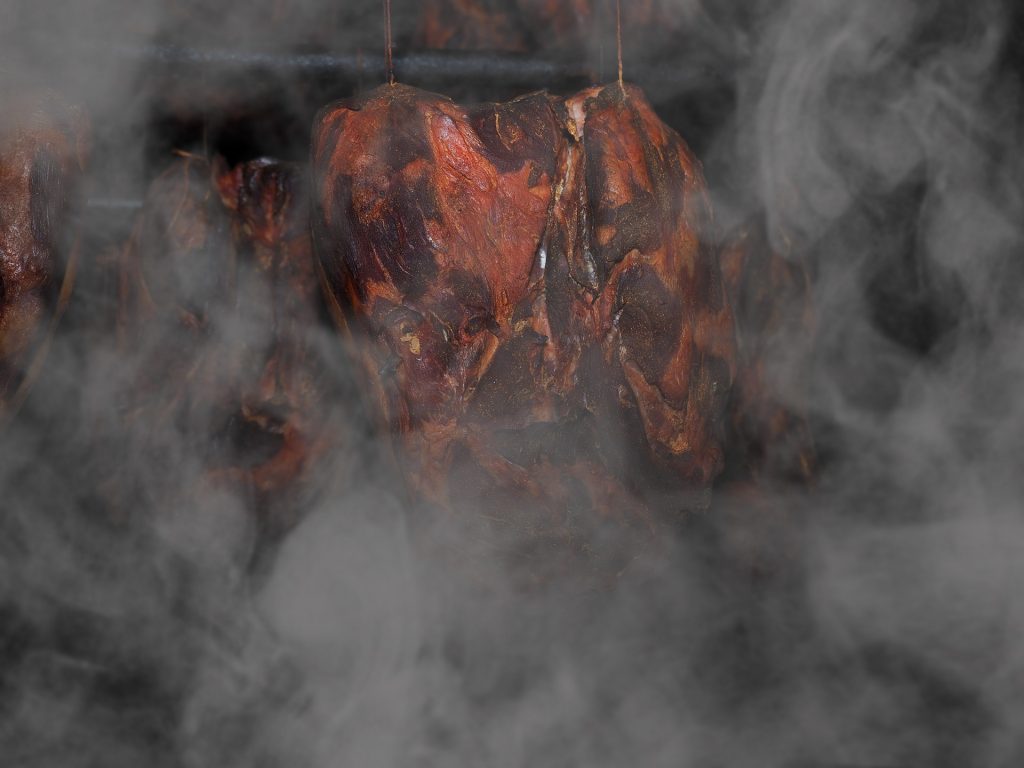
Smoke, brine, air
The three basic techniques are smoking, curing and drying. All three have the same aim: to prevent the spread of bacteria and slow down the decomposition process. When meat is smoked for preservation, heat is added to the process. There is also cold smoking, which can give meat a special flavour but is less effective than the classic method in terms of preservation.
Pickling and drying are highly effective because yeasts, bacteria and mould need moisture to grow, and if you remove water from food by any method, you make it impossible for poor micro-organisms to live.
Fermentation
We don't even think about how much fermented food we eat every day. Yoghurt, cheese, vinegar, beer, bread, wine, salami, and on and on... A large proportion of our most basic foods are made this way. Fermentation is the process of converting the sugars in food into acid, which enhances flavour and preserves flavour, and also makes the food easier to digest, so that the nutrients and vitamins in the food are more easily used by the body.
Salt
Salting is also an ancient technique, a way of removing water, and contrary to popular belief, the inside of food marinated/baked in salt will not be unbearably salty, so it's worth a try.
Oil or fat
The grease repels water and forms an impenetrable protective layer for microorganisms. Meats cooked slowly in fat, such as rillettes, can be kept for months if they are put away without a speck of fat sticking out.
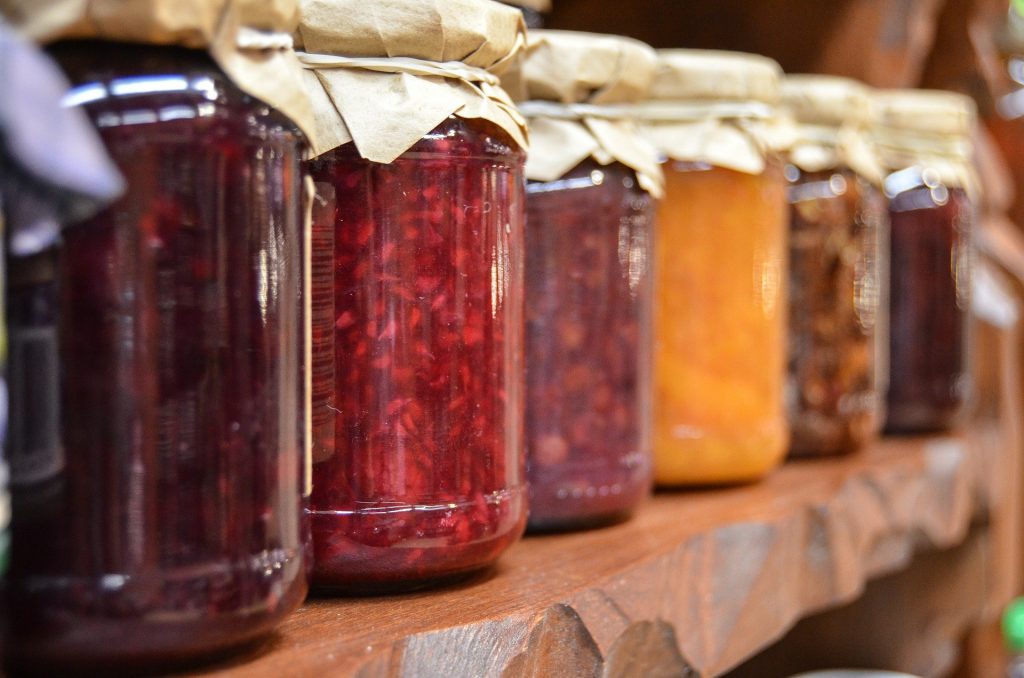
Sugar
One of the simplest and best known preservation methods, it can be done with almost any fruit. You can either boil it with sugar and make jam, or pack the cut fruit in a clean jar and pour sugar syrup over it.
Pickling
Also not complicated, you just need water and acid. Both can be ticked off by pouring vinegar over the ingredients. It works for almost all fruits and vegetables, and in many cases the acidic medium brings out the flavour of the ingredients.
Alcohol
Alcohol has a lot of acid in it, which is why it is not liked by yeasts, moulds or bacteria, which means that most foods that can be preserved with vinegar can be preserved with alcohol. You put everything in a jar, sprinkle a little sugar on it and pour the alcohol over it. If you can keep it for a few months, not only does the raw material set, but the flavours leach out and flavour the alcohol. Just think of bed brandy...