






Eggs are perhaps one of the most versatile ingredients, so much so that even the experts don't know all the ways to prepare them. We've found some surprising recipes and solutions, here are the most exciting egg dishes!
Why eggs?
A Egg a nutritious breakfast packed with vitamin D, protein and fat. Chicken eggs are predominantly consumed, but other types, duck and quail eggs are also available. Because of its relatively low cost and versatility, it is particularly preferred raw material. Regardless of the rising food prices, it is still a good solution for restaurants and households.
Although most people are familiar with scrambled, fried and boiled eggs, it's important to remember that there is a whole world of possibilities when it comes to cooking eggs. There is an almost endless repertoire of different cultures' methods of preparation. Eggs can be much more than just a boring scrambled egg on a plate, they can actually become a true culinary tool.

Photo by Envatoelements
Here are some ways to make eggs - in different cultures around the world
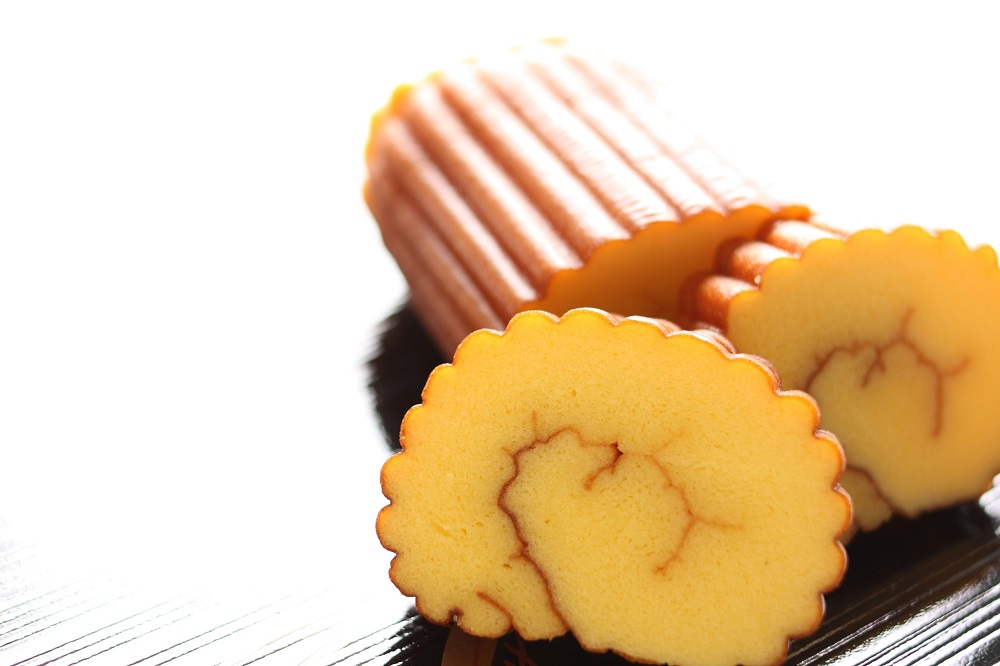
Datemaki (Japan)
This is an unusually shaped egg omelette invented in Japan. A sweet, soft, fried omelette roll, usually served at New Year. Its flavour comes from the from the fish ladder, from fish cake, which is made from grated Japanese mountain yam, surimied Alaskan pollock, salt and seaweed juice (kombu - dashi). It is sweeter with soy sauce and the sweet spices honey and mirin. Once the ingredients are put in a blender, the omelette is fried and rolled in a bamboo mat. When the datemaki has cooled, you can cut it into small slices to serve.
Perico (Colombia and Venezuela)
A common scrambled egg dish, which roughly translates to „parrot” in Spanish. The dish is made with a colourful pattern resembling the feathers of a parrot about peppers, named after eggs and onions. It usually contains cooked tomatoes to enhance the flavour, shallots and traditional yellow onions are added to enhance the taste and texture. It is served with beans and a cojita cheese garnish.
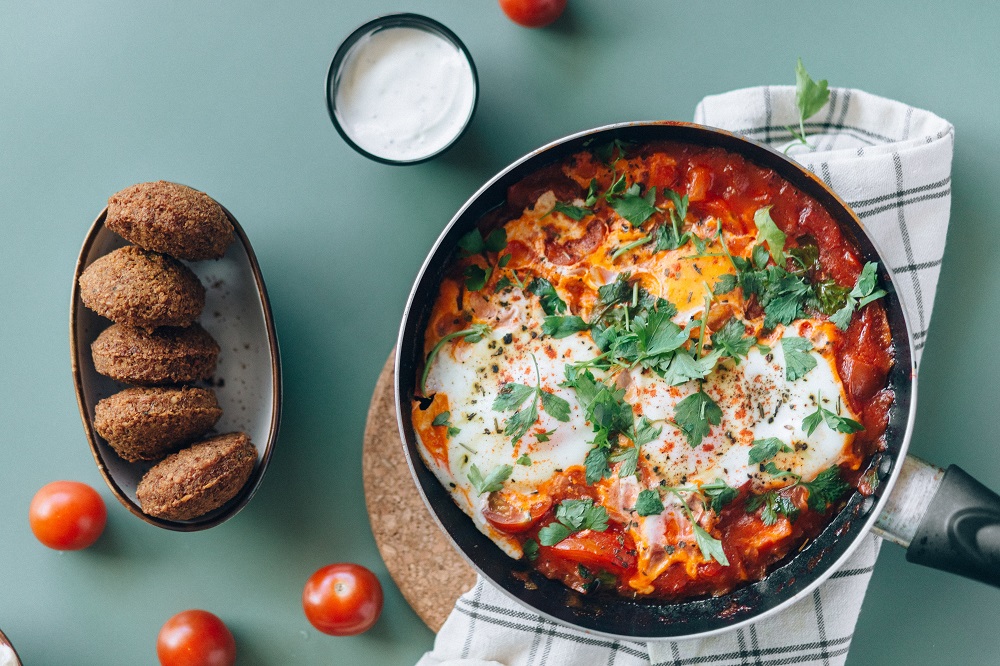
Shakshuka (Israel)
Shakshuka is an Israeli egg dish typically prepared and served in a cast iron pan. Although shakshuka has its roots in North Africa, it has since been considered a staple breakfast food in Israel. This egg dish combines the cumin, the flavours of California peppers, onions, bell peppers, shallots, cinnamon and coriander with an egg poached in roasted tomato sauce. The yolk remains runny while the white soaks into the acidity and spiciness of the sauce. Shakshuka can be served with breakfast meats such as sausage and bacon, with the advantage of being a vegetarian dish.
The Deviled Egg (Italy)
Like so many delicious dishes, we owe it to the Italians! Deviled eggs are made from hard-boiled egg yolks. Once the yolks are broken, mayonnaise and mustard are added as a binding agent. The yolks are also mixed with hot sauce, flavoured mustard or vinegar to adjust the flavour. The yolks are then seasoned with ingredients such as dill, coriander or cracked pepper before being scooped back into or whisked back into the egg whites.
Egg salad (United States)
Egg salad bears some resemblance to deviled eggs, but instead of just chopping the yolk with other ingredients, the whole egg is mixed with mayonnaise, mustard and spices. Ingredients often found in egg salad recipes include apple cider vinegar, Dijon mustard, celery chunks or dill. Egg salads can be served cold or inside a sandwich. It is excellent paired with crisp iceberg lettuce, tomato or vegetable salad.
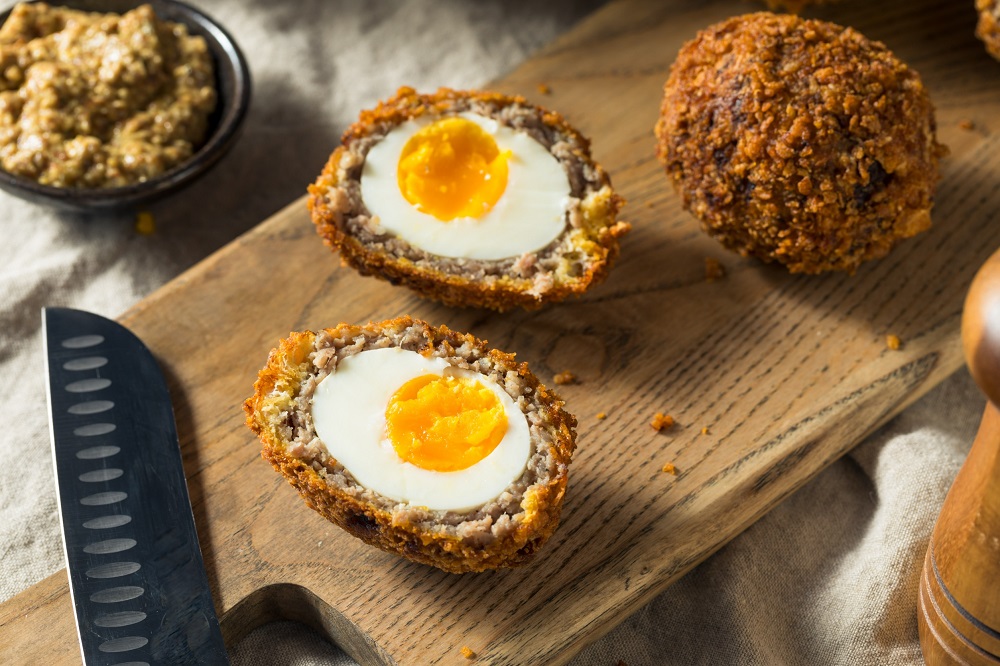
Scotch eggs (United Kingdom)
These hard-boiled eggs are usually served in pubs in the UK. They are usually rolled in a mixture of pork sausage and breadcrumbs and either fried or baked. These eggs are usually served with marinara sauce or ranch dressing, making them similar to American mozzarella sticks. Scotch eggs are usually topped with bacon and cheese for a filling breakfast.
Chilaquiles (Mexico)
Chilaquiles is a Mexican breakfast dish that has infiltrated some American breakfast restaurants. It is basically served on a base of nachos - tortilla chips, topped with Mexican cream, roasted tomatillos and peppers, salsa, cotija cheese, avocado, radishes and cilantro. Chilaquiles wouldn't be complete without a fried egg on top, but you can also make it with scrambled eggs.
Spanish tortilla (Spain)
This is a frittata-like egg dish with potatoes and onions, which is most similar to an omelette. Many types of potatoes are used to flavour Spanish tortillas. To prepare it, use a sturdy non-stick pan so that the tortilla slides out of the pan easily.
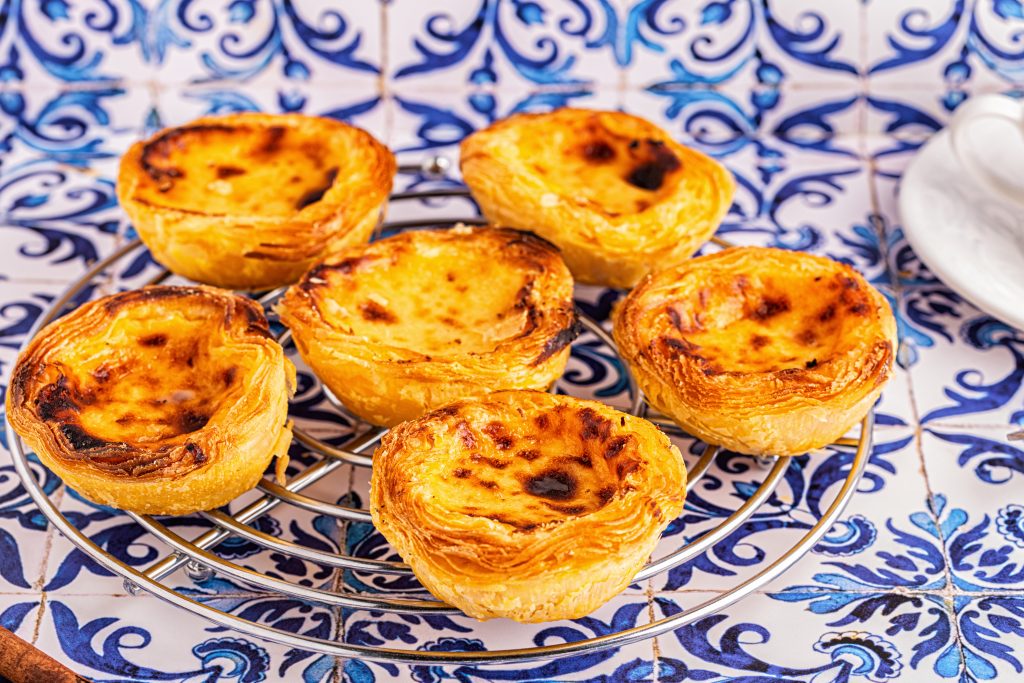
Portuguese egg tart (Portugal)
The Portuguese egg tarts are made from soft puff pastry filled with egg custard. This sweet, egg-based dessert dates back to the 1200s, from the monks of the Jeronimos monastery. The monks were familiar with French pastries, and the yolk left over after the egg whites were separated was used to starch clothes.
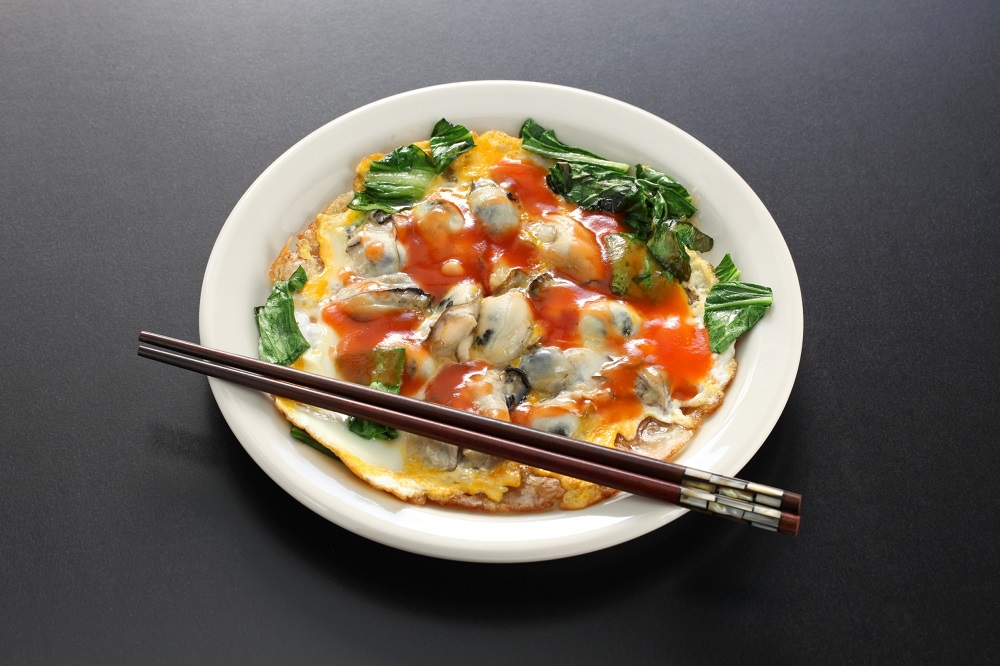
Oyster egg omelette (Taiwan)
This egg dish is made with celery leaves, freshly shucked oysters and eggs. The oyster omelette is served with a sweet and sour tomato sauce made from ketchup, rice vinegar, sugar, corn starch and soy sauce. While celery leaves are a general accompaniment to the dish, they are complemented with chopped baby bok choy and Swiss chard.
Egg drop soup (China)
This soup has some very from a single ingredient available. It is made with chicken stock, shallots and soy sauce, and gets its name from the way the eggs are dropped and rolled in the soup, forming characteristic egg-like strands. Windchimes Chinese Restaurant notes that egg drop soup is commonly served in American Chinese restaurants, some of which also refer to it as egg flower soup.
Gyeran Jjim (Korea)
Steamed egg dish, usually eaten as a side dish for breakfast, lunch or dinner. Eggs are traditionally seasoned with freshly cut vegetables, anchovy puree or vegetable stock. They are prepared in ceramic pans in the oven and topped with sesame seeds or chopped shallots.
Egg bhurji (India)
Spicy scrambled eggs with turmeric, cumin seeds and vegetables. Some versions use garam masala, but a homemade spice mix is more typical. Egg bhurji is served with roti, rice or bread, or used as a filling for sandwiches. The spiciness and spice varies from region to region in India.
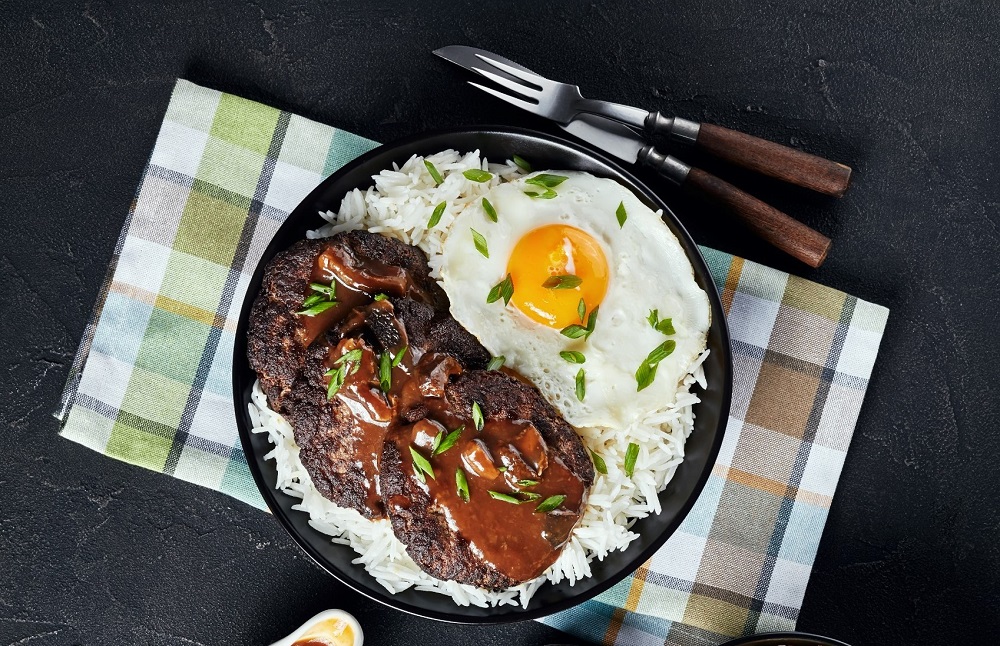
Loco Moco (Hawaii)
A food indigenous to the Hawaiian Islands. It is based on white rice, burger patties, fried eggs and beef. The egg is left runny to flavour every part of the dish.
Hundred-day egg (China)
The hundred-day egg is perhaps the most extreme way that people eat eggs. It is made by storing the egg for weeks or months in a mixture of clay, ash and lime. As the egg ages, the outer texture becomes a translucent green colour, while the yolk becomes a concrete colour. These eggs are salty and creamy.
Kwek kwek (Philippines)
Filipino street food made with quail eggs instead of chicken eggs. These eggs are hard-boiled and then rolled in cornflour batter, then fried until golden brown and served with vinegar or a fish sauce dipping sauce. It is regularly served with squid and chicken.
These recipes are by no means the end of ways to prepare eggs. They could fill several books. One thing is for sure, the many ways in which they can be prepared are instructive.