





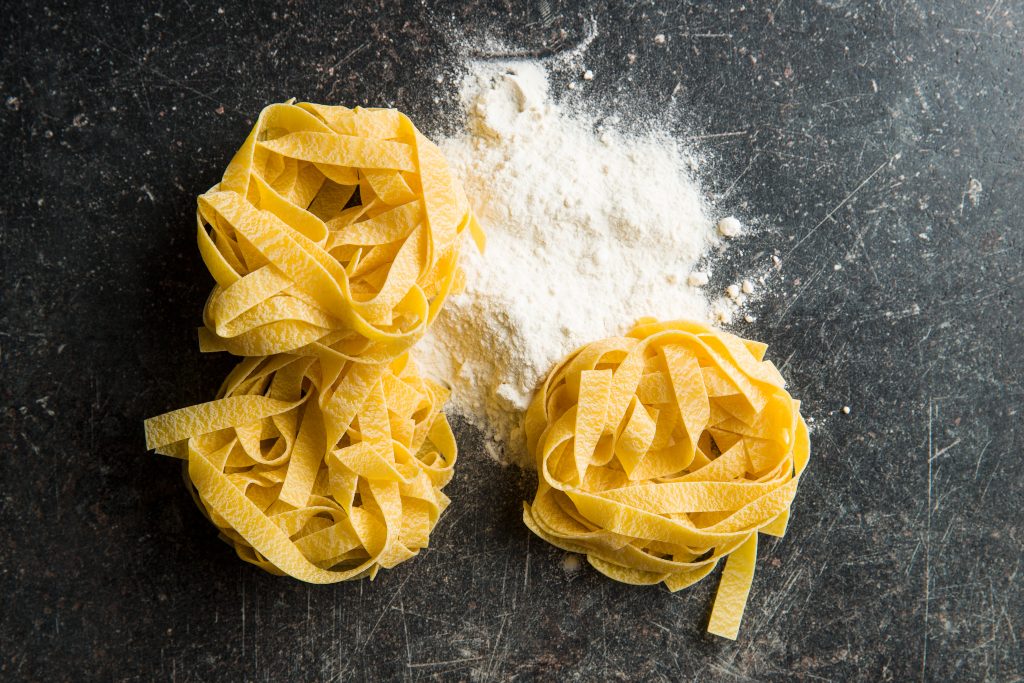
Pasta is our classic food, consumed for so long that its origins are obscure. Many agree that it is mostly Italian in origin, but that is not the truth. However, it has clearly become part of European culture because of them. Italian pasta is now world famous and there are many varieties, and gluten-free versions are now available to meet modern needs.
History of pasta
Gastronomy is clearly thanks to the Italians, although pasta is made all over the world. One of the most popular legends is that it was brought to Europe from China in 1295 by Marco Polo, but this has nothing to do with reality. The truth is that pasta has always existed where grain was grown.
Mixing cereal flour with water and baking it - a very simple ancient method, not complicated at all, so almost every nation had its own flatbread. From there, it didn't take much to cook the same mixture for pasta, and eat it with vegetables or meat.
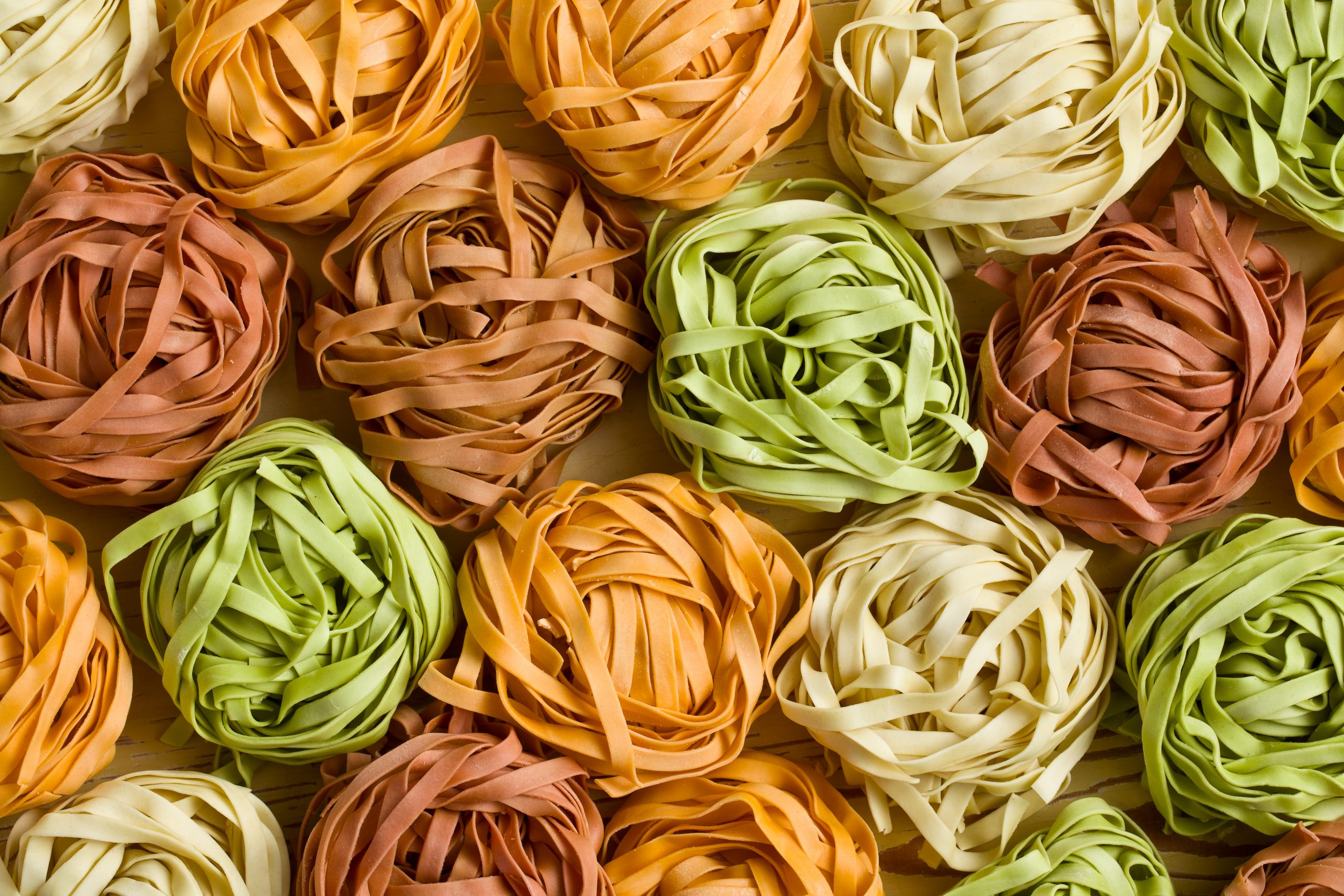
Photo by Envato elements
The first pasta
One of the oldest noodle dishes dates back to China, 2,000 years BC, and was made using millet and muhar. In Europe there are also survivals from before Christ pasta recipes, courtesy of Marcus Gavius Apicius. He loved to eat, and he wrote down the dishes, so we know the predecessor of lasagne, which was mostly eaten as a soup garnish. In Greece, around the second century AD, a pasta dish called itrion was known. It spread in Sicily, where the laganum was the ancestor of lasagne, adopted from the Etruscans. It is interesting to note that at that time it was not cooked but baked in an oven, and could perhaps be called the predecessor of today's pizza.
Maestro Martino da Corno - was one of the first famous chefs of the Renaissance culinary art. He created The Art of Cooking - the first known culinary guide that defined the ingredients. The first guide to the art of cooking tagliatelle and the preparation of pasta, which remains unchanged to this day.
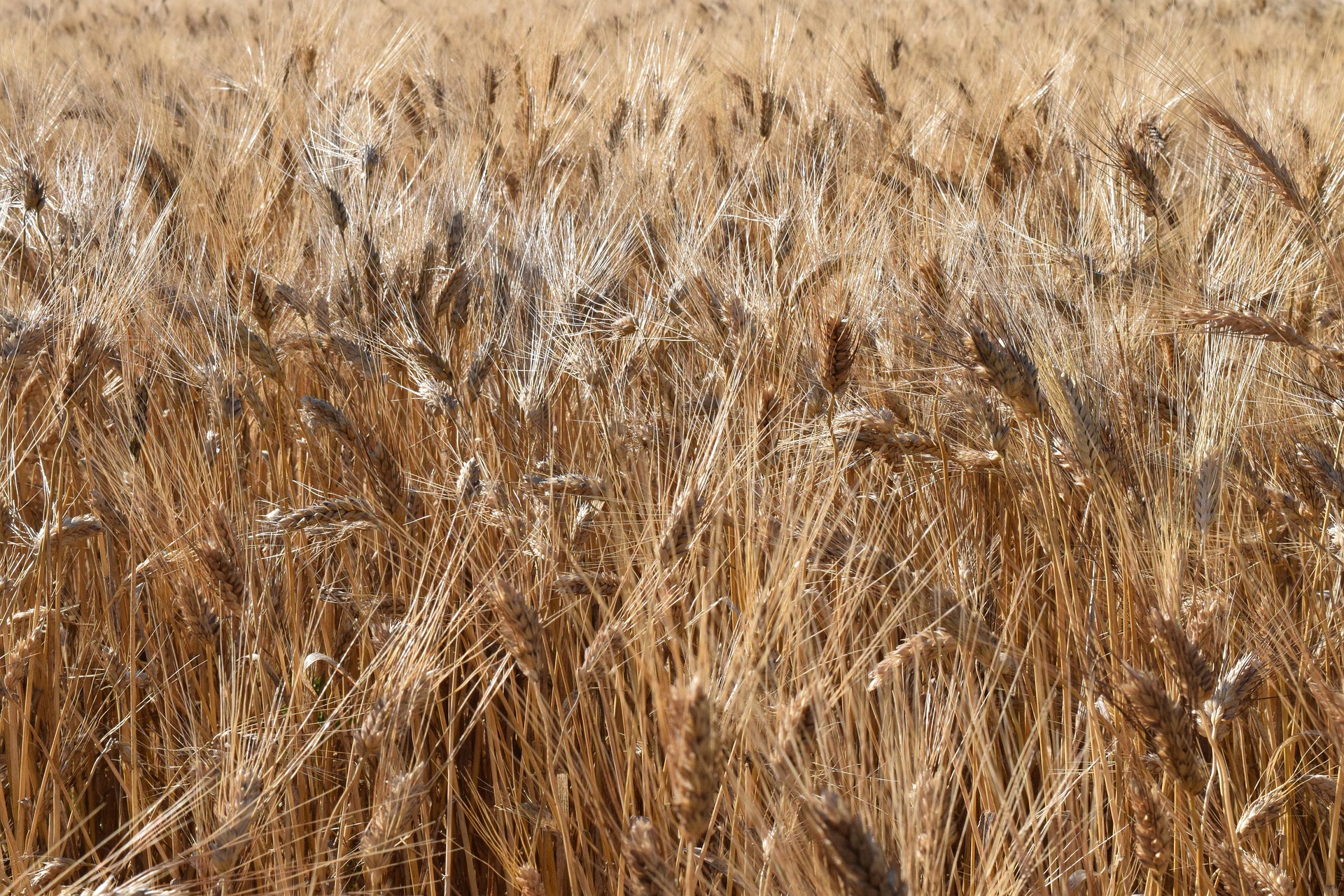
Photo by Pixabay
The ‘pasta revolution’
The emergence of the milling industry was when the pasta explosive growthe occurred. According to records from 1154, in Sicily, water mills were grinding and making lots of pasta. Semolina, a durum wheat flour with excellent properties, became common in Europe. It is rich in protein and easy to mould. Drying was the only problem at first, and because of the humid sea air, the pasta factories established in the 18th century were set up in drier climates.
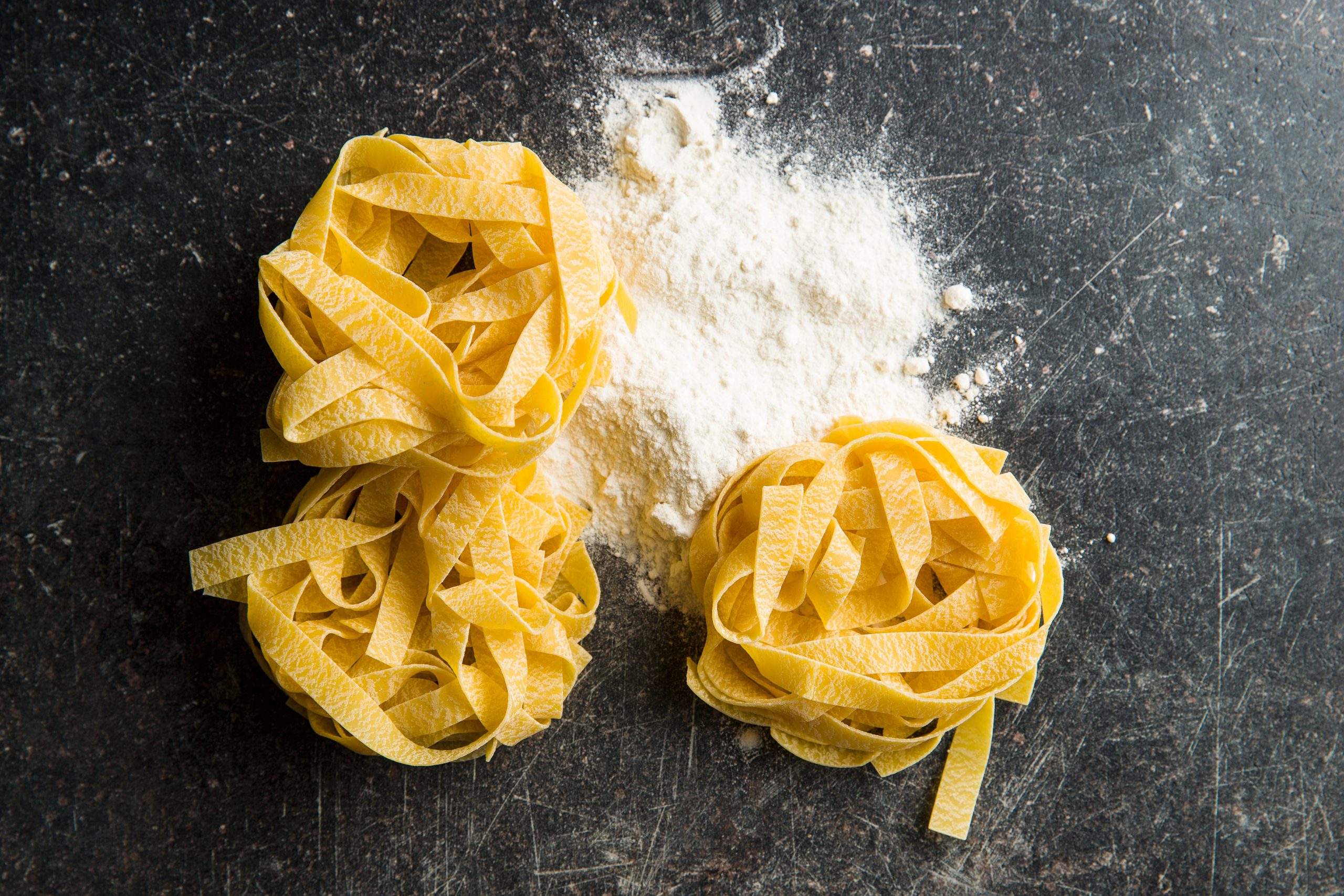
Photo by Envato elements
Tagliatelle, tagliolini, taglierini - ribbon pasta
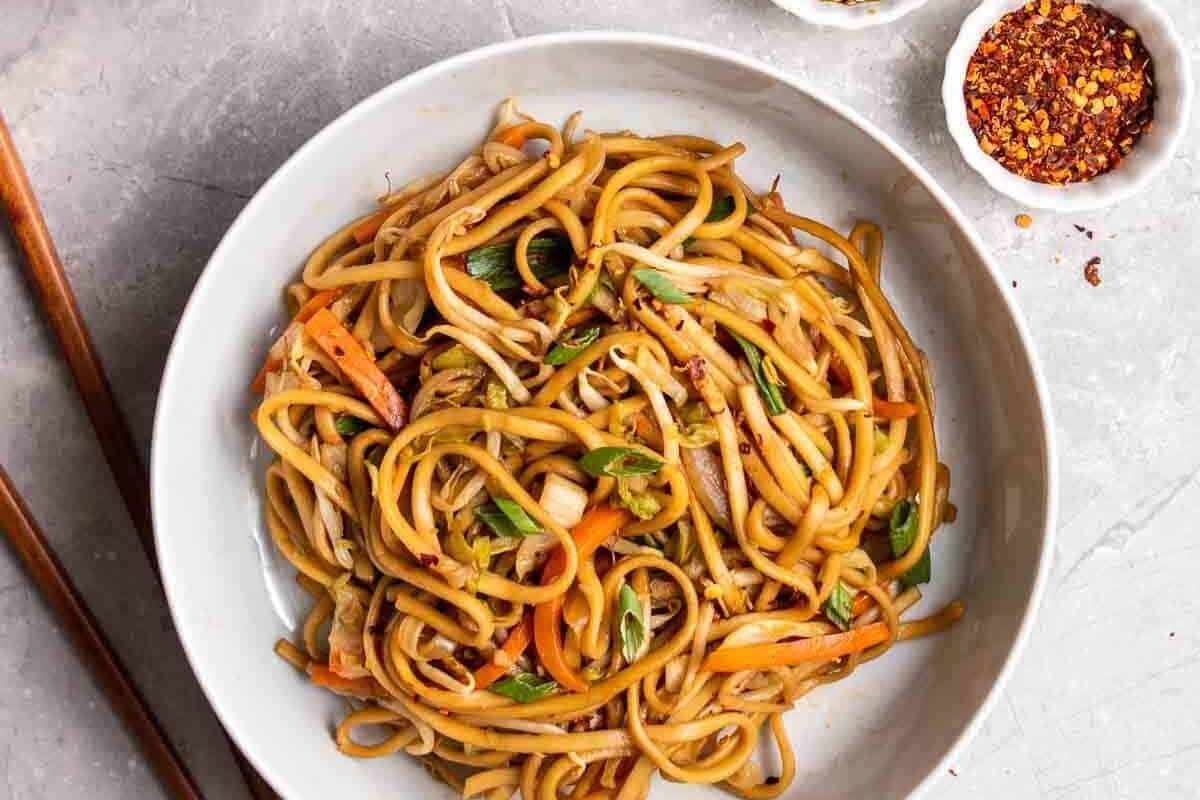
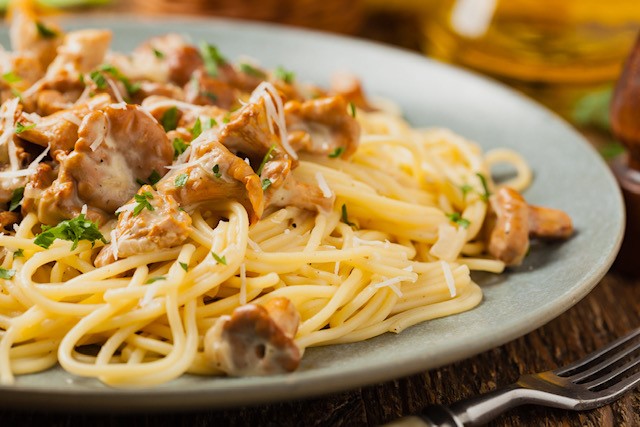
Tagliatelle and tagliolini come from the Italian tagliare, meaning „to cut”. Traditional Italian pasta. The traditional way of making it is in proportions of 1 egg to 100 g of flour. Long, flat, ribbon-shaped cut pasta. As it is freshly made, it is porous and hard, making it ideal for thick sauces, beef, veal, pork and occasionally rabbit. It is also suitable for other less rich vegetarian dishes. It is eaten with eggs, cheese and simple tomato sauces with basil. The classic is the bolognese sauce version.
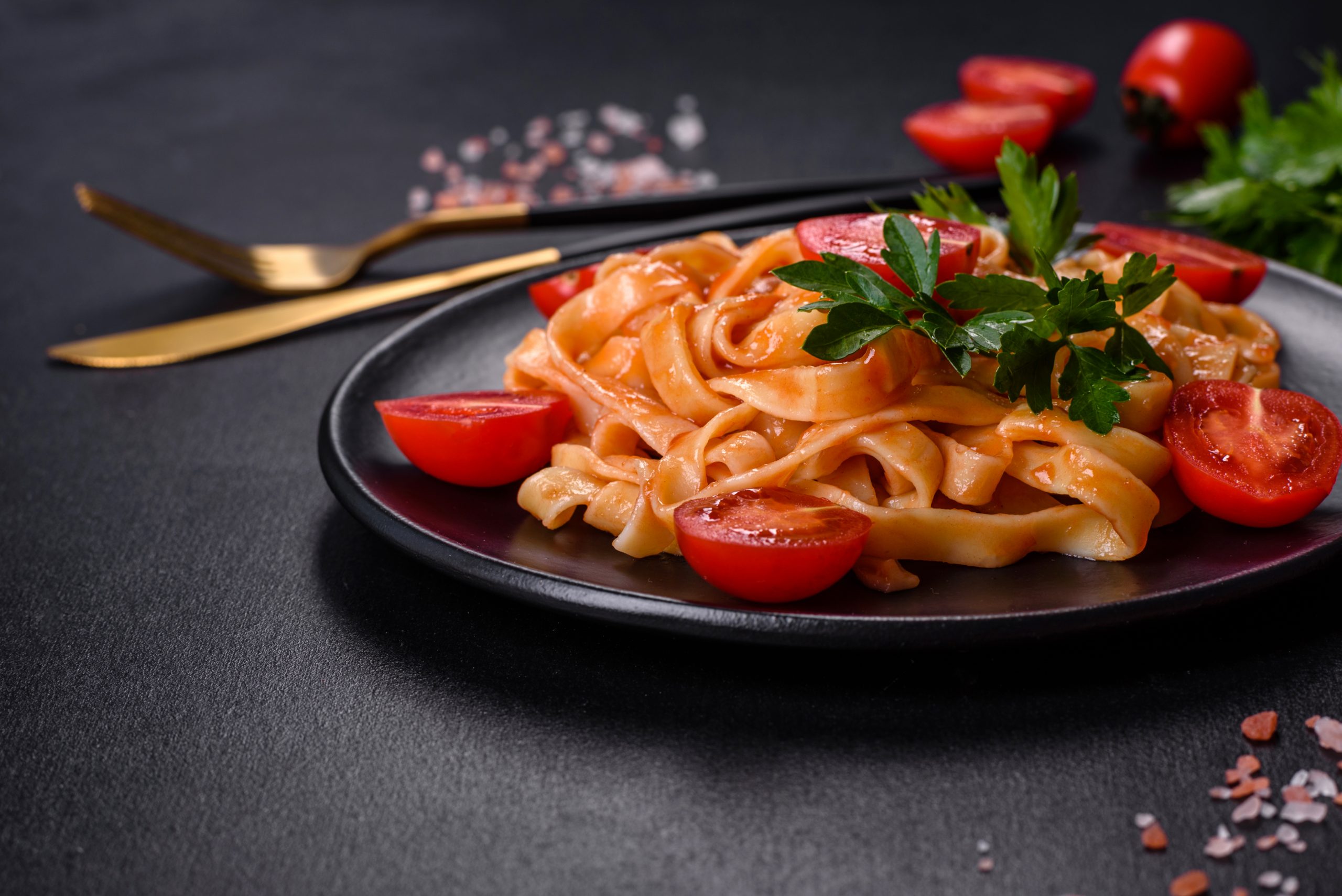
Photo by Envato elements
Interesting facts about tagliatelle
- Like everything, there are legends. One says it was created by a talented court chef. In 1487, Lucrezia d'Este was inspired by her marriage to Annibale II Bentivoglio, and by the way she wore her hair. Another legend has it that Italian sailors modelled it on the rigging of a ship, which is how the elongated shape came about.
- Theoretically, the original recipe is called tagliolini di pasta e sugo, alla maniera di Zafiran - tagliolini pasta and sauce, Zafiran style. At the time, pasta was a very expensive product, only found on the tables of the nobility. It was served on silver plates and eaten with fine cutlery.
- The first original gold example of tagliatelle is kept in a glass case at the Bologna Chamber of Commerce.
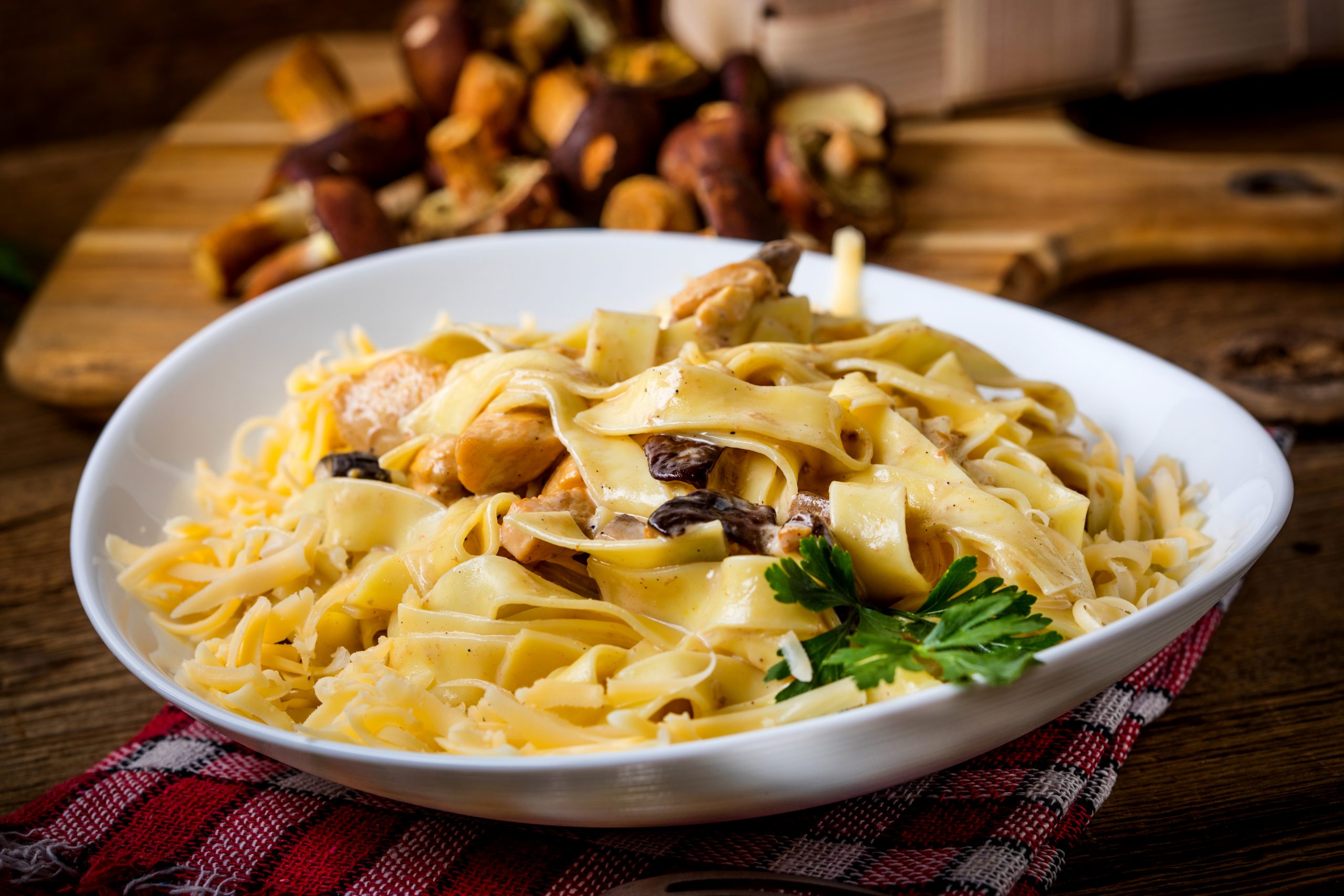
Photo by Envato elements
Pasta in our country
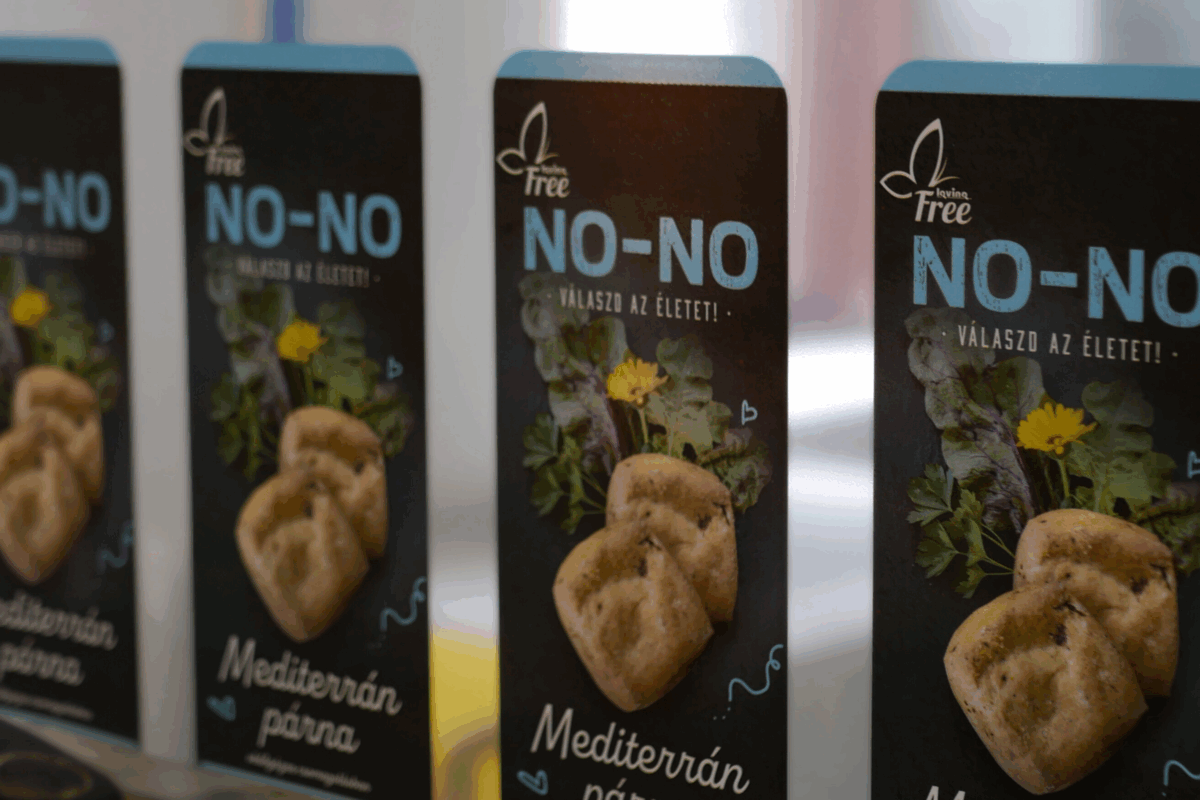
Pasta also played an important role in Hungary. In 1859, József Topits founded the First Hungarian Pasta Factory in Budapest, located at 37 Dob Street. From the 1890s, pasta from all over the world, including Italian pasta, appeared in Hungary. They are now our natural and everyday food. Tagliatelle is available in several forms, even gluten-free, at MATUS- Vad.