






Is there a greater classic in the kitchen than salt and pepper? There is a Hungarian folk tale about the inescapable importance of salt, and salt and pepper were even the name of a hip hip-hop group in 1980s America - Salt-N-Pepa, of course. But since when have we considered this duo a permanent pair?
If you have to name the two basic spices, few people will say anything other than salt and pepper. A small correction is that salt is not actually a spice, but a mineral that as a food seasoning and used as a natural flavour enhancer in the kitchen. Among its many useful functions, it is also a natural preservative, fungicide and bactericide. For the sake of simplicity and ease of classification, we will call it a spice, as it is a spice for its function in the kitchen.
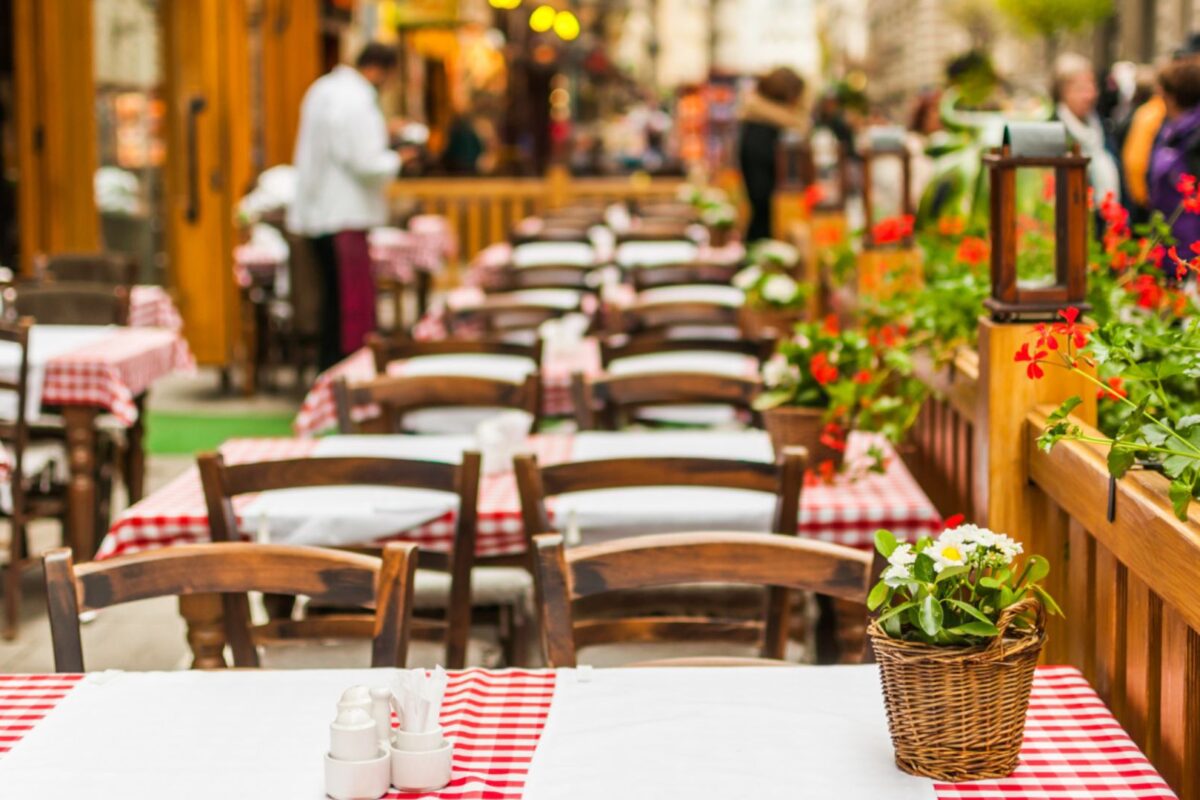
A salt and pepper is a staple in the simplest bachelor kitchens and on the tables of restaurants. Interestingly enough, in the 1980s and 1990s, the trio of salt, pepper and red pepper was still common on tables with plaid tablecloths. Nowadays, red pepper has been phased out. A Tasting Table a writer for a gastronomy magazine, wondered who or what gave us the revolutionary idea of using salt and pepper together?
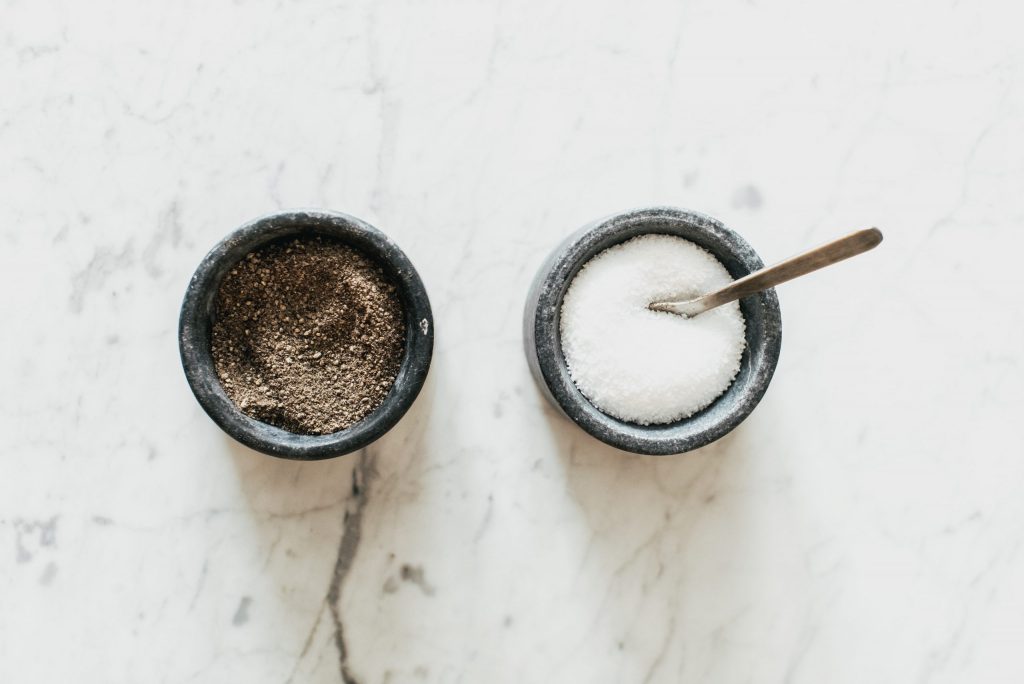
There is no clear answer to most similar questions. Especially not a story that can be linked to a world-famous historical figure. Who was the first person in human history to cook meat over a fire, and when? Who first put salt in food? Who first thought of tasting the stone fruit of the long-growing river stems of black pepper (a plant)? These are unanswerable questions, and it is also possible that the same experiment was carried out in unconnected periods and distant geographical locations in ancient times.
The absolute big idea of the absolutist monarch
It is a gastronomic history tidbit that the story of the first association of salt and pepper has survived for posterity. Or you could say that it is a real historical anecdote, since we don't know whether it was paired at „lesser” tables before, like the court of Louis the Great („Louis le Grand”).
Louis XIV was already known as the Sun King during his lifetime, and his reign became a symbol of French absolute monarchy. The king, who lived and reigned in the second half of the 1600s and until 1715, was inseparable from the name of splendour. He consciously and successfully built his own image of greatness, making him an international celebrity of his time, and he was known in royal circles for the wealth and splendour of his court.
Royal feasts around the world have traditionally been all about feasting and the display of colourful, even exotic ingredients. In this context, it is interesting to note that the king, who was rather fussy, disliked almost all spices. Food was served to him only with salt and pepper - and possibly parsley.
Salt and pepper shakers were needed for its full spread
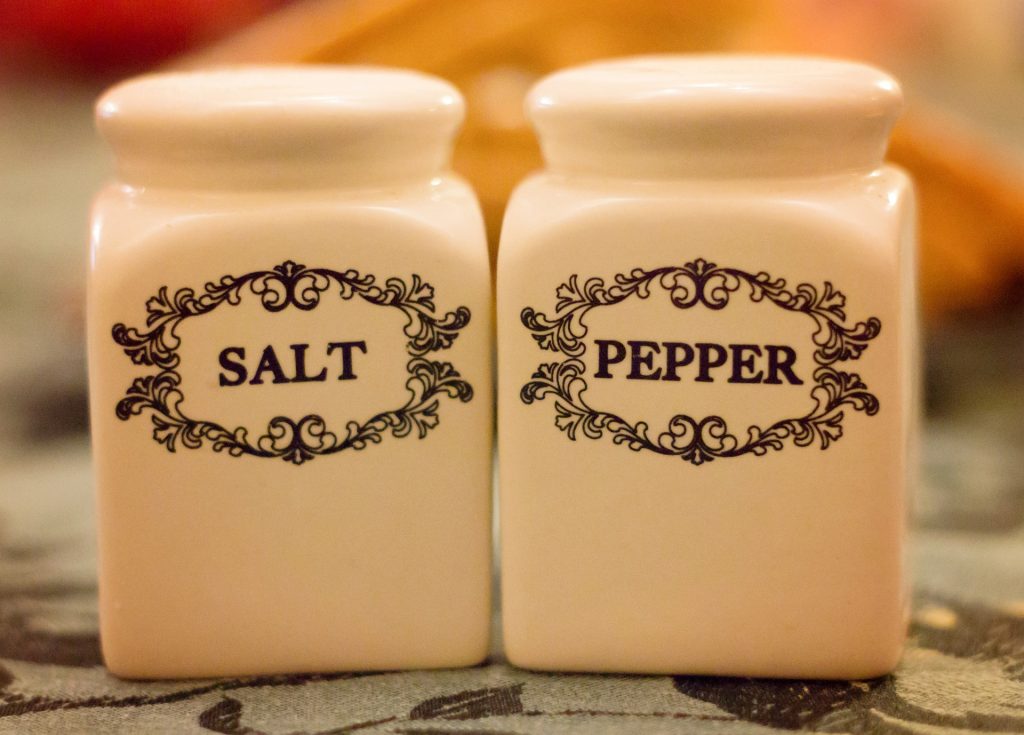
Today's light use of salt and pepper only started to spread in Europe more than 200 years later. The first salt and pepper shakers had to be invented (in 1858). It was only in the 1920s that salt and pepper became commonplace as utensils, before which they were largely served in bowls. The production of matching sets of salt and pepper shakers came about at the same time as the emergence of the automobile industry, as cars made travel easier and thus the spread of the cult object pair.
Salt and pepper are not unique
It is also important to say that salt and pepper are so clearly the basic pair in European and Western culture. In the Far East, for example, there is no salt on the table, but soy sauce, which also gives a salty sensation, and some kind of hot pepper instead of pepper. Sodium glutamate is also known as Chinese salt and is used as salt in China, whereas in the West many people have reservations about sodium glutamate.
Gastronomic trends or not, chilli frenzy and turmeric diva, it seems that the salt and pepper are unassailable. Even the Sun King, who reigned for a fantastically long 72 years, was outlived by centuries.